The NY Apartment Where Filipino Artist Alfonso Ossorio Hosted Jackson Pollock is On the Market for P500 Million
The Greenwich Village townhouse is a silent witness to the friendship between Ossorio and Pollock.

Published on Oct 19, 2026
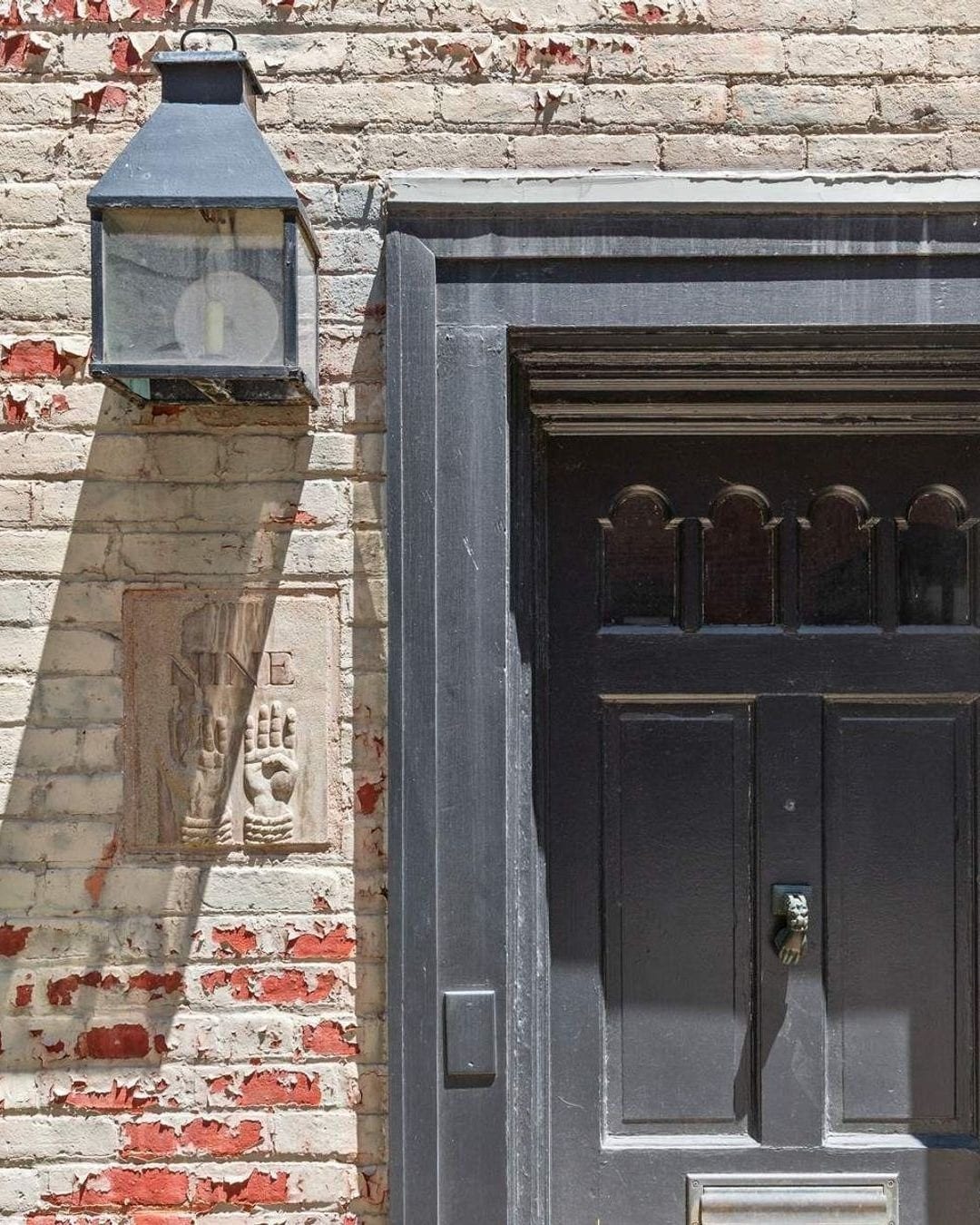
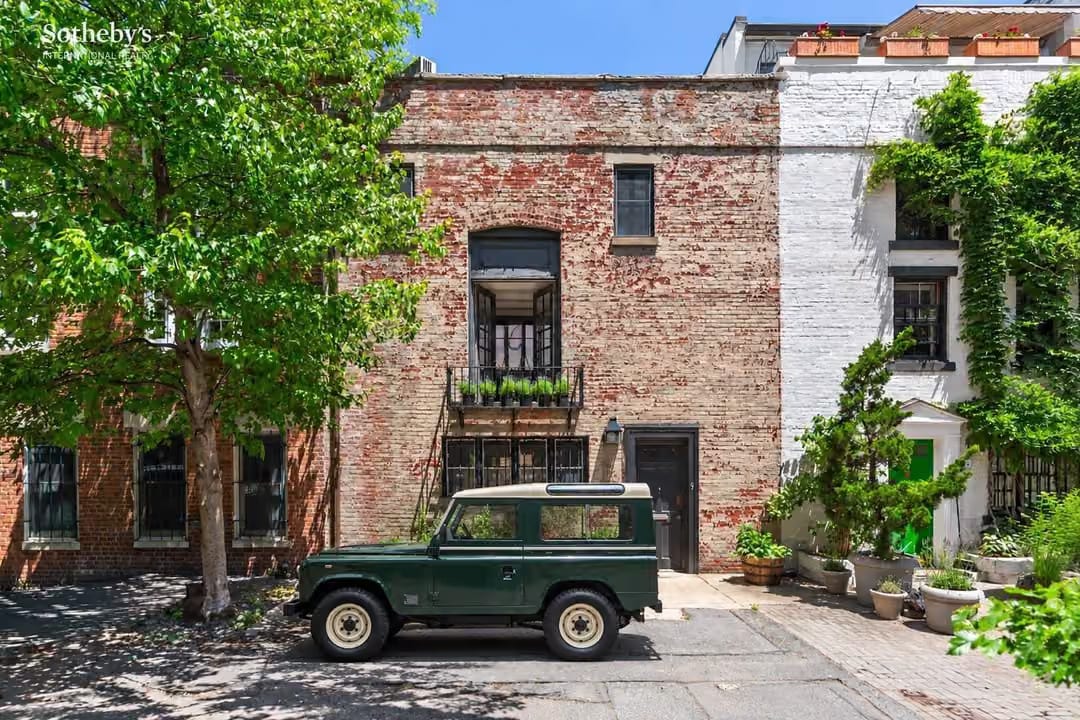
A townhouse in New York where Filipino-born artist Alfonso Ossorio lived is on the market for nearly $8 million (about P504 million). The house on 9 MacDougal Alley in Manhattan’s Greenwich Village is where Ossorio once hosted American artist Jackson Pollock and his wife, Lee Krasner, during a crucial period in the development of postwar American modern art.
Listed for $7.995 million, the three-floor property measures approximately 1,500 square feet and sits in a gated area behind Washington Square Park. According to its listing on The Full Ask, Pollock used the townhouse as his studio in the early 1950s. But more than just where the artist worked, the property’s history also reflects the friendship between Pollock and Ossorio, who became one of the painter’s early collectors and supporters.
ALSO READ
Who was Alfonso Ossorio
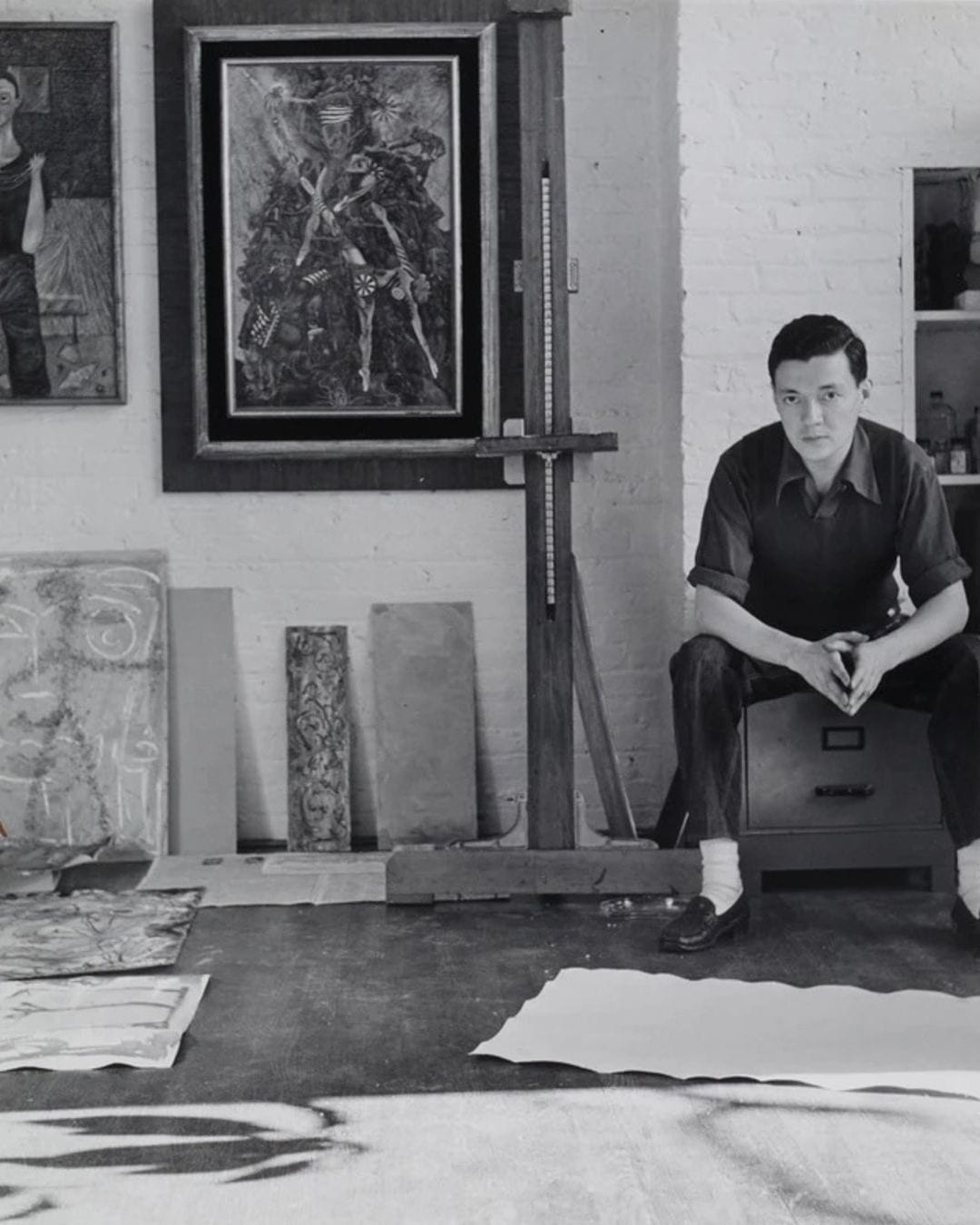
Born in Manila in 1916, Ossorio moved to the United States as a teenager and became part of New York’s postwar art scene. He is perhaps best known in the Philippines for his work known as “The Angry Christ,” his striking mural inside St. Joseph the Worker Church in Victorias City, Negros Occidental. But his career extended well beyond that commission: he was also a close friend and collector of Jackson Pollock, a collaborator and friend of French artist Jean Dubuffet, and an influential collector and patron in the New York art world.
In 1949, Ossorio purchased Pollock’s “Number 5,” which began a relationship that developed into a close friendship. When the painting arrived damaged, Pollock reportedly offered to repair it.
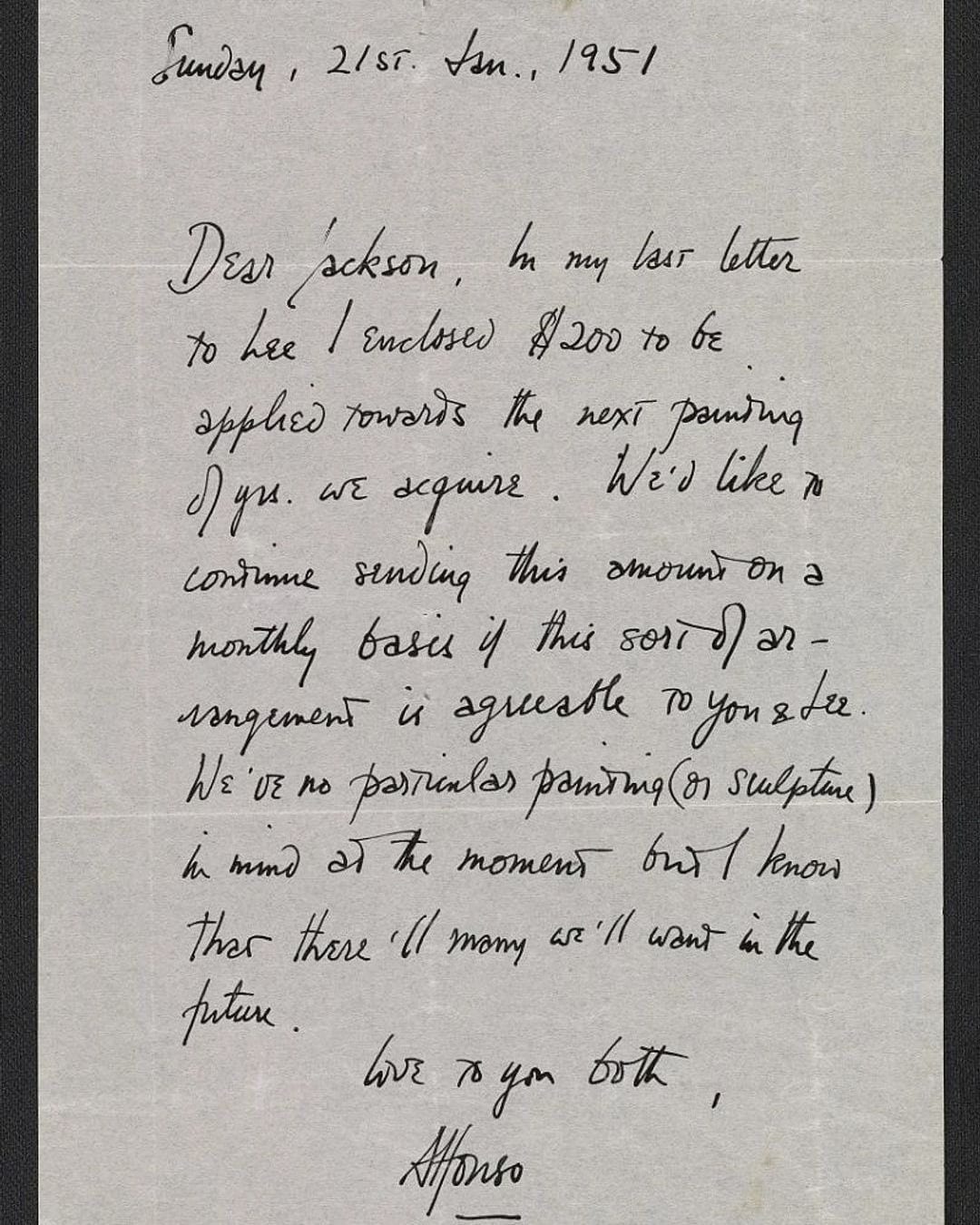
By early 1951, Pollock was struggling. His work had attracted attention, but commercial success remained uncertain, and he had developed a drinking problem. On January 21, Ossorio wrote to arrange monthly payments toward the future acquisition of Pollock’s paintings. The offer amounted to $200 a month—a practical form of support from a collector who believed in the artist’s work.
Ossorio also made his Manhattan home available to Pollock and Krasner. According to the Instagram caption accompanying the property listing, Ossorio gave Pollock a pack of Japanese paper. Pollock worked on ink drawings using the Japanese paper and the townhouse may have been where the drawings were made. Art historian Gail Levin’s research on Ossorio’s patronage of Pollock and Krasner documents the couple’s stay at the address during this period.
In 1951, Ossorio purchased an estate in East Hampton on Pollock’s advice. The property, known as The Creeks, would become his long-term home and a place where he collected art and maintained connections with fellow artists. Pollock and Krasner also lived in East Hampton, where Pollock had his studio.
Ossorio’s role in Pollock’s career is an important part of his own legacy. Although he is known in the Philippines for “The Angry Christ,” he was also an influential collector connected to major figures in postwar modernism.
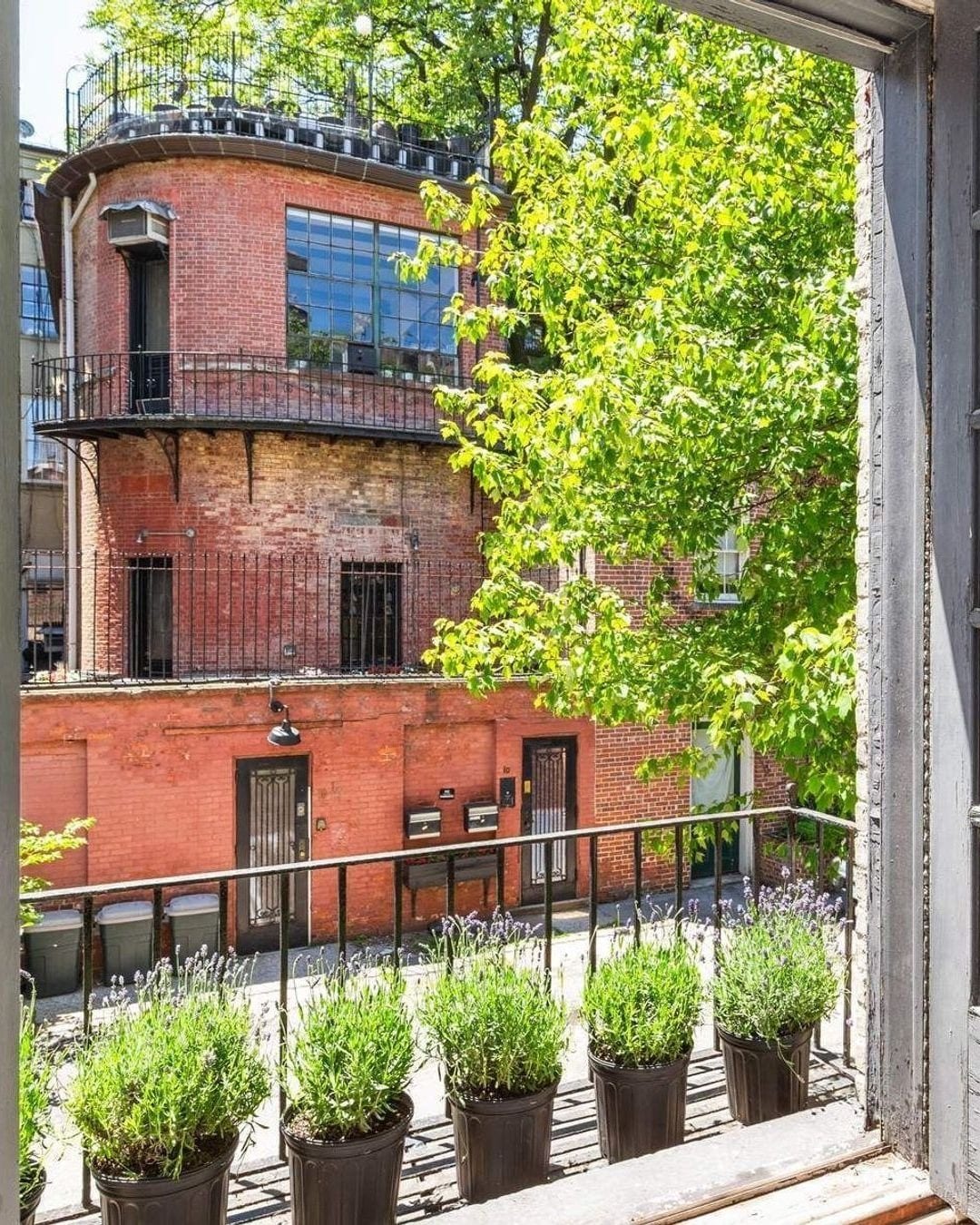
Meanwhile, the MacDougal Alley townhouse offers a glimpse into that less familiar history. Its main room is a loft-like studio beneath a large skylight, while the property also has a south-facing balcony, a wood-burning fireplace, two kitchens, and a garden. The alley itself dates to the 19th century and was converted from a carriage-house setting into a community of artists’ studios in the early 20th century. The listing also comes with a deeded parking space right in front.
View More Articles About: