18 Days Fresh: Why You Should Care About the Coffee You Drink
The best time to drink coffee is within 18 days after the roast. Not because coffee expires, but because this is when the cup carries the most life.

Published on Sep 7, 2026
Coffee doesn’t go stale. Not really. It only starts to become undesirable. A decent coffee bag will show the roast date. When opened, it exudes a room-filling smell of roasted coffee. It slaps you in the face with its seductive aroma and golden caramel cream, thick, rich, and velvety. You inch toward the hex drink, close enough to feel the heat emanating from a freshly pulled espresso.
The smell is strong, almost winey, with some chocolate. Familiar, but you can’t quite pin it down. You move closer, inhale, and the memory hits you.
“Jackfruit?”
Langka.
This is the allure of freshly roasted coffee. I think the best time to drink it is within 18 days after the roast. Not because coffee expires, but because this is when the cup carries the most life: sweetness, aroma, acidity, body, and all the flavors it developed from the tree it came from.
Freshness starts long before roasting. Believe it or not, in the soil. As the coffee tree grows, it absorbs the nutrients and environment around it. Coffee trees require year-round care. In return, they provide the nectar we look for in our daily coffee habits.
The taste of coffee begins in the soil, then moves through the farm, the café, the cup, the brewing method, the quality of the bean, the bag it came from, and the roaster it passed through. It is shaped by wind, rain, ravaging storms, and how much the farmer was able to protect it with dirt-covered nails and sunburnt skin, as he rolls his betel nut to be chewed like clockwork.
Tree after tree. Stick after stick, and the coffee he drinks comes from the fruit of his own backyard. He stands up with quiet confidence, looks at his trees, and says, “Yan, tama yan.”
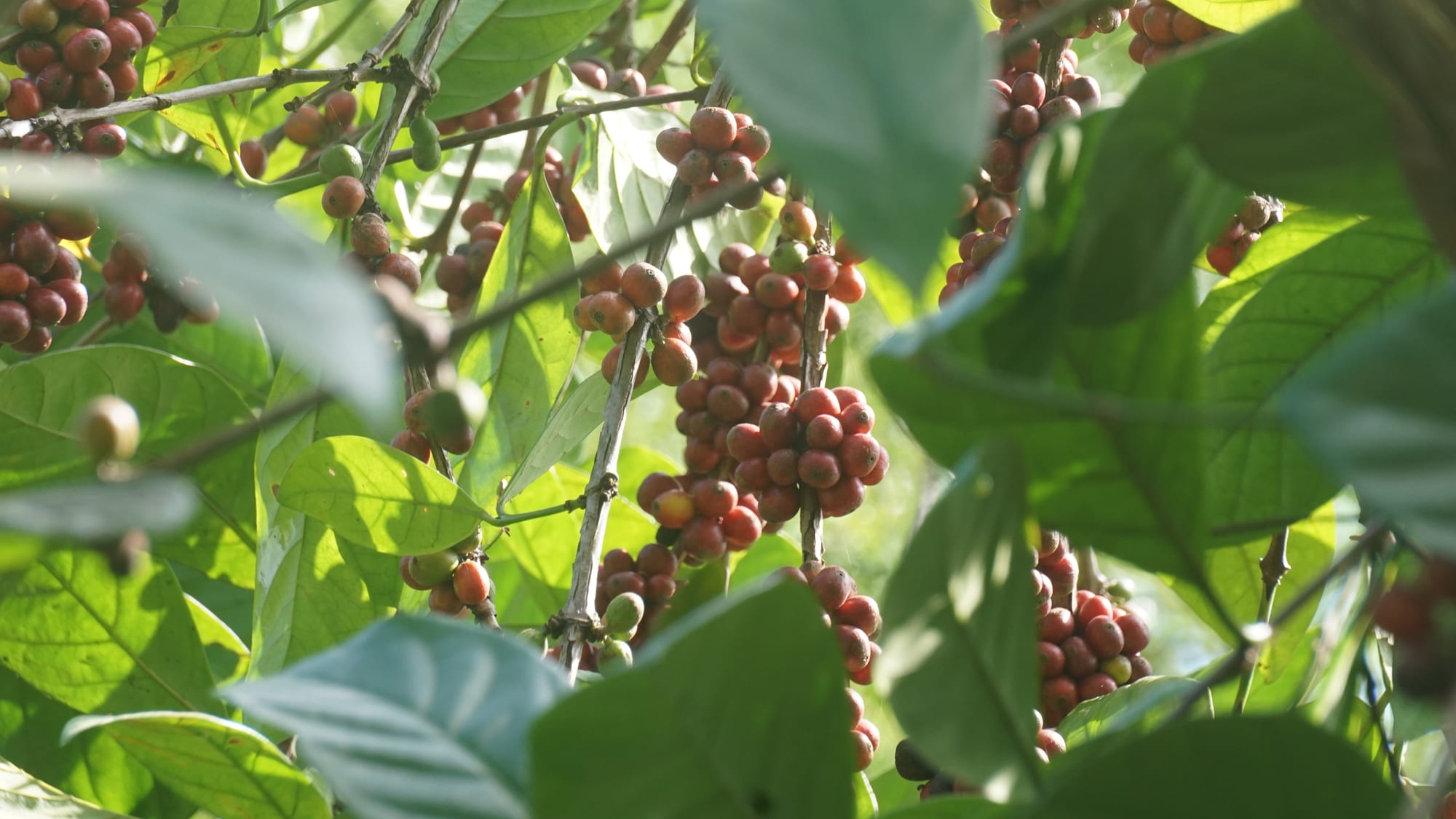
He does this over nine months, give or take. Coffee is a once-a-year harvest, starting in October and ending in April. Drinking freshly roasted coffee is tasting it at its prime. It gives you the best value for every hard-earned peso you spend on a legalized drug. It is your closest connection to the farmer’s work, to the orchestra of coffee processing, and the life of the bean from soil to cup.
A healthy coffee farm during harvest season starts to look like Christmas: reds, greens, oranges, yellows too. I believe it is at its most beautiful in the morning, when the sunrise glows golden and the birds sing, when coffee cherries begin to mature and turn deep, dark red. Some are small, some are large. Few or many, depending on the tree and the farmers’ toil and care with nature.
Farmers wear their boots and carry their sacks, then begin the back-and-forth picking of the ripest cherries. In the wet processing of coffee, the selectively picked cherries are depulped and stripped of their red skin, revealing the coffee bean we’re familiar with, still wrapped in a sweet pulp called mucilage. The harvest is then soaked in water overnight, then washed clean. They are then spread on elevated racks made of wood and chicken wire, left to dry under the high noon sun.
By now, you realize I am taking you through what it takes to make Philippine coffee, and why you should care.
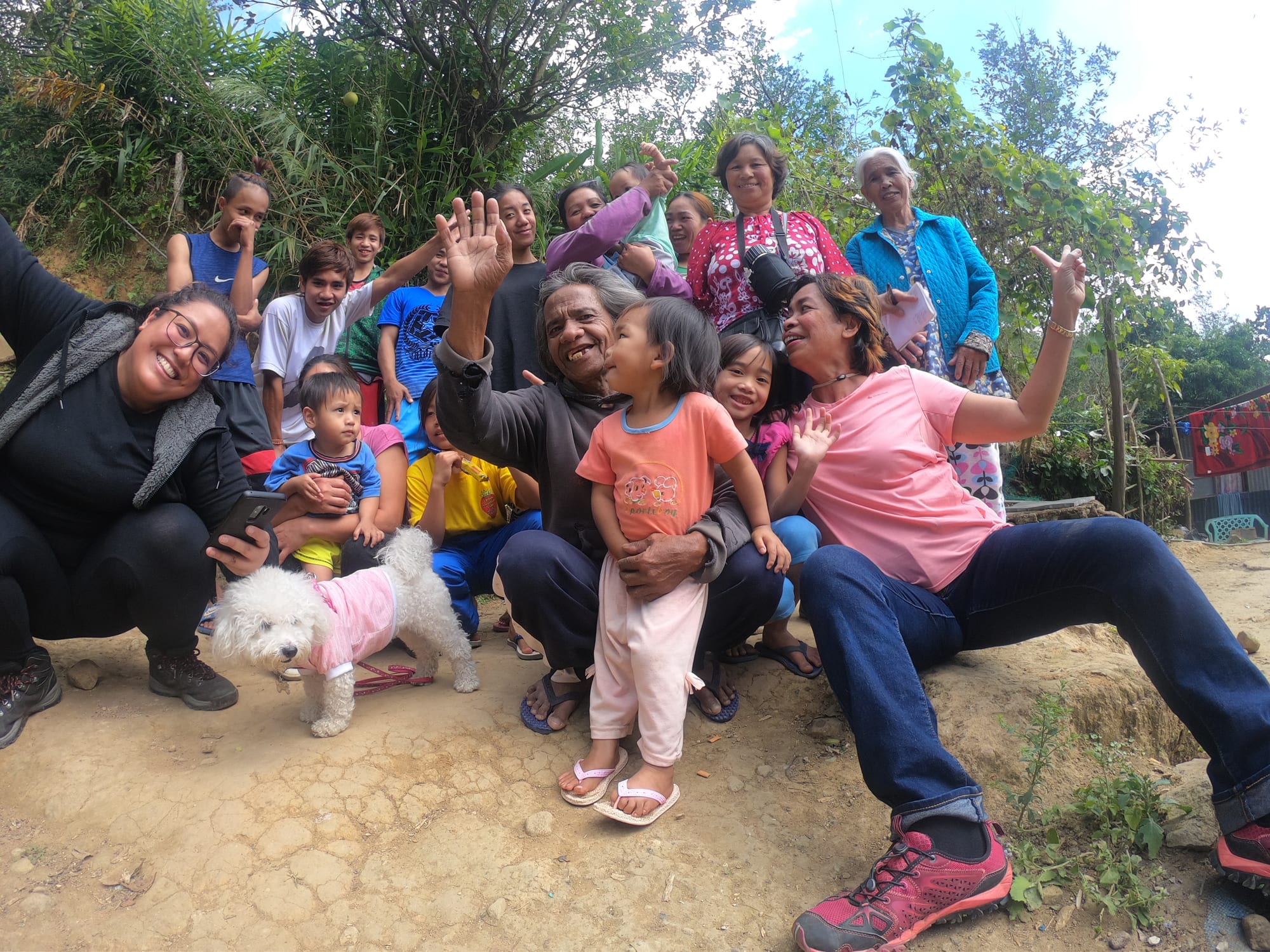
Many Filipino coffee farmers work with small plots of land, sometimes half a hectare, sometimes a little more, and call it their garden. If they have the resources, they’ll have farmhands. Otherwise, the farmer talks to his children about the tasks needed on the farm before or after school, while his wife handles the home finances and sells the coffee and vegetables they’ve worked hard to grow.
The girl, age nine, uses a small hand rake to turn over the drying coffee beans. She barely reaches the center and moves from one section to the next. The mother is in the kitchen, preparing breakfast to start the day. The eldest son and his father have just arrived from the coffee forest, setting down new sacks of freshly harvested red gold.
The father grabs a lone bean from the drying rack and bites into it.
“Dalawang araw pa.”
Two more days of drying.
He tells the mother about the additional harvest. She brings out her notebook to log their future income. They hope it will be more than enough for the coming school year.
He looks at the shed across the house: nine sacks of coffee, roughly 360 kg of total harvest. He walks to the calendar on his wall, grabs a marker, flips through the pages, and writes down 520 kg on April 27.
He looks at his wife. They eat and start the day. Later, they’ll head into town to meet a new coffee buyer and find out if they can breathe easier or begin to worry about the months ahead.

“Antok pa ako.”
I’m still sleepy. I look at Jeremy on my right as he begins to grind coffee on his manual grinder. We woke up extra early. The cars whizzing past somehow keep me awake and sleepy at the same time. He hands me freshly poured coffee, brewed with hot water from the thermos. He’s the guy you call coffee-crazed.
“Eight more hours till Mt. Province, bro. We can switch midway.”
It’s routine for us to visit the farm and source, especially if it’s a new origin. We verify for ourselves that the coffee we serve is true to its name. The relationship we build with farmers goes beyond the transactional. We don’t look at them with pity, no. We look at them with respect. There is no pity in coffee. We pay so much for food they freely grow in their gardens.
Jeremy looks out at the passing rice terraces; you wouldn’t believe that these were done with human hands and a shovel or pike.
“I’m so excited to brew this origin. Our Sagada coffee did well as a medium roast pour-over.”
He’s ecstatic. He goes crazy over equipment, extraction, coffee beans, roast levels, first and second crack, tasting notes, milk pairings, and whatever concoction he can come up with for the menu. He once stayed up all night testing roast profiles, changing grind sizes, and checking the cold brew bottles he had stored up.
I retorted, “I like mine dark and sweet.”
He rolls his eyes and murmurs, “Spanish Latte.”
The air begins to change. It feels fuller. Each breath goes deeper. I smell pinewood, grass, soil, cow shit. Our vision goes blurry as we enter the clouds. Rough roads, endless birdsong, clear skies, light rain, verdant scenery of deep greens, blues, and sunlight peeking through the mountains.
We’re in the Philippine Cordilleras.
We eventually reached the town municipality. It’s alive. Locals move through their Saturday routine, speaking in Ilocano or their native tongue. The streets are lined with products made in their homes and sold to neighbors. I overheard someone talk about why the next stall suddenly started selling yogurt, and whether they should do the same.
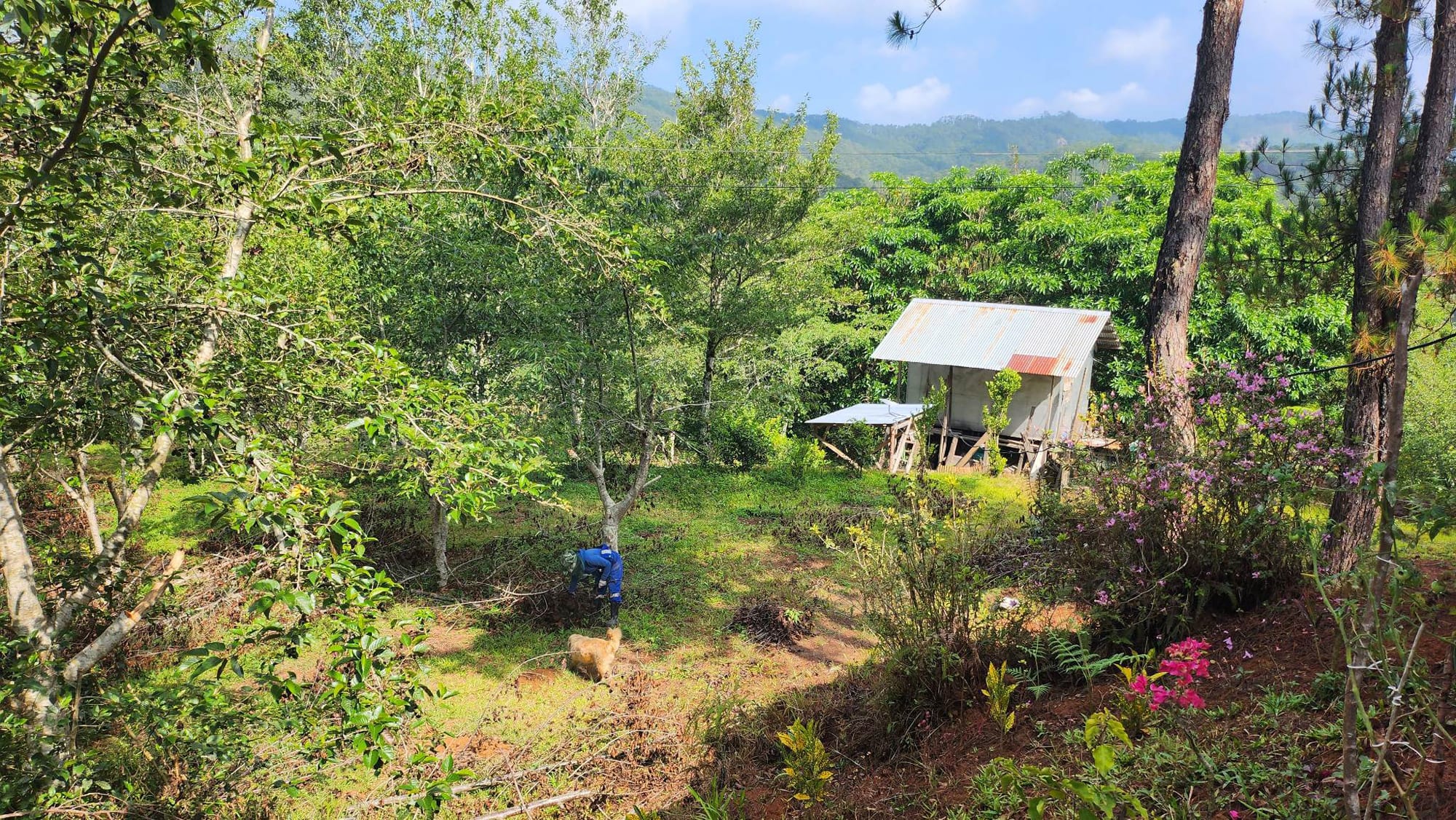
We arrived at Manong Chris’ farm. I looked at my watch: 3:30 p.m. My body is tired but still operating. To my left is the mountainscape: a clear sky so wide that if you looked from left to right, you wouldn’t see a cloud in sight. A bird of prey screeches, possibly a raptor, hunting.
To my right are coffee trees, lined up neatly on terraced land, each layer carrying at least 80 trees. Along the edges of the garden are lemon trees, orange trees, and some persimmon. The coffee trees look maintained, with trimmed and pruned branches. The soil looks sturdy and wet.
I smile. Somewhere in these terraces is the 400 kg of coffee I came here for.
“Oy! Kamusta! Buti umabot pa kayo. Halika at kain muna tayo.”
Manong Chris comes out of his house. We’ve talked over the phone and tried his samples before, but seeing him and the place he calls home is different. I peer through the door and see a small girl hiding behind her mother. The older boy greets me, then heads to the shack across the house.
His wife steps out.
“Magandang hapon po,” she says, handing us a basket of produce: bananas, lemons, cucumbers. They are big, bright, and heavy in the hand. I assume they came from their garden. In exchange, we hand them a box of sweet bread from Manila.
The boy comes back, sack after sack, reaching 10 in total. We open half for random inspection and dig our hands deep into the green. It feels crisp, with the sound of right dryness, lighter than expected.
Jeremy trails behind the sacks, taking small samples and placing them into his moisture meter.
“12.7 percent. Perfect,” he says.
Moisture matters. Too wet, and the coffee risks molding. Too dry, and the bean loses weight, flavor, and value. He begins jotting down information for each sack: weight, moisture, origin, species.
The romance starts becoming data.
After the inspection, we stroll along the coffee trees. Manong Chris talks to me about his mulching practices, the recent storm that passed through, and the few trees it uprooted. We exchange stories and laughter. We bade them goodbye and had dinner in town. We’re leaving the day after.
It’s going to be a long drive back.
We open the roastery around 10 a.m. We arrived a few days ago, and this is our fourth roast this week. Today is a new day.
We set up the roaster, this monster of a machine that gives us our brown gold. We pour the green coffee into the roaster and set the roast point at 220°C, our standard medium roast for the shop.
Roasting is, in the simplest sense, cooking coffee. For us, it’s done by air instead of hot steel. This helps the beans roast evenly and consistently, even when they vary in size.
The roaster roars.
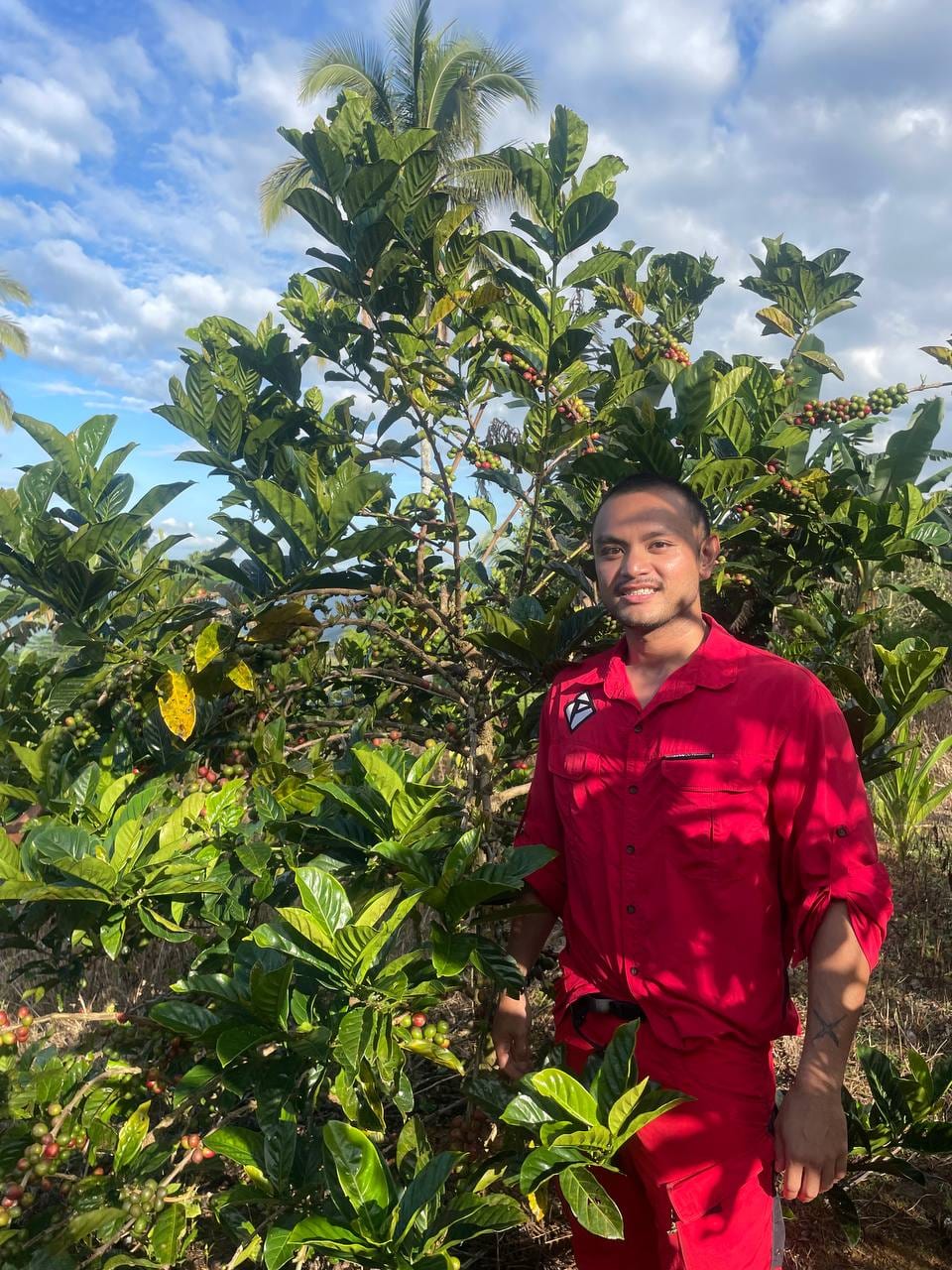
Our usual customers come in. The first thing that hits them is the smell. They raise their noses and inhale, like cookies fresh from the oven.
The beans turn from green to yellow, then into shades of brown. Moisture escapes. Sugars develop. Pressure builds. A tiny chorus of pops tells us the beans are nearly done.
“We can give you an espresso to try. This was roasted a few days ago, degassed, and ready for you.”
Freshly roasted coffee continuously releases gases, further developing its taste and profile over the next few days. Jeremy pulls the shot. He lays the cup in front of the customer; they lean in and take a deep inhale.
They don’t know it yet, but they’ve already bought a bag of freshly roasted coffee.
I am a big believer in the soil-to-cup process of coffee. It gives integrity to the forest, the soil, the farmer, the processing, the roasting, and everything it takes to bring quality Philippine coffee to your cup.
This essay is a composite inspired by our own farm in Sagada and our process of sourcing coffee from communities across the Philippines.
ALSO READ:
Sagada's Pride: How One Farmer Is Cultivating a Community of Coffee Growers
How a Japanese Kissaten Is Finding Its Place in PH's Crowded Coffee Market
Raphael “Dash” Reyes is a Filipino coffee entrepreneur, community roaster, and writer whose work moves between Philippine coffee, local communities, and stories of identity. He currently trains rugby with Eagles RFC in Ayala Alabang.
View More Articles About: