Discovering Local History and Culture, One Drink at a Time
The afternoon tasting with Spirited Sessions at the Destileria Limtuaco Museum proved that Philippine spirits are archipelagic.
Published on Jul 1, 2026
The Philippines national drink has never been easy to explain, considering we have over 7000 islands and eras before, during, and after colonization and dubious stages of liberation.
Our drinking history stretches across fermented rice, sugarcane wine, coconut nectar, molasses rum, and cacao. Each belongs to a different era of the archipelago's story. Together, they form a timeline that most Filipinos have never had the opportunity to taste.
It took a two-hour session inside the Destileria Limtuaco Museum in Intramuros, Manila, for that realization to finally crystallize.
Organized by Spirited Sessions, Filipino Heritage Spirits is a tasting that includes a history lesson served in five glasses, each representing a chapter in the country's evolution.
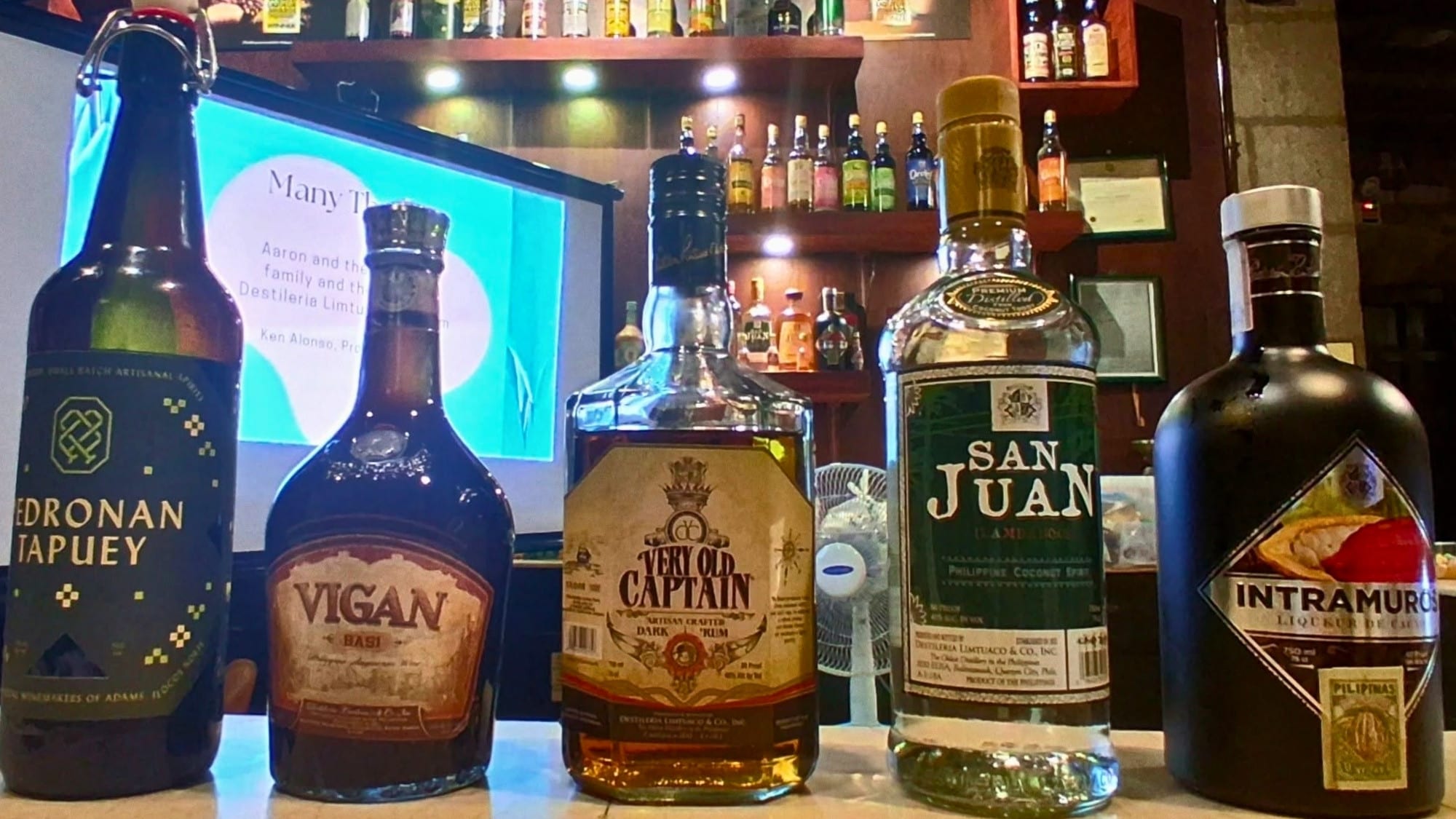
If someone asked what Filipino spirits are, where could we even begin? Long before the Philippines existed as a nation, our northern civilizations had tapuy. It only makes sense that the first pour was Pedronan Tapuy, courtesy of Ken Alonso. Brewed by the Pedronan family of Adams, Ilocos Norte, from fermented rice, this tapuy predates Spanish colonization by centuries and remains deeply rooted in the rituals and celebrations of northern communities. Unlike distilled spirits, its character comes entirely from fermentation, reminding drinkers that Filipinos had already developed sophisticated traditions. Fans of Cordilleras tapuy will be delighted by how different tapuy from Ilocos can be. But if you aren’t a fan, look for Danum wines.
Then came Vigan Basi, the naturally fermented sugarcane wine that carries one of the country's most remarkable political stories. In 1807, the Spanish colonial government imposed a monopoly over basi production, stripping Ilocanos of the right to make and sell the drink that had long been woven into everyday life. The resulting Basi Revolt is remembered in history books, but tasting the wine itself gives the episode an immediacy that dates and names alone never could. It becomes easier to understand why people would risk their lives over something that was more than a beverage—it was livelihood, identity, and tradition.
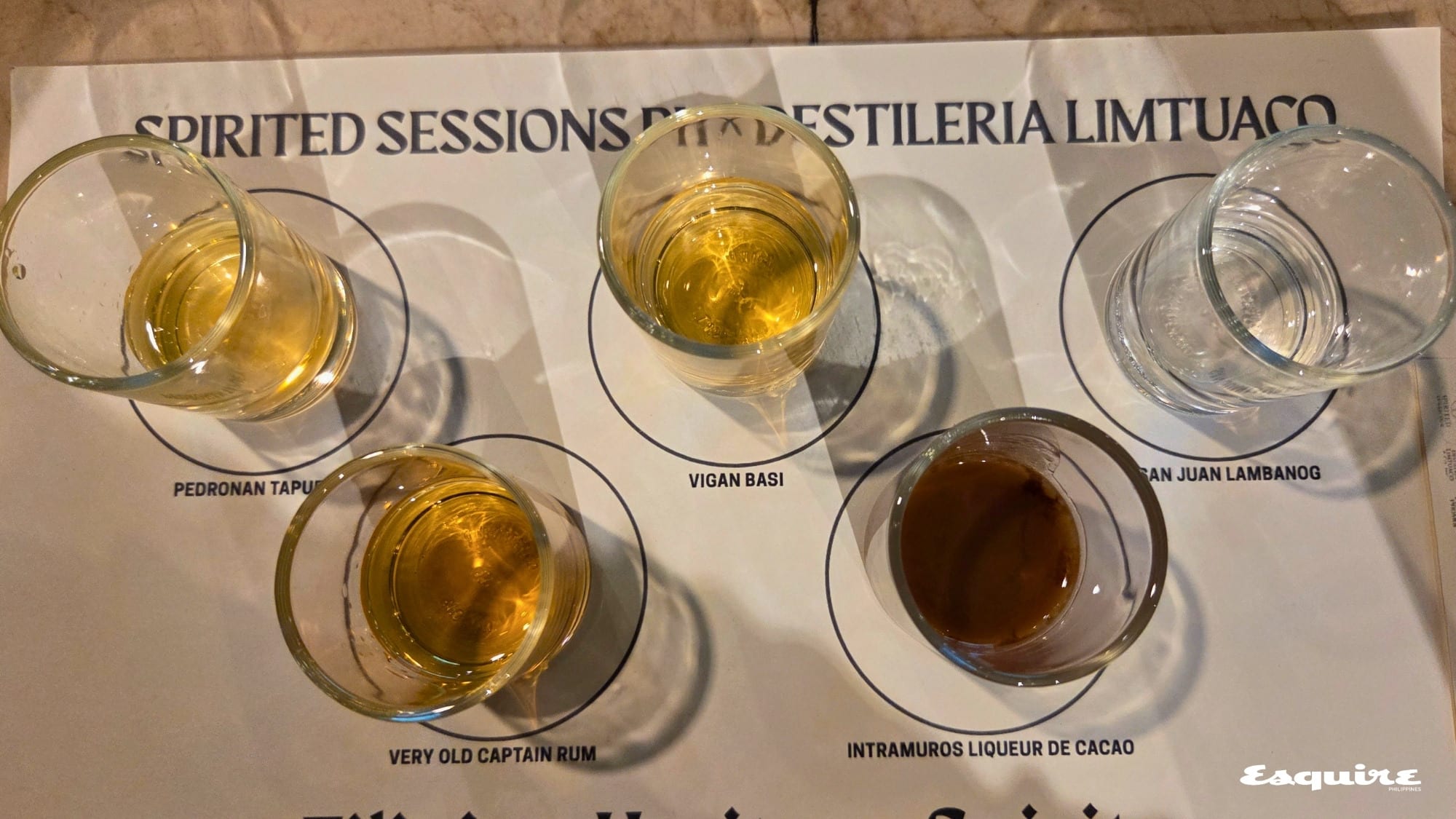
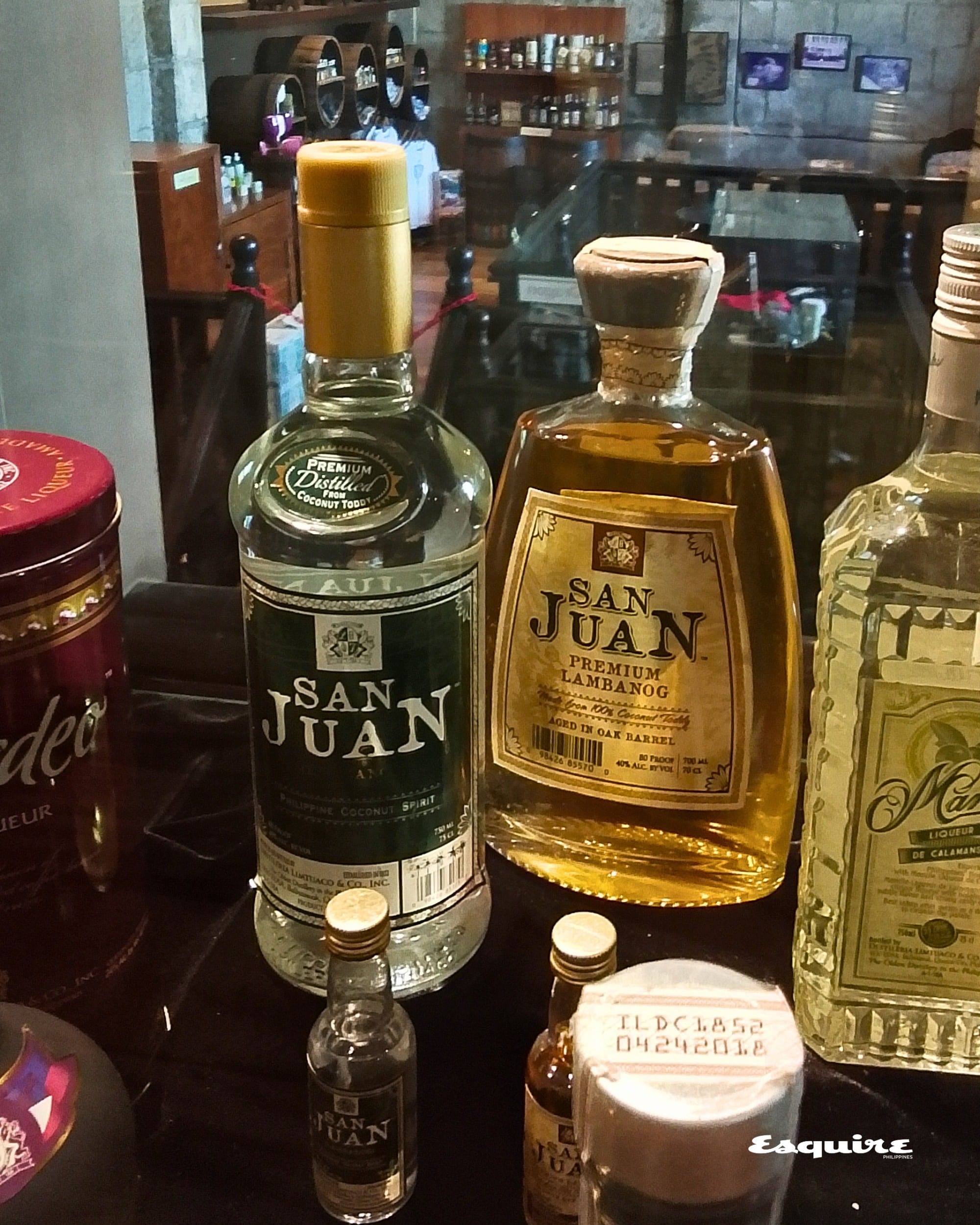
The third glass marked another turning point: San Juan Lambanog. Today, lambanog of the CaLaBaRZon suffers from an unfortunate reputation as an inexpensive spirit meant to be chased rather than savored. Yet its origins tell a more nuanced story. Distillation techniques arrived through centuries of maritime trade with China and Europe, allowing Filipinos to transform the sweet sap of coconut blossoms into a spirit unlike any other. This Batangas version from Destileria Limtuaco retained delicate grassy and floral aromas from the coconut nectar instead of being distilled into near neutrality. Suddenly, lambanog felt less like a novelty and more like a distinctly Filipino expression of terroir.
From there, the tasting moved into the industrial age with Very Old Captain Rum, tracing the rise of commercial distilling as the Philippines became a major producer of sugar. Rum was no longer simply an agricultural product but an industrial one, reflecting the emergence of family-run distilleries like Limtuaco, whose story mirrors the country's own adaptation through colonial rule, war, and modernization.
The final pour brought the timeline full circle. Intramuros Liqueur de Cacao is made with Filipino tablea, an ingredient whose own history is inseparable from the Manila Galleon Trade that introduced cacao to the archipelago. The liqueur has quietly earned international recognition, proving that local ingredients can compete on the world stage when treated with care and imagination. A colonial import has become a proudly Filipino export.
That progression—from precolonial rice wine to globally awarded chocolate liqueur—revealed something easy to overlook. Filipino spirits are often discussed as isolated products. Tapuy belongs to the Cordilleras. Basi belongs to Ilocos. Lambanog belongs to CaLaBaRZon. Rum belongs to the Caribbean, and chocolate is Mexican. But placed side by side, they stop being regional specialties and become chapters in a continuous narrative of trade, agriculture, migration, colonization, industry, and innovation.
This is what made the evening compelling. The bottles themselves were excellent, but context transformed them into something greater. A good tasting teaches you how to identify aromas and flavors. A great tasting teaches you why those flavors exist in the first place.
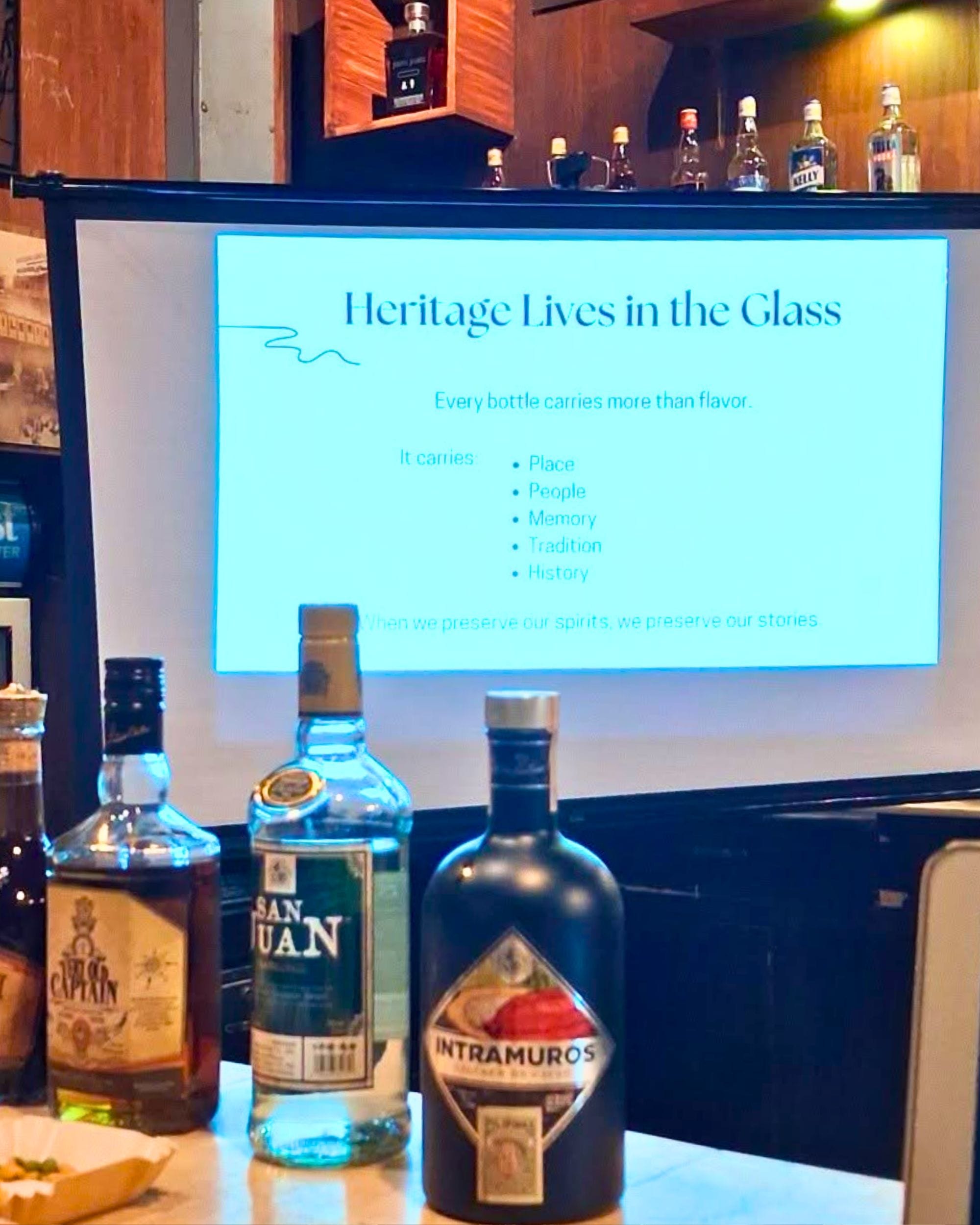
It's an approach that Spirited Sessions has quietly made its own. Their events move comfortably between subjects as varied as World Gin Day, cocktail fundamentals, American whiskey, and Filipino heritage spirits, often partnering with bars and venues across Metro Manila. Regardless of the topic, the premise remains remarkably consistent: drinking becomes more meaningful when you understand the people, places, and histories behind what's in your glass.
Perhaps that's the most surprising takeaway from the evening. The Philippines doesn't need a single national spirit to stand alongside Scotch or tequila. Its drinking culture is richer precisely because it refuses to be distilled into one bottle. It is a collection of stories, each reflecting a different moment in the country's long and complicated history.
The best way to understand that history is still by opening a textbook, but have a glass at hand and some good company.
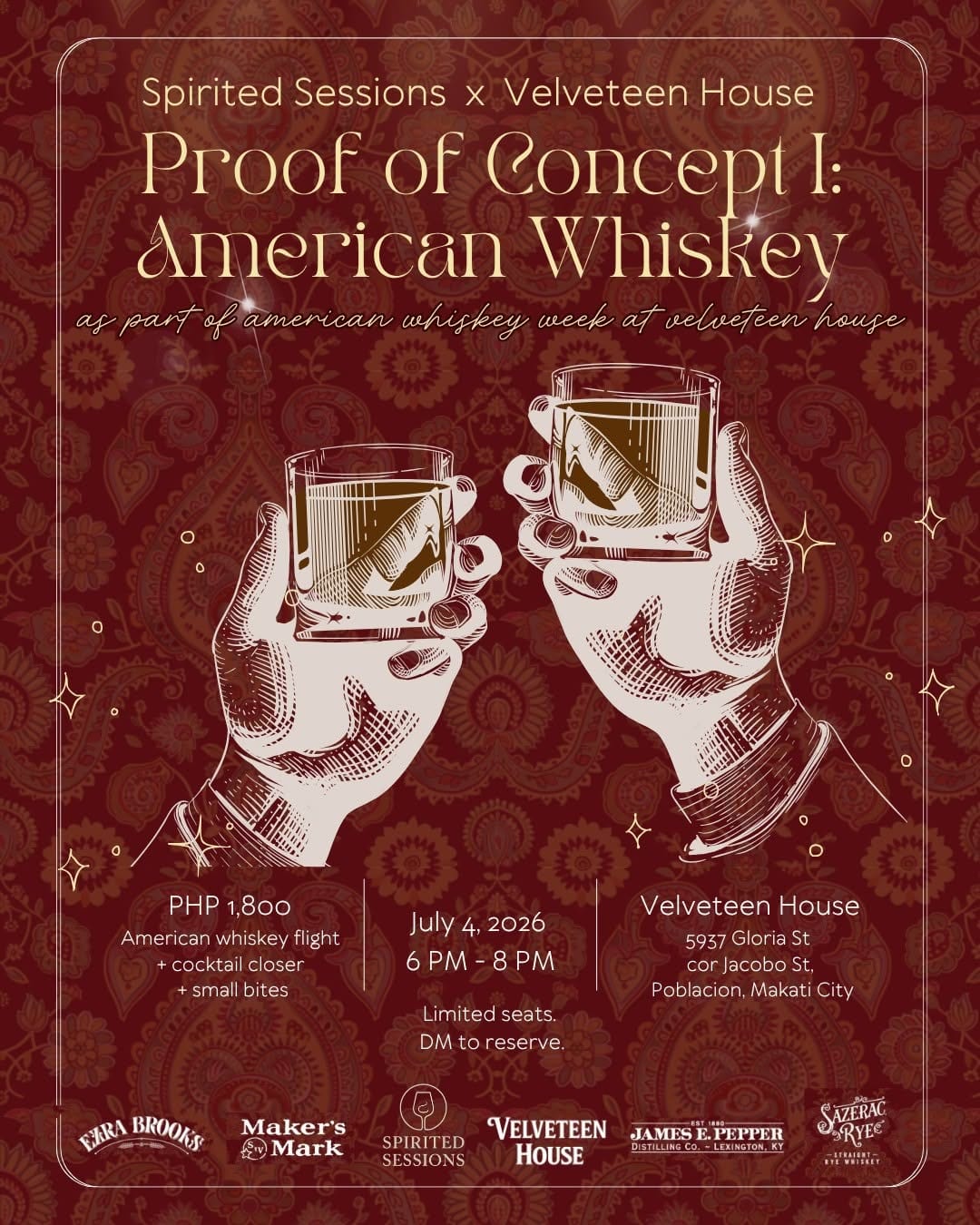
On July 4, from 6 to 8 p.m., join Spirited Sessions at Velveteen House in Poblacion, Makati, to explore American Whiskeys. Limited seats available (P1,800).
ALSO READ:
The Art Behind Cordillera Whiskey Is the Science of Haunted Houses
Today I Learned: Why Every Bar Is Suddenly Obsessed With Guest Shifts
Craft cocktails, social justice, books, board games, and TTRPG. Chopsuey.
View More Articles About: