Today I Learned: Why Every Bar Is Suddenly Obsessed With Guest Shifts
Cabinet 8 Kuala Lumpur’s guest shift at Opal Bar in Makati is more than a pop-up.
Published on Jun 15, 2026
If, like me, your socmed algo is pushing booze, chances are you'll eventually encounter a post or ad for a guest shift. A bartender from Singapore, Kuala Lumpur, Hong Kong, Tokyo, or Bangkok, or even Europe or Down Under, flies in for a night. Industry regulars crowd around the bar. A limited number of cocktails to choose from are printed on a menu. For the sake of inventory, only so many glasses can be poured. Then everybody goes home.
I've often wondered who benefits from all of this.
The economics are not immediately obvious. Flying bartenders across borders is expensive. There are flights to book, hotel rooms to pay for, logistics to coordinate, and marketing to execute. For the host bar, does a single evening generate enough revenue to justify the expense? Do guest shifts actually create new regulars, or do they merely attract the same crowd that would have visited anyway?
The questions become even more complicated from the visitor's perspective. Does pouring drinks for one evening in Manila persuade enough people to book a trip to Kuala Lumpur? Is a guest shift really capable of driving business back home? Or is the entire exercise simply an elaborate networking event disguised as hospitality?
These questions came to mind during Cabinet 8's guest shift at Opal Bar on Ebro Street in Makati last June 11.
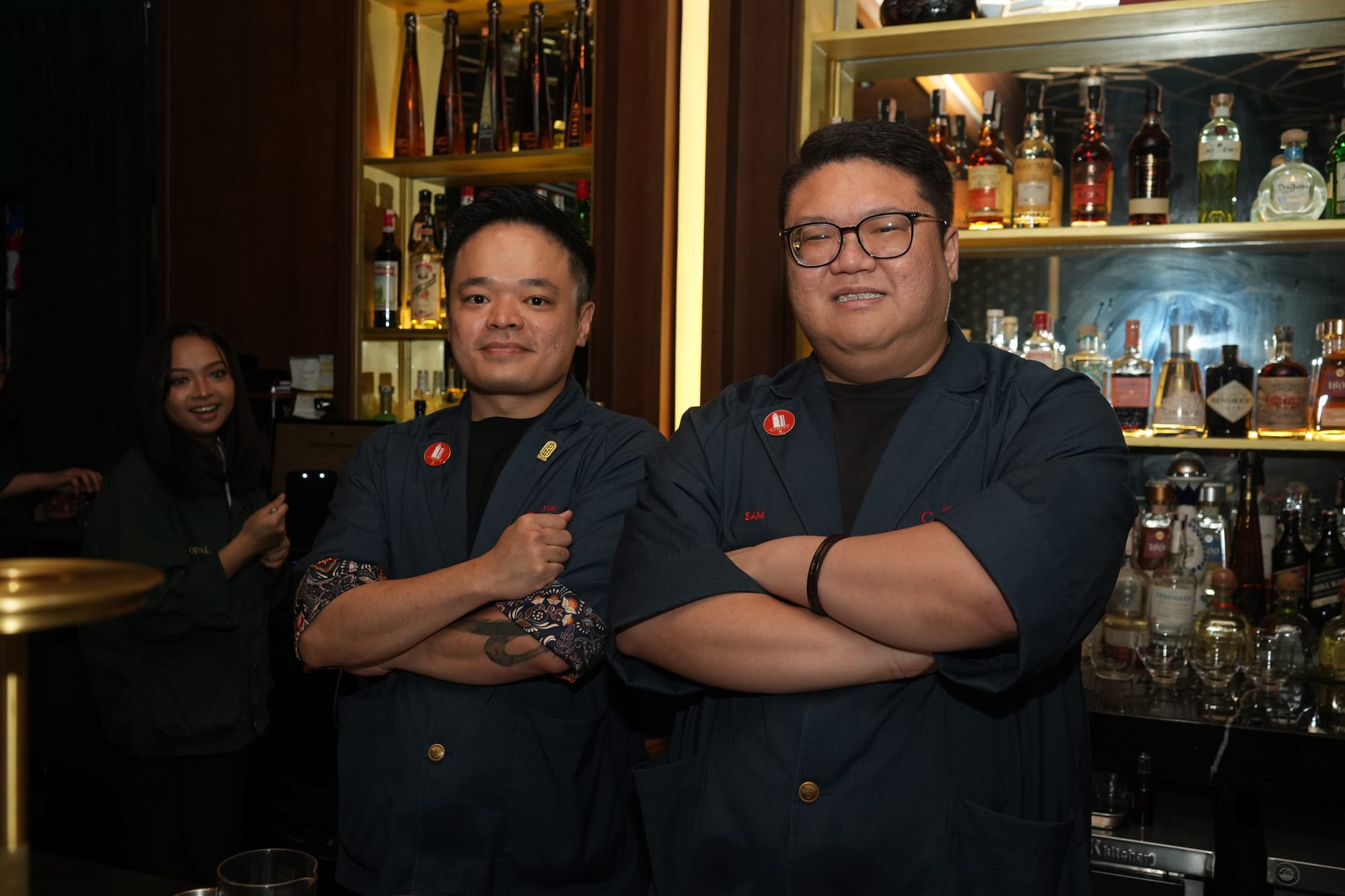
If the answer were measured purely in drink sales, the rationale might indeed seem shaky. But after spending time at the event, it became clear that guest shifts generate a different kind of return altogether.
When asked what Opal gains from hosting guest bartenders, Jessica Chua, Marketing Manager of Opal, pointed not to revenue but to exposure.
Guest shifts, they explained, allow local teams to observe another bartender's work ethic, prep discipline, service style, and flavor philosophy in real time. Watching how another bar approaches production, organization, and hospitality creates an opportunity for learning that cannot be replicated through social media posts or cocktail recipes.
Beyond technique, there is also the exchange of perspective.
Different cities develop different drinking cultures. Different bars solve similar problems in different ways. A bartender's habits—how they move, how they organize a station, how they interact with guests, how they construct flavor—are often shaped by the environment they come from. Bringing those habits into another bar creates a kind of professional cross-pollination.
The benefits run both ways.
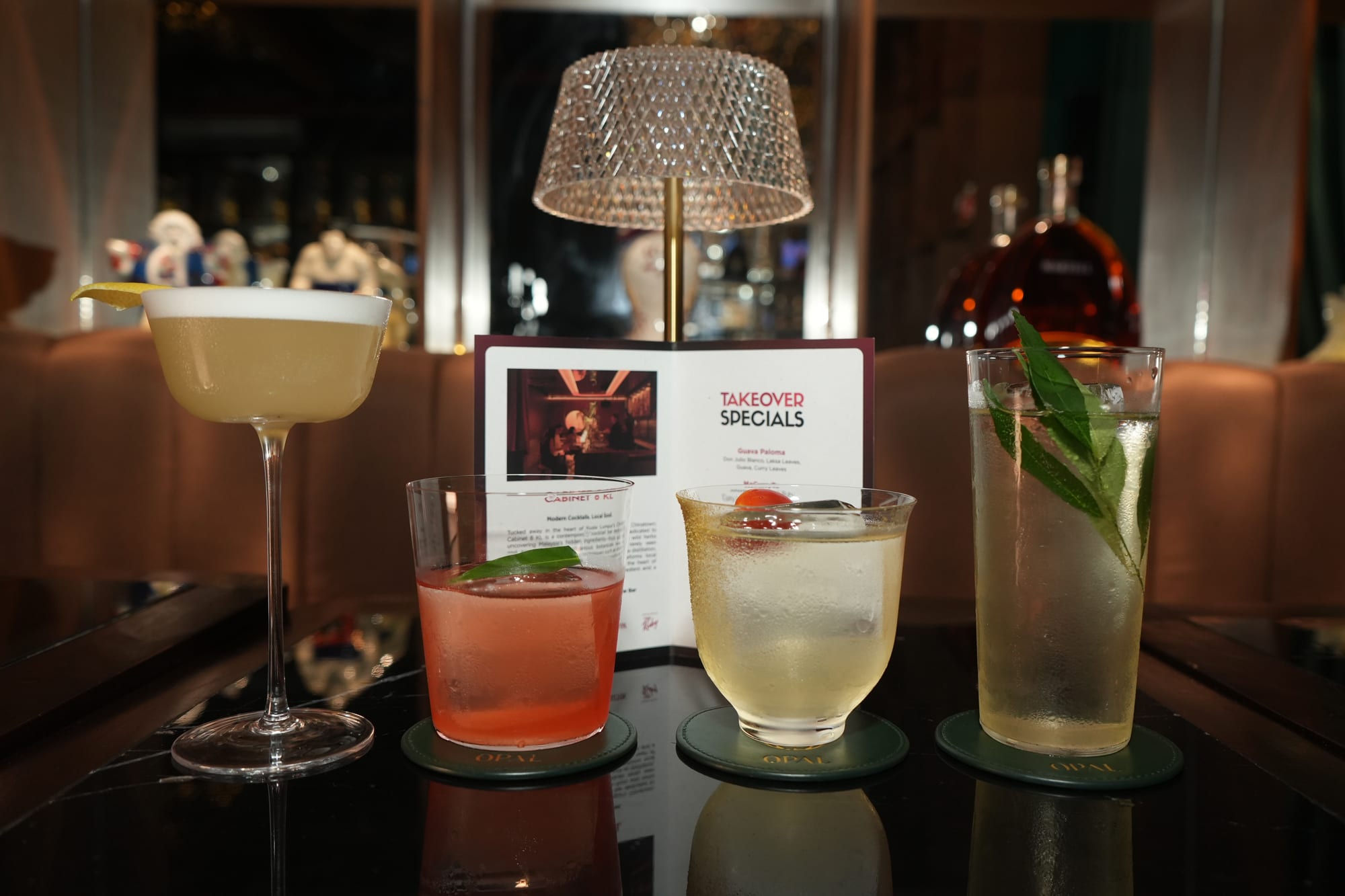
For guest bartenders, the shift becomes a chance to introduce their home bar to a new audience while showcasing ingredients, traditions, and techniques unique to their region. More importantly, they bring a piece of their culture with them. Hospitality travels through stories as much as it does through cocktails.
The crowd itself offered another clue.
Looking around Opal that evening, it was difficult not to notice how many attendees were bartenders themselves. While casual drinkers certainly filled seats, a significant portion of the audience seemed to be industry professionals eager to taste, observe, and learn.
That makes guest shifts function almost like continuing education.
The drinks become the curriculum.
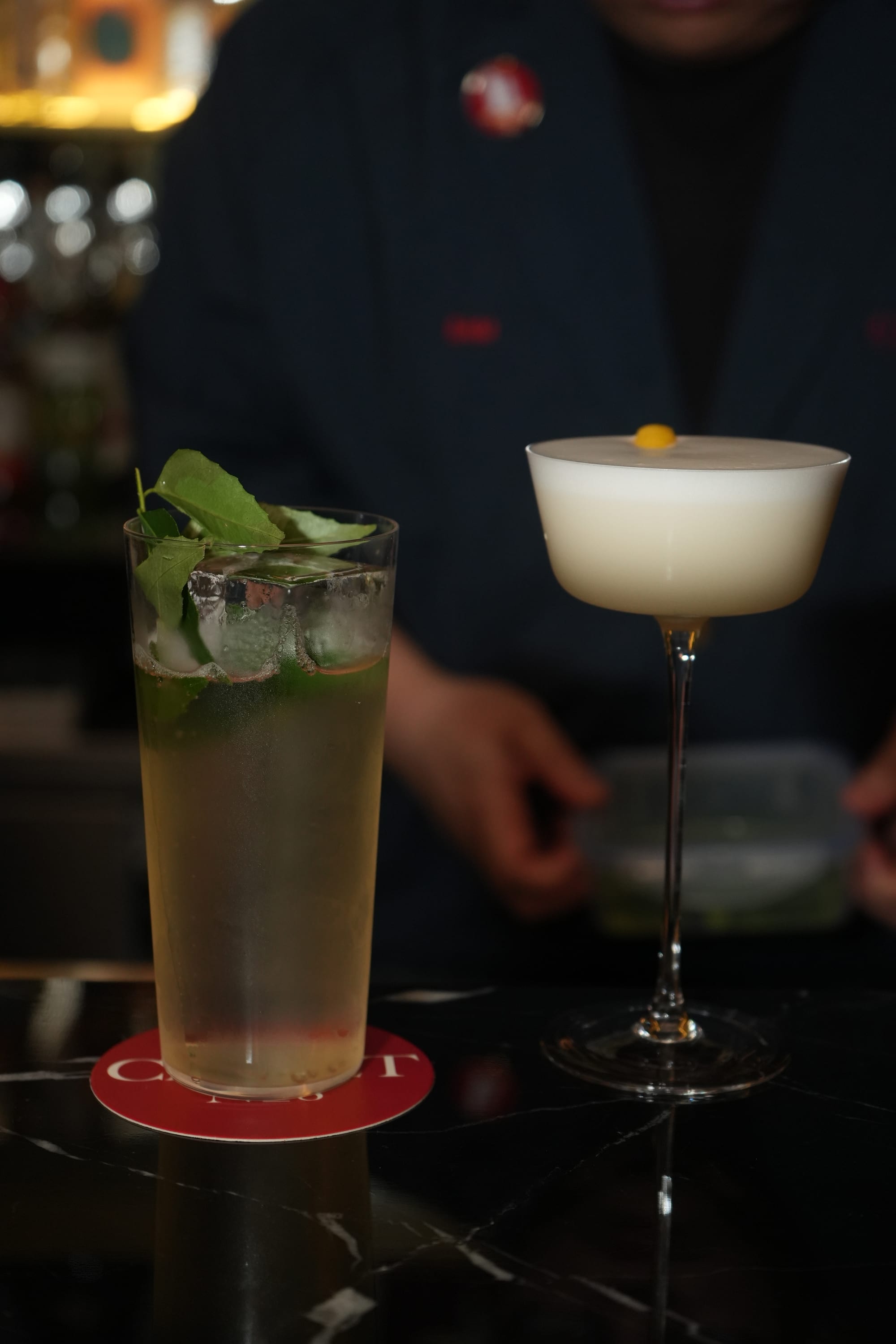
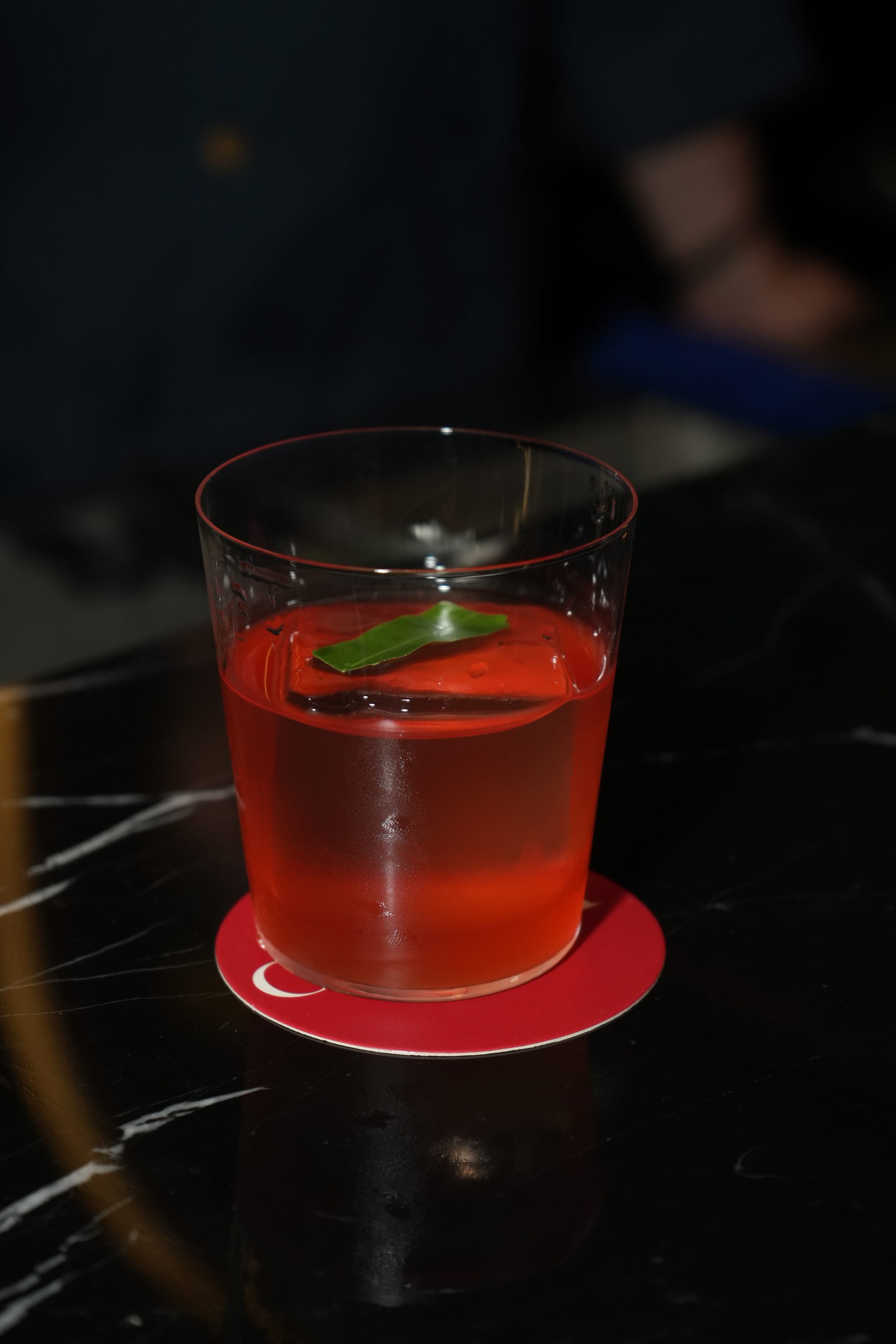
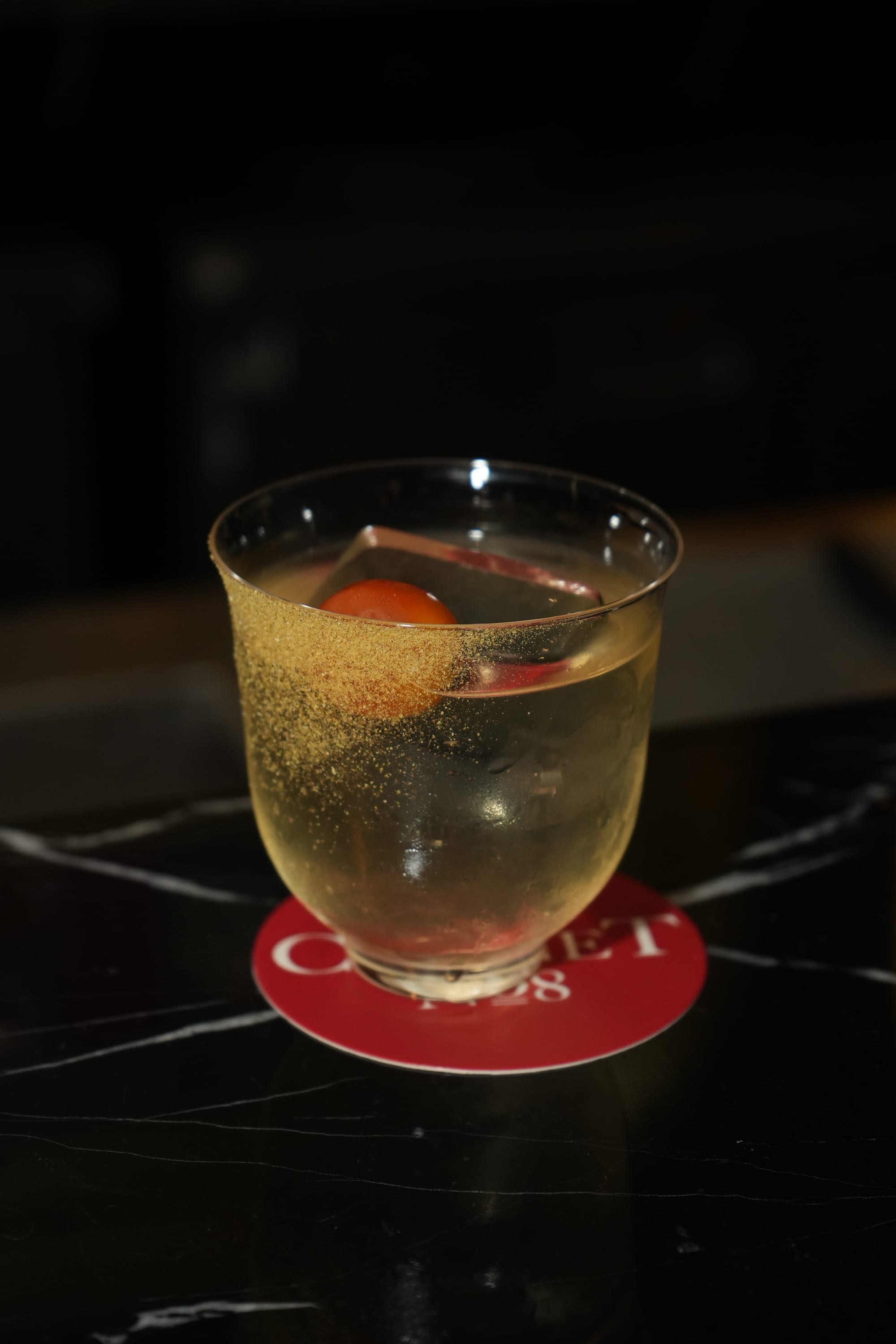
Cabinet 8's cocktails illustrated this particularly well. Compared to many contemporary Filipino signatures, which often feature long ingredient lists and extensive processing techniques, the Malaysian team's drinks felt comparatively restrained. Their cocktails relied on fewer components and leaned heavily into aroma and olfactory experience. The emphasis was not necessarily on demonstrating complexity but on directing attention toward a specific sensory effect: how the smell of mango rind is distinct from the pulp, how salted egg yolk preps the mouth to receive flavor, how jasmine is both a tea and a flower, how curry leaf transitions from pungent to floral across sips.
Neither approach is inherently superior. They simply reflect different schools of thought.
And that's precisely what makes guest shifts valuable.
When bartenders encounter approaches different from their own, ideas begin to migrate. A Filipino bartender might discover the power of restraint. A visiting bartender might leave impressed by the technical ambition common in Manila's cocktail scene. Techniques, ingredients, and philosophies cross borders alongside the people carrying them.
Viewed through that lens, the question of who benefits becomes easier to answer.
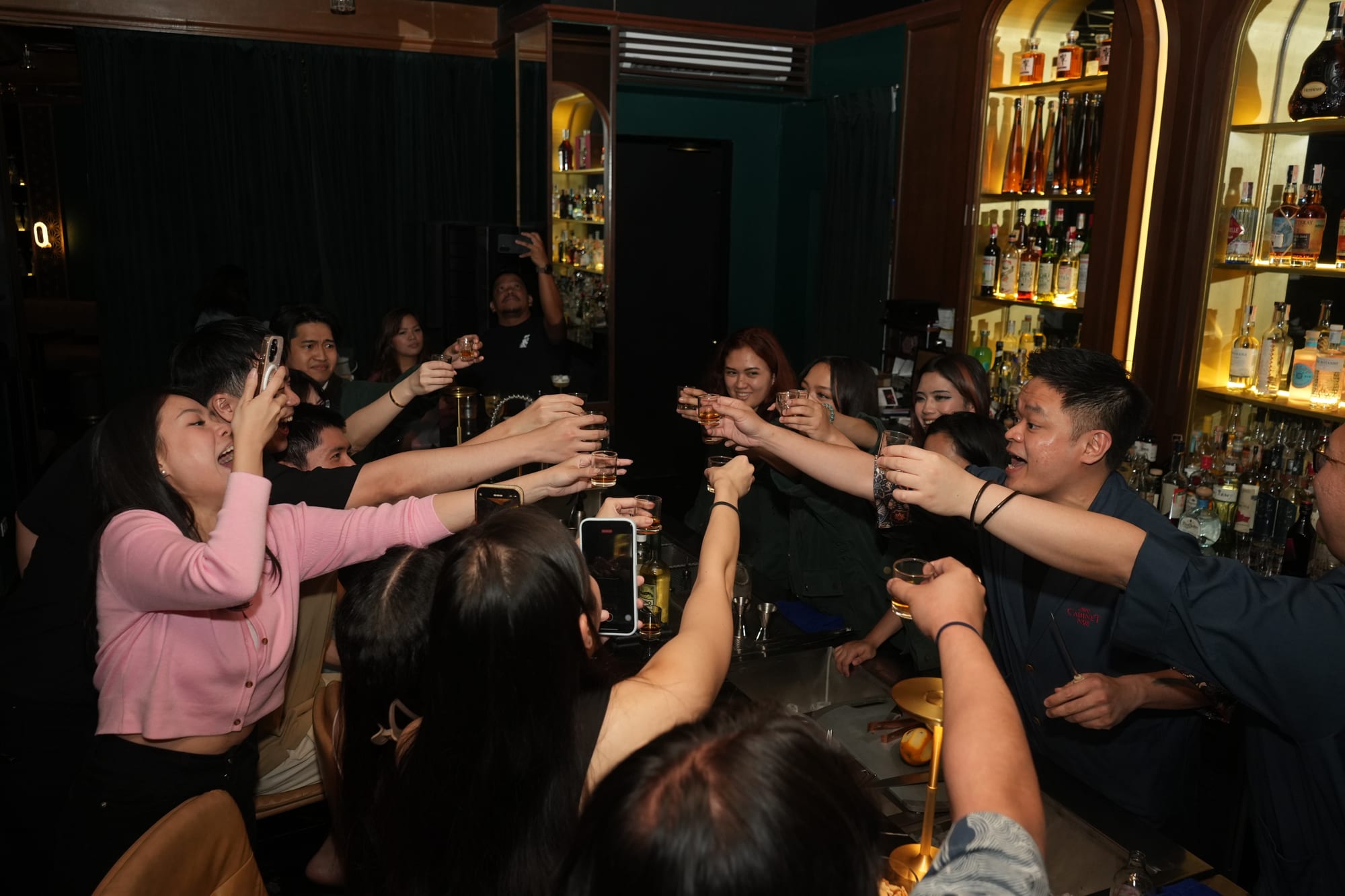
The host bar gains knowledge. The visiting bar gains visibility. Bartenders gain inspiration. Industry observers gain context. Both bars benefit from increased exposure and accessibility with regard to rankings and awards.
Most importantly, guests gain access to a moment that would otherwise require a plane ticket.
For one evening, Kuala Lumpur came to Makati.
And perhaps that's the true value of a guest shift. Not that it convinces every patron to book a flight, nor that it instantly creates a new crop of regulars, but that it allows ideas to travel. Guess what? In an industry called hospitality, receiving and being guests is the most valuable currency of all.
Everybody wins.
Especially the people who show up.
ALSO READ:
Everything Is a Remix: Oto’s New Menu Cures the Loneliness Epidemic
Welcome to blank_space: Like Any Real Love, This Bar's Menu Is Ever Changing
Craft cocktails, social justice, books, board games, and TTRPG. Chopsuey.
View More Articles About: