Mindanao Named 'Most Promising' Region in Global Halal Tourism
Officials emphasize that Halal tourism is about more than just numbers—it’s about deepening historic cultural and faith-based connections.

Published on Jun 30, 2026
The Philippines is gaining a reputation as a preferred destination for Muslim travelers, climbing to the fifth spot among non-members of the Organization of Islamic Cooperation (OIC) in the 2026 Mastercard CrescentRating Global Muslim Travel Index (GMTI). The country ranked eighth in the previous year.
Supporting this growth is a significant expansion in local infrastructure. There are now approximately 70 Halal- or Muslim-friendly establishments across the country—a four-fold increase since the Department of Tourism (DOT) initiated the Philippine Halal Tourism Project a decade ago.
A Market of Two Billion
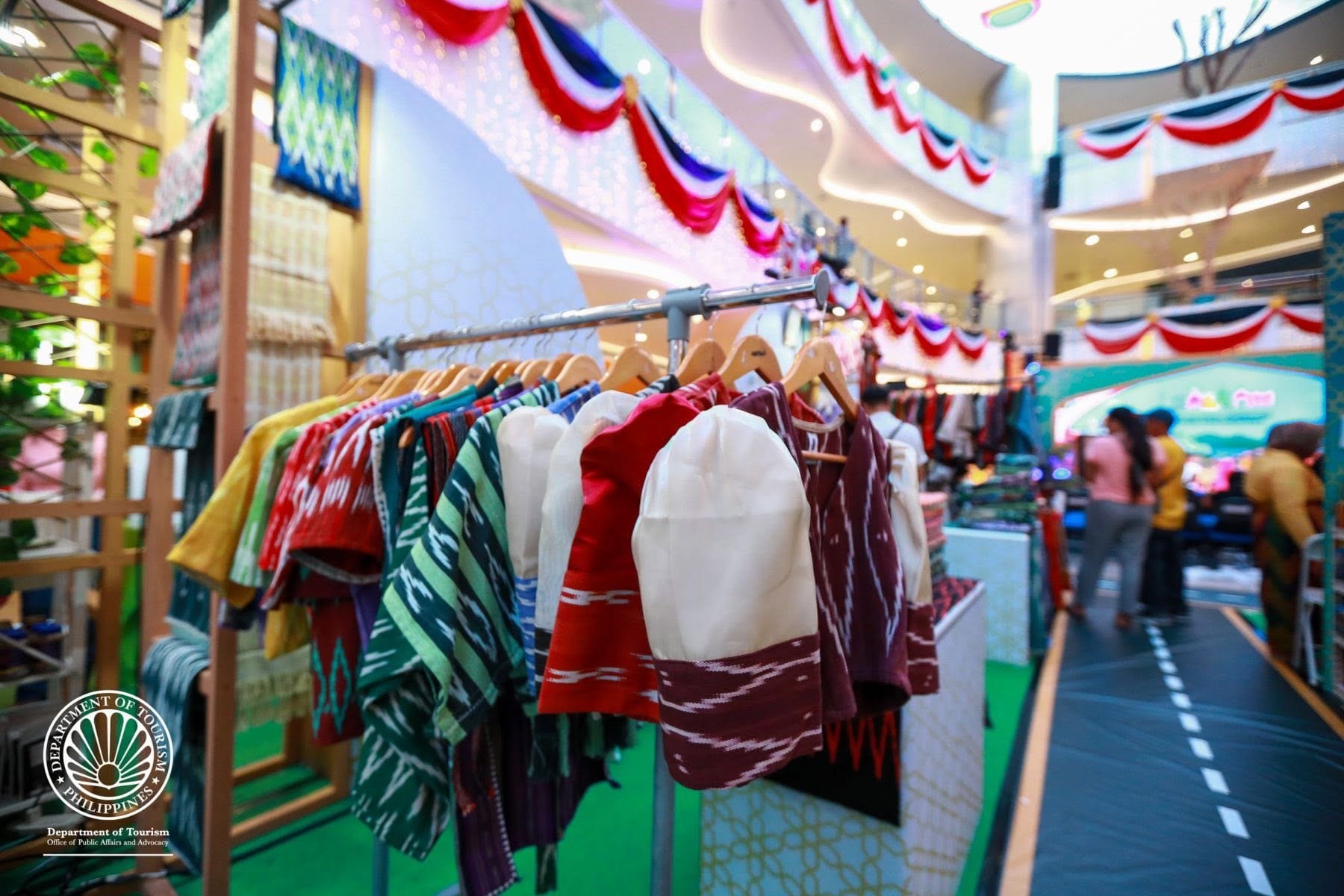
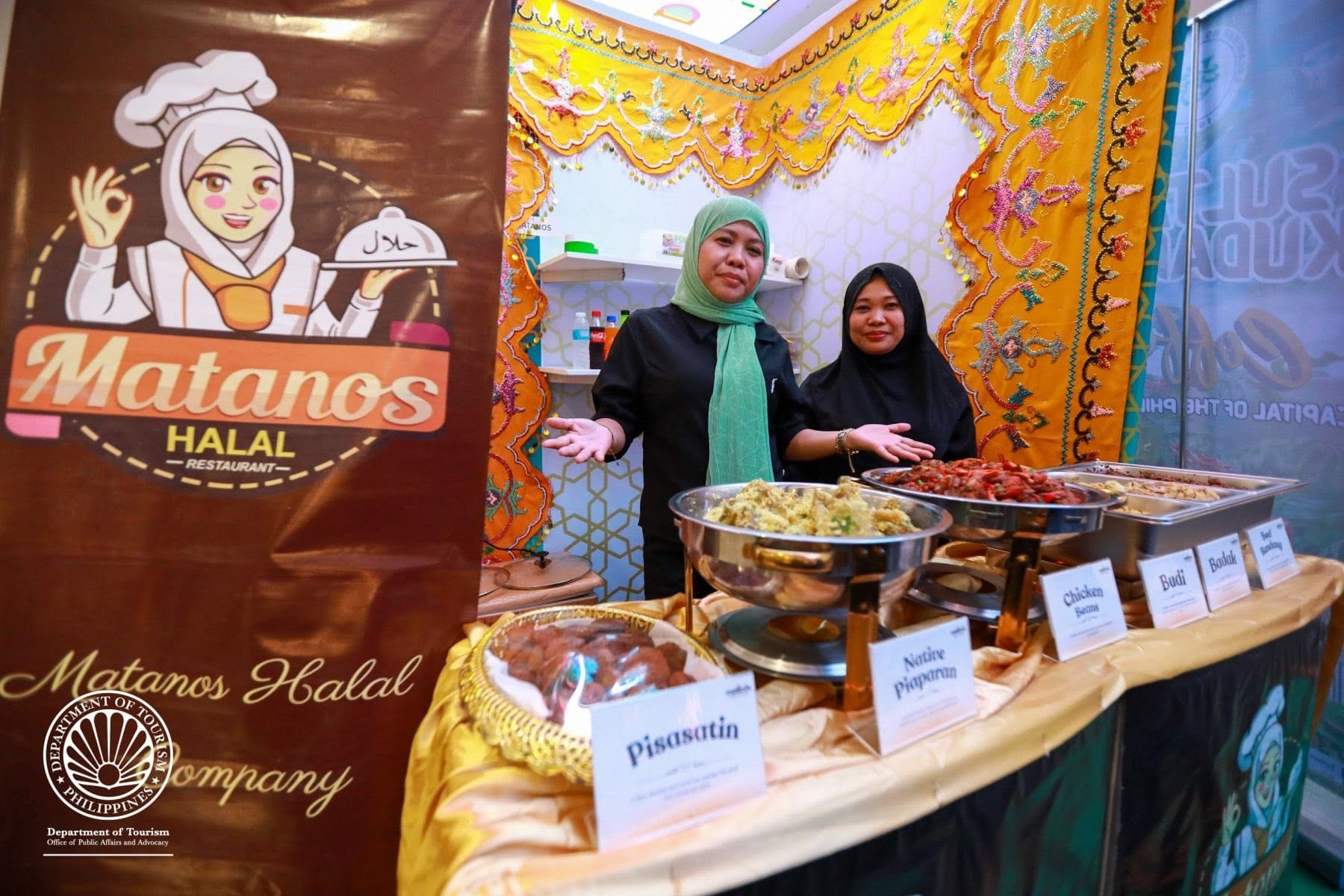
During the Salaam: The Halal Tourism and Trade Expo Philippines 2026 held at Gateway Mall 2 on June 19, Acting Tourism Secretary Ma. Bernadita Angara-Mathay emphasized that the Philippines is moving past viewing Halal tourism as merely a niche market.
"It is a major opportunity. It is not a niche, not a side market, but a growing global economy that we are now engaging more deliberately," Angara-Mathay noted. She further highlighted that the initiative is rooted in heritage, noting that the shared ties of faith, culture, and trade between the peoples of Mindanao, Sulu, and their neighbors in Brunei, Malaysia, and Indonesia predate "modern borders and formal institutions."
The DOT’s strategy for elevating the visitor experience includes intensive worker training, the establishment of clear Muslim-friendly accommodation standards, and a broader rollout of Halal-certified dining. Current efforts often involve hotels installing Qibla markers, providing Korans in rooms, and creating dedicated prayer spaces. Some destinations have pushed for specialized amenities, such as the private Marhaba Beach for Muslim travelers in Boracay.
Market Performance and Regional Recognition
Data from the DOT indicates that the Philippines welcomed 202,995 visitors from OIC member states in 2025, a year-on-year increase of 1.24 percent. While Malaysia remains the leading source market with 104,989 arrivals (up 2.43 percent), the sector saw a massive surge in interest from Bangladesh, which saw arrival figures jump by over 112 percent.
The country’s efforts have not gone unnoticed by the global community. Beyond its high overall ranking in the 2026 GMTI, the Philippines was named one of the Top 10 destinations for Communications, and Mindanao was distinguished as the "Most Promising Muslim-Friendly Region" among non-OIC nations.
Strengthening Regional Partnerships
The importance of this growth was underscored by Malaysian Ambassador to the Philippines, Melvin Castelino, who highlighted the massive scale of the global halal economy. Projected to reach US$3.4 trillion in 2026, the sector encompasses pharmaceuticals, cosmetics, and food, alongside travel.
"Every time the Philippines wins an award in halal tourism, Malaysia is proud,” Ambassador Castelino said. “I assure you that Malaysia will continue to stand behind you in supporting you in growing this industry.”
Industry reports from Mastercard CrescentRating reinforce the potential of the Asian market. In 2024, Asia drew roughly 120 million Muslim visitors, accounting for 65 percent of the 176 million global Muslim arrivals.
ALSO READ:
How a Muslims-Only Beach in Boracay Came to Be
A Culinary Tour of Zamboanga, Basilan, and Tawi-Tawi at Hapag
View More Articles About: