Why Vietnam Is Betting Big on the Filipino Traveler
AirAsia's new connectivity from Manila to Hanoi and to Da Nang serves as a key pillar in Vietnam's strategy to reach 25 million arrivals by 2026, positioning the Philippines as a priority market.

Published on Apr 22, 2026
Data from the Department of Tourism shows a total of 394,739 outbound travel to Vietnam by Philippine residents, making it the ninth most-visited country by Filipino travelers with a growth rate of 82.65 percent versus 2024. In addition, 2026 numbers indicate a total of 134,245 Filipino travelers headed to Vietnam from January to March, as The Land of the Rising Dragon climbs to the fifth spot in the Philippines' list of favorite destinations. So it doesn't come as a surprise that low-cost carrier (LCC) AirAsia boosted its Southeast Asian network with new routes to Vietnam: Manila to Hanoi and Manila to Da Nang that both commenced on March 20. This is good news for Vietnam, which aims to reach 25 million international arrivals by 2026, with the Philippines seen as a priority market.
"In this regard, AirAsia as a dynamic and highly adaptable low-cost carrier plays a very important role. With its extensive regional network and competitive pricing model, AirAsia helps us reach new and fast-growing traveler segments, particularly younger travelers, group travelers, and independent tourists. These segments are increasingly influential in shaping travel demand across Southeast Asia. At the same time, the presence of LCCs contributes to diversifying travel options, making Viet Nam a more accessible and appealing destination," Nguyen Thi Hoa Mai, Vice Chairwoman of Viet Nam National Authority of Tourism (VNAT), tells Esquire Philippines.
"We believe stronger engagement from airlines like AirAsia not only supports connectivity but also reinforces our broader objective of positioning Viet Nam as an easy-to-reach, vibrant, and competitive destination in the region."
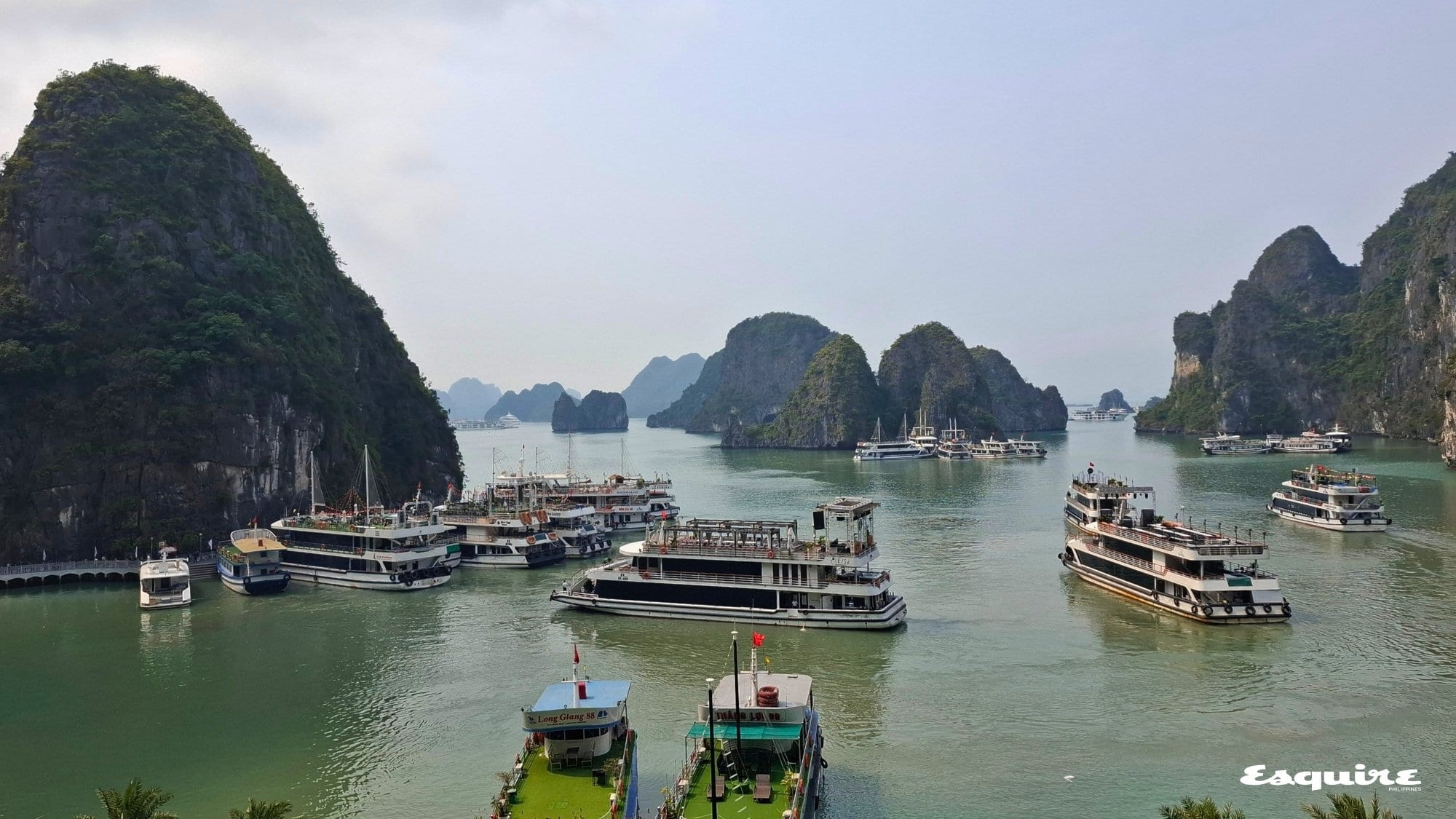
Hạ Long Bay: Vietnam's Claim-to-Fame
Hạ Long Bay in Quảng Ninh province remains to be a big deal in Vietnam's tourism landscape. It's less than three hours away from Hanoi, making it an essential stop for any first-time visitor to the north. As a double-recognized UNESCO World Heritage Site—honored for both its aesthetic beauty and its geological significance—it is a bucket-list destination, which naturally means it is often teeming with international travelers.
The bay's expanse is overwhelming, covering an area of 1,553 square kilometers and boasting over 1,600 limestone karsts and isles scattered across the emerald waters of the Gulf of Tonkin. Passing through the labyrinth of stones feels like a scene from a high-budget fantasy film, especially at sunset when the yellow-orange glow from the sun makes silhouettes of the islands—almost making you forget about Hạ Long Bay's problem of overtourism.
Currently, over 500 cruise boats operate within the bay daily, offering everything from accessible four-hour day trips to luxury multi-night stays. Most of these vessels depart from the Tuan Chau International Marina, while large international cruise ships are found at the Ha Long International Cruise Port.
And when the ship docks at any of the stopovers, the crowd density becomes an unavoidable reality. The majesty of Hang Sửng Sốt (Surprise Cave) is eclipsed by the throngs of tourists slowly climbing the 100 stone steps to the entrance, perched 25 meters above sea level. Inside, the interior reaches heights of approximately 30 meters, while a paved 800-meter pathway ensures that visitors navigate safely through its massive chambers of stalagmites and stalactites.
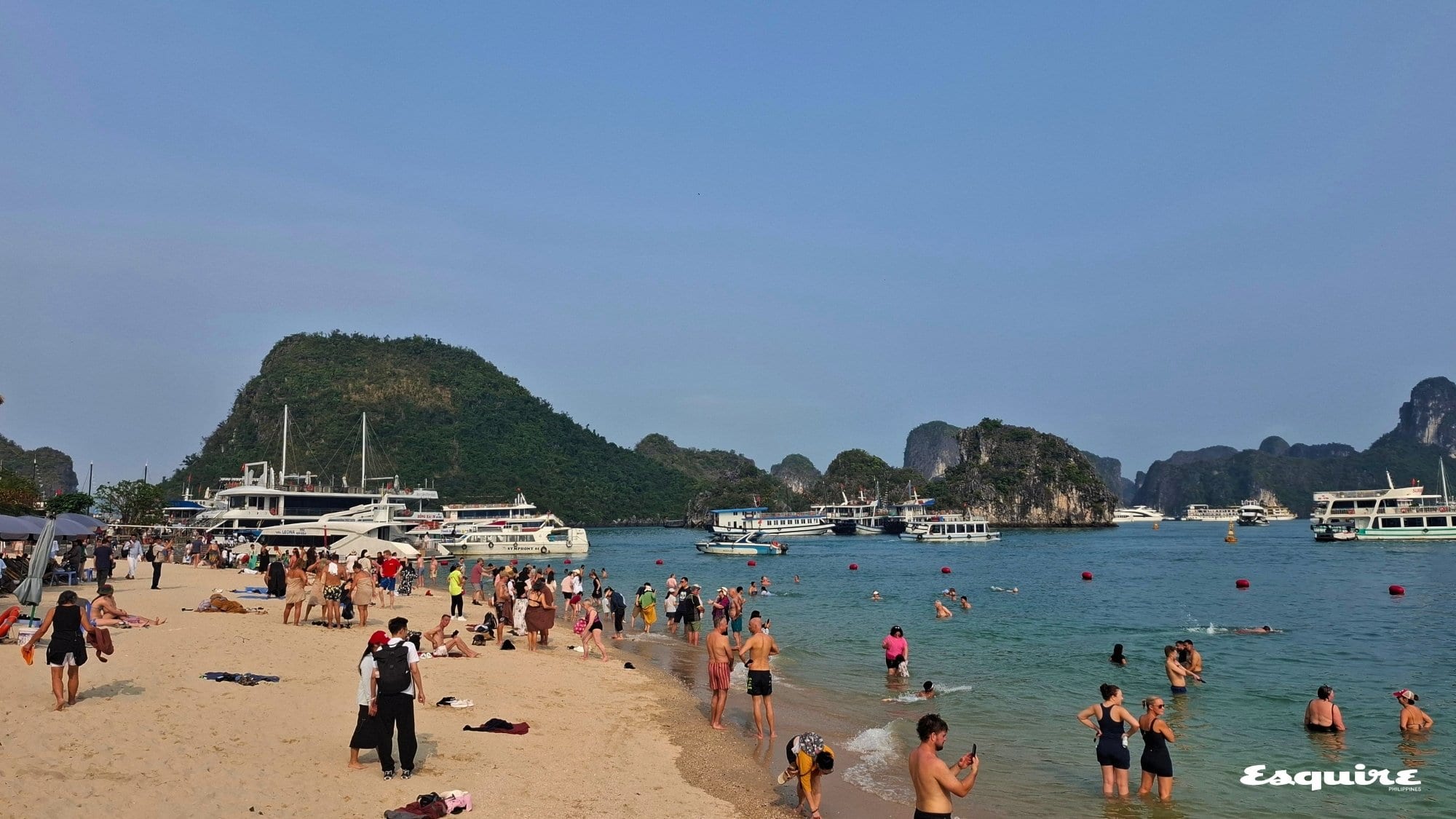
Ti Tốp Island offers a similar paradox. It is famous for its picturesque, crescent-shaped beach, where tourists are encouraged to take a dip—all while trying to avoid incoming ships. For those opting out of the water, a narrow stone staircase leads to a summit viewing deck that offers a 360-degree view of the surrounding karsts, though the climb itself is often a shoulder-to-shoulder traffic.
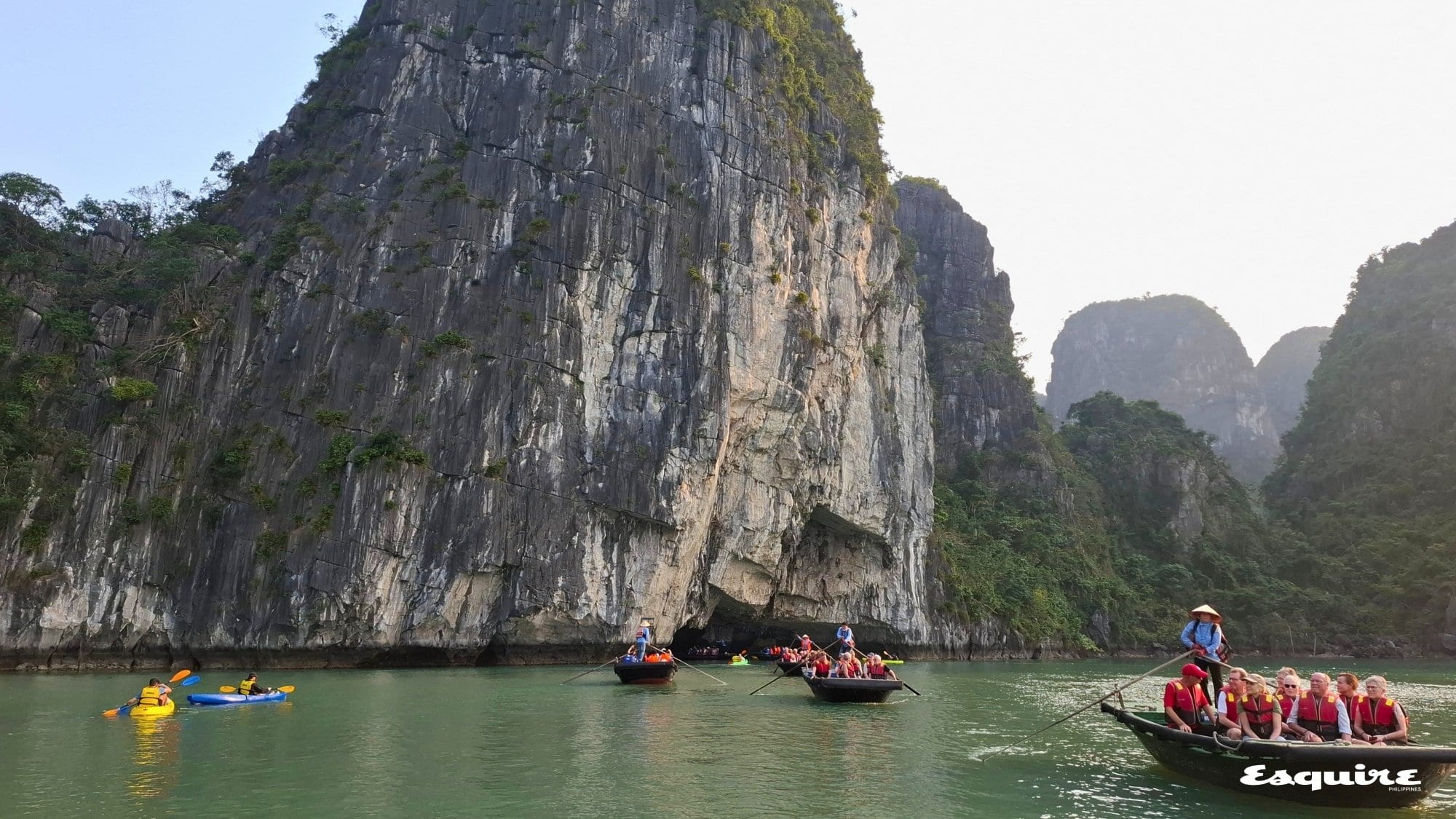
The last stop, Hang Luon (Luon Cave), fortunately, provides a more calming sight. Tucked away within a circular stone mountain, this tunnel cave is accessible only by small bamboo boats or kayaks. The low-hanging limestone archway separates the chaos of the ships and the still unspoiled sanctuary within. Here, a macaque hangs out on a bare tree that's perched on a cliff, Black Kites soar overhead, and the occasional heron dives into the water for fish. It is a glimpse of the pristine Hạ Long that existed before it became a global sensation.
Ensuring that these quiet pockets don't disappear requires a fundamental shift in how the country manages its landmarks. As Nguyen explains:
"Addressing overtourism is a priority for us, particularly in iconic destinations such as Ha Long Bay (under Quang Ninh province). In Quang Ninh province, the approach has been to shift from quantity-driven growth to quality-oriented development.
First, there is a strong focus on diversifying tourism products, enhancing the depth of cultural experiences, and increasing the overall value of each visit. This helps reduce pressure on core sites while encouraging visitors to explore a broader range of experiences.
Second, we are strengthening regional connectivity within the province, redistributing visitor flows to surrounding destinations, and thereby reducing congestion in high-traffic areas. This also allows tourism benefits to be shared more widely across local communities.
Third, destination management and promotion are being conducted in a more strategic and balanced manner, with the aim of avoiding both overtourism and strong seasonality. This includes better planning, visitor flow management, and targeted marketing."
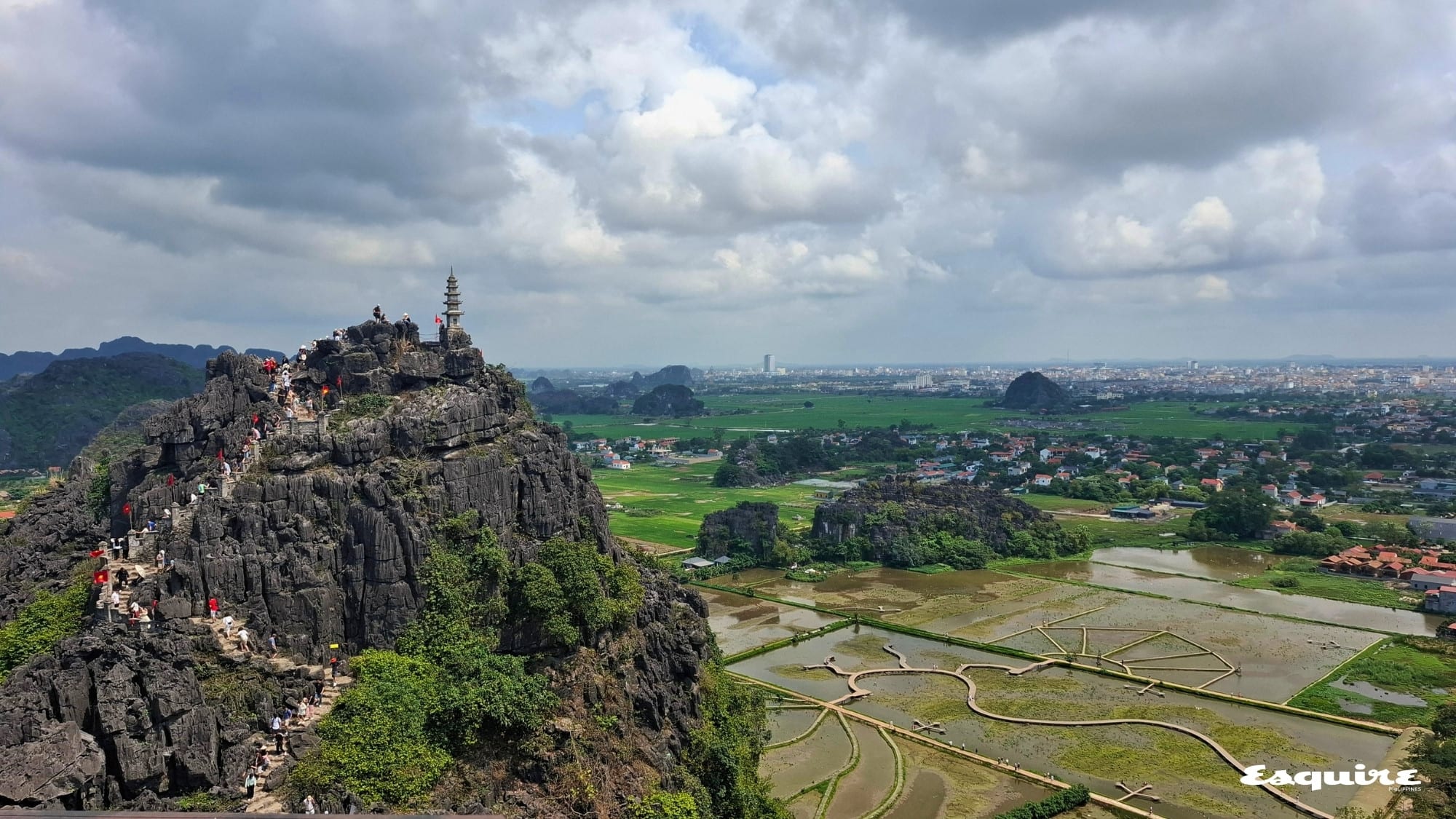
Ninh Bình Province: The Next Green Destination
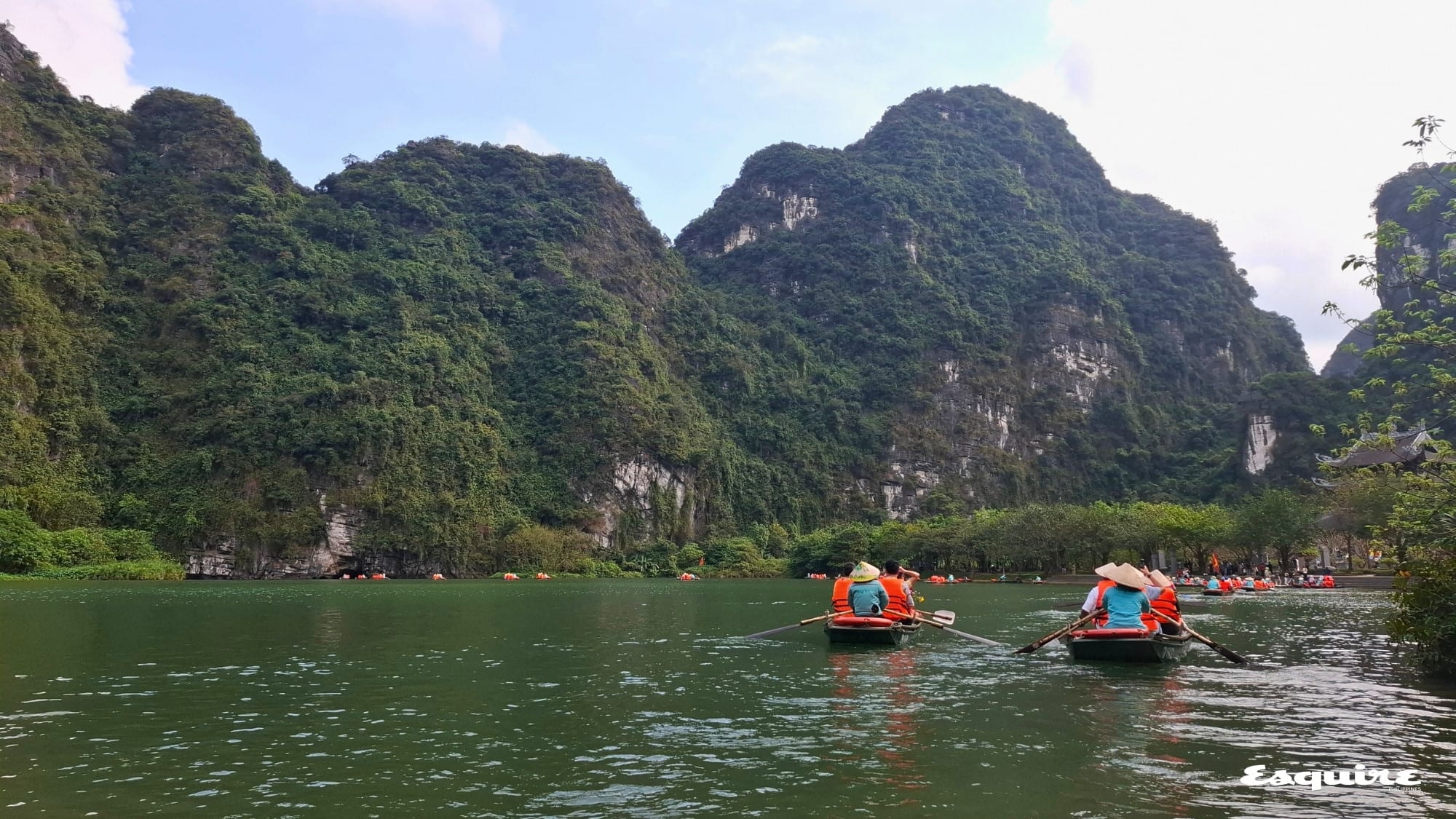
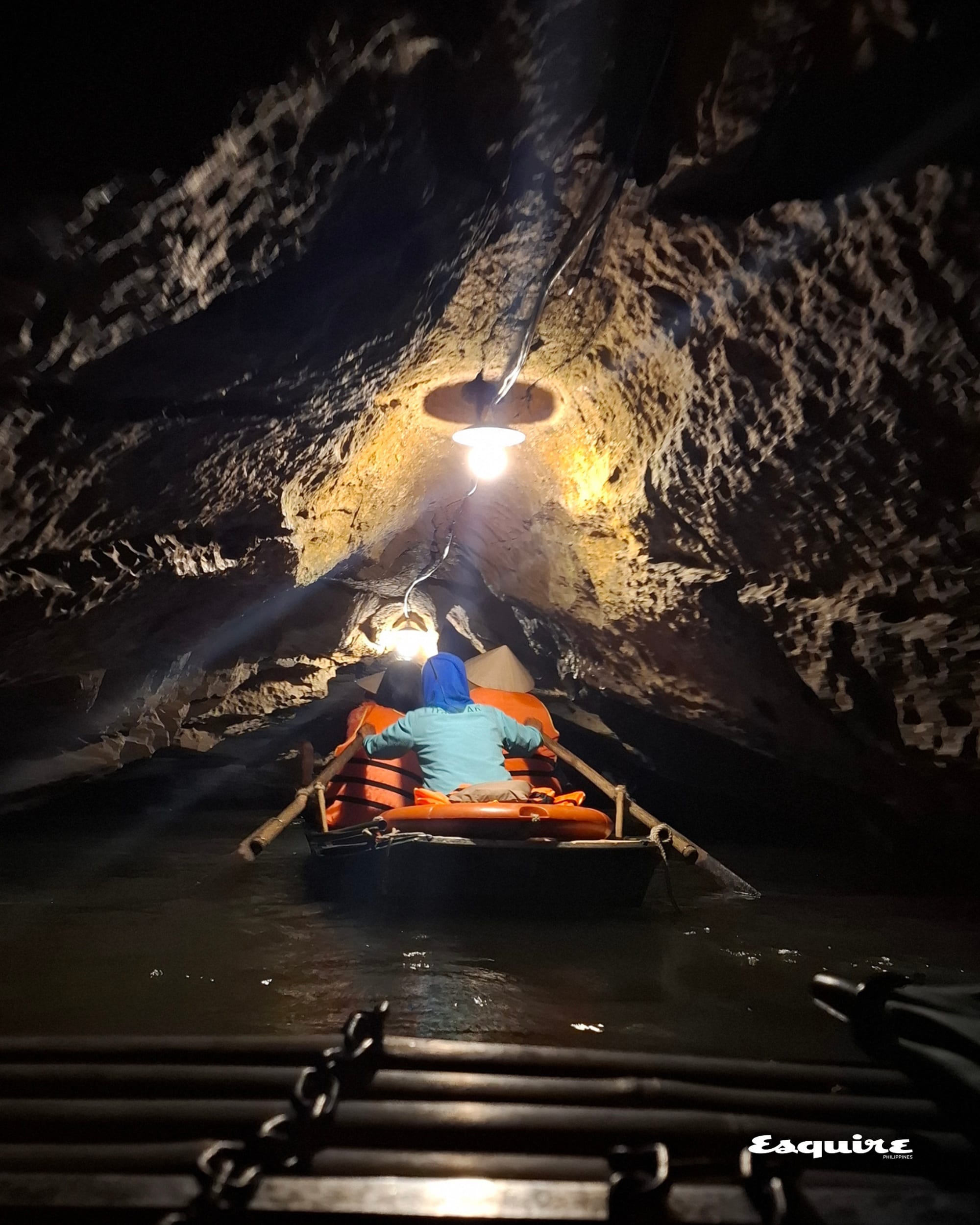
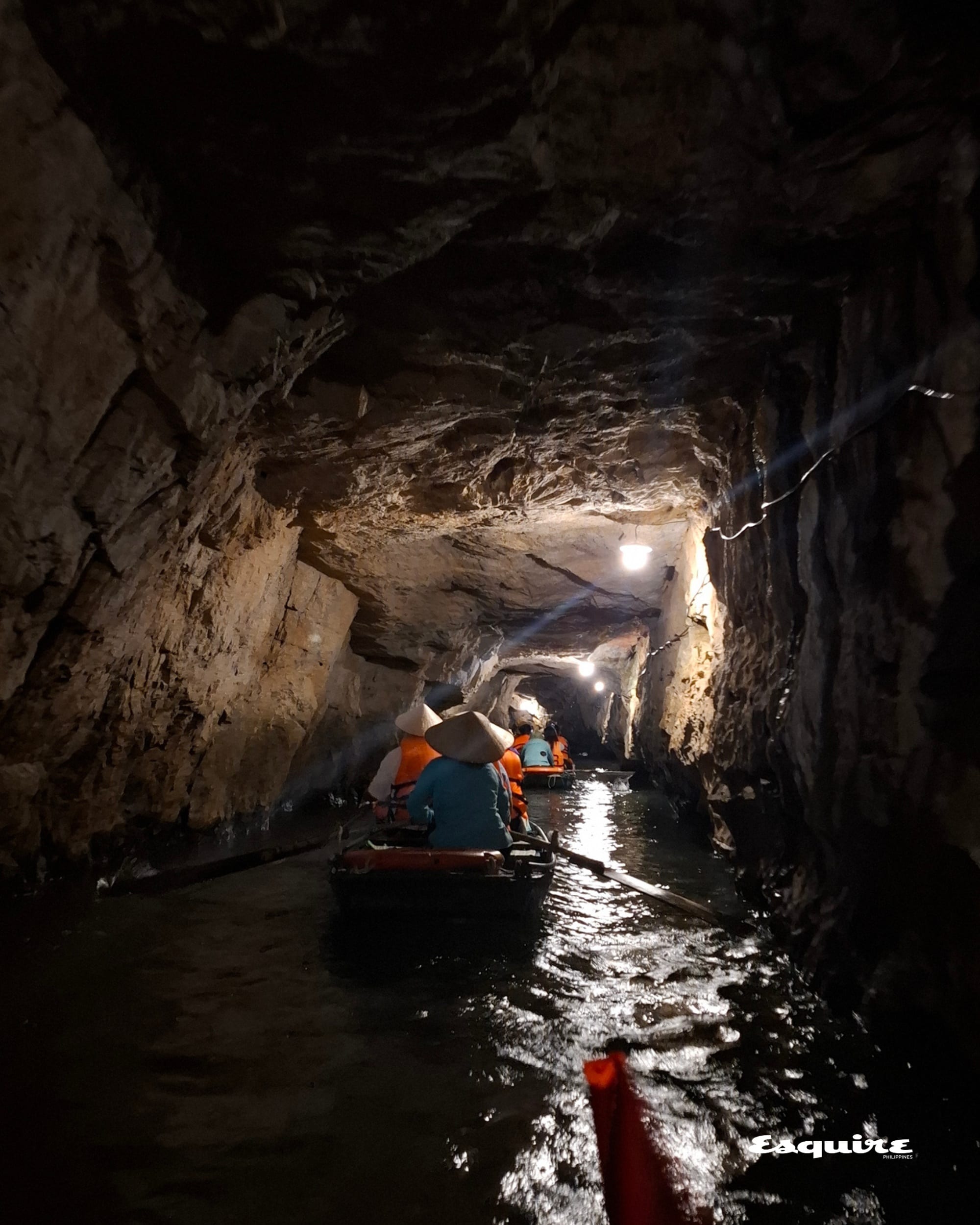
Also less than three hours away from Hanoi, Ninh Bình Province is an off-the-beaten-path destination that's well worth the land travel. It's regarded as "Hạ Long Bay on Land," but instead of overcrowded cruise ships, you have small wooden sampans paddled by the locals through the winding river and underground caves of Tràng An. Still, like Hạ Long Bay, Tràng An Landscape Complex is also a UNESCO World Heritage Site, boasting a "spectacular landscape of limestone karst peaks permeated with valleys, many of them partly submerged and surrounded by steep, almost vertical cliffs," its UNESCO description reads.
Tràng An's landscape is best seen from the summit of Núi Ngoạ Long (Lying Dragon Mountain) within the Hang Mua (Mua Cave) Complex. The climb takes about 30 minutes and 500 steep stone steps, with each step posing a challenge for the short-legged. Somewhere along the way, you have to choose between climbing the left or the right karst; it's important to go left for a view of the river flanked by rice fields.
Ninh Bình represents the new Vietnam—one that leans into experiential and green tourism. Learning from the pitfalls of Hạ Long Bay, VNAT is taking a preemptive strike.
"For Ninh Binh, we are taking a proactive approach to ensure sustainable development from the outset," Nguyen says. "The province is steadily improving service quality, while tourism businesses are actively innovating and diversifying their products. At the same time, there is a strong emphasis on enhancing the professionalism and skills of tour guides and tourism workers. Together, these efforts contribute to building a tourism environment that is not only attractive, but also safe and sustainable, helping to prevent the negative impacts of overtourism before they emerge."
Navigating the Global Economic Crisis
While the beauty of Ninh Binh is a draw, the ongoing global oil hike affecting airfares and local transport costs worldwide could be a challenge for the Filipino traveler. When asked how VNAT plans to sustain growth despite these external economic pressures, Nguyen points to a strategy that favors stability over temporary subsidies.
"Our approach is anchored in strengthening Viet Nam’s core value proposition, being a safe, stable, and attractive destination in an increasingly uncertain world," she tells Esquire Philippines.
"Today, safety has become a decisive factor in travelers’ choice of destination. In this context, Viet Nam holds a clear competitive advantage. With a stable political environment, strong public security, and effective risk management, visitors can travel and experience the country with a high level of confidence.
At the same time, Viet Nam’s appeal lies in the richness and diversity of its tourism resources and cultural identity. Trends such as experiential tourism, green tourism, and authentic local exploration are further enhancing the attractiveness of many destinations across the country."
She notes that while VNAT does not directly mandate tax breaks for airlines, they work tirelessly with stakeholders to improve visa policies and expand air connectivity. "In a context where global travel costs are rising, destinations that are 'easy to reach' have a clear advantage, and Viet Nam is well positioned in this regard. We are strengthening our promotion efforts through a more focused, professional, and digitally driven approach, leveraging public-private partnerships under the spirit of 'synergy and breakthrough.'"
But more importantly, VNAT's efforts go beyond filling the inbound flights or hitting the 25-million arrival quota. It's about emotional resonance, one that inspires them to come back.
"More than anything, we hope that every traveler leaves Viet Nam with a lasting impression of a country that is safe, friendly, and truly memorable," the representative says.
"We want Viet Nam to be seen not just as a destination to visit once, but as a place to return again. Whether it is for new experiences, deeper exploration, or simply to reconnect with what they have come to appreciate, our goal is to create a lasting emotional connection. In that sense, the most meaningful outcome for us is when visitors leave not only with beautiful memories, but also with the desire to come back, and to share their experiences with others."
AirAsia now operates four weekly flights to Hanoi and four weekly flights to Da Nang every Monday, Wednesday, Friday, and Sunday, with afternoon to evening departure schedules.
"Tropical Day Cruise: Ha Long Bay & Lan Ha Bay, Cat Ba Island Tour" is available on Klook for P2,300+ (inclusive of a lunch buffet).
"Best of Ninh Binh Day Tour" is available on Klook for P2,600+.
ALSO READ:
Sri Lanka Travel Guide: A Journey Through Ancient Kingdoms, Vast Safaris, and Scenic Hikes
Jeju, South Korea: The Island Forged Twice by Fire
Christa I. De La Cruz is a Palanca Award-winning writer with over 15 years of experience in feature writing for print and digital media. She earned her Sertipiko sa Malikhaing Pagsulat sa Filipino from the University of the Philippines Diliman and holds an MFA in Creative Writing from De La Salle University.