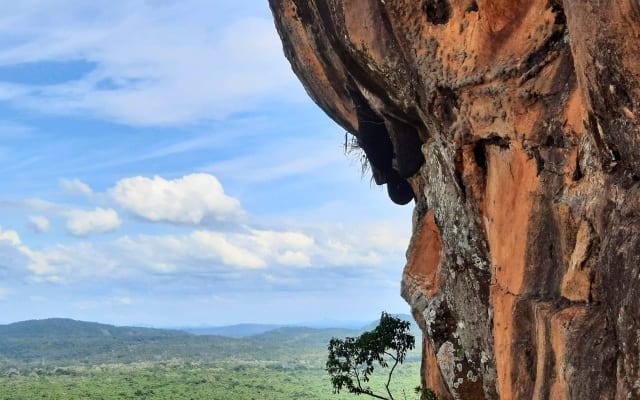
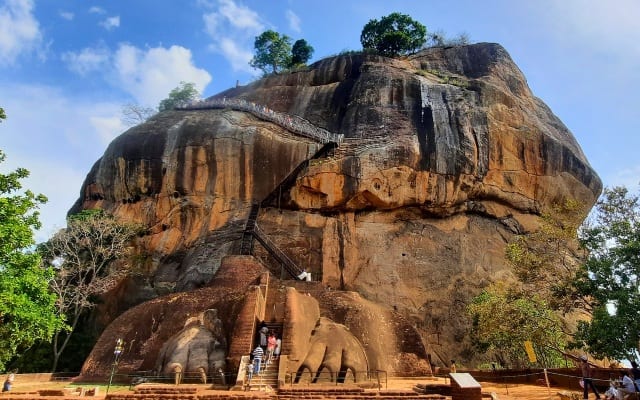
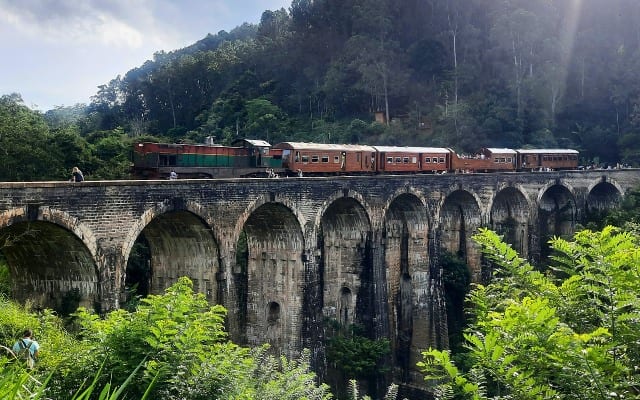
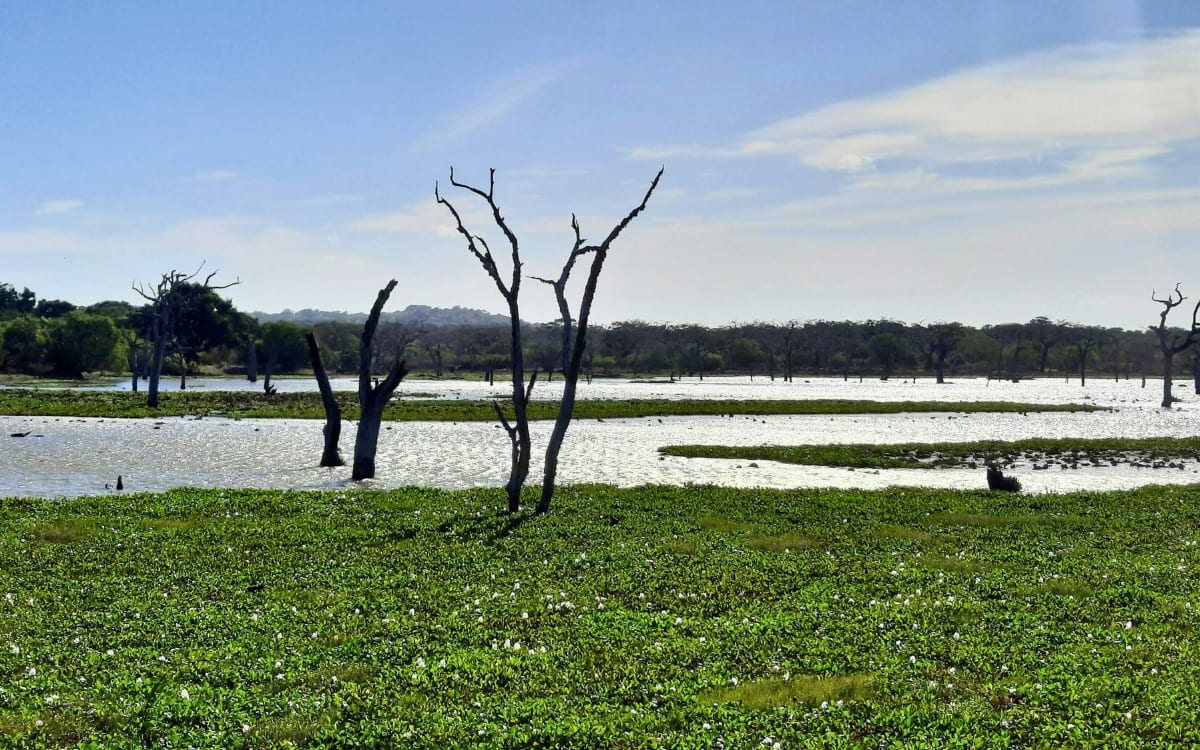
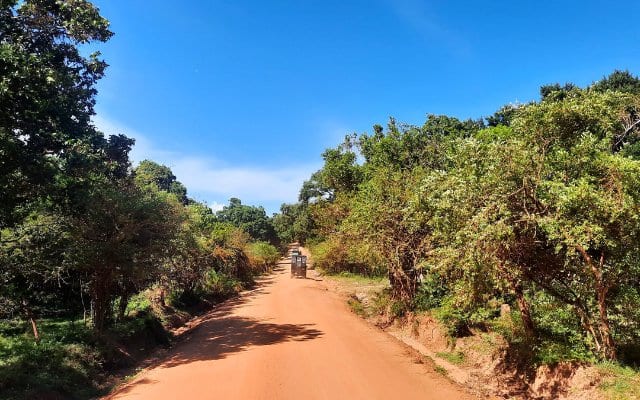
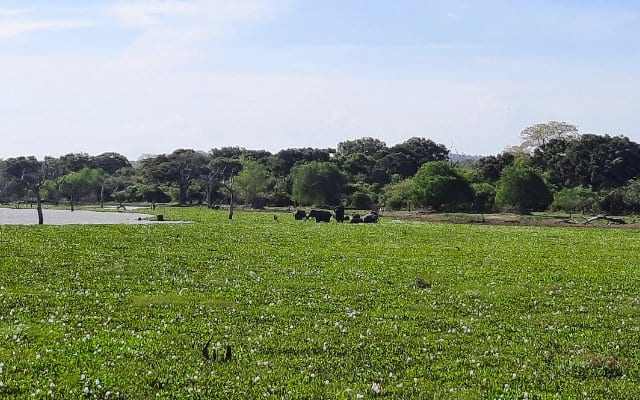
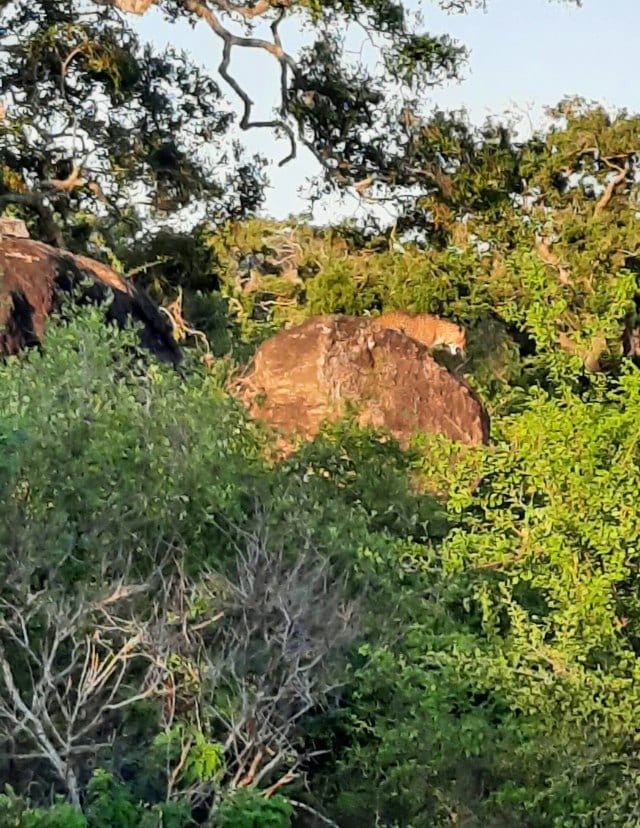
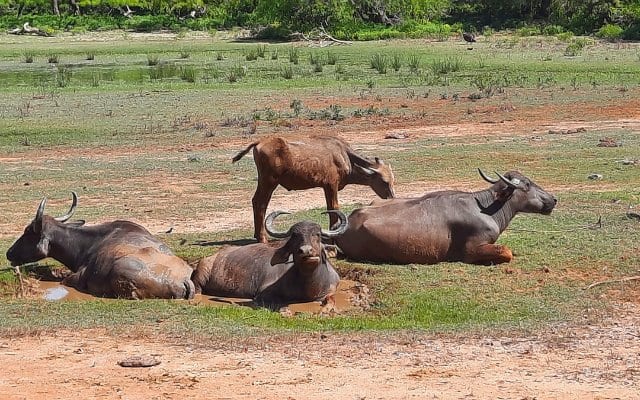
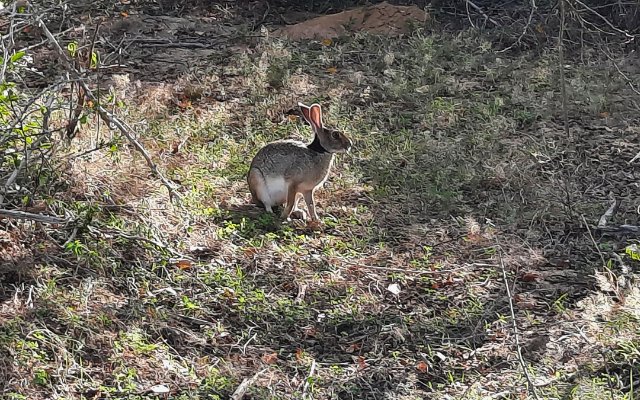
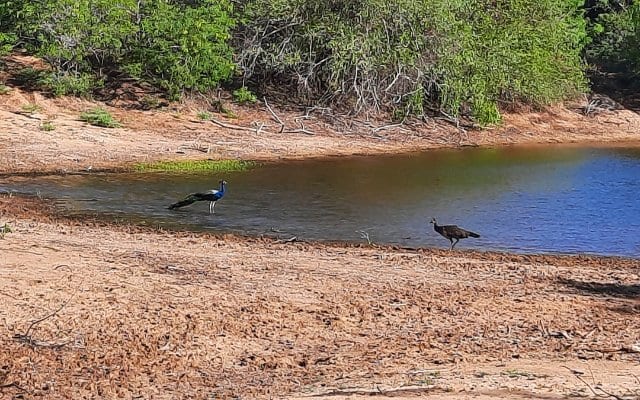
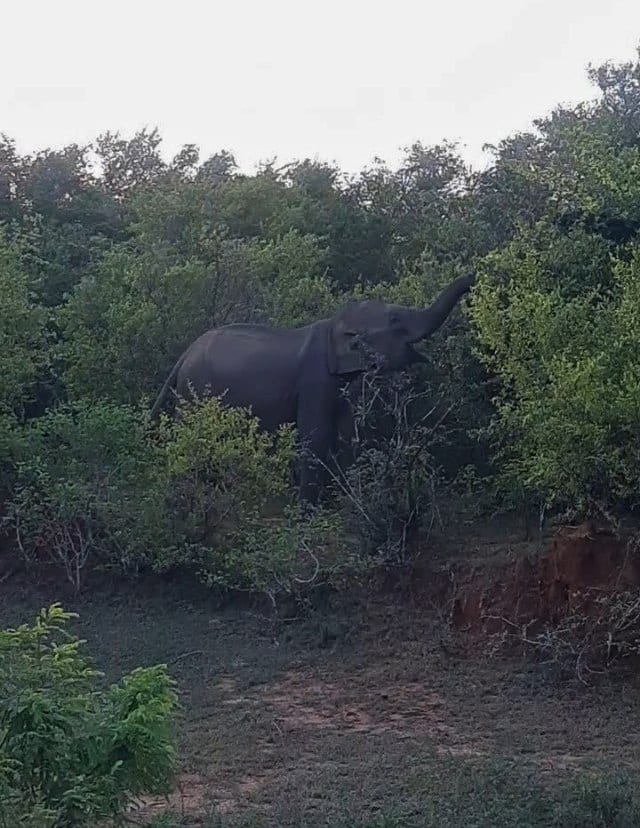
When I was told I was going to Sri Lanka, I really didn't know what was out there. A quick Google search after I had already said yes to the invitation showed that it's a lot like the Philippines with its mountains and forests—except there are elephants. I would later find out that it's not a fair description because the island nation in South Asia is so much more.
ALSO READ:
Echoes of Colonial Past: Exploring Sri Lanka’s Historical Tourist Destinations
Sri Lanka's Geography, Climate, and Environment
Sri Lanka, historically known as Ceylon, is a teardrop-shaped island in the Indian Ocean, separated from the Indian subcontinent by the Gulf of Mannar. Because it lies below the equator, the country's climate is tropical, with rainfall patterns influenced by monsoon winds: southwest monsoon ("yala") from the Indian Ocean and northeast monsoon ("maha") from the Bay of Bengal. Sri Lanka lies almost parallel to the Philippines, so their yala is our habagat, and their maha is our amihan—happening around the same months, too.
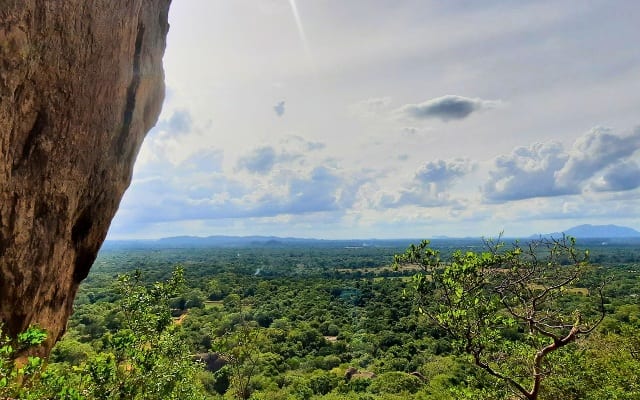
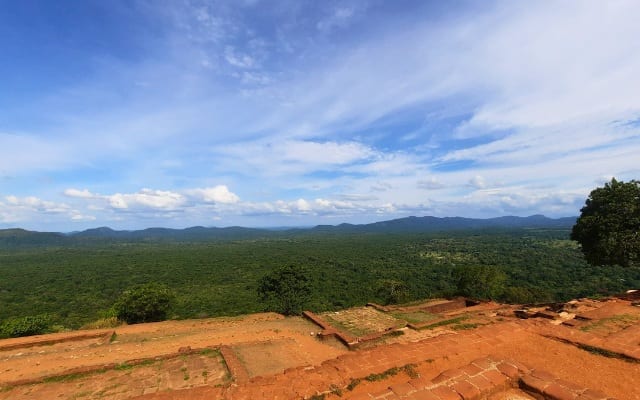
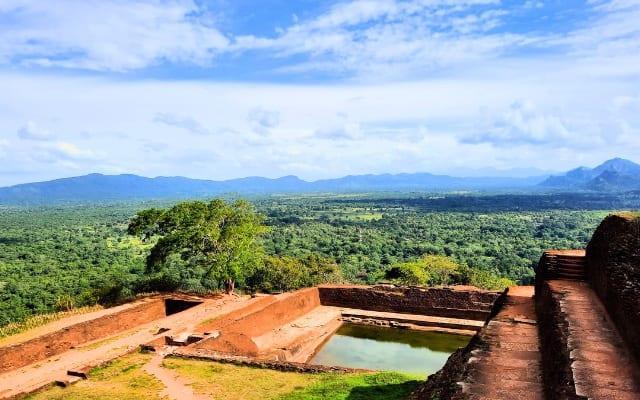
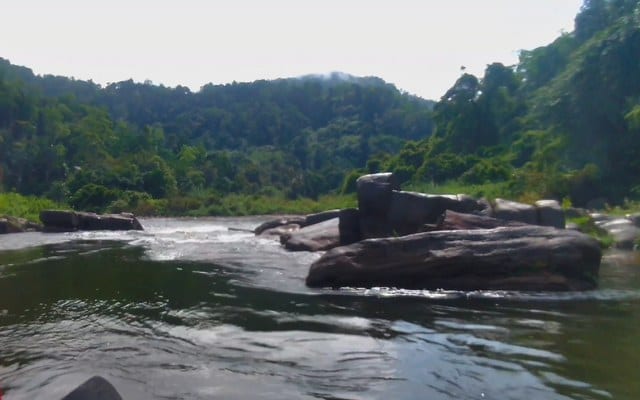
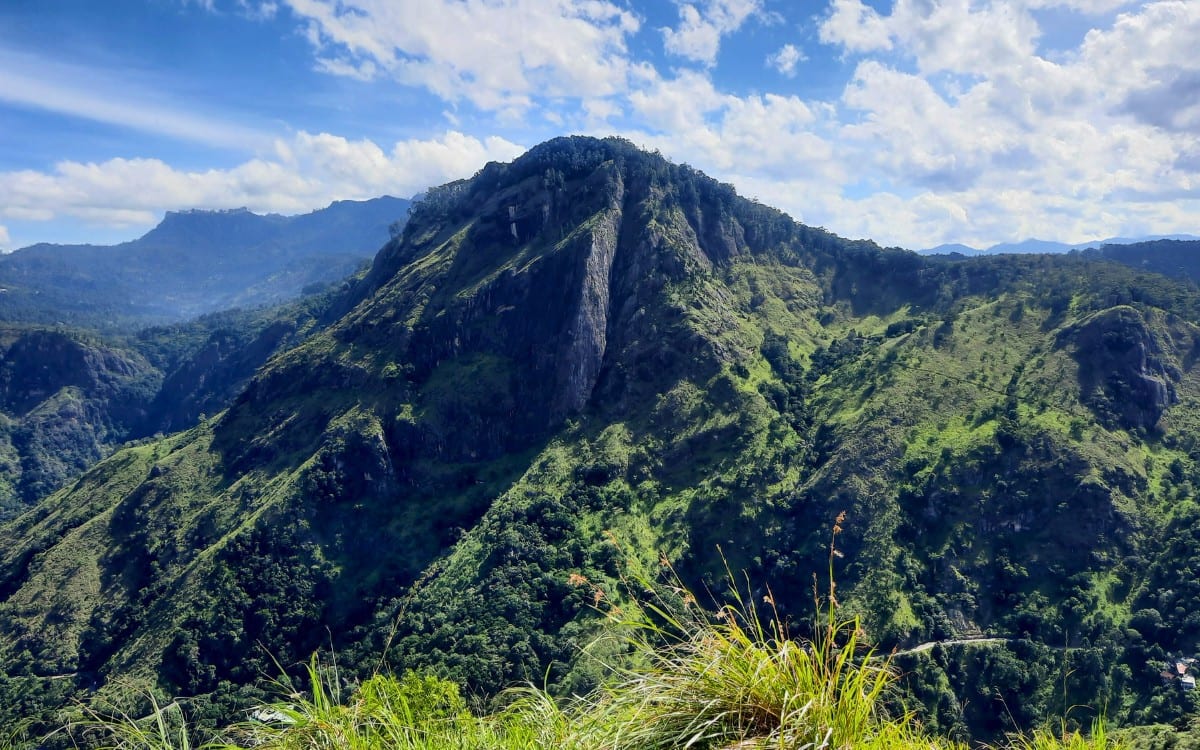
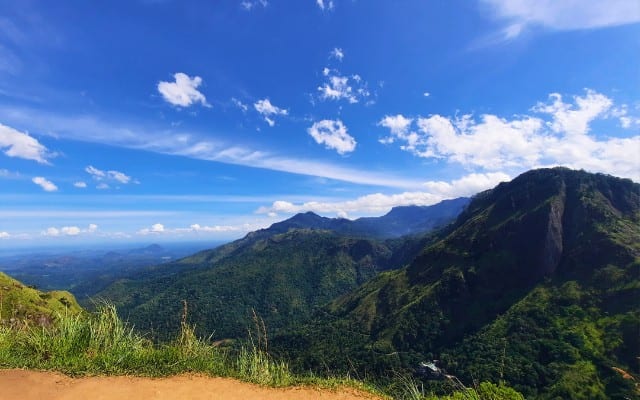
This kind of climate, much like in the Philippines, gives the South Asian country a tropical forest biome with remarkable biological diversity and a notably high number of endemic species. The around 65,000-square-kilometer island nation with mountainous interiors has several ecosystem classifications, each having its own rich flora and fauna: terrestrial, lowland rainforests, savannas, inland wetlands, coastal lagoons and estuaries, and more.
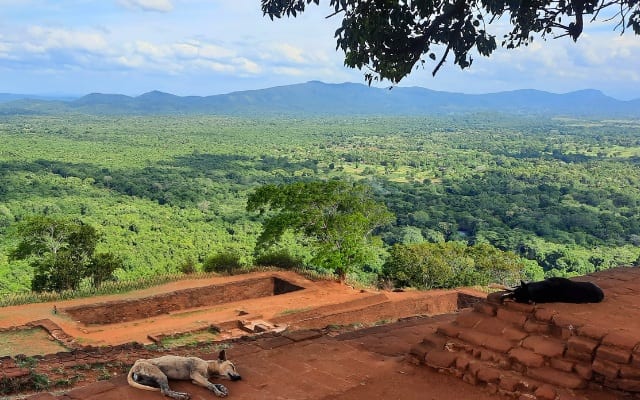
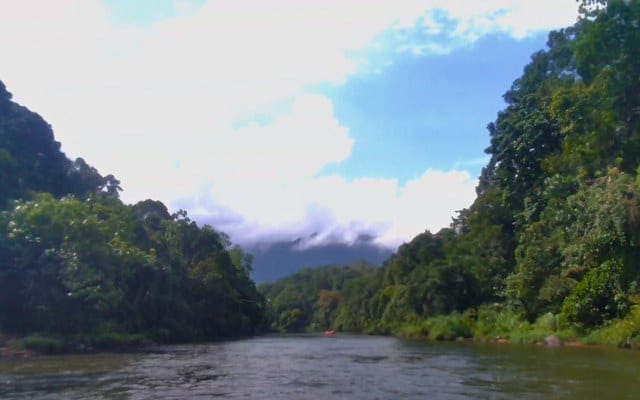
Sri Lanka's forest cover makes up 70 percent of the total land area, at least by the dawn of the 19th century, when this number has decreased progressively. Still, you can see most of its mountains covered by lush vegetation, which I can't help but compare to the Philippines' dwindling forest cover, increase in quarried hills, and obviously eroded mountains due to logging and mining.
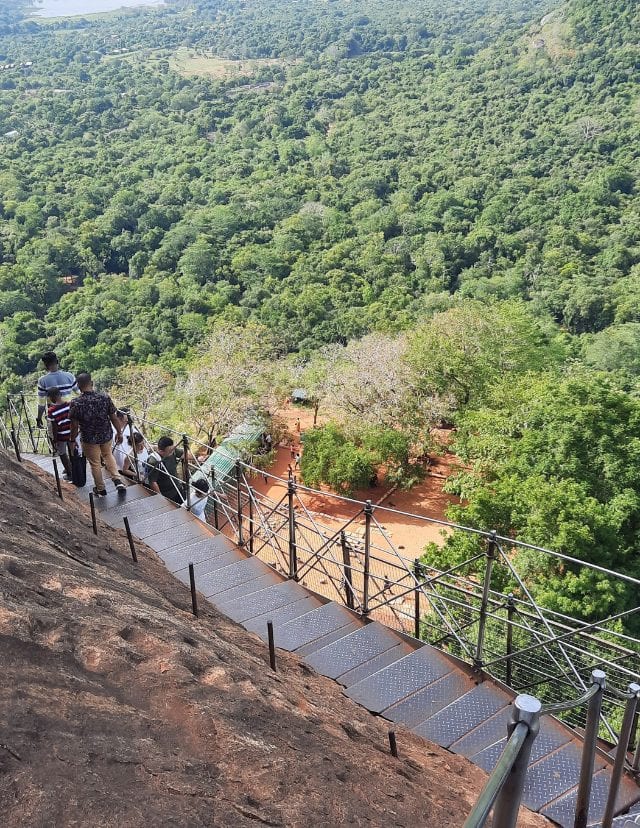
Our tour guide said that Sri Lanka's terrain remains largely intact due to significant conservation efforts, especially in their protected areas and national parks. Religion also plays a part in the country's environmental awareness, as Sri Lankans are predominantly Buddhists. The guiding principles for many believers include living simply to respect all life forms as well as balance and peace in nature. Sri Lankans also implement traditional land use practices, leading to sustainable food production. Sounds too good to be true, but breathing in fresh air while looking at dense mountain forests—at least outside the capital of Colombo and away from the cities, would make anyone want to believe in its unspoiled landscape.
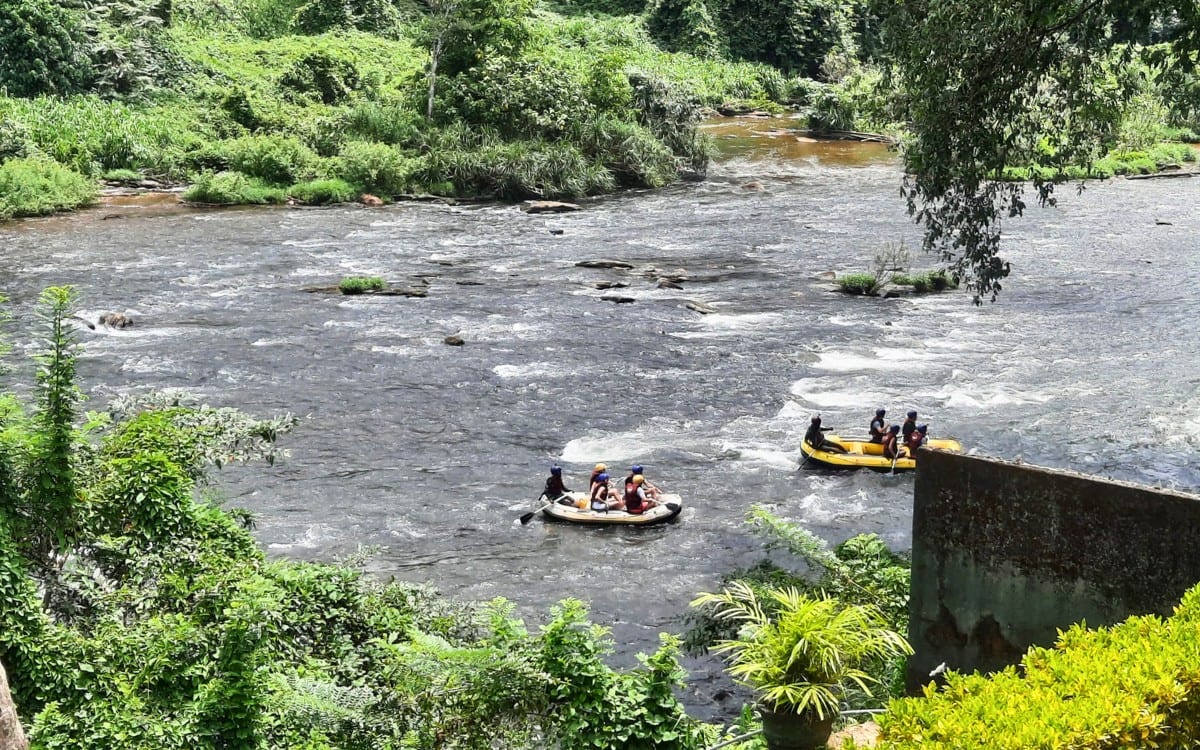
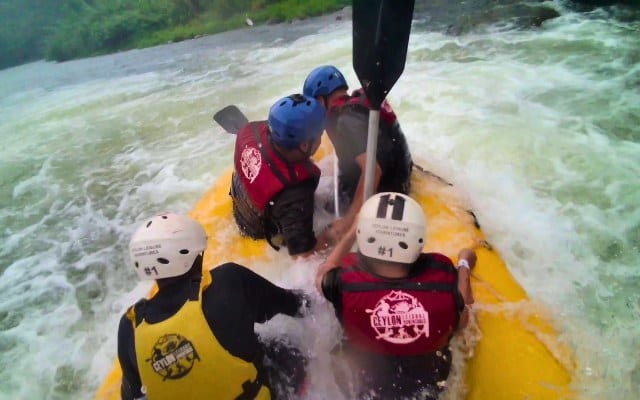
All these factors pave the way for making Sri Lanka a haven for adventurous travelers, a fact that's yet to be made more popular to boost the country's tourism. But once it strikes gold in its messaging, it's only a matter of time before tourists fly to the island to experience its adventure vibe that's both exhilarating and serene.
Things to Do in Sri Lanka for the Adventurous Traveler