Sri Lanka's unspoiled natural wonders and largely intact heritage sites are two things that stood out to me after spending 10 days in the island nation in South Asia. The vastness of the surrounding forests from the top of well-preserved Sigiriya are as far as the eye can see. There's no evidence of deforested land or quarries when you look out to their rolling hills. Ancient fortresses, old temples, and historical monuments still stand to this day.
Our tour guide said that this is likely because of Sri Lankan's predominant religion, Buddhism, which places great emphasis on respect for the past and its traditions as well as nature. There's also the fact that the country is relatively isolated from external influences, particularly during periods of conflict or upheaval in neighboring regions. This has helped shield its historical sites from widespread destruction.
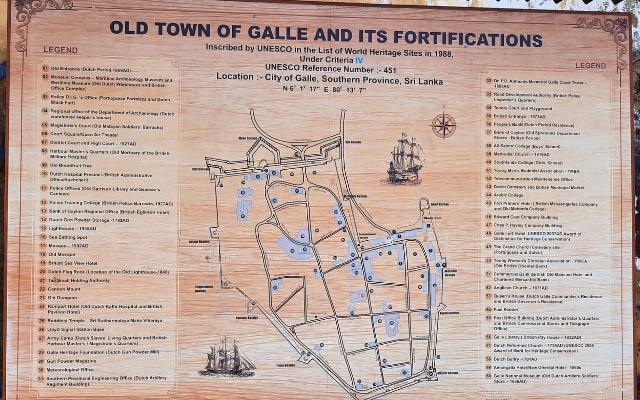
The third factor is that the Sri Lankan government has made significant efforts to protect its heritage sites through legislation, conservation, and education. It also helps that Sri Lanka has eight UNESCO World Heritage Sites, which ultimately safeguards these places at an international level.
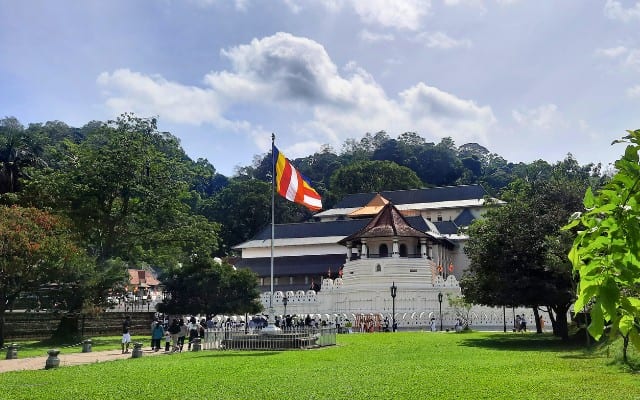
Temple of the Tooth, a UNESCO Heritage Site in Kandy, houses the relic of the tooth of the Buddha.
ALSO READ:
A Journey Through Ancient Kingdoms, Vast Safaris, and Scenic Hikes in Sri Lanka
Sri Lanka's History of Colonial Rule
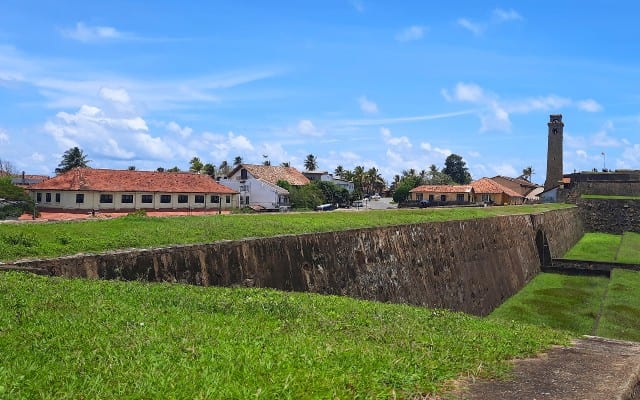
But while the country boasts ancient cities and kingdoms, it still has remnants of its colonial past.
The European interest in Sri Lanka began in 1505 when the Portuguese arrived in Colombo. Their arrival marked the beginning of a series of colonial conquests that would shape the island's future. In 1658, the Dutch ousted the Portuguese and established control over the entire island except for the central Kingdom of Kandy. The British began their takeover in 1796, and by 1815, they had conquered Kandy, bringing the entire island under colonial rule, calling it British Ceylon. Each of these colonial powers had their own methods of control and exploitation, which laid the groundwork for the British.
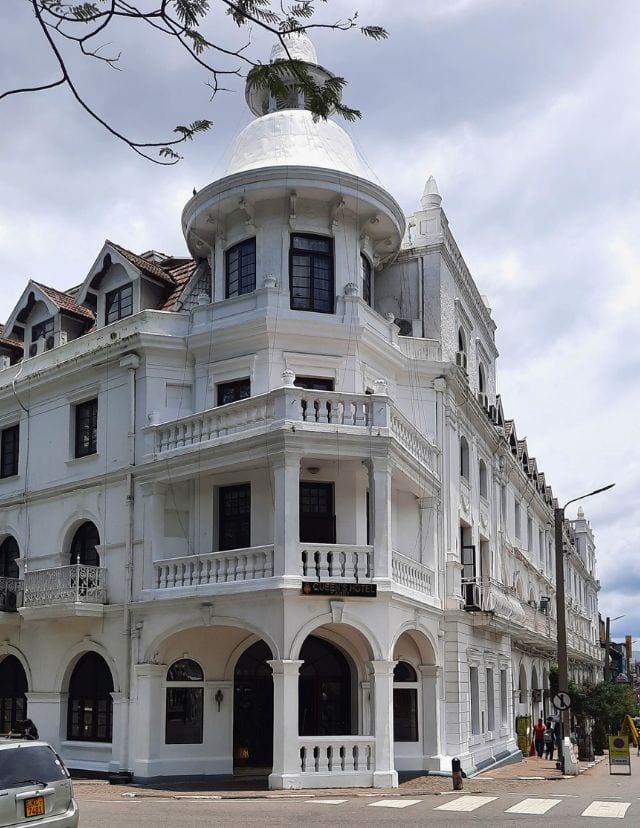
Queen's Hotel in Kandy was originally built as a residence on instructions from King Sri Vickrama Rajasinha. When the British captured the Kandyan Kingdom in 1815, it was adapted as a mansion for the Governor of Ceylon.
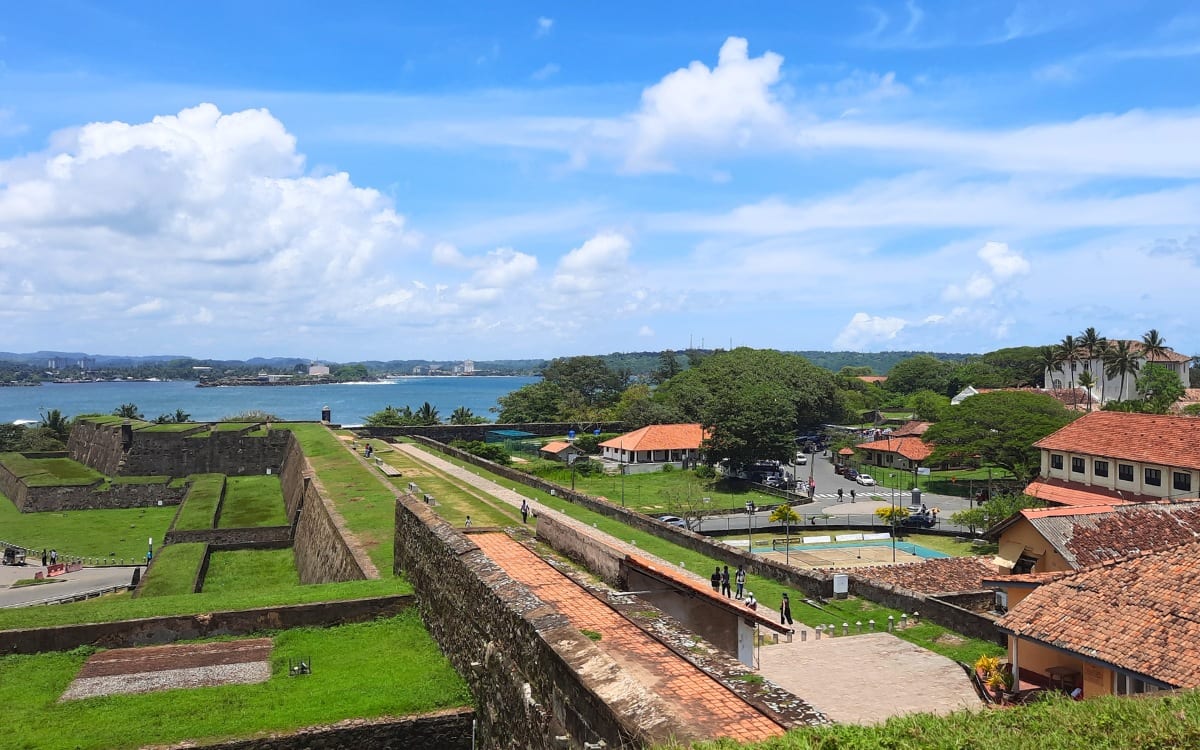
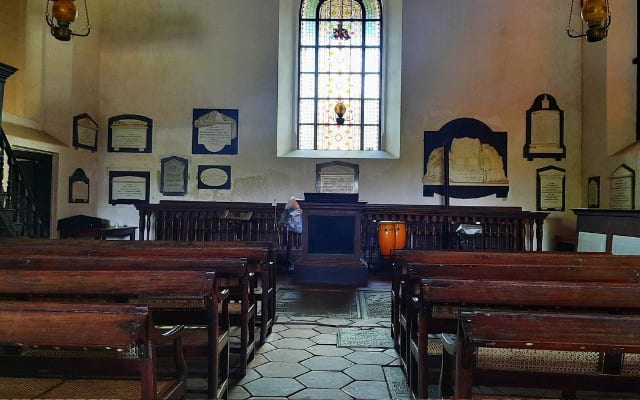
The Portuguese established a foothold in Sri Lanka by capturing coastal areas and imposing their rule through military might and religious conversion. Their legacy includes the introduction of Christianity and the fortification of key ports, which became crucial in subsequent colonial endeavors.
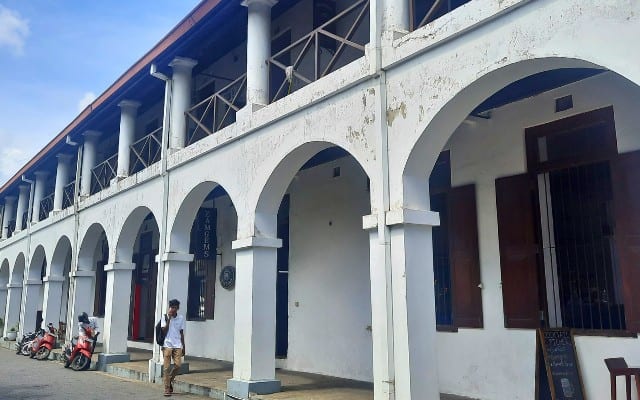
The Dutch focused on trade and economic exploitation. They established a monopoly over the island's lucrative cinnamon trade and implemented a more bureaucratic form of governance. The Dutch also left behind a legal and administrative framework that the British would later adapt and expand.
The British faced a complex socio-political landscape. The island was divided into various kingdoms and chieftaincies, each with its own alliances and rivalries. The Kingdom of Kandy, in particular, posed a significant challenge due to its strategic location and formidable defenses. The British employed a combination of military force and diplomatic maneuvering to bring Kandy under their control in 1815.
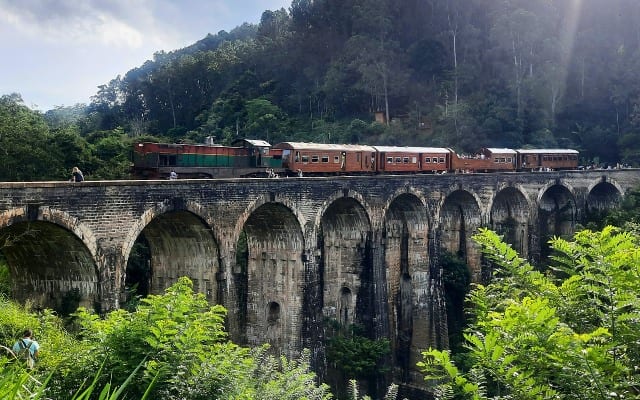
The Nine Arch Bridge (a.k.a. Bridge in the Sky) is part of the Upcountry Railway Line of Ceylon, which was built during the British period. The bridge was designed to accommodate a challenging nine-degree curve and steep gradient.
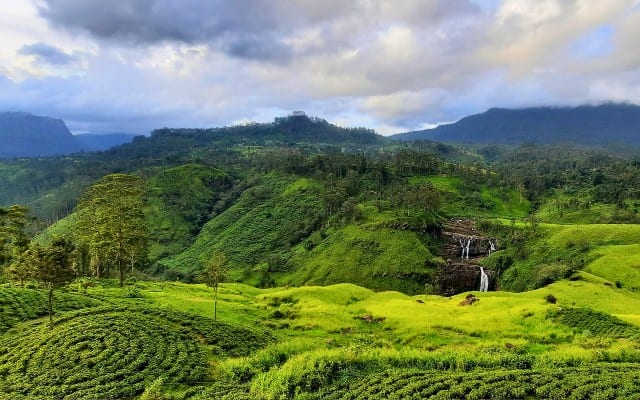
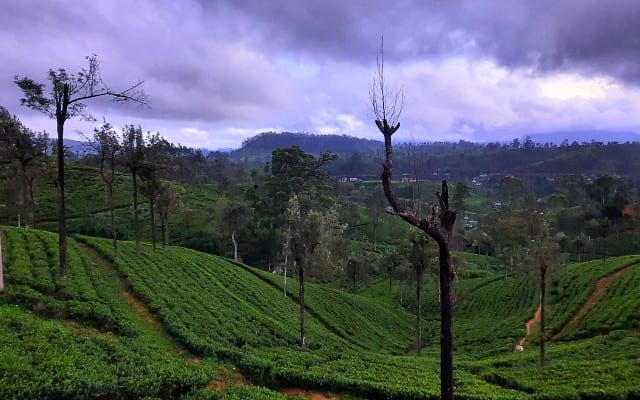
The British colonial period saw significant changes in Sri Lanka's governance, economy, and society. They introduced plantation agriculture, particularly tea, which became the island's primary export. This led to the importation of Tamil laborers from India. The colonial period also saw the introduction of Western education, legal systems, and infrastructure development.
The island officially became a dominion on February 4, 1948, changing its name from British Colony of Ceylon to Dominion of Ceylon, which meant it was an independent country but still shared a monarch with other dominions of the Commonwealth. It became a republic named Sri Lanka in 1972.
Historical Tourist Destinations to Visit in Sri Lanka
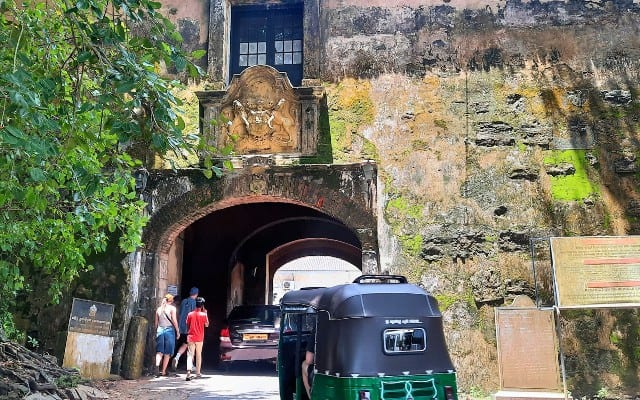
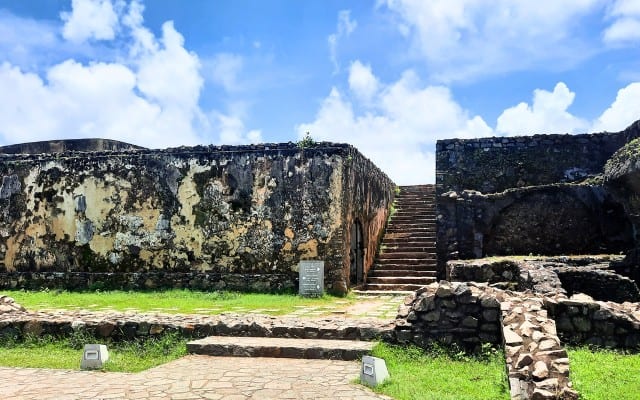
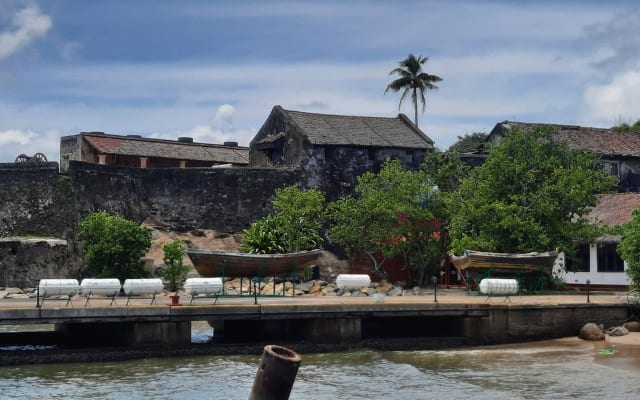
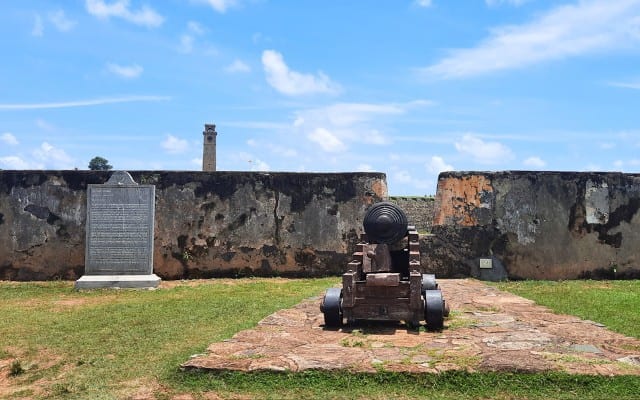
Each of the three colonizers left indelible marks in Sri Lanka's cultural and physical landscape, some of which now serve as tourist destinations.