
There’s an Authentic Portuguese Restaurant Hiding in Plain Sight in Alabang

It was a devotion to Our Lady of Fatima that led Patricia David Sia and her husband Orlando to move to the small town in Portugal where the Virgin Mary supposedly appeared to three children in 1917. There Sia, who studied culinary arts in Canada, learned the ways of traditional Portuguese cooking, asking cooks in the town to teach her until she mastered the processes herself.
Orlando’s Churrasqeira is located in Westgate in Alabang
After she and her family returned to the Philippines, Sia initially wanted to open a small food stall at NAIA to make Pastéis de Nata (or Pastel de Nata), the famous Portuguese egg tarts that she thought would be perfect pasalubong for departing or arriving passengers. Various issues prevented her from opening that food stall; however, she eventually pivoted to opening a full-service restaurant that would serve authentic Portuguese cuisine.
ALSO READ
Chef Chele Gonzalez Looks to His Hometown For Inspiration in His New Restaurant
The 15 Best Wine Bars in Manila
“I looked around for a bit and didn’t find any other restaurants in the city that served Portuguese food,” she says. “There was one in Cebu, but it has since closed down, but there really wasn’t any authentic Portuguese restaurants in Manila.”
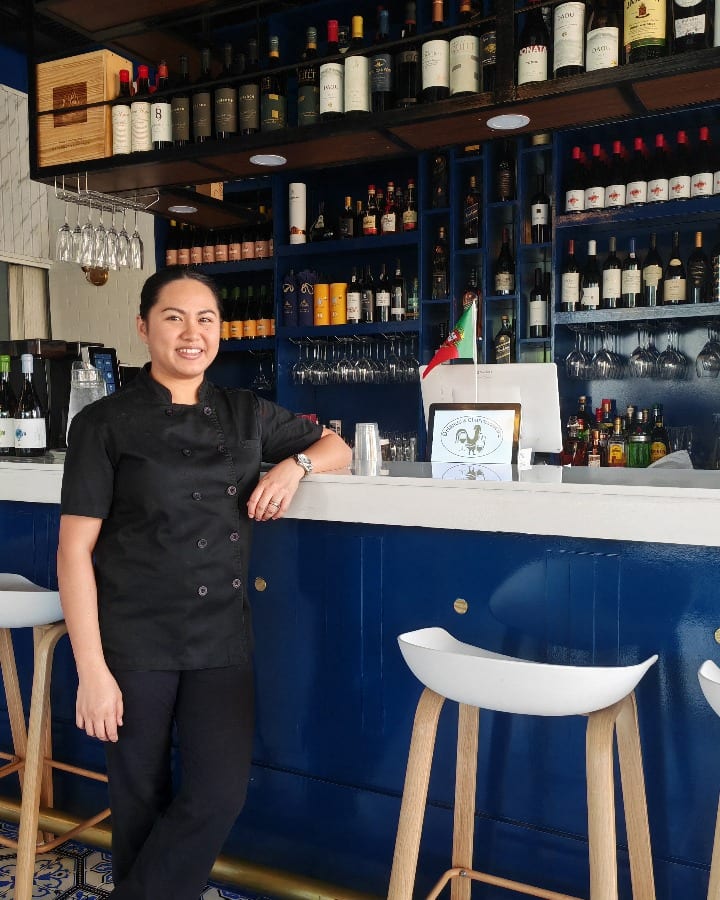
Patricia Sia is the chef and co-owner of Orlando’s Churrasqeira
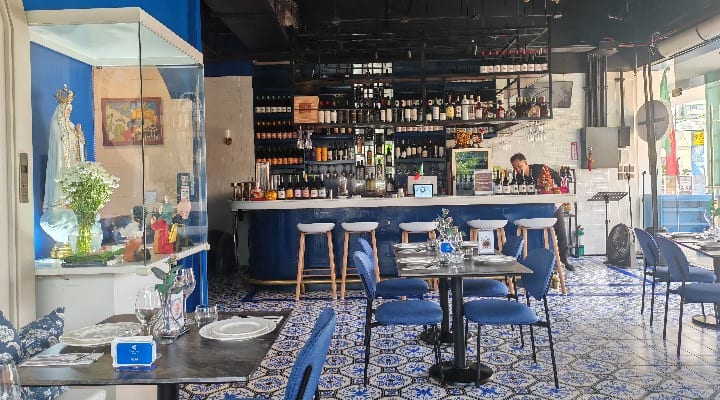
After searching for a suitable location in Makati and BGC and bristling at the exorbitant prices of rent in both of those areas, Sia eventually found the perfect spot in Westgate in Alabang, Muntinlupa. By September 2023, Orlando’s Churrasqeira—named after her husband—was open.
There are big expectations when you label your restaurant an “authentic” something, but in Orlando’s’ case, the epithet is warranted. Ingredients like the cod or bacalao fish and the olive oil used in most of the cooking, the blue tiles used in the restaurant’s floor, and even the coffee brand the restaurant uses are all imported from Portugal.
Carne de Porco à Alentejana
Pastéis de Bacalhau
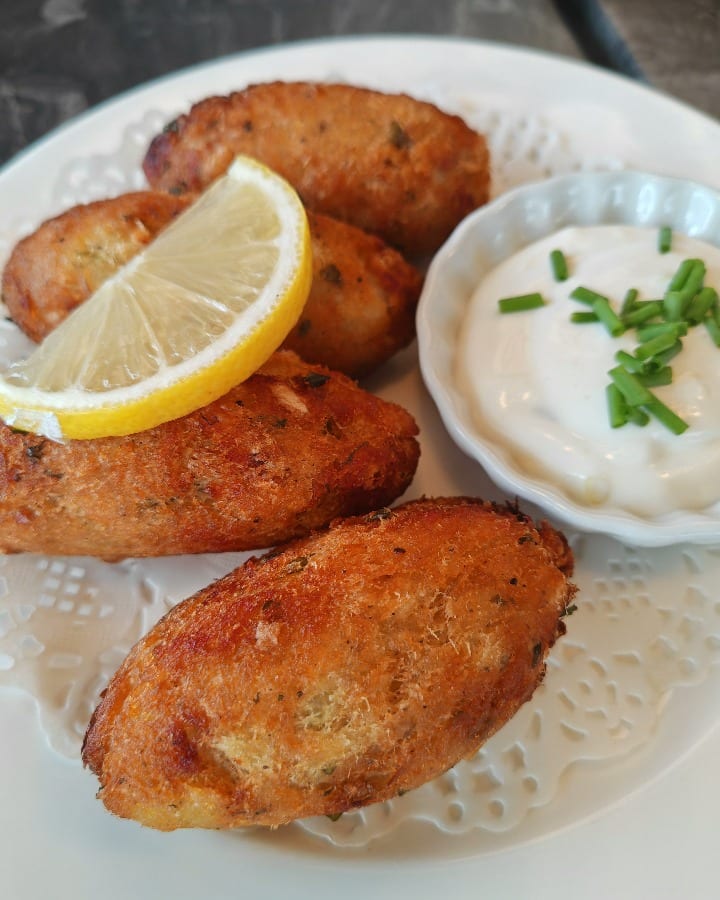
Sia says she wants her customers to get a taste of real Portuguese food and that goes for the entire dining experience.
The best seat is underneath the Orlando’s sign on the far end of the space, although there’s also a small private dining area that can accommodate up to 10 or 12. There’s an image of Our Lady of Fatima and the three children at her feet venerating her encased in glass in the middle of the restaurant. There is a bar off to one side with a selection of fine spirits and, of course, wines from Portugal.
Portuguese food has often been overshadowed by the more famous cuisines of its neighbors like Spain and France, which is too bad because there is much to love about the food in this part of the world.
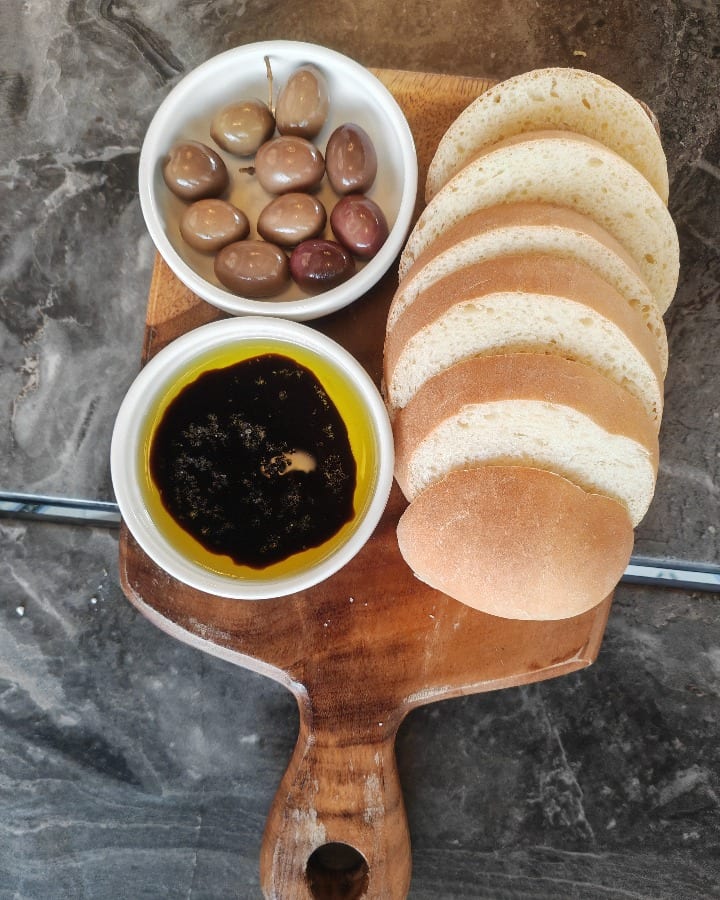
Azeitonas e Pão
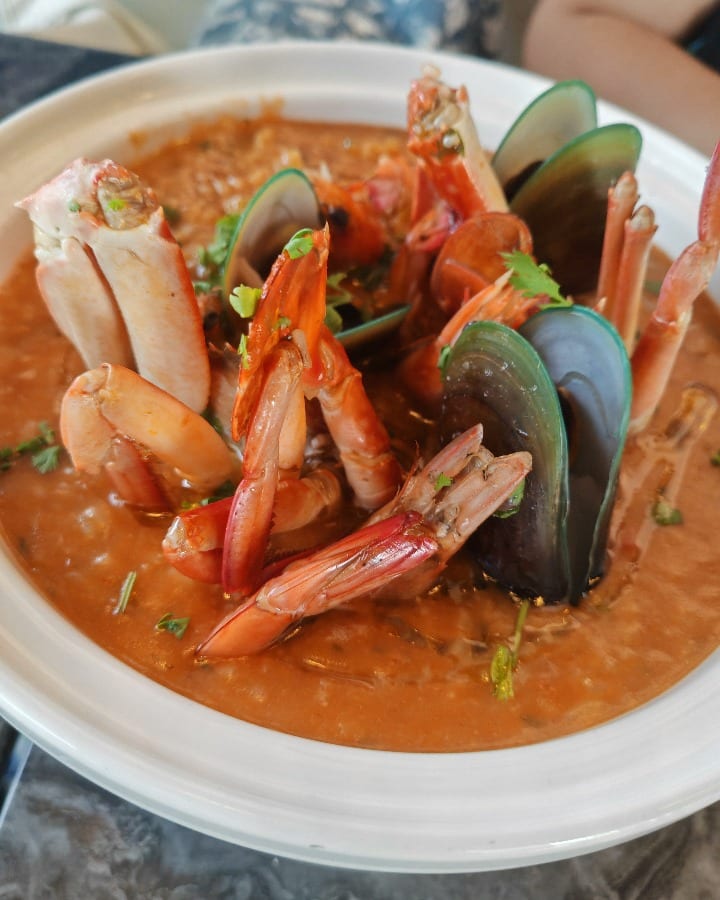
Arroz de Marisco
Azeitonas e Pão (Bread and Olives), similar to the Italian staple, is sure to get the appetite going, with the bread baked in-house and served warm. You can also go with Pastéis de Bacalhau, or cod fritters which are similar to croquetas, or Amêijoas à Bulhão Pato (White wine clams) for something a bit heavier.
Not many people know that tempura—or lightly battered protein (often seafood) or vegetable deep fried—actually originated in Portugal. And so Orlando’s serves its own version with Peixinhos da Horta com Espargos e Filetes, or Asparagus and Beans Tempura. There’s none of the grease and all of the flavor, so this is worth sampling.
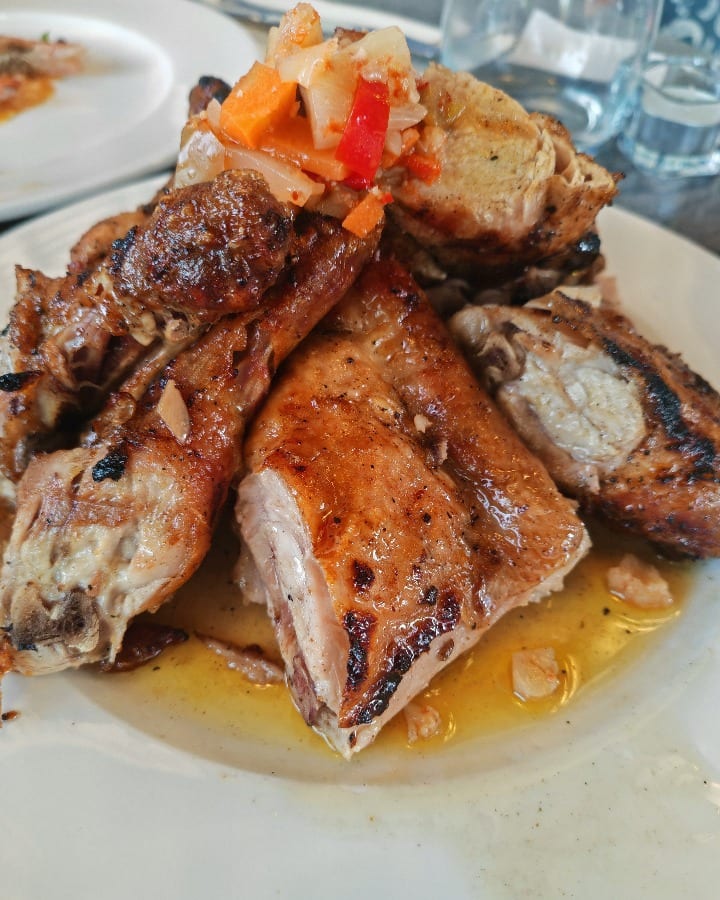
Frango Grellado com Piri-piri
Polvo a Lagareiro
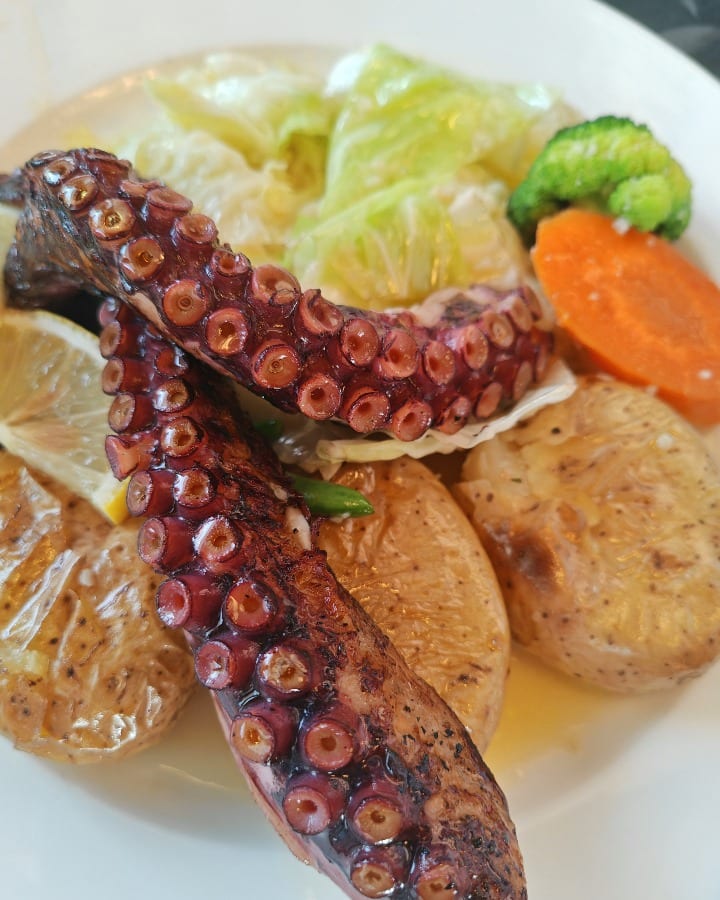
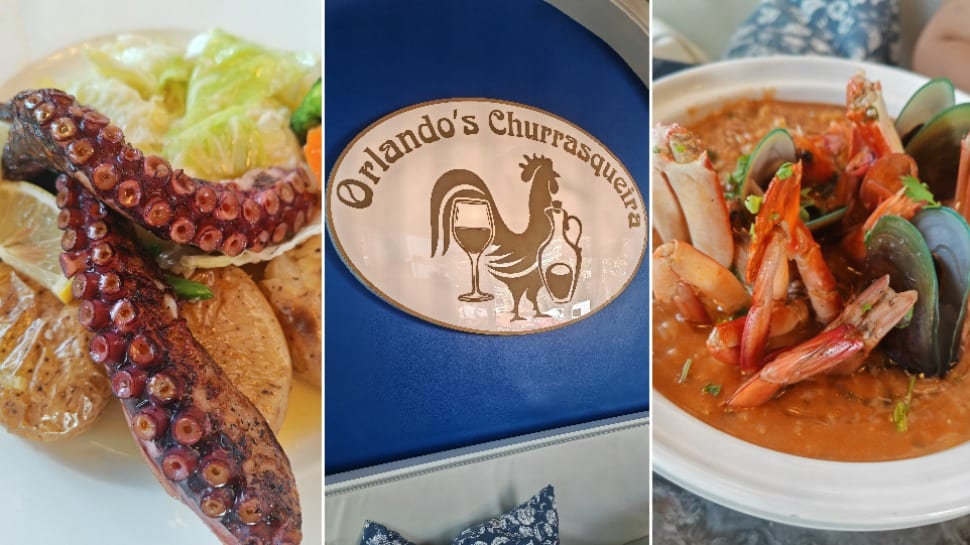
For the mains, Sia presents some of the best of traditional Portuguese cooking. Arroz de Marisco is a “saucy” rice cooked with prawns, mussels, and clams and a rich seafood stock. It’s Portugal’s version of the paella but in a rich, comforting stew. There’s also Polvo a Lagareiro, which is perfectly grilled octopus and potato drenched in olive oil.
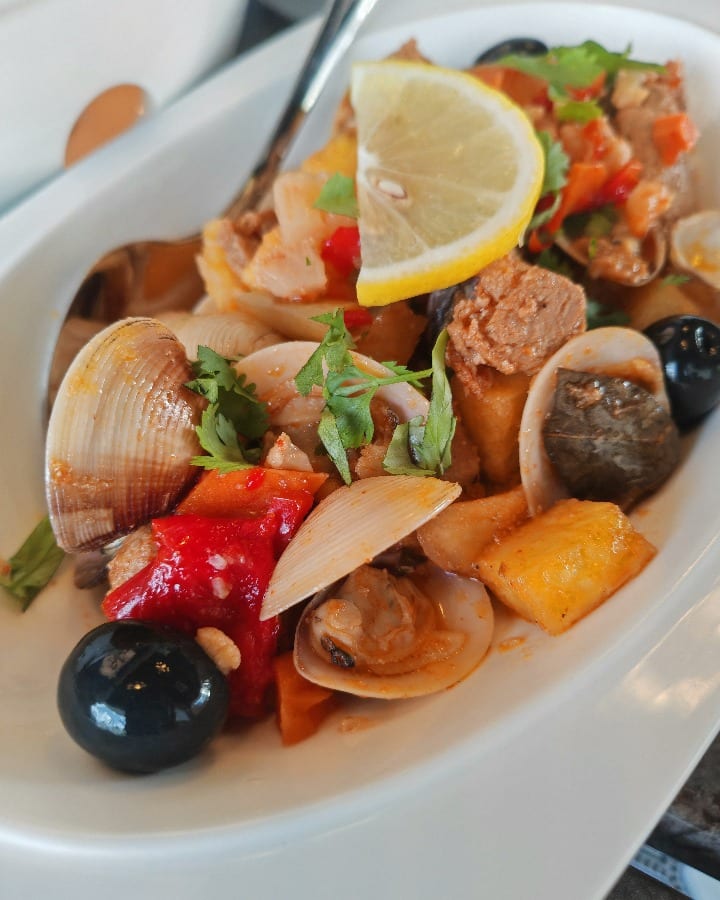
Carne de Porco à Alentejana, meanwhile, is marinated pork served with clams and potato. Following the traditional method of cooking, Sia says the pork is marinated in white wine, paprika, red pepper paste, chopped garlic, coriander, bay leaf, and salt and pepper. And for chicken lovers, there’s Frango Grellado com Piri-piri, or the original grilled chicken with spicy sauce. Both dishes go well with rice cooked lightly in olive oil.
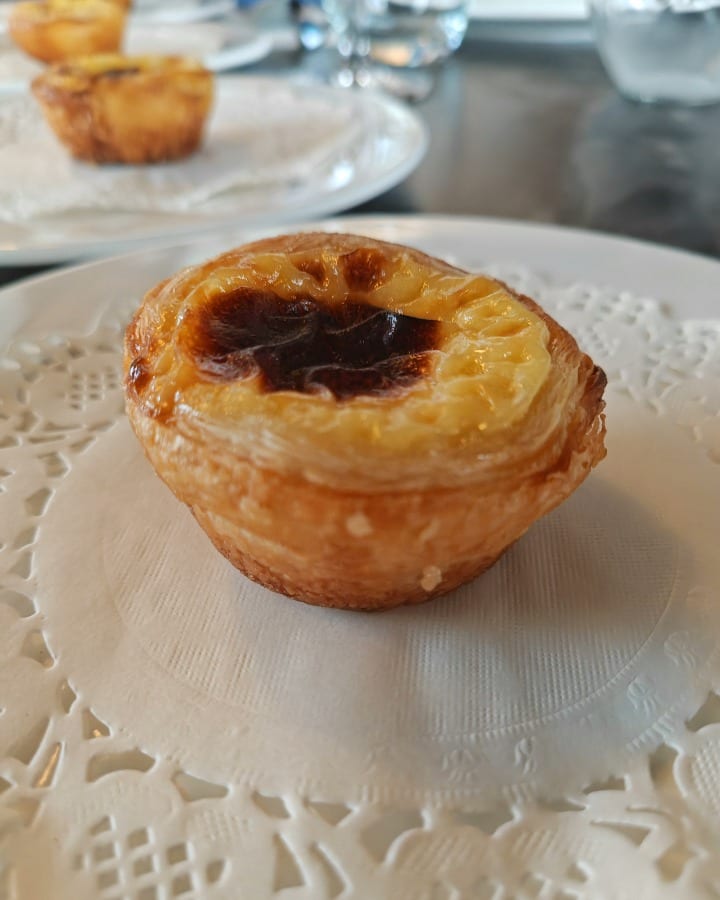
Pastéis de Nata
Pudim Molotof
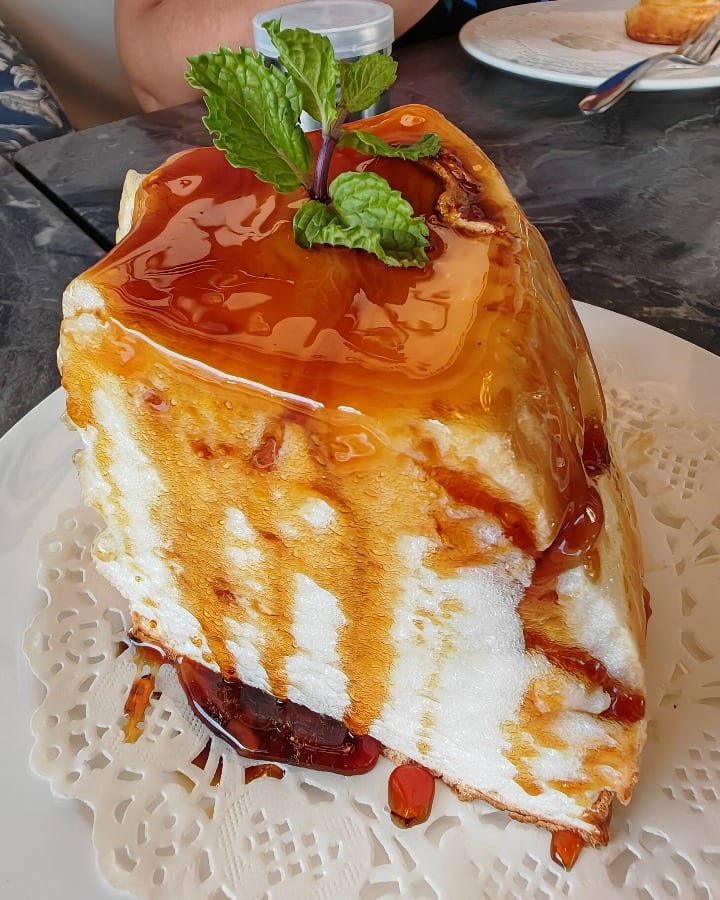
A full Portuguese meal isn’t complete without a sweet ending. Sia punctuates the meal with two favorites from the region. The famous Pastéis de Nata, or the Pastel de Nata that she originally wanted to turn into a business, is a flaky egg custard that has gained popularity in many other parts of the world. Her version though hews close to the original as possible, with an impossibly flaky crust and a creamy center that holds back on the sweetness. Finally, Pudim Molotof, or cloud cake, is an almost lighter-than-air pudding dessert made with egg whites and sugar that is similar to brazo de mercedes.
There are many other dining options in this corner of Alabang, but none offer the deliciously Portuguese-focused dishes like Orlando’s Churrasqeira. It’s a must-stop for anyone wanting to expand their culinary horizons.
