How Aboitiz Foods’ Project Silk Is Empowering Filipino Corn Growers
The premise is simple: equip farmers with entrepreneurial skills, guarantee a market, and the system stabilizes.

Published on Apr 23, 2026
Corn is the Philippines’ second most important crop after rice, with over 1.6 Filipino farmers depending on corn production as their main source of livelihood. According to data from the Philippine Statistics Authority, the country produced roughly eight to nine million metric tons of corn in recent years, most of it yellow corn used for animal feed.
However, production hasn’t kept up with demand. The Philippines still imports corn to bridge supply gaps, especially for feed manufacturing. The reasons are largely structural: most corn farmers operate on a small scale, often without access to financing, modern post-harvest facilities, or steady buyers. Even when yields are good, income isn’t guaranteed due to fluctuating prices.
Post-harvest losses are another persistent issue. Without adequate drying and storage facilities, farmers are forced to sell quickly, often at lower prices, to avoid spoilage. The result is a cycle where corn farming becomes less of a business and more of a gamble.
It’s within this context that the corporate-led, partnership-driven Project Silk was born.
The Rise of Project Silk
Launched in 2017 by Aboitiz Foods through its subsidiary Pilmico Foods Corporation, Project Silk was designed as an inclusive sourcing program, where farmers are not just mere suppliers, but partners in a larger value chain.
The project started out with a single cooperative in Bukidnon and has grown into a network spanning multiple provinces, including Lanao del Norte, Misamis Oriental, and Tarlac. Over eight years, the program has supported 2,835 farmers, generated over 48 million pesos in corn sales, and increased farmer revenues by more than 1,500 percent, said Aboitiz Foods.
The premise is simple: equip farmers with entrepreneurial skills, guarantee a market, and the system stabilizes.
Pilmico sources a portion of its corn requirements directly from Project Silk cooperatives. This assured market reduces uncertainty and allows farmers to plan production more strategically, rather than reacting to fluctuating prices.
Empowering Farmers as Entrepreneurs
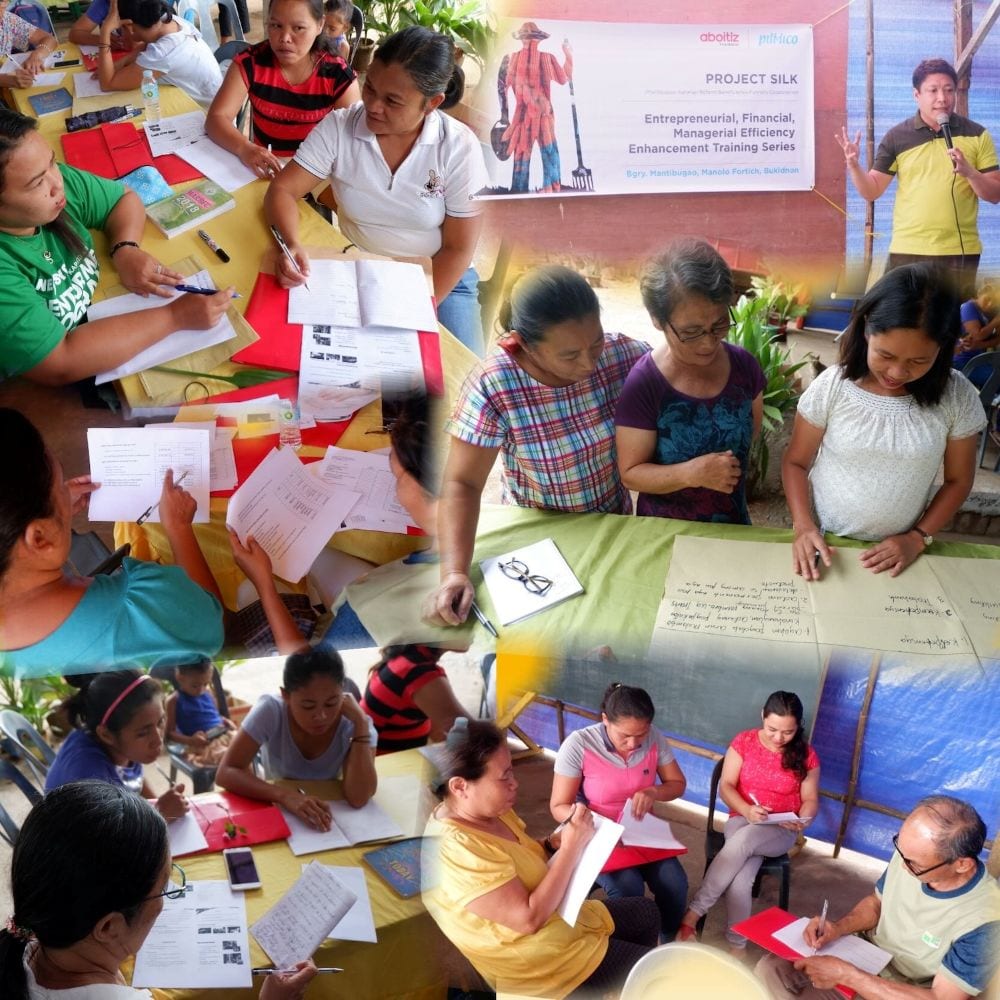
Procurement is only one part of the model. Its deeper intervention is capability-building. Farmers and cooperatives receive training in financial literacy, bookkeeping, governance, and agribusiness management, which are rarely prioritized in traditional farming systems.
For many participants, it marks a shift from subsistence farming to running structured, income-generating enterprises.
“We learned so much, especially in accounting, bookkeeping, financial statements, and budgeting,” said cooperative leader Evangeline Frasco. “We now manage our farms like real businesses.”
Meanwhile, partnerships with institutions such as CARD, Inc., Go Negosyo, and academic organizations create a support ecosystem that extends beyond agriculture into entrepreneurship.
Over time, many farmer groups have diversified their income streams. Some ventured into agri-supply stores, cassava processing operations, and small service businesses. In rural economies, where dependence on a single crop can be risky, that kind of flexibility makes a real difference.
Fixing Post-Harvest Losses
If there is a major choke point in the Philippine corn value chain, it is post-harvest handling. To address this, Project Silk invested in infrastructure to improve crop quality and reduce losses.
One example is the development of a corn drying facility in Iligan, built in partnership with the local government. By reducing moisture content, the facility helps prevent spoilage, extend storage life, and ensure that corn meets feed-mill standards.
“This facility gives our farmers a secure market and a secure livelihood,” said Iligan City agriculturist Mary Ann Beley. Better-quality corn commands better prices, allowing farmers to time their sales more effectively.
Why It Matters for Food Security
The implications of Project Silk extend beyond farmer incomes. Because yellow corn is a primary input in animal feed, improving its supply chain has a direct effect on the broader food system. More consistent, higher-quality corn production helps stabilize feed costs, which in turn influences the price of poultry, pork, and other staples. In a country where food inflation remains a persistent concern, these upstream improvements are critical.
The program also addresses one of the central challenges in Philippine agriculture: fragmentation. By clustering smallholder farmers into cooperatives and linking them to institutional buyers, Project Silk creates economies of scale that individual farmers would struggle to achieve on their own.
In doing so, it offers a working model of how private sector involvement, when aligned with public institutions like the Department of Agriculture and local government units, can help close long-standing gaps in the agricultural system.
Investing in Regional Resilience
Project Silk is not an isolated initiative. It sits within Aboitiz Foods’ wider strategy of embedding sustainability and community development into its operations across Asia.
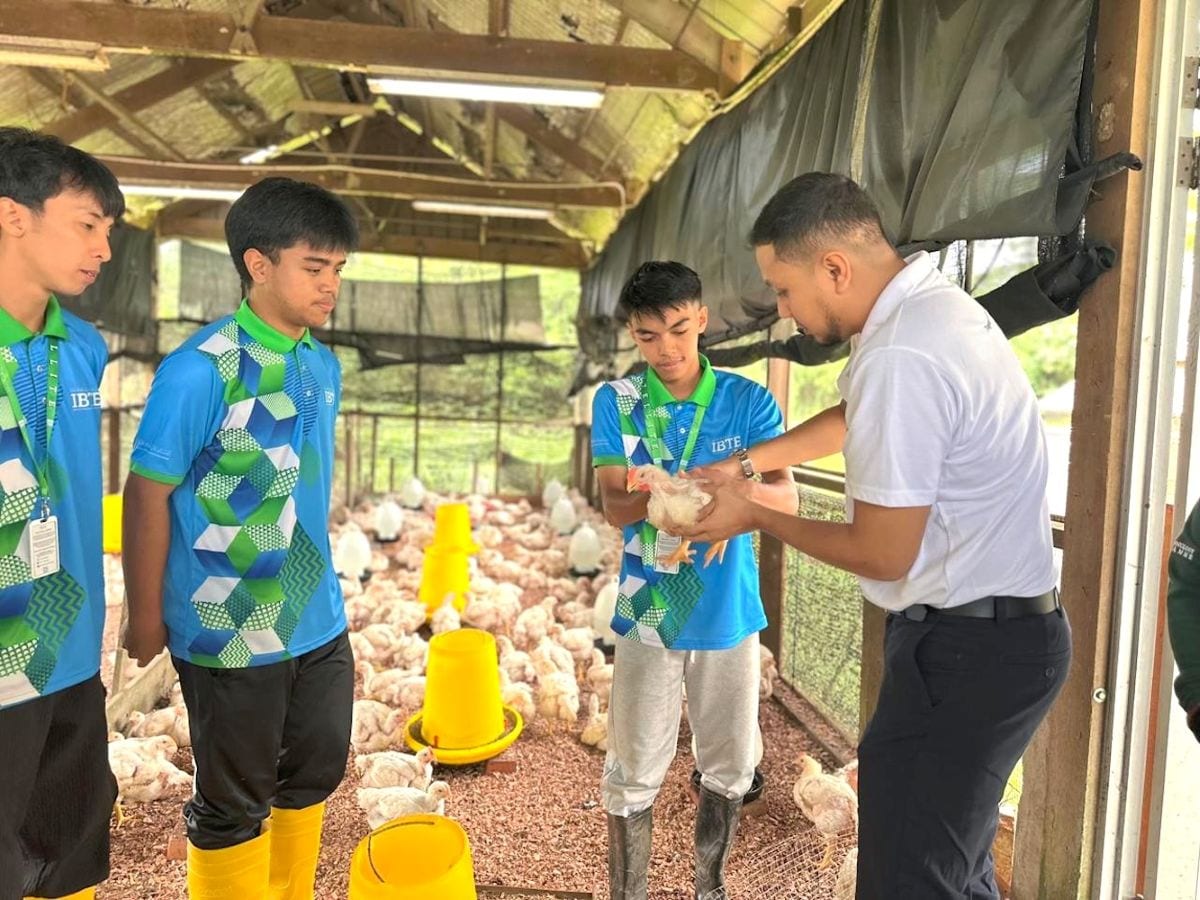
In Brunei, Project Synergea, a partnership between Aboitiz Foods’ subsidiary Gold Coin and the Institute of Brunei Technical Education, strengthens food security by equipping communities with agricultural knowledge and technical expertise through hands-on poultry education. In China and Vietnam, Project EduCare supports access to quality education in underserved communities, helping equip young people with the knowledge and opportunities needed to participate in more sustainable food and agriculture systems. In Malaysia and China, Project ROOTS advances environmental stewardship by restoring oceans, trees, and shorelines, supporting climate resilience in communities closely linked to food production.
Complementing these community initiatives, Aboitiz Foods reinforces responsible production across its operations, including exceeding extended producer responsibility (EPR) targets through Pilmico. Together, these efforts contribute to global development goals on food security, education, decent work, and environmental protection, bringing the company’s purpose to life across the region.
“As we expand our business across the region, we will keep creating pathways toward shared progress and nourishing a more sustainable food future together with the communities,” Gamatero said.
View More Articles About: