What Happens When Brazil Meets Japan on a Plate?
With Japanese technique as its foundation and Brazilian flavors at its heart, Uma Nota’s new tasting menu turns a century-old cultural connection into an exciting culinary experience.

by Rhia Grana
Published on Aug 8, 2026
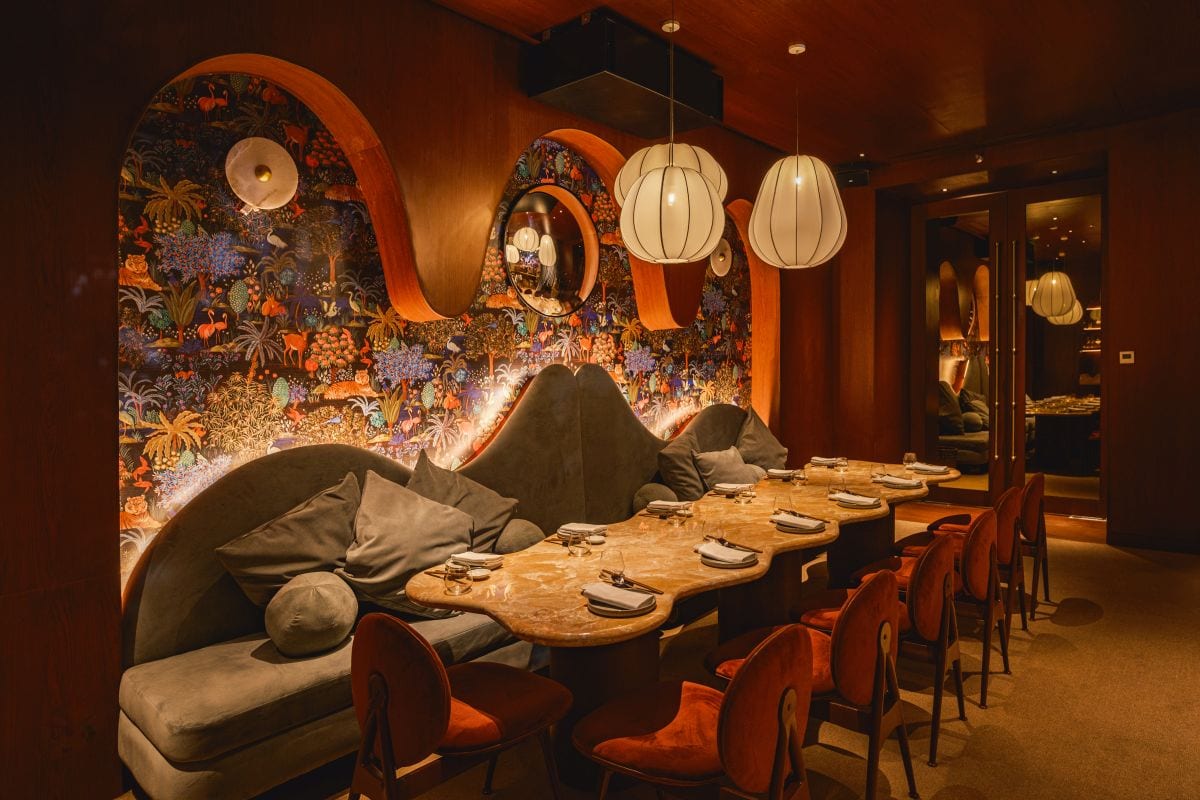
Chef Andrés Rendón (in photo above), executive chef of Uma Nota Manila, vividly remembers the day their team got the invitation to the very first Michelin Guide awards in the Philippines last October.
“To be honest, it was my first time to get invited to this kind of ceremony, so I didn’t know how to react or what to expect,” the Venezuela-born admits to Esquire Philippines. “We thought maybe the Michelin Guide simply invited chefs to witness such a big milestone for Manila’s culinary scene. So when we found out that Uma Nota was named a Michelin Selected restaurant, of course we were thrilled.”
In addition to that, their bar manager and mixologist Benjamin Leal, who unfortunately was unable to attend the event, won the Exceptional Cocktails Award.
"It was a beautiful experience to receive such honor. That's why we put in the effort and challenge ourselves daily to show what we can do. Of course, it's not easy. It entails hard work from the chef, the whole team, and the service side that [our general manager Jeff [Mendoza] handles. Every day, we do everything we can to improve and reach the level we need to be at," says Chef Andrés.
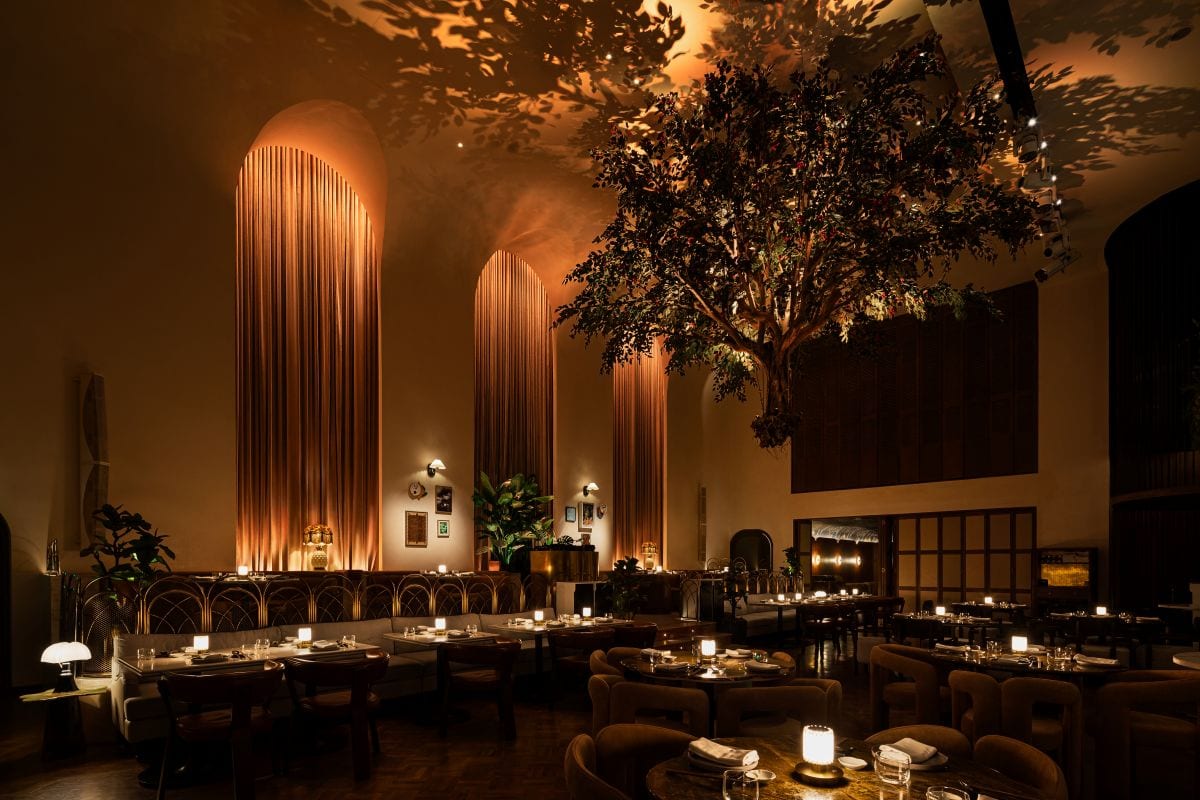
The Brazilian-Japanese Connection
One of the opportunities they show this is by introducing a new menu experience called “A Journey Through Brazilian Japanese Cuisine.”
ICYDK, although Brazil and Japan are far apart geographically, they have forged a close friendship through more than a century of migration, strong economic ties, and cultural exchange. The relationship dates back to 1908, when the first Japanese immigrants arrived in Brazil to work on coffee plantations, helping meet the country's growing demand for agricultural labor amid a decline in European immigration. Today, Brazil is home to the world’s largest Japanese population outside Japan—roughly 2.7 million people, most of whom live in in São Paulo and Paraná.
Chef Andres, who has built an international career in acclaimed kitchens in Dubai and Hong Kong, specializing in various cuisines, including Nikkei, believes Brazilian and Japanese make for a compelling combination.
“Japan has an incredible heritage and meticulous techniques—there's so much precision in how they prepare everything,” he says. “On the other hand, as Latinos, we take immense pride in our roots, our farms, and building things from scratch. That's exactly what we are celebrating here at Uma Nota—combining Japanese precision with vibrant Brazilian flavors."
And that philosophy comes through clearly in Uma Nota’s latest menu, where two distinct gastronomic cultures meet naturally on the plate. Japanese technique provides the structure, while Brazilian flavors bring warmth, vibrancy, and spontaneity.
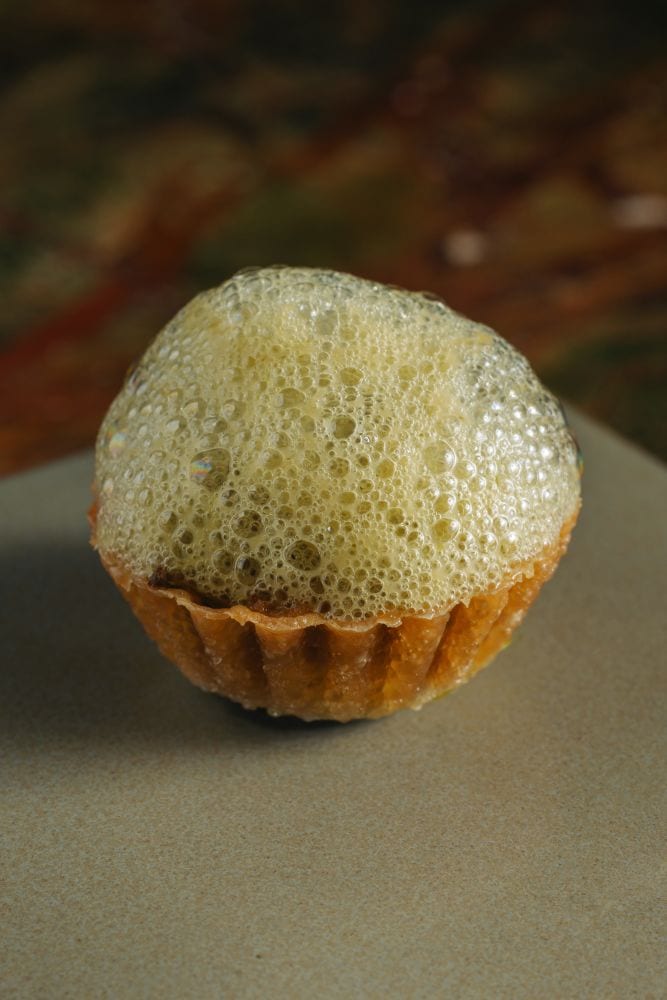
The eight-course tasting menu starts with vibrant starters before shifting into more robust flavors. It kicks off with a Pastel de Carne, turning a classic Brazilian street snack into a decadent bite filled with Japanese wagyu.
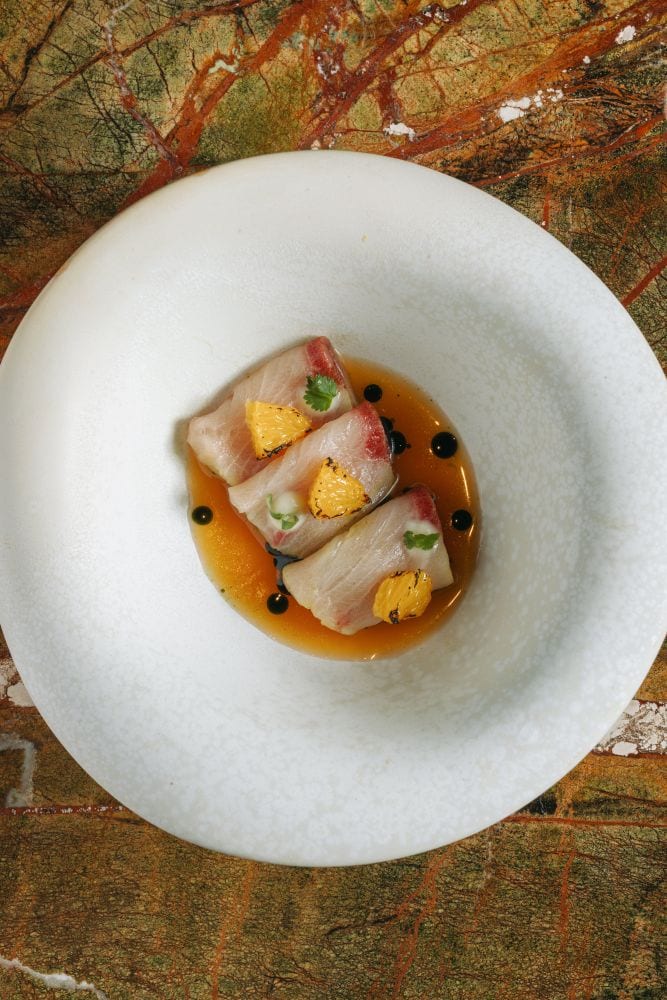
The raw courses, Hamachi Kobujime Tiradito and Atum Nihon, introduced us to Japanese techniques and unique Brazilian flavors. “We use kobujime—a traditional Japanese method of curing hamachi overnight in kombu seaweed to build umami and enhance the fish's texture. The Latin element comes through in the sauce, which pairs fresh orange and cucumber with leche de tigre for a balance of citrus, brightness, and sweetness. “Finally, a touch of Himalayan salt brings everything together with a subtle burst of salinity,” Chef Andrés describes, as the course arrives.
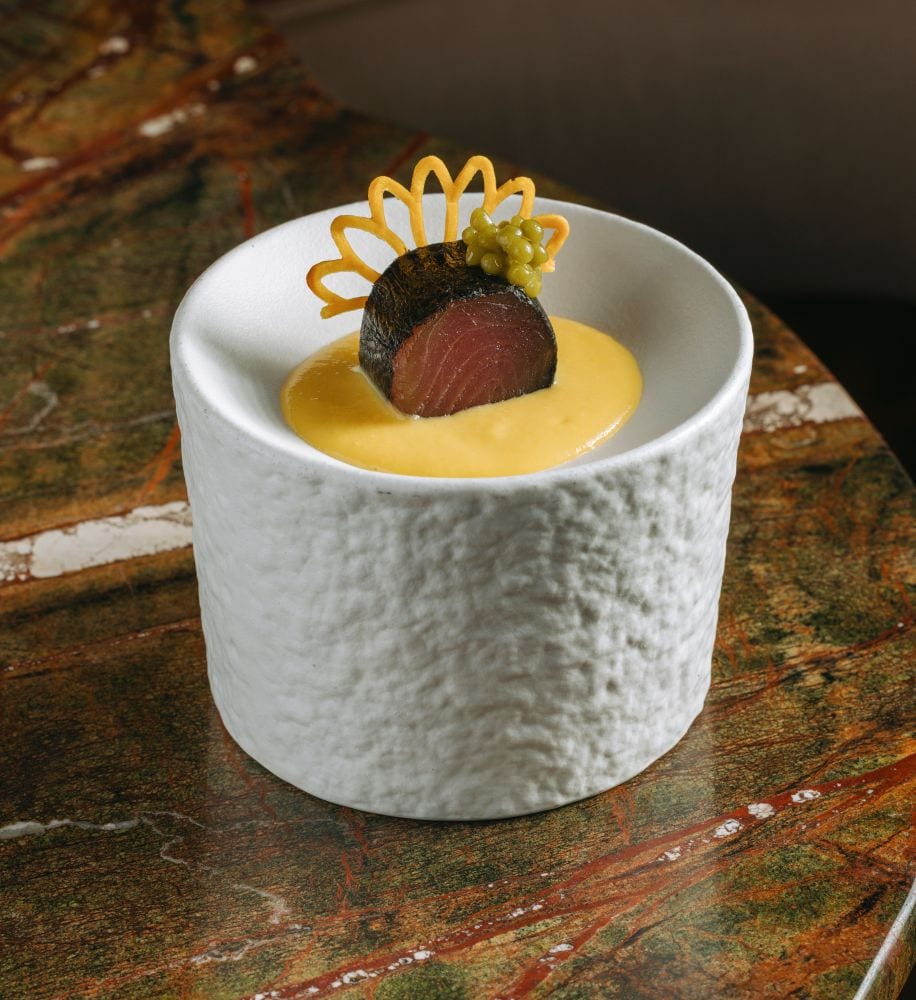
Named after the Portuguese word for tuna and the Japanese name for Japan, the Atum Nihon pays homage to the Land of the Rising Sun with a yellow tuille designed to mimic the sun while adding an essential crunch. Beneath the fish is a smoky sweet corn sauce and purée, adding a rich, comforting depth to the dish. “The tuna is cured for two hours in a soy marinade and wrapped in nori, creating a balanced profile of smokiness, citrus, and subtle sweetness,” the chef tells us. To finish, a sprinkling of house-made coriander caviar delivers a subtle kick of heat alongside a bright burst of citrus.
The next course, Feijoada Brasileira, transported us straight to Brazil. The color of this stew looks akin to dinuguan, but it’s actually an intriguing spin on our humble ginisang munggo. “Feijoada, is actually the national dish of Brazil. You can find it everywhere across the country, with each region having its own way of serving it and its own distinct set of condiments,” the chef offers. At Uma Nota, the black bean stew is cooked into a rich purée and layered with fresh orange and fried banana. The bowl is crowned with a crispy rice cracker dusted in togarashi and dried parsley for a hint of heat.
“The best way to eat it is to take your spoon, break right through the center, and mix all the components together so every flavor comes through,” says the chef, as we dive into the bowl in front of us.
The first main course brought us another traditional Brazilian staple—moqueca, a slow-simmered, vibrant seafood stew made with coconut milk and aromatic vegetables. It also acquainted us with the distinct character of dendê oil, a vibrant, reddish-orange oil extracted from African oil palm fruit, and farofa, one of the most common condiments in Brazil.
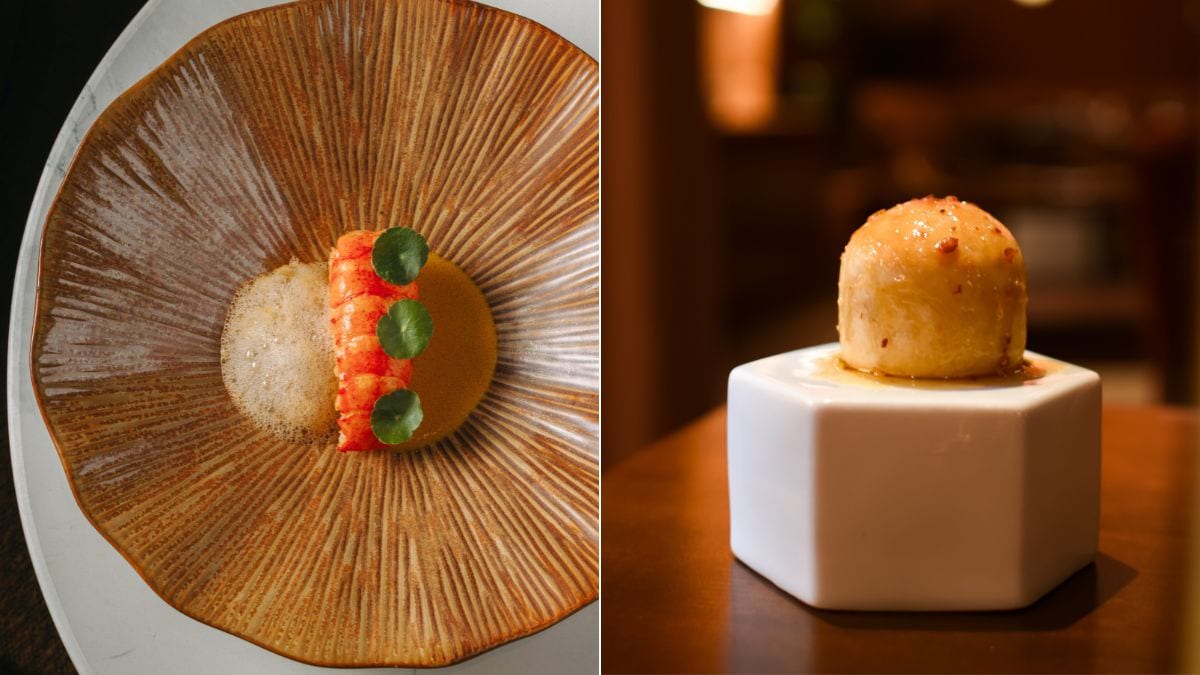
Interestingly, at Uma Nota, the succulent lobster rests atop a pool of vibrant moqueca sauce and foamy lobster stock, paired with crunchy cassava farofa. The dish stands on its own, but Chef Andrés didn’t stop there—he also served fresh cassava bread with miso cheese and chili honey for a balance of sweetness, heat, and umami. The bread can be enjoyed by itself or used to sop up the rich moqueca sauce. The pairing is heavenly either way.
If you love lamb as much as I do, the Yakiniku Lamb Chop was hands-down the highlight of the night. The Australian lamb is soaked overnight in a signature yakiniku marinade, elevated by a clever Brazilian touch: fresh pineapple juice. “Pineapple has an enzyme that helps make the meat incredibly tender,” he says.
But the star element of the dish, according to the chef, is their spin on furikake. “Traditional Japanese furikake usually features sesame seeds, nori, and wasabi, varying by region and maker. Here, we’ve created a Brazilian furikake using local roots and spices like coriander seeds, cumin, and both lemon and lime zest, which lends a bright, citrusy punch to contrast the rich, savory lamb,” offers Chef Andrés. The meat comes with pumpkin puree and mustard-furikake blend, which delivers a sharp heat that cuts through the lamb’s richness and lingers long after the final bite.
“This is exceptional,” I told the chef. “If I could choose only one dish for my final meal, this would be it.” A proud smile washed over his face.
Before the main dessert arrives, a vibrant palate-cleanser prepares our tastebuds for the sweet finale: an Açaí and Yuzu Granita. Chef Andrés says it’s crafted from Amazonian açaí berries and a bright yuzu jelly.
To bring the eight-course journey to a sweet close, we’re served the Pudim de Leite—a Nikkei-inspired evolution of the traditional Brazilian milk flan, similar to a classic leche flan. How is Uma Nota’s version different? It arrives over a rich puddle of miso caramel, with a scoop of tonka bean ice cream. “The tonka bean gives an intriguing aromatic profile that lands somewhere between nutmeg and vanilla," offers Chef Andrés.
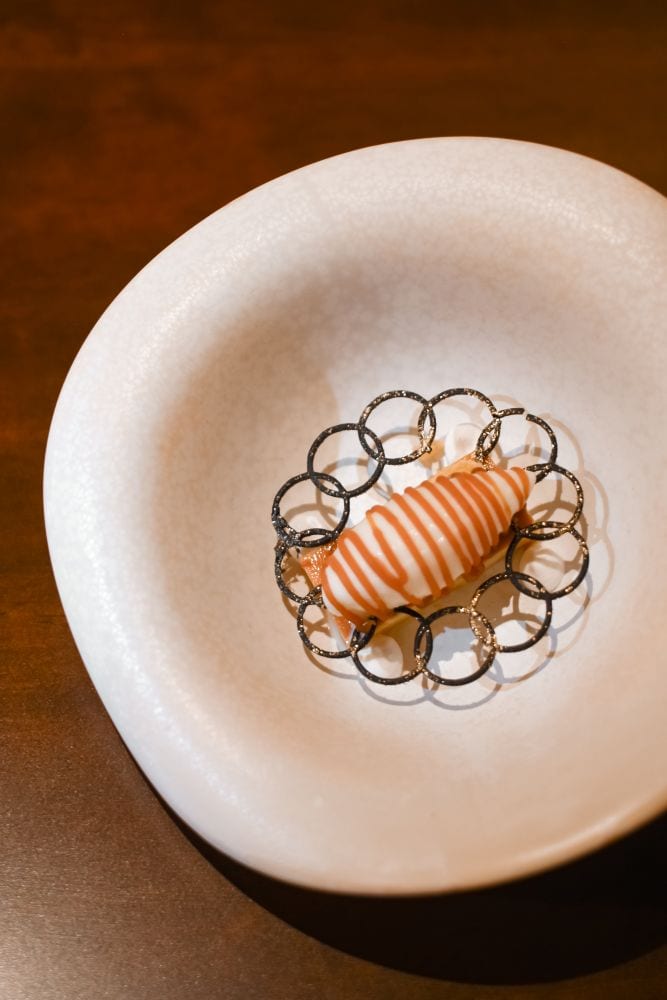
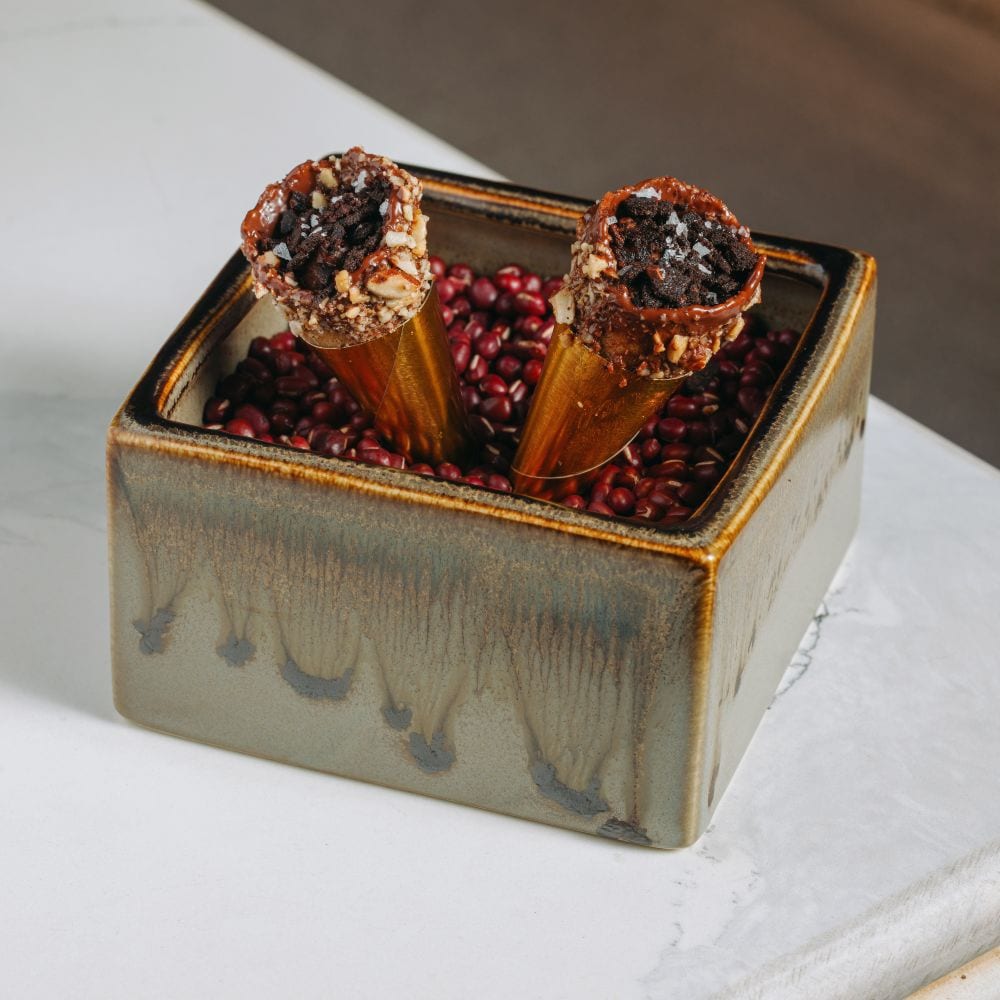
The evening concludes with a delicate petit four—a crisp cone layered with passion fruit and dark chocolate mousse, finished with crisp cocoa paper and a light dusting of Maldon salt, adding just the right crunch and savory edge to bring the meal to a memorable finish.
Two years of constant learning and experimentation have brought Uma Nota to this moment. Backed by Michelin recognition and a renewed sense of excitement, the new chef’s menu isn't just an exploration of Brazilian-Japanese heritage—it is the restaurant’s finest, most confident statement yet.
A Journey Through Brazilian-Japanese Cuisine is priced at P5,900 per person for eight courses at Uma Nota Manila.
ALSO READ:
How a Japanese Kissaten Is Finding Its Place in PH's Crowded Coffee Market
Textures by Tamayo's Brings a Taste of California to Tagaytay
View More Articles About: