Today I Learned: You Can Spend the Night at This Aquarium in Taiwan
For one night, the National Museum of Marine Biology & Aquarium in Pingtung County became this writer's bedroom. Here's what the experience was like.

by Rhia Grana
Published on Oct 28, 2026
On the third day of our Pingtung County familiarization tour courtesy of Air Asia Philippines and Pingtung County Government, super typhoon Champi was already battering parts of Taiwan. So my fellow media colleagues and I, who were staying at Wei Feng Hotel in Kaoshiung City, were keeping our fingers crossed that by some twist of fate, the typhoon would change its course and our itinerary would still push thru as planned, the next day.
We were supposed to spend a night at the National Museum of Marine Biology & Aquarium (NMMBA), known as the largest marine biology museum and aquarium complex in Taiwan. Suffice it to say, we were thrilled (also a bit spooked) by the idea. I've been to several museums in my lifetime. I've also experienced dining at Hong Kong's largest aquarium restaurant, where guests get to enjoy their meal while marveling at a variety of marine species.
But this one in Taiwan is different. Never have I imagined I would join a slumber party inside an aquarium, in the company of whale sharks, belugas, penguins, and giant stingrays with 30-plus other people. We were going to spend overnight inside the complex—do an after-hours tour, have dinner, do some crafts, then finally take a shower, before we catch our zzz's.
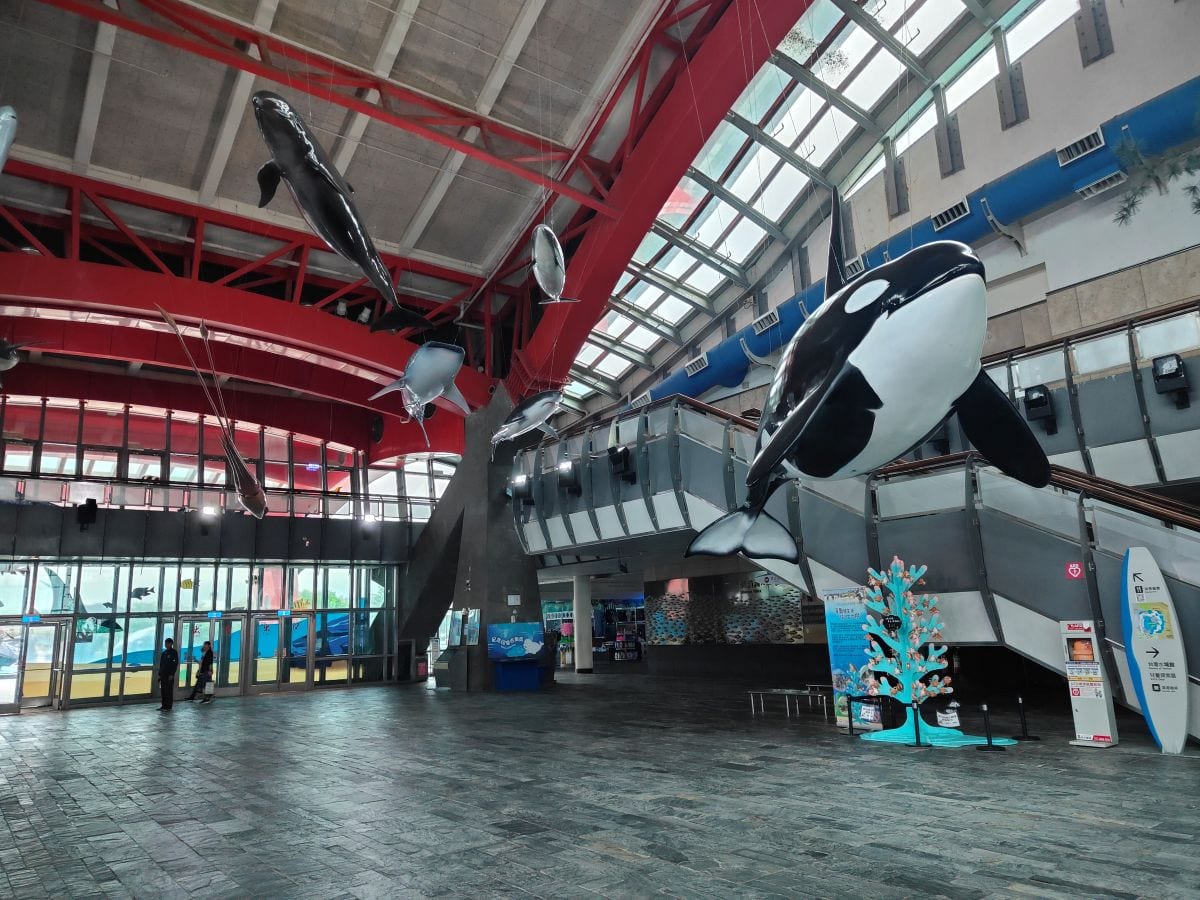
Checking in at the Aquarium
Thank heavens, our mid-afternoon trip to NMMBA went smoothly. It was literally the calm before the storm when we arrived. After receiving our keys, we were ushered into the locker room to store our bags and luggage. The same area had tables and chairs where guests could hang out, have snacks, and chat. We were worried that the museum might not have enough electrical outlets to recharge our gadgets, so we were relieved to find a designated charging area plus a few other outlets around the museum.
There were several shower and changing rooms, each equipped with blow-dryers. Men and women had separate areas. A water fountain and a vending machine selling drinks and instant noodles were also on hand. The whole place felt very much like a college dorm.
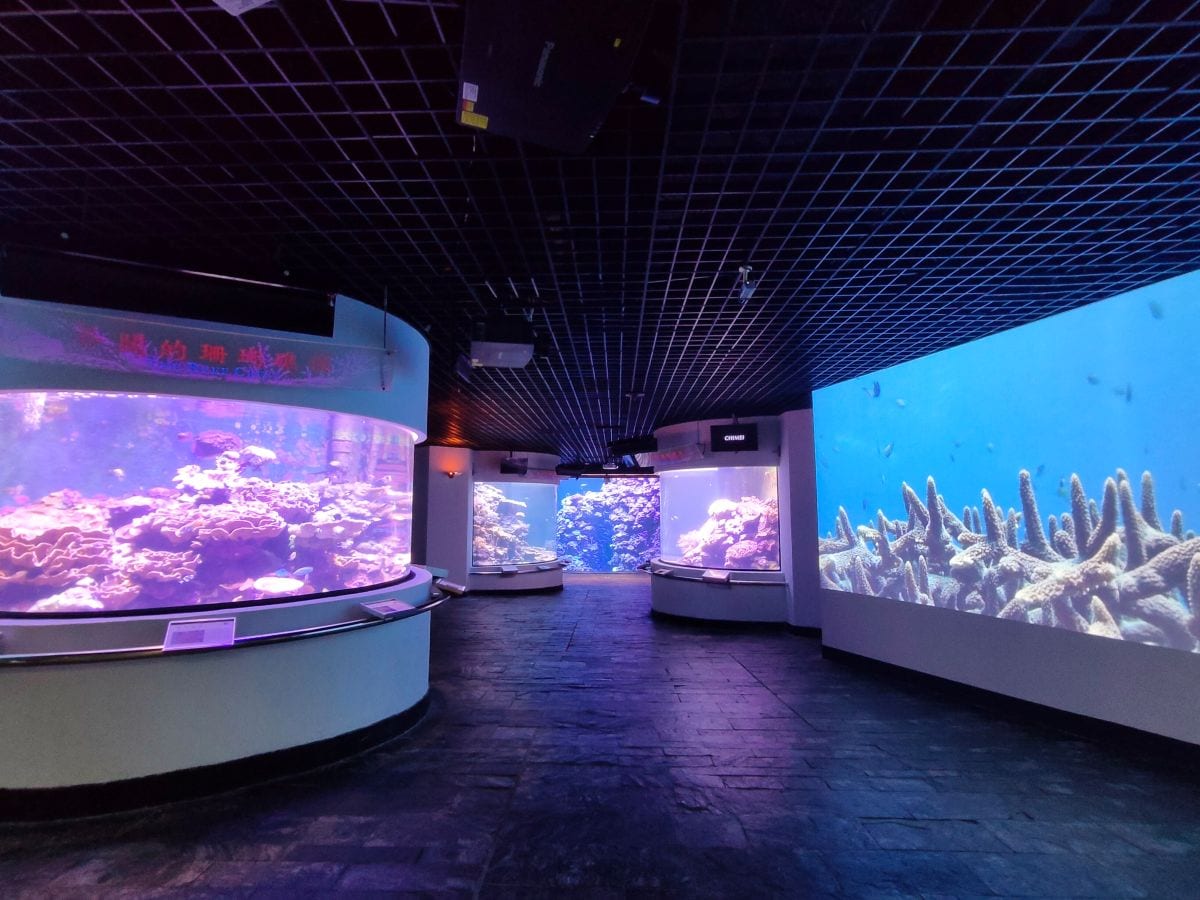
After fixing our bags, we met with our guide at the lobby, who supplied us with all the interesting facts and trivia about the aquatic life inside the museum during the tour. According to the NMMBA website, plans for the museum began in 1991, and it finally opened to the public in February 2000.
The total park area is 588,000 square meters, with the museum complex occupying 358,000 square meters. The aquarium holds a total of 24.14 million liters of seawater, with 15.53 million liters dedicated to exhibit tanks. Our guide says the museum is home to 597 species, and more than 11,000 individual animals. Combining tourism with education, the museum promotes marine conservation and helps visitors better understand marine ecosystems.
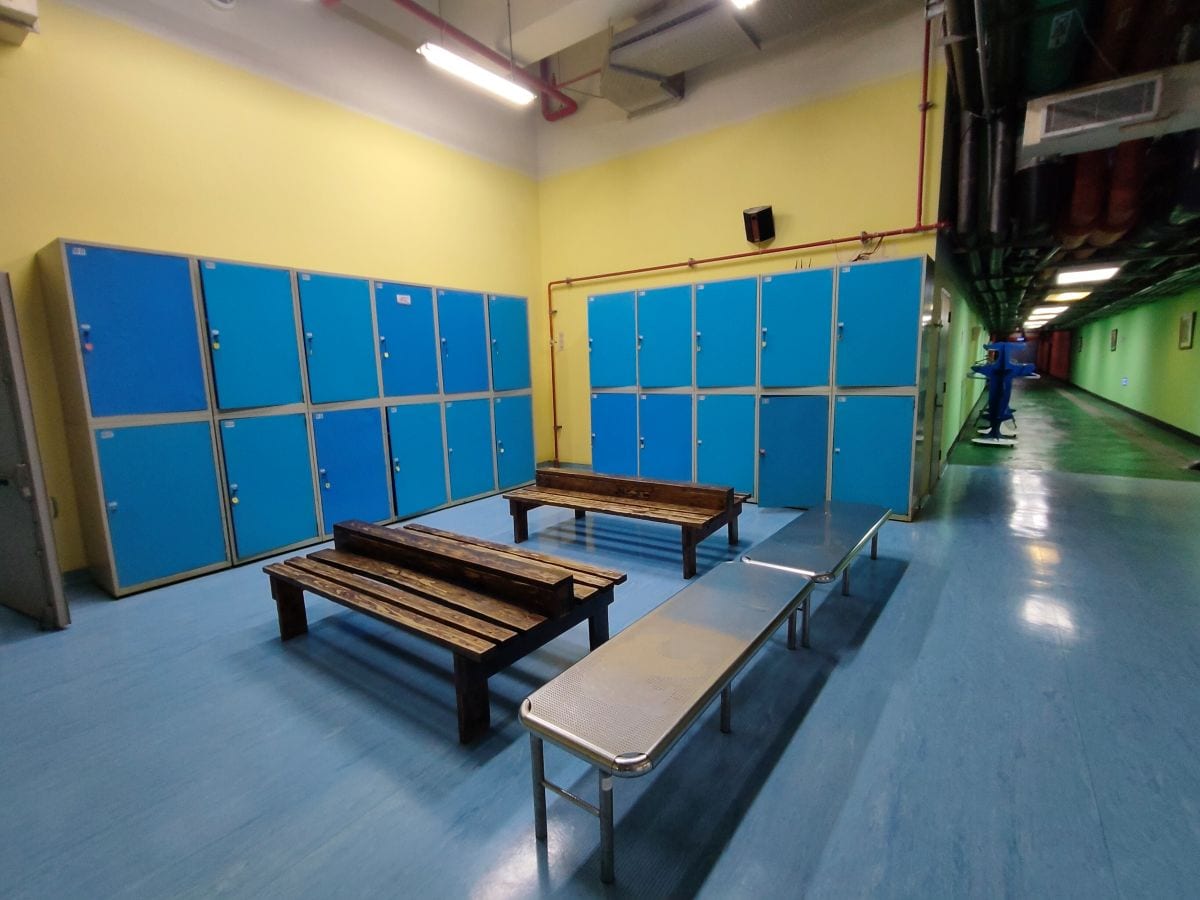
Sleeping with the Stingrays
The complex has three main exhibition halls: Waters of Taiwan, Coral Kingdom Pavilion, and Waters of the World, each showcasing different aquatic environments and marine life. The Coral Kingdom Pavilion, with its 80-meter underwater tunnel, is one of the museum's most fascinating and Instagram-worthy attractions.
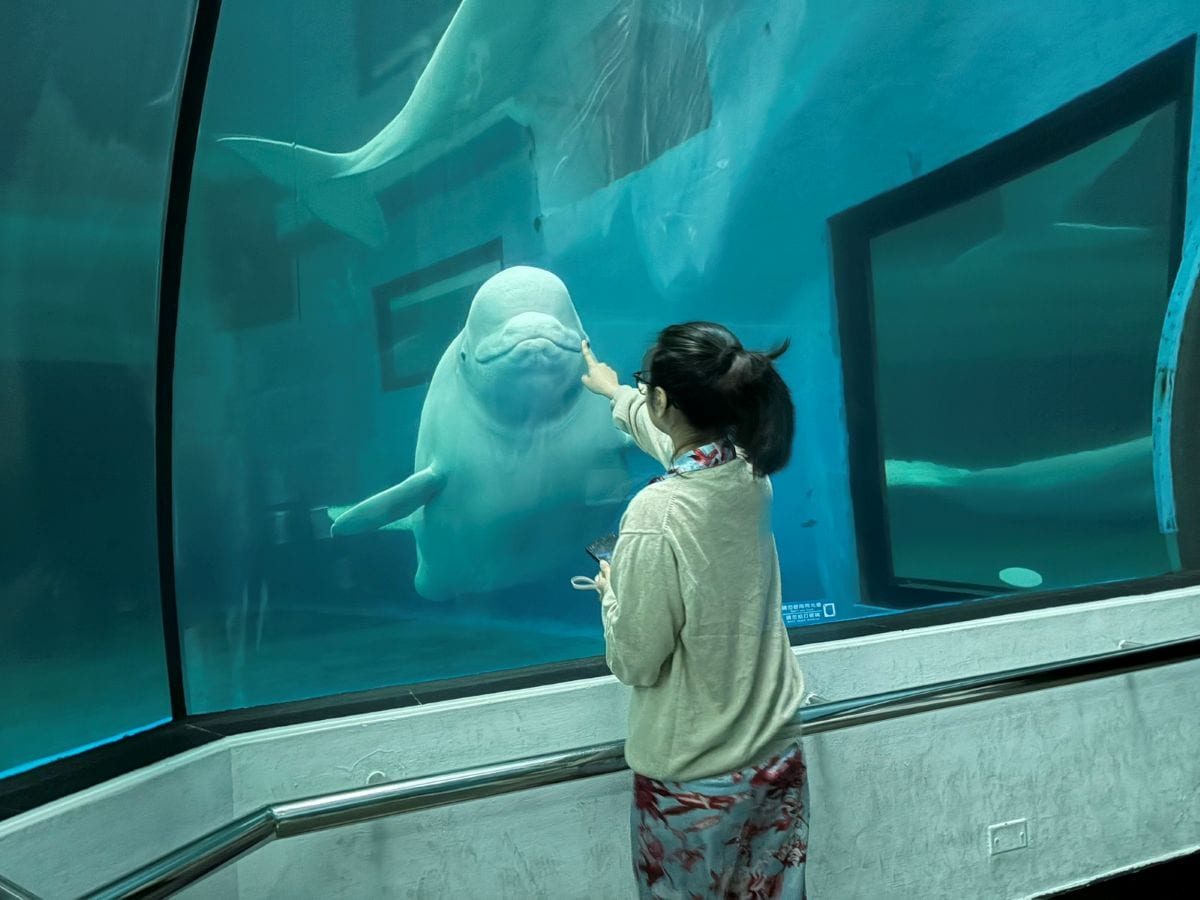
Beluga whales are a joy to watch, especially when they interact with young children. Marine biologists often compare their intelligence and emotional development to that of a human child between three and five years old. From their clumsy movements to their complex communication and playful antics, these white whales display social behaviors that are strikingly similar to those seen in human kids.
At some point, we stopped for dinner. When we resumed the tour, the museum was already dark. Outside, Super Typhoon Champi was howling, but no one seemed particularly bothered. We were more than happy to listen as our guide regaled us with fascinating facts about the sea creatures. Our guide used a red light, possibly to avoid disturbing the many nocturnal marine animals.
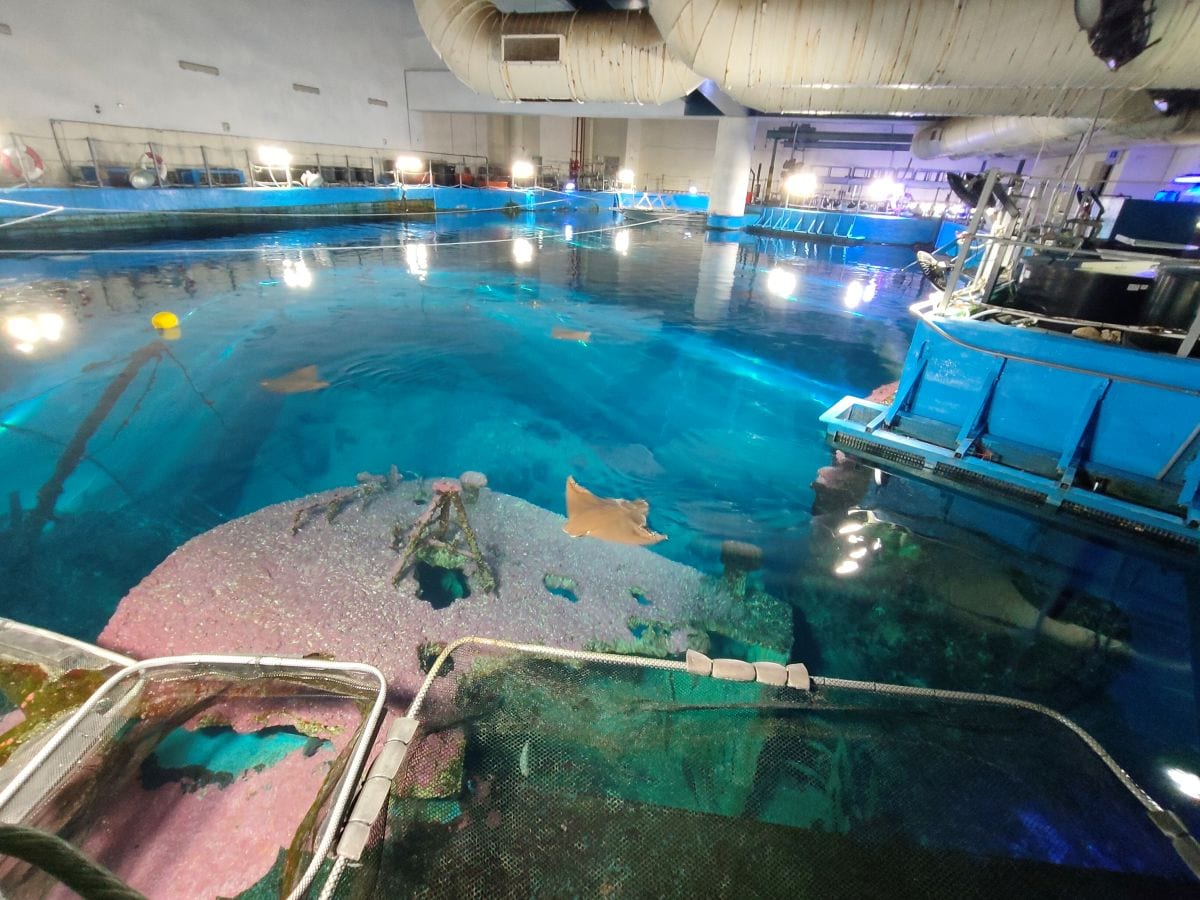
The guide also gave us a glimpse of what goes on behind the scenes to keep the aquarium running. Beyond the massive tanks and carefully recreated marine habitats is a life support system that treats the water and helps maintain suitable conditions for the aquatic animals. An extensive network of pipes and monitoring equipment keeps the system running.
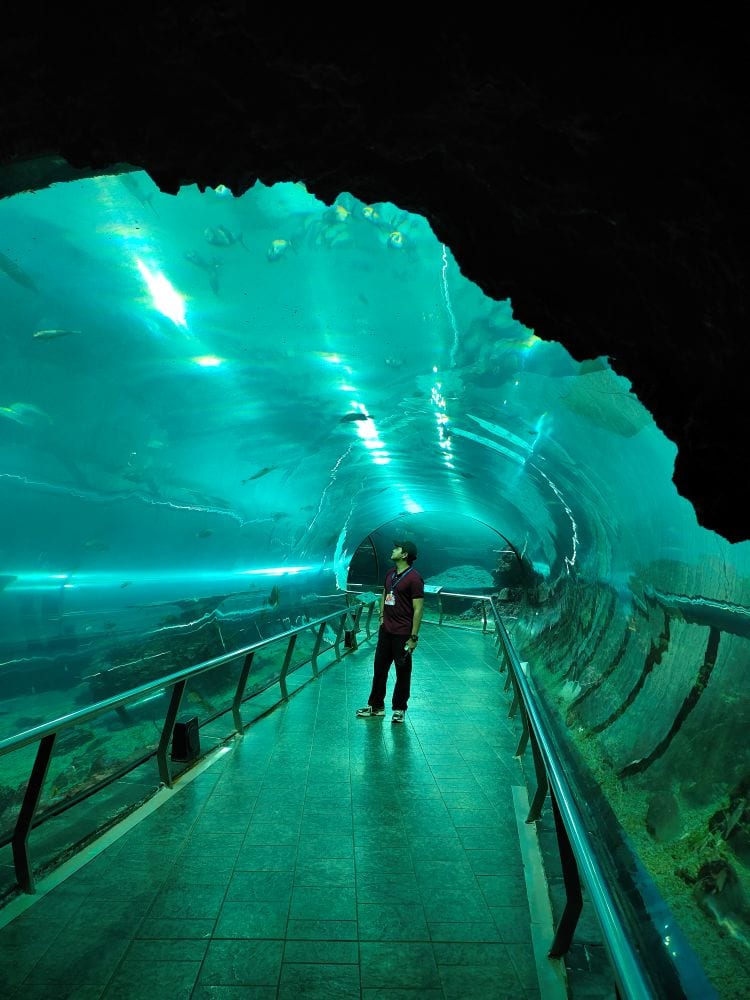
The after-hours tour ended at the underwater tunnel, where each of us was provided with a pillow, a quilt, and a mattress to arrange on the floor. We picked spots near the toilet and away from families with young children. Amazingly, the kids slept quietly through the night.
Around 10:30 p.m., the museum had switched off its lights and Wi-Fi, encouraging everyone to unplug and get some rest. As I lay down and watched a stingray glide above my head, I realized just how unusual our sleeping arrangements were. Most people visit an aquarium to marvel at marine life for a few hours. That night, we got to fall asleep with the ocean as our ceiling.
The overnight experience at the National Museum of Marine Biology and Aquarium costs NT$2,380 per person for the standard package and NT$3,080 per person for seasonal packages, according to the museum's official FAQ, updated in September 2026. The fee includes admission, dinner, breakfast, a late-night snack, organized activities, and overnight accommodation. The program requires at least 15 participants per session. For reservation, visit the official NMMBA website.
Starting this October, AirAsia Philippines increased its Manila–Kaohsiung flights from four to seven times weekly, making it easier for Filipino travelers to explore southern Taiwan.
ALSO READ:
You’re Never Too Old for Hong Kong Ocean Park
How El Nido Resorts Protects Its Paradise
Today I Learned: The Private Island of Balesin Runs Like a Small Country
View More Articles About: