Exploring Cebu and Mandaue’s Cocktail Bars
A quick crawl through Cebu’s bar scene, made possible by the Philippine Cocktail Fiesta 2026.
Published on Nov 27, 2026
In Metro Manila, a lot of bars are built like hallways. Long, narrow spaces make the most of expensive floor area, bringing patrons close enough to overhear one another’s conversations. Intimacy, in these rooms, is often a matter of proximity.
Cebu and Mandaue offer a different proposition where many of the bars I visited had squarer floor plans, higher ceilings, and enough room to let the atmosphere develop without pressing in on the people inhabiting it. Even the lighting seemed to work differently. The dim, indirect illumination that might make a smaller Manila bar feel claustrophobic became atmospheric in a room with more volume.
The Philippine Cocktail Fiesta 2026 gave me the occasion to explore this side of Cebu’s drinking culture. With participating bars spread across Cebu City and Mandaue, however, a crawl requires some logistical sense. Cebu traffic is no joke, and the distances between neighborhoods are not always as manageable as they appear on a map. The Vault Room and The Basement are within walking distance of each other, as are Gamut and WAREHAUS. The Lost Unicorn and Nth Lair are better treated as separate stops.
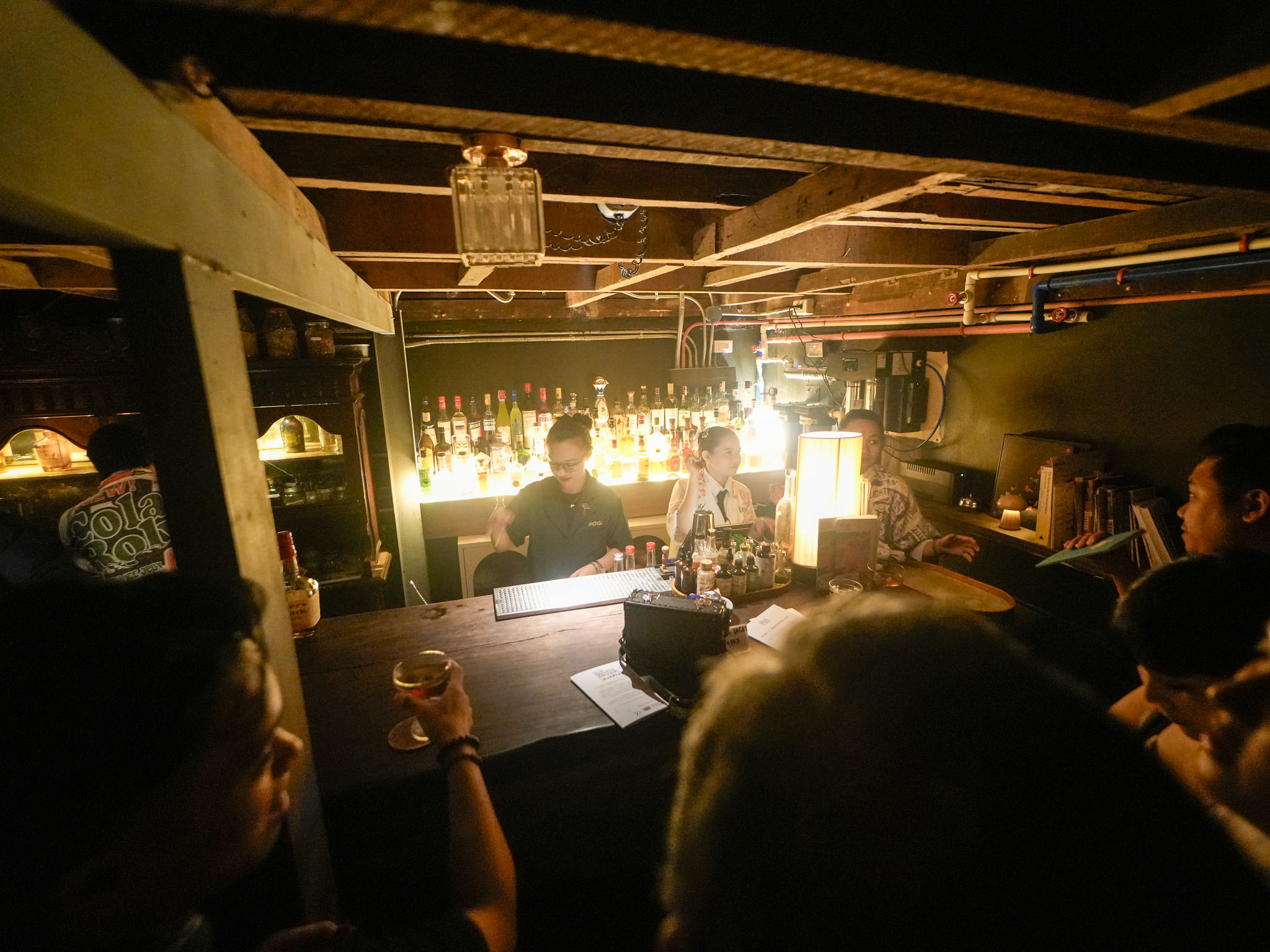
The Basement is quite literally a basement, tucked beneath Balai. Its low ceiling makes it an outlier among the more expansive spaces I encountered, but the room has a character of its own. The crowd draws from the younger titos and titas who frequent Balai, and the atmosphere carries the cultural references of the aughts and early 2010s.
The cocktails lean toward familiar territory, with Manhattan-adjacent offerings that suit the room’s sensibility. There is something reassuring about a bar that knows the generation it is speaking to. The Basement does not need to be architecturally imposing; its appeal lies in the familiarity of its references and the company it gathers.
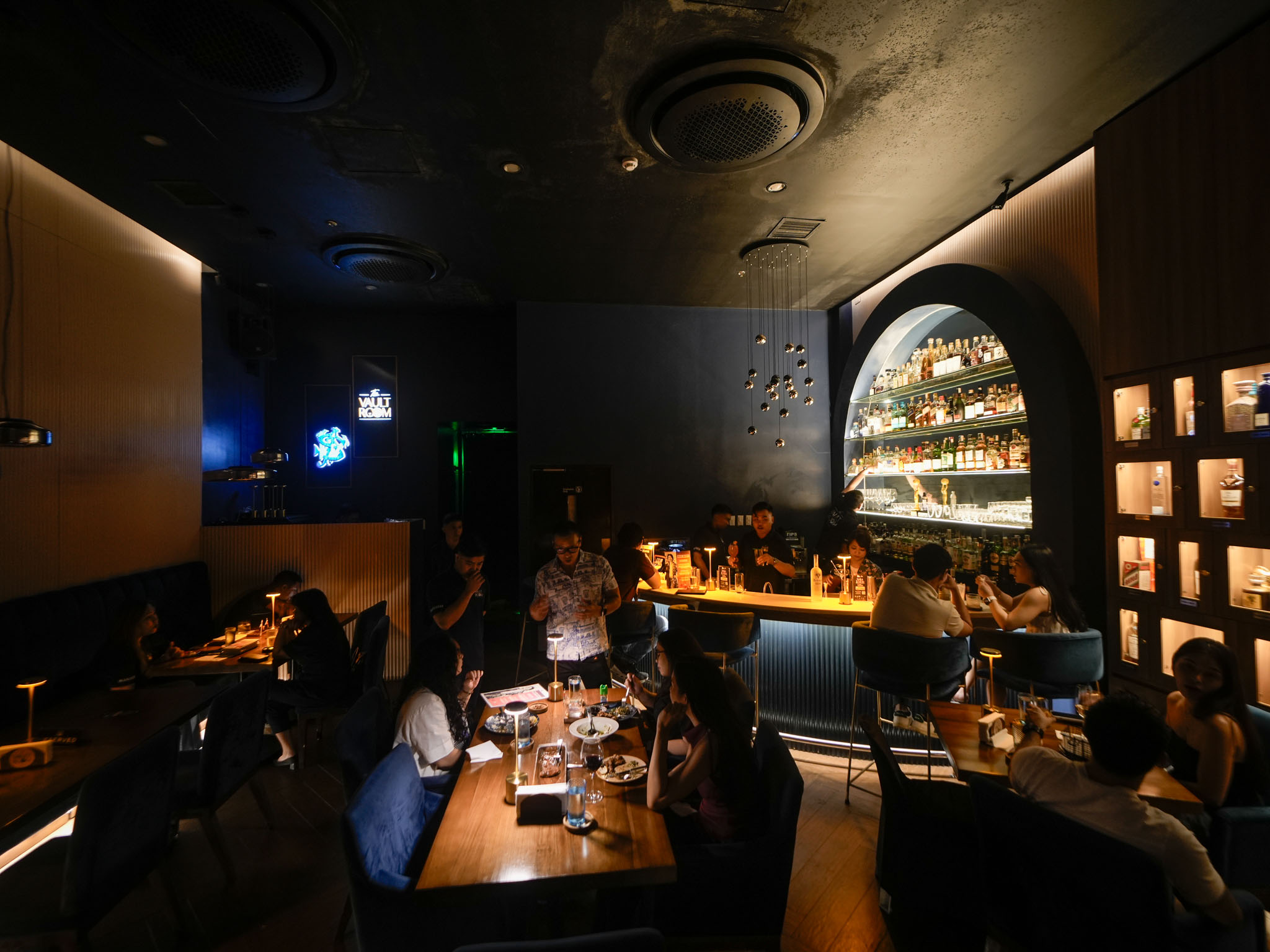
Part of Charlton Wine Store, The Vault Room takes the square footprint and makes a feature of it. The walls mirror the geometry of the floor, creating an almost cubic interior. Its clientele reflects the liquor store's more refined sensibility. Patrons can purchase bottles and have them kept at the bar for future visits, a small but telling arrangement that turns the space into an extension of one's own collection. The cocktails lean toward highball styles that enhance the base spirits. The luxury is not announced through spectacle but built into the experience of returning to a bottle you have chosen and having it waiting for you.
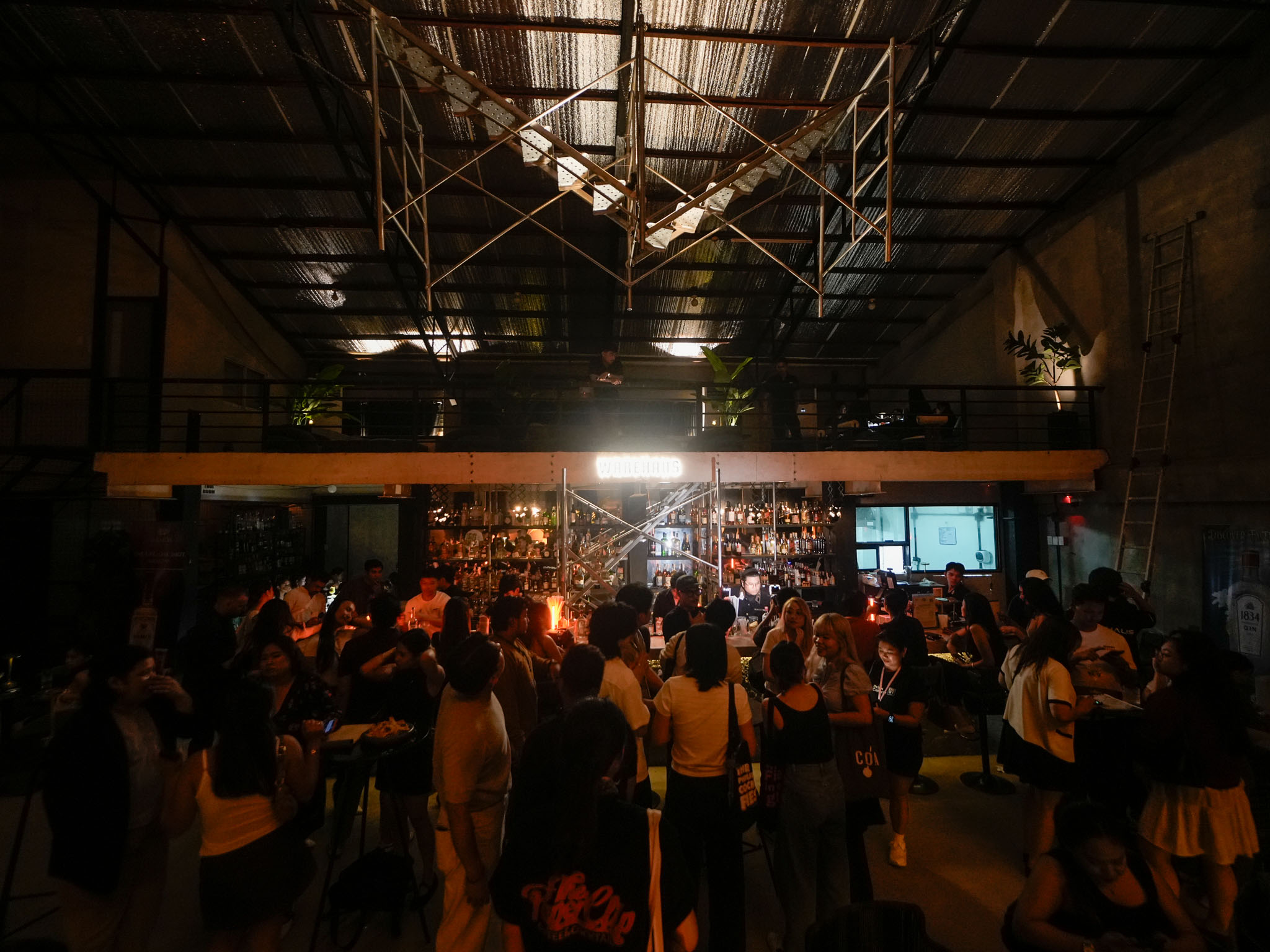
Getting to WAREHAUS involves passing along a poorly lit dirt road, which makes the arrival all the more striking. Inside, the converted warehouse opens into a cavernous space. High ceilings and scaffolding give the room the scale of an action-movie set, with industrial details that make the venue feel more like an action flick set than a conventional bar.
The drinks follow the theme, taking inspiration from heavy machinery and industrial equipment. They tend toward the sweeter end of the spectrum, an approachable entry point for a younger drinking crowd. WAREHAUS understands that a night out can begin with the pleasure of being somewhere unexpected. Its scale is part of the entertainment.
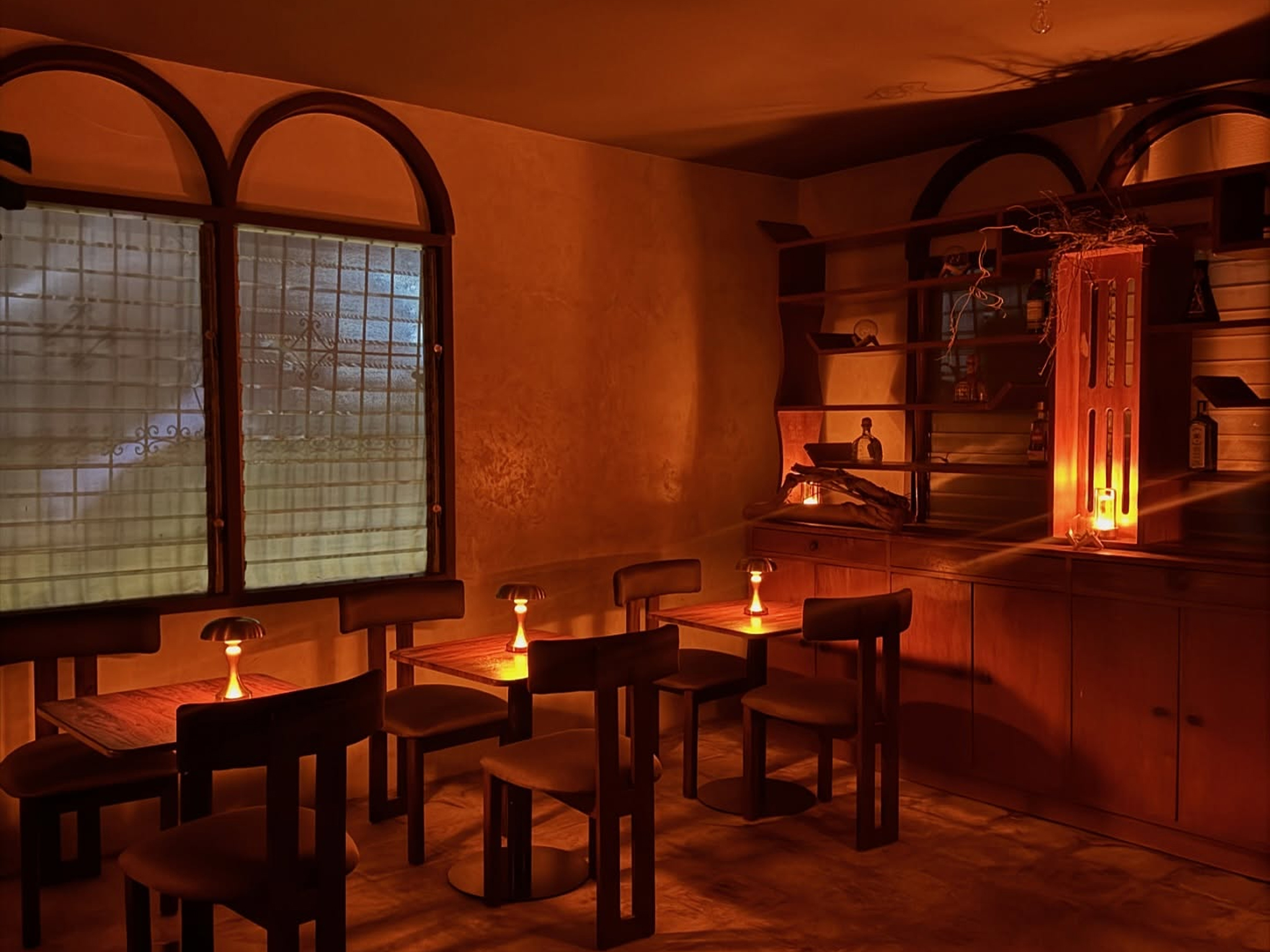
Gamut occupies a converted house, but its menu opens onto a different kind of imaginative space. Its cocktails draw on Philippine engkanto, bringing local mythology into the bar experience. One of its more theatrical presentations involves a flaming tikbalang, a bit of spectacle that makes the menu feel like an invitation to enter a story.
The crowd is young, and the drinks tend toward sweetness. But the bartenders are accommodating, willing to make something personally suited to a guest's preferences. That willingness matters. A themed menu can give a bar a strong identity, but hospitality is what makes the experience feel personal. At Gamut, the mythology may get your attention; the people behind the bar give you a reason to stay.
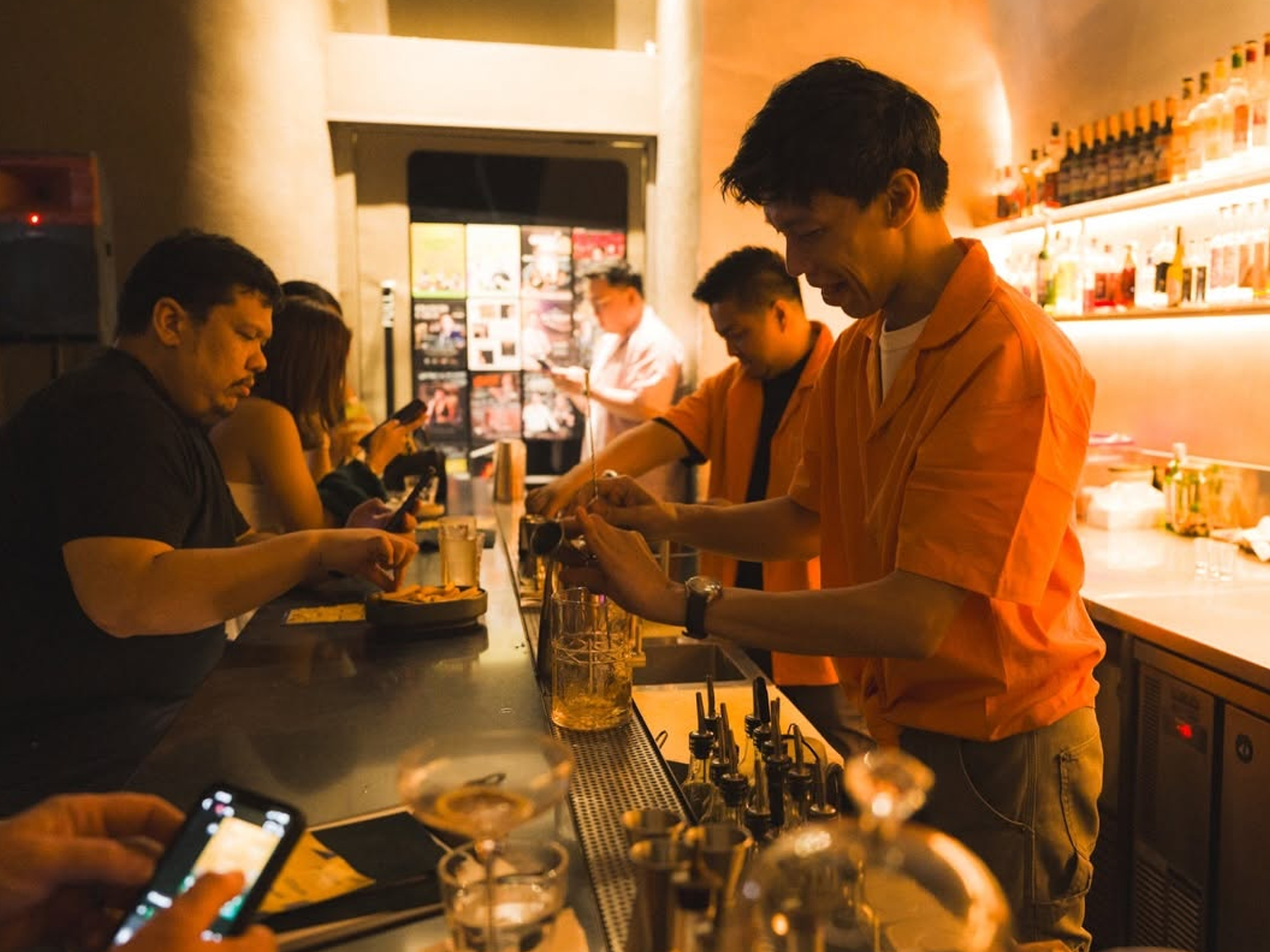
Located in the business district near a major mall, The Lost Unicorn feels like a different proposition from the other bars on this crawl. Its crowd is made up largely of young professionals, and the space is somewhat squeezed. Yet a generous ceiling height preserves a sense of elegance.
A chrome light fixture with a hammered effect casts a cool glow over the room, giving the interior a distinctive finish without overwhelming it. The signature drinks make their impression through spice and umami, offering a more savory direction than the sweeter profiles found elsewhere on the crawl. The Lost Unicorn is a reminder that a room does not need a generous footprint to feel considered. Height, light, and the way a space is finished can do much of the work.
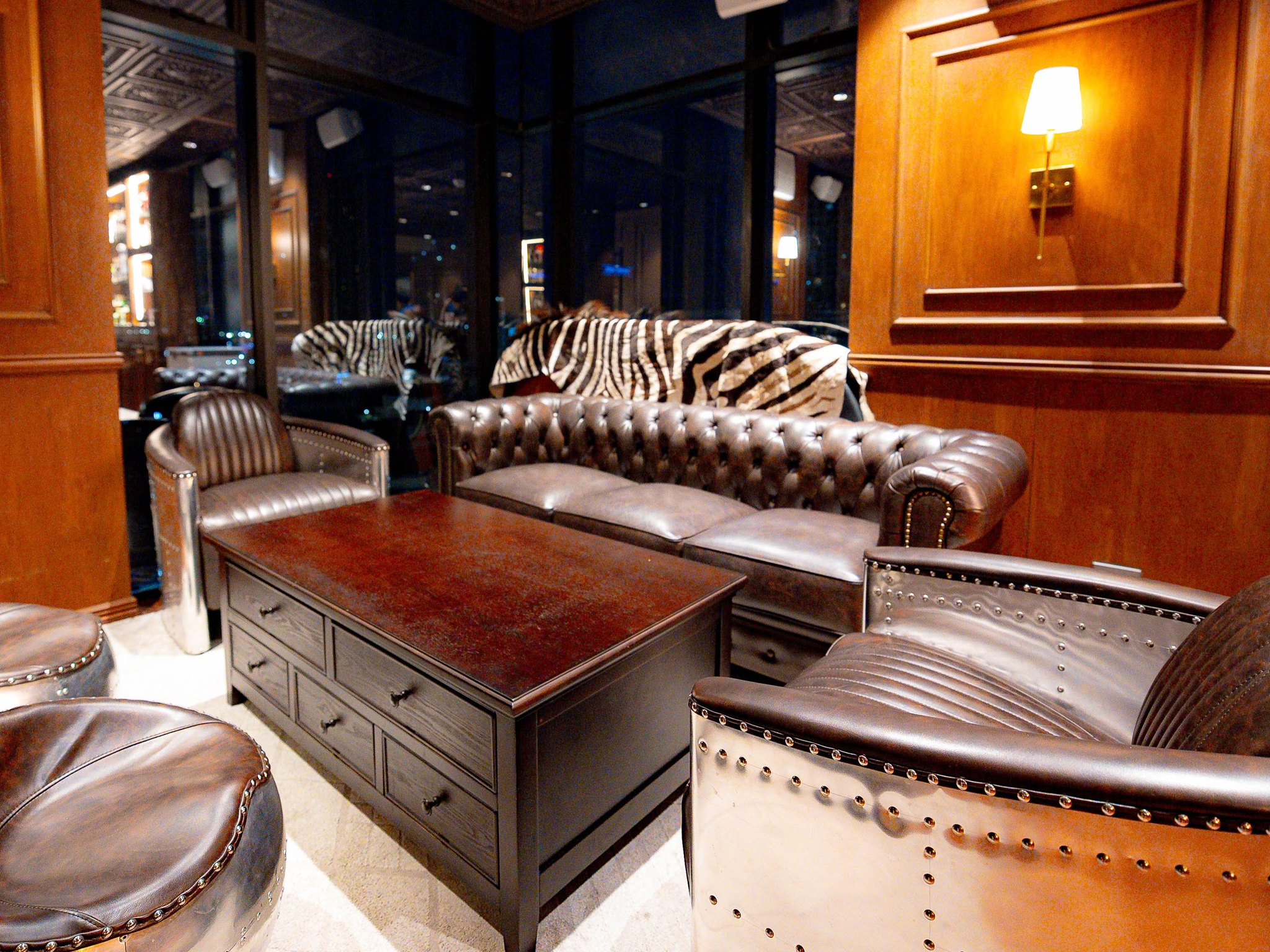
About a 25-minute walk from The Lost Unicorn, Nth Lair occupies the penthouse of Amber Hotel. It is a lounge-style bar whose interiors and drinks take inspiration from Chinese opium dens of the 20th century. The reference gives the place a distinct visual and drinking identity, but what makes it memorable is the community that has formed around it.
Nth Lair is so beloved by its regulars that any night feels like a party. The room seems to have a life beyond whatever the bar has planned for the evening. Its energy comes from people who know one another, who return often, and who have made the place their own. It is a different kind of hospitality: less about staging an experience for visitors than sustaining a gathering that already belongs to its patrons.
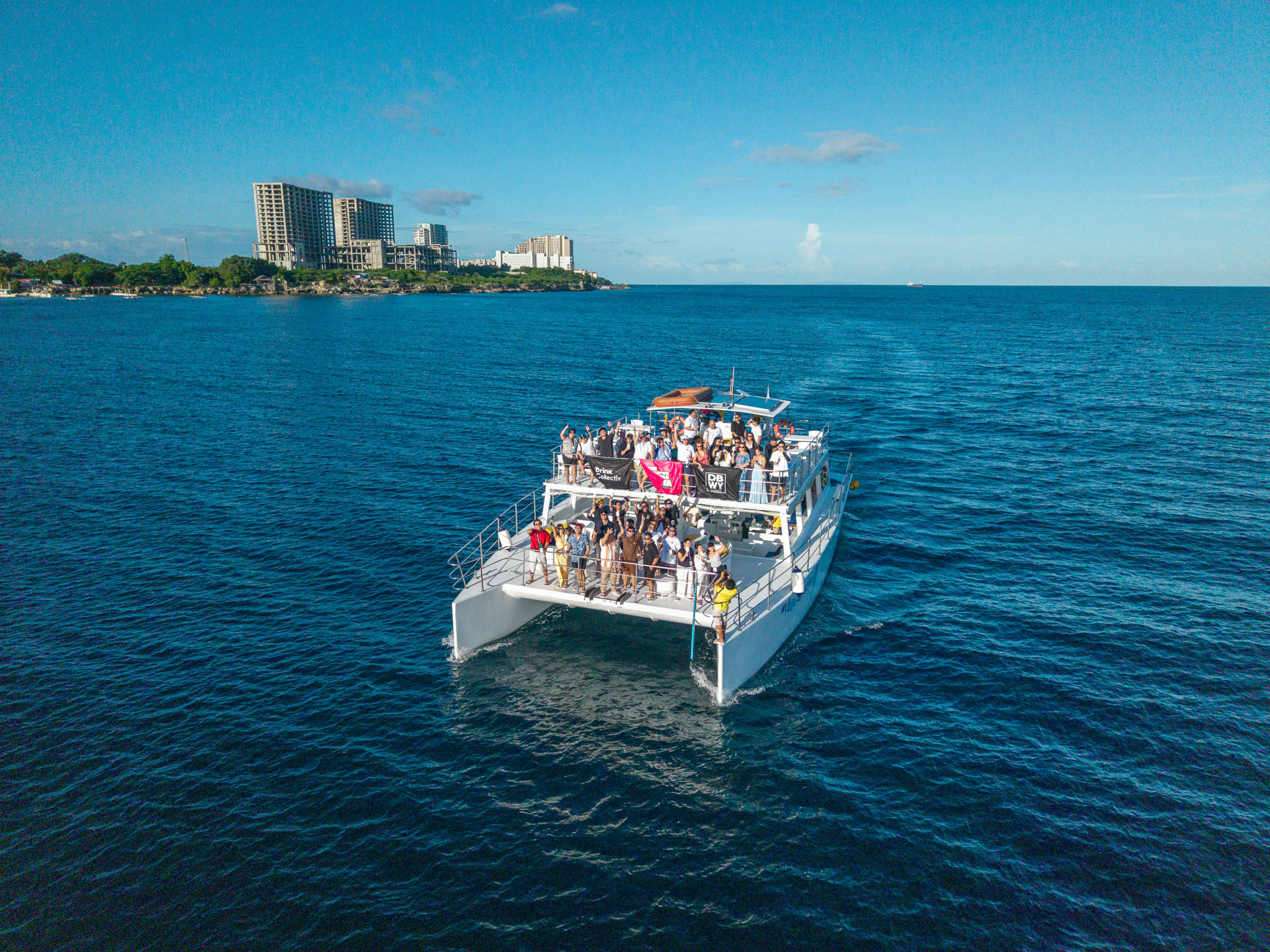
Taken together, these bars make a case for thinking about space as more than a matter of square footage. Architecture shapes the way a drink is experienced, from the intimacy of a low-ceilinged basement to the spectacle of a converted warehouse. Lighting can make a tight room feel elegant; a generous floor plan can give a gathering room to breathe. And the people who return night after night can give a bar a character no interior designer can manufacture.
The drinks matter, of course. A good bartender should know the classics, and should be able to make something beyond the menu for a guest who knows what they like—or is still figuring it out. At Gamut, that might mean a bespoke drink made to suit a particular palate. At The Vault Room, it might mean returning to a bottle kept for you. At Nth Lair, it might simply mean finding yourself folded into a party already in progress.
The Philippine Cocktail Fiesta gave me a reason to visit these bars and see how differently each one approaches the business of making people stay. But the best bar is not necessarily the one with the most elaborate menu or the most spectacular interior. It is the one where the room, the drinks, and the people make you feel at home.
ALSO READ:
Philippine Cocktail Fiesta 2026 Presents: The Lost Unicorn’s Picture Book Menu
Four Bars, Three Cities, One Night: A Pub Crawl Across the Pasig–Mandaluyong–San Juan Corridor
Ten Bars: Reconnaissance Is Key to a Night in the Scout Area
Craft cocktails, social justice, books, board games, and TTRPG. Chopsuey.