The 100 Most Powerful People in the Philippines: Titans of Industry
From founders and executives, these are the most powerful and influential names in business in the country.

Published on Jun 30, 2026
Power doesn’t always announce itself. More often, it reveals itself in subtler ways—in the shift of attention when a certain person enters the room, in the weight carried by a single statement, and the reactions others make in response to it.
At its core, power is the ability to shape outcomes. It can come in the form of formal authority, institutional control, or the far-reaching pull of influence. Some wield it through public office, others through business empires, and still others through platforms that command vast audiences. However it manifests, its effects are undeniable.
The individuals on this list represent the many faces of power today. Each holds a distinct capacity to direct conversations, move markets, or influence the national mood. Taken together, they offer a snapshot of who—and what—drives the Philippines forward today.
ALSO READ:
The 100 Most Powerful People in the Philippines: Government and Spiritual Leaders
The 100 Most Powerful People in the Philippines: Wielders of Soft Power
Anton Huang
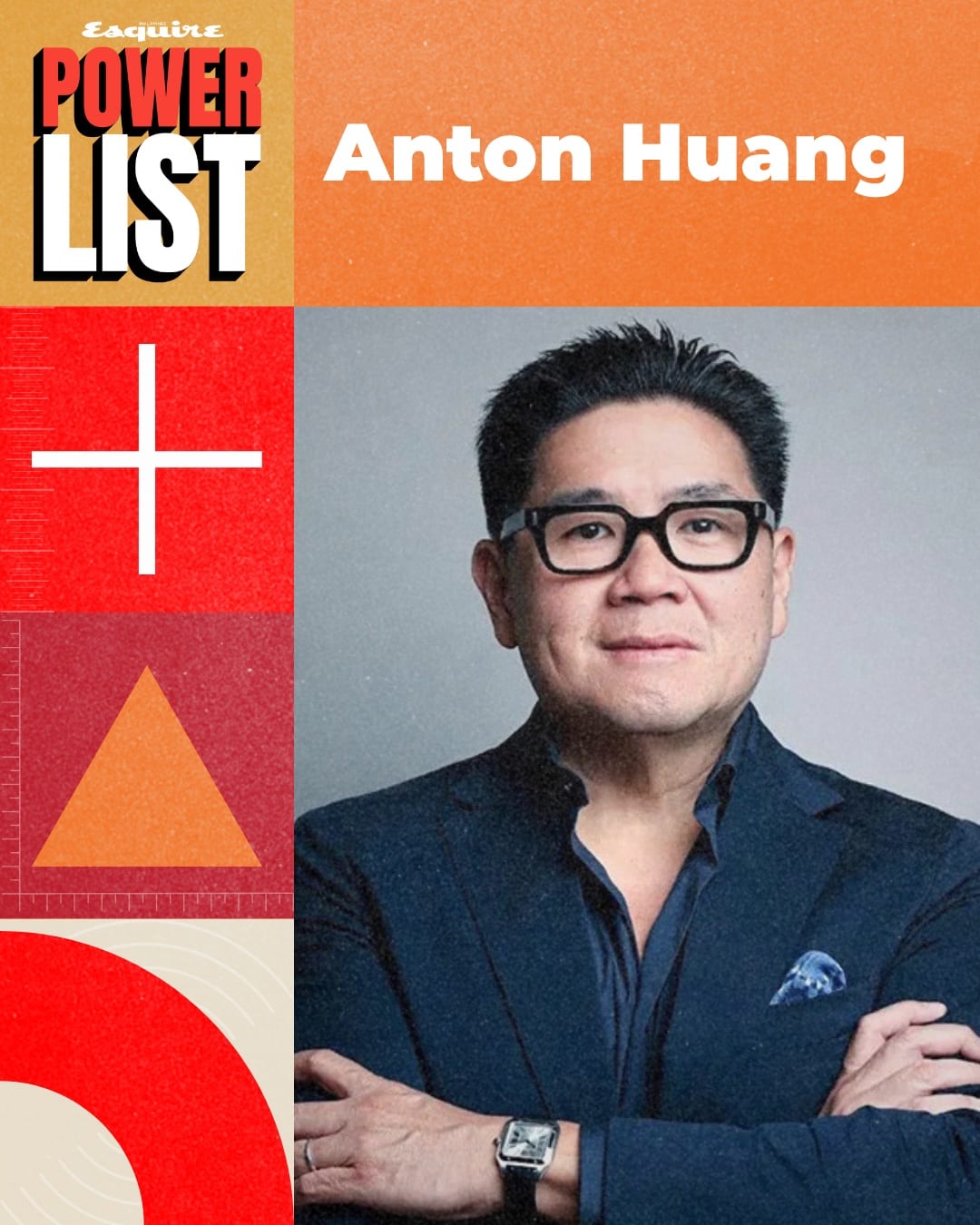
Anton Huang is the president of Stores Specialists Inc., (SSI), which is the country’s gateway for some of the world’s most coveted brands—from Prada and Gucci to Zara and many more. That gives Huang outsized influence over how international fashion and lifestyle trends enter and take root in the country. In recent years, SSI has grown to include brands outside of fashion, including personal care and cosmetics (Beauty Bar, Acca Kappa), Home and Lifestyle (Pottery Barn, American Tourister), and Food and Beverage (Shake Shack, SaladStop! TWG Tea).
TG Limcaoco
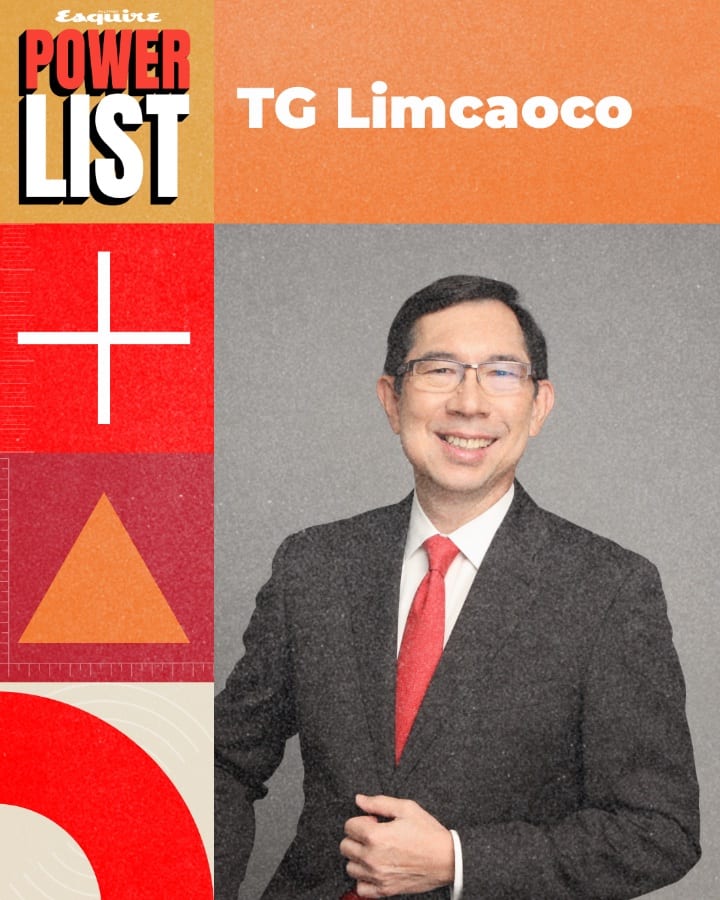
Jose Teodoro “TG” Limcaoco leads Bank of the Philippine Islands (BPI), one of the country’s oldest and most influential financial institutions. Under his leadership, BPI has accelerated its push into digital platforms while maintaining its stronghold among corporate clients and affluent Filipinos. Even in instances when things don’t go according to plan, such as the recent outage on BPI’s digital channels, Limcaoco proved his leadership by going front and center and assuming command responsibility for the incident. Clearly, Limcaoco’s influence is not just about scale, but about trust, guiding an institution that has long been a symbol of stability and innovation in Philippine banking.
William Belo
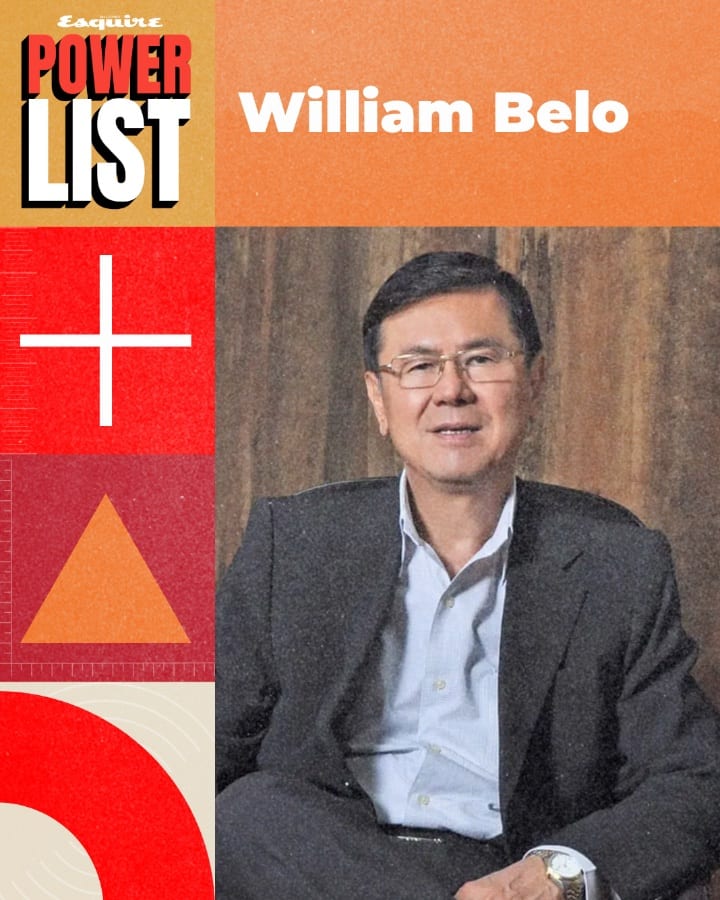
William Belo has transformed Wilcon Depot from a modest hardware business into one of the Philippines’ most dominant home improvement retail chains. Under his leadership, the company expanded aggressively across the country, introducing large-format depot stores that cater to both professionals and everyday homeowners. Belo’s eye for market demand and commitment to offering a wide assortment of high-quality products—from tiles and sanitary ware to construction materials—helped position Wilcon as a one-stop shop for building and renovation needs. Beyond expansion, he professionalized operations and strengthened supplier partnerships, ensuring consistent growth and customer trust. Today, Wilcon stands as a leading figure in the industry, reflecting Belo’s vision, discipline, and ability to scale a local enterprise into a nationwide powerhouse.
Masando Hashimoto
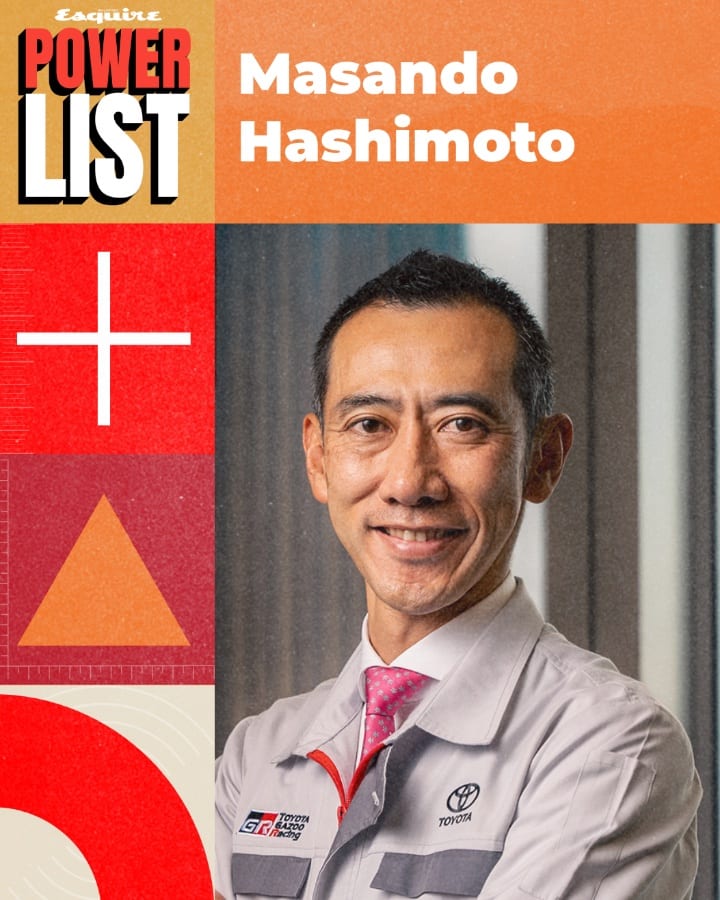
As president of Toyota Motor Philippines, Masando Hashimoto leads the country’s dominant automotive brand. Toyota’s scale in the Philippines—spanning manufacturing, distribution, and financing—makes it a critical player in both industrial activity and consumer mobility. Toyota has been the undisputed number one selling vehicle brand in the Philippines for decades, and thanks to Hashimoto’s leadership, it doesn’t look like it will let go of this title anytime soon. Through Toyota, Hashimoto represents the enduring impact of Japanese investment in the Philippine economy.
Ramon Ang
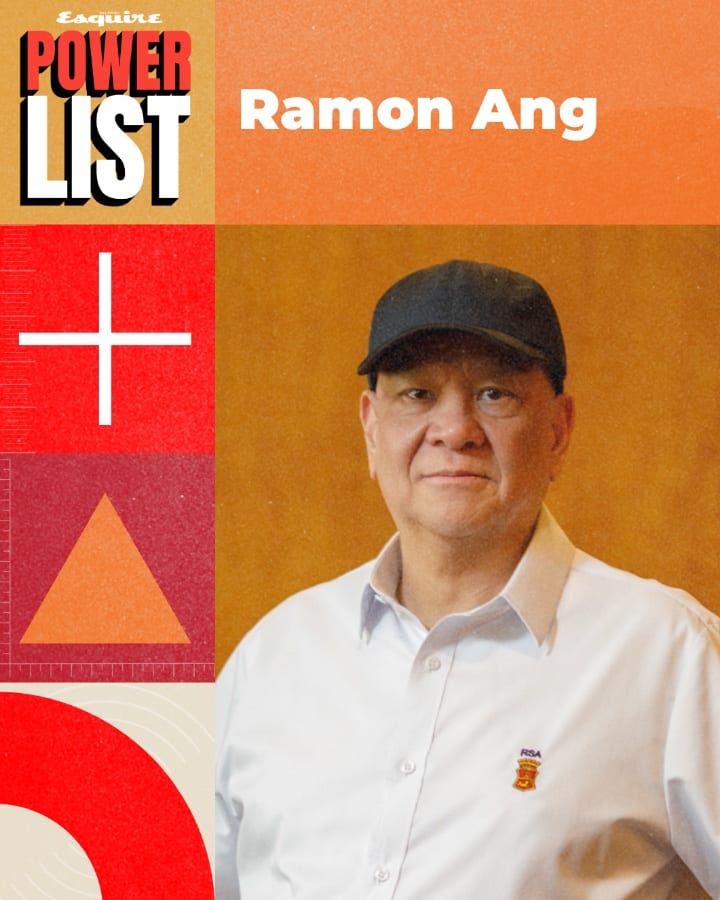
As president and CEO of San Miguel Corporation, Ramon Ang is one of the country’s most high-profile industrialists. Beyond its core businesses of food and beverage, packaging, and power, SMC is also leading a massive infrastructure push, from expressways and airports, helping shape the Filipino’s modern everyday life. Ang’s power lies not just in scale, but in execution—his ability to turn ambitious, capital-heavy projects into reality, often in partnership with government. In an era where infrastructure defines economic growth, Ang is both a builder and a gatekeeper, steering projects that will determine how Filipinos move, consume, and connect for decades to come.
Enrique Razon Jr.
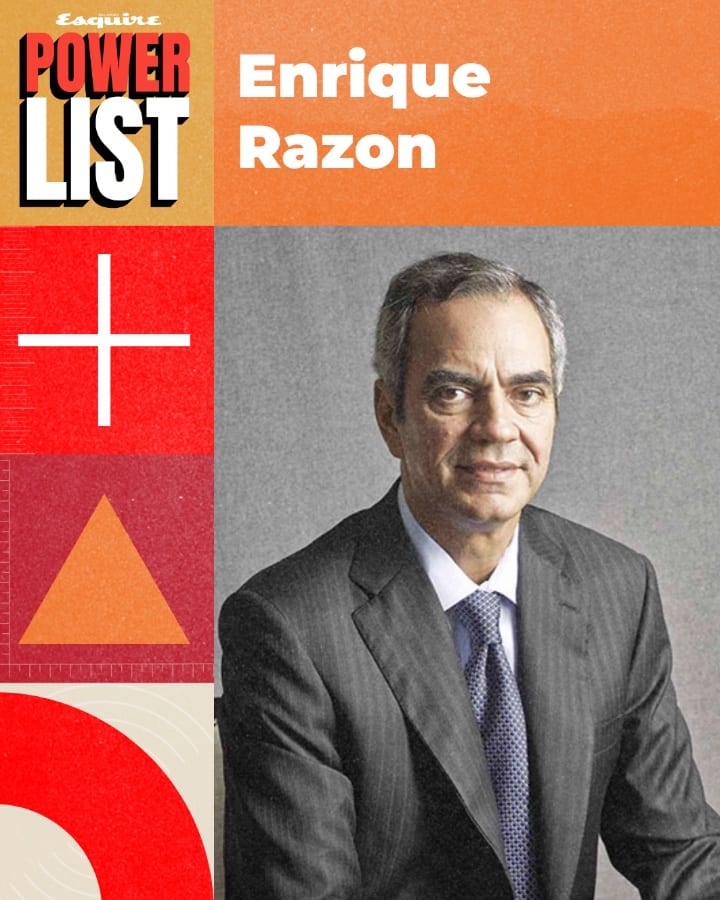
One of the country’s richest men, Enrique Razon Jr. commands global influence through logistics company International Container Terminal Services Inc. (ICTSI). Outside of ICTSI, Razon’s expansive business empire covers several major industries, including gaming and Hospitality (he is the chairman of Bloomberry Resorts Corporation, which developed and operates the Solaire Resort and Casino in Entertainment City and in Quezon City); water and utilities (he is chairman of Manila Water Company, which serves millions in Metro Manila and the Rizal Province); and energy and infrastructure through Prime Infrastructure Holdings, which includes massive renewable energy projects and substantial stakes in offshore natural gas assets like the Malampaya gas field.
Manny Pangilinan
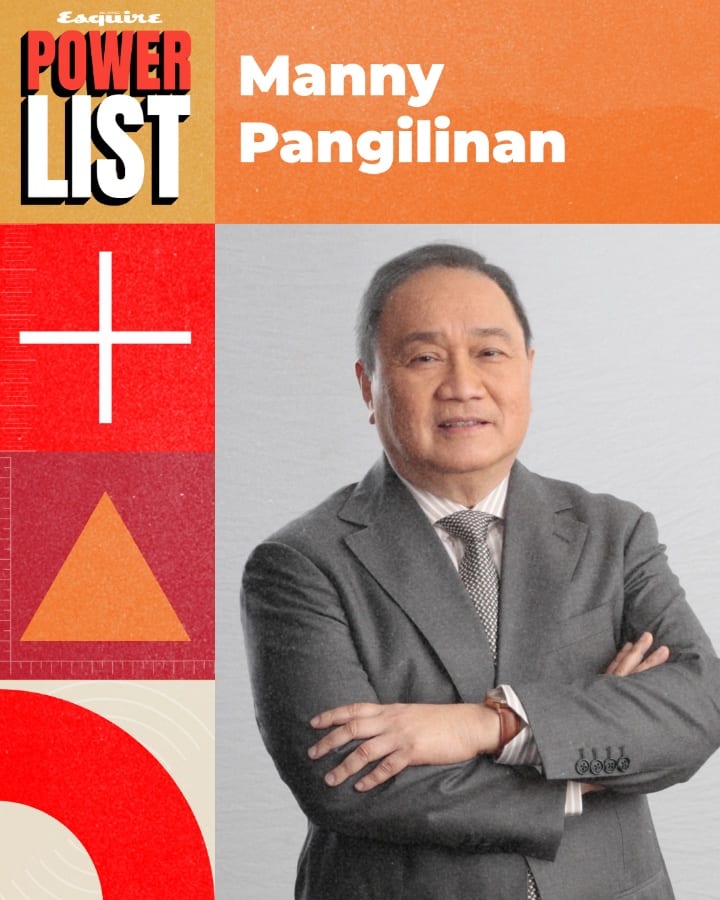
Manuel V. Pangilinan remains one of the country’s most influential business leaders, with interests spanning telecommunications, infrastructure, energy, and healthcare. As chairman of PLDT and Metro Pacific Investments, his reach extends into critical services that underpin national development. Turning 80 years old this month, Pangilinan’s influence is amplified by his ability to attract capital, forge partnerships, and navigate regulatory landscapes. Even amid shifting industry dynamics, he remains a central figure in shaping how Filipinos communicate, access utilities, and experience urban life.
Tessie Sy-Coson
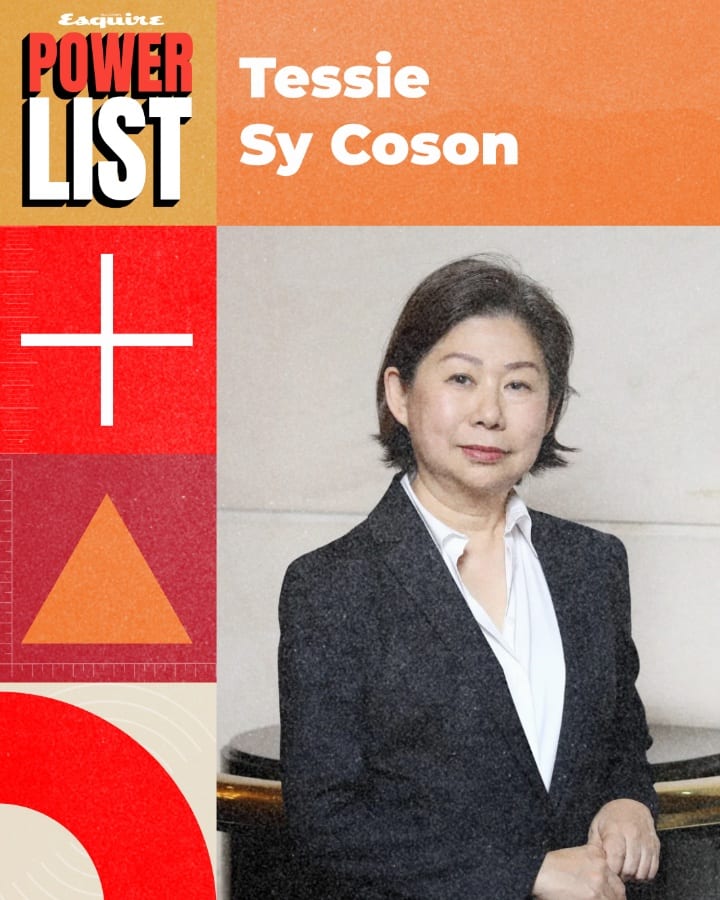
Teresita Sy-Coson is widely regarded as the force behind the SM Group’s expansion into banking and retail. Consistently recognized as one of the country’s wealthiest women, she is vice chairperson of SM Investments and chairperson of BDO, the country’s largest bank in terms of assets and branch network. Having joined the family enterprise shortly after college, she was instrumental in launching the group's first department store in 1972 and scaling it into the country's largest retail network. Sy-Coson’s influence is both institutional and cultural, helping formalize how Filipinos spend, save, and access credit.
Kevin Tan
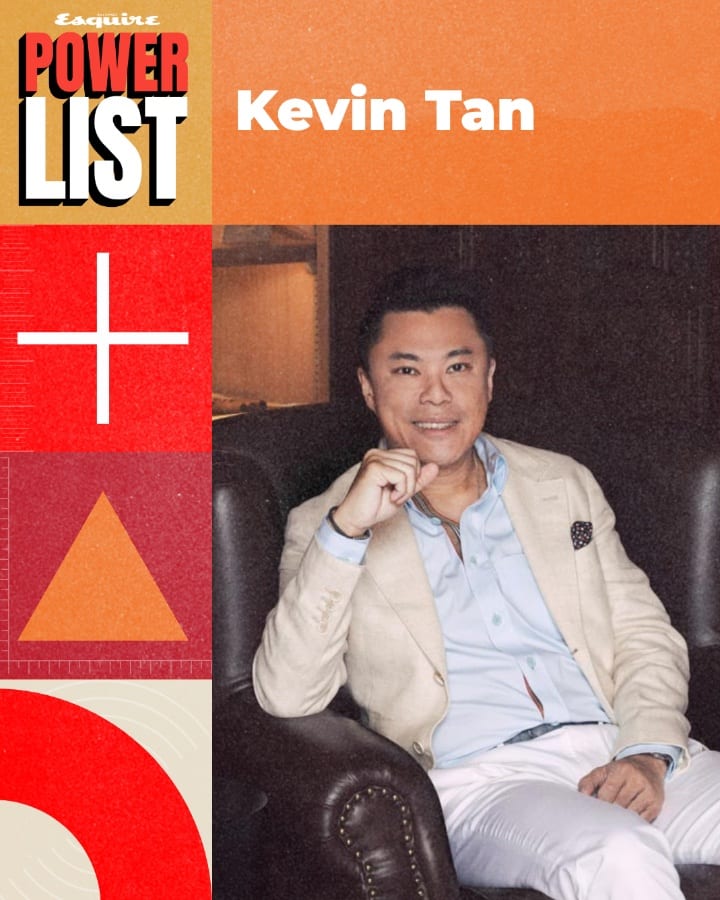
Kevin Tan is redefining conglomerate and big business leadership for a younger, more globalized era. The CEO of Alliance Global Group oversees interests in real estate, tourism, liquor, and gaming. He has helped expand Megaworld’s township model and Emperador’s global footprint and continues to find new avenues to widen the company’s reach not just in the Philippines but outside the country. Taking over from his father, Tan represents a shift toward lifestyle-driven business, where property, hospitality, and consumption converge.
Hans Sy
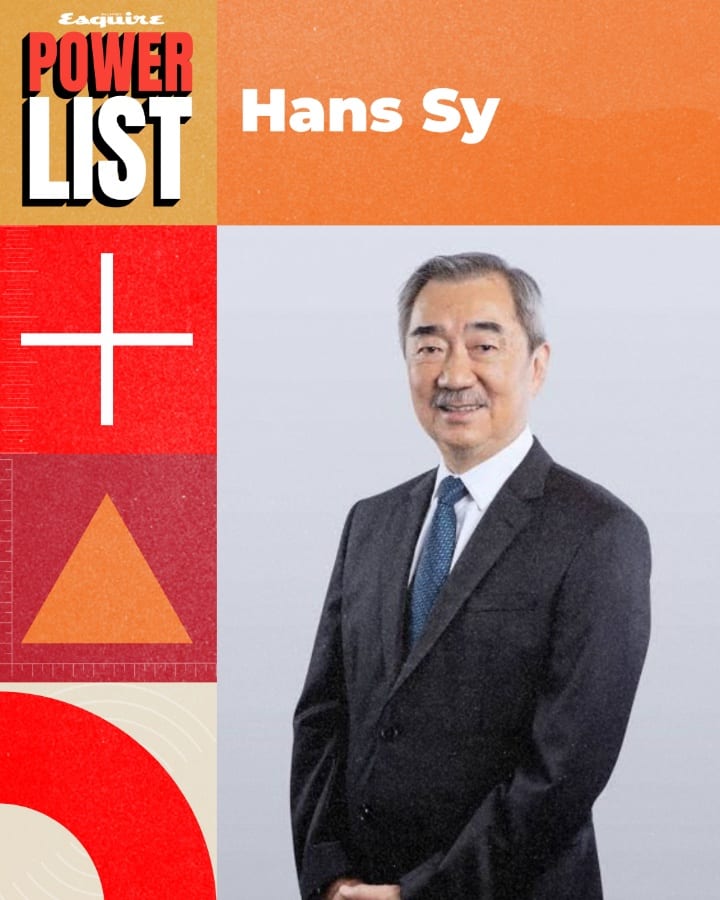
Hans Sy's role in the SM empire focuses on property development and integrated urban spaces. As chairman of SM Prime Holdings, he oversees malls, residences, and commercial hubs that define modern Filipino lifestyles. He is also chairman of China Banking Corporation, helping guide the bank's corporate governance, sustainability, and compliance strategies. In these roles, he helps shape how cities grow—where people shop, live, and gather. In a country where retail and real estate intersect with culture, Sy wields considerable influence over the ordinary Filipino’s way of life.
Martha Sazon

The president and CEO of GCash operator Mynt leads the Philippines’ most dominant fintech platform. Tens of millions of users rely on GCash for payments, savings, and credit, and Martha Sazon is at the core of the leadership team helping usher the company toward an initial public offering that just might be the biggest in the country’s history. In a country rapidly transitioning to digital finance, Sazon sits at the forefront of financial inclusion.
Federico "Piki" Lopez
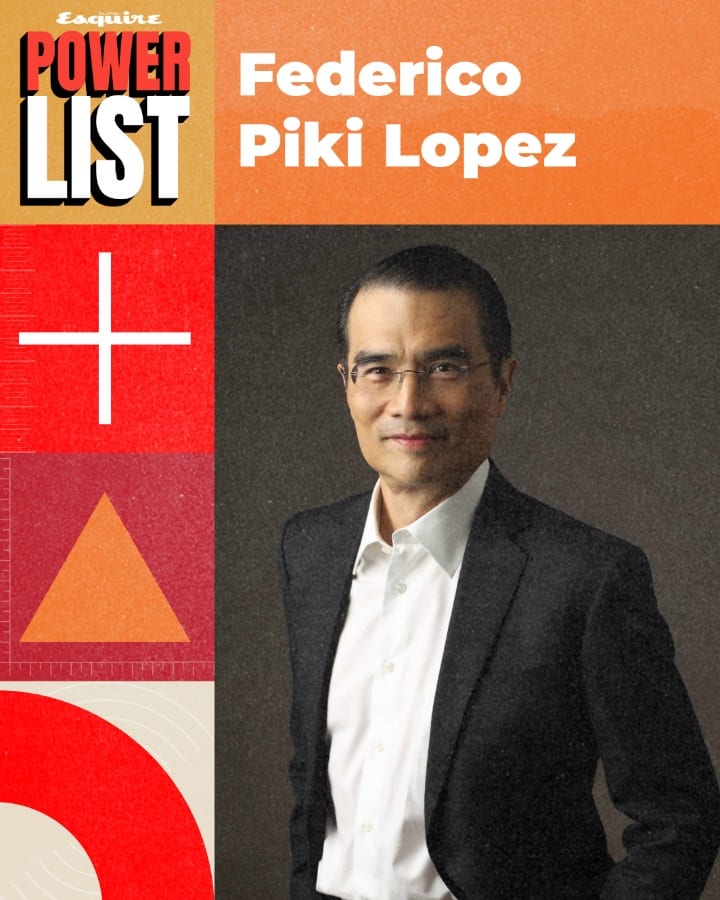
A high-profile controversy involving his cousins aside, no one can deny the power and influence of Federico “Piki” Lopez. The chairman and CEO of First Philippine Holdings Corporation (FPH) and First Gen Corporation, Lopez leads a diverse set of corporate interests, including major energy, real estate, and manufacturing businesses under the Philippines' prominent Lopez conglomerate. Helping pilot the decades-old business through multiple rough patches throughout its history, Lopez has become a key voice in the country’s transition to cleaner energy, helping shape the conversation around responsible capitalism.
Felipe Gozon
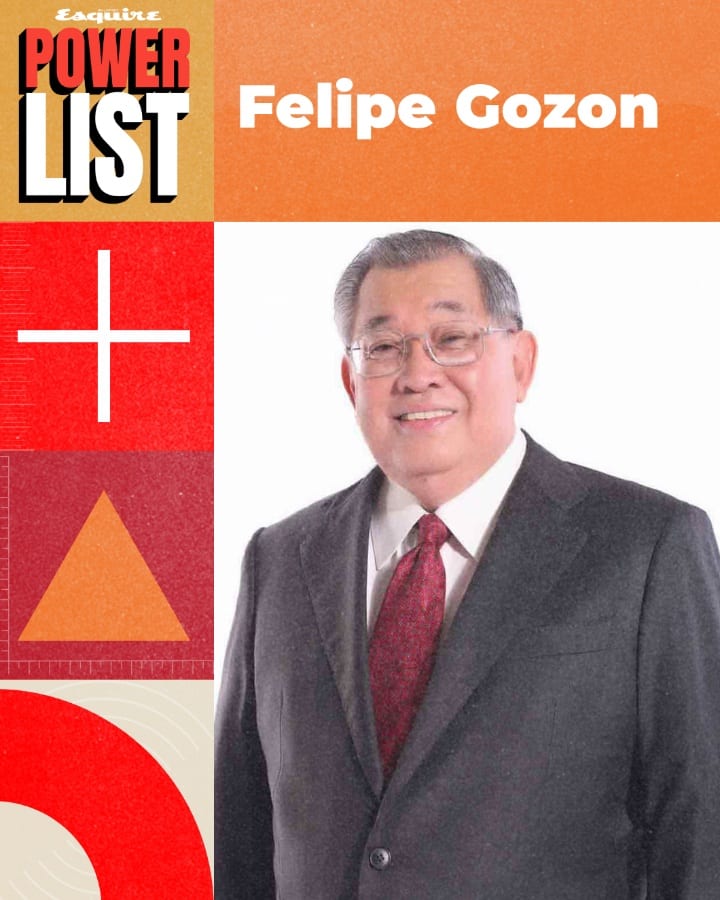
Felipe Gozon remains a defining force in Philippine media. As chairman of GMA Network, his influence extends beyond broadcasting into public discourse itself. Navigating the tectonic shift in how audiences consume content amid the rise of digital and social media, Gozon plays a key role in shaping narratives, culture, and political awareness. And In a country where television still commands mass audiences, Gozon and GMA Network’s power and influence are inescapable.
Jaime Augusto Zobel de Ayala
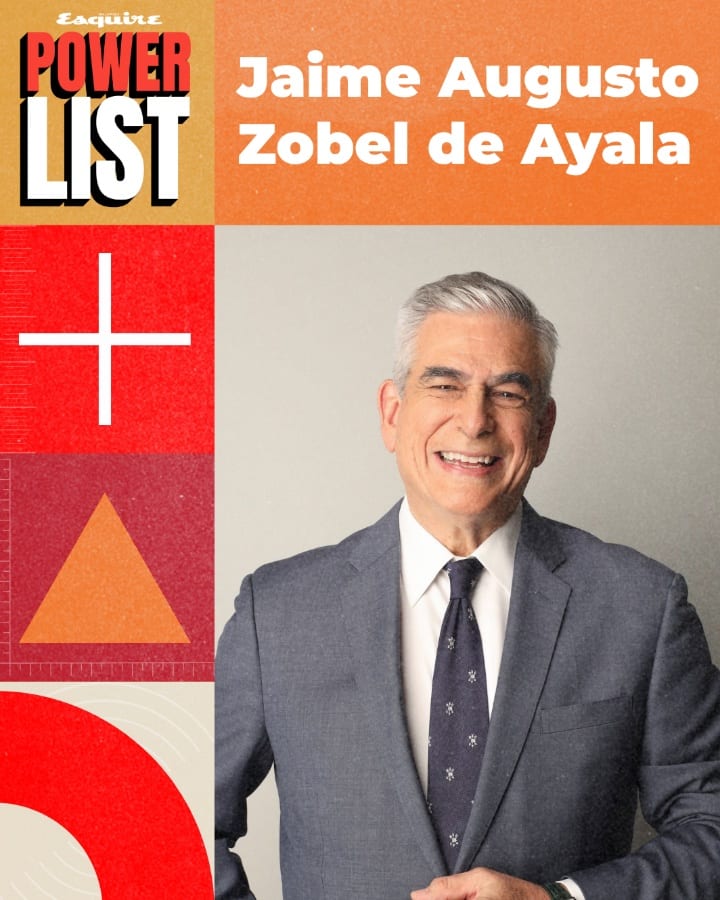
Jaime Augusto Zobel de Ayala continues to steer one of the Philippines’ oldest and most influential conglomerates. Under his leadership, Ayala Corporation has expanded into banking, telecommunications, healthcare, and fintech. His influence is systemic—shaping industries that underpin national growth. Known for forward-thinking strategies, he has led Ayala toward digital transformation and sustainability, reinforcing its role as a cornerstone of the Philippine economy.
Sabin Aboitiz
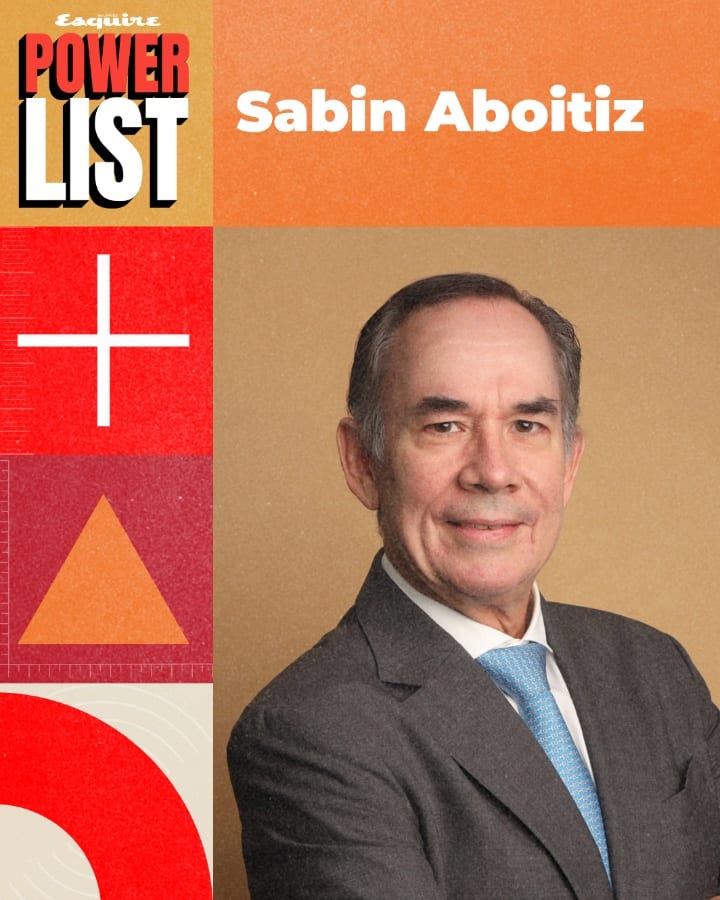
Sabin Aboitiz is the current leader of the Aboitiz family business, serving as the president and CEO of Aboitiz Equity Ventures (AEV), the publicly listed holding and management company of the Aboitiz Group. He is reshaping his family’s conglomerate into a tech-driven enterprise, pushing into digital infrastructure, energy, and banking. His influence lies in transformation—moving a traditional group into future-facing industries. As digitalization accelerates, Aboitiz’s strategic pivot positions him as a key architect of the Philippines’ next economic phase.
Steven Tan

Steven Tan is a key figure behind the continued dominance of SM Supermalls in the country’s retail landscape. As president, he oversees one of Southeast Asia’s largest mall networks, shaping how millions of Filipinos shop, dine, and socialize. Under his leadership, SM has evolved beyond traditional retail into integrated lifestyle destinations, blending commerce with entertainment, sustainability initiatives, and community spaces. Tan has also pushed digital innovation and tenant diversification, ensuring SM remains resilient amid changing consumer behavior and the rise of e-commerce.
Carlo Katigbak
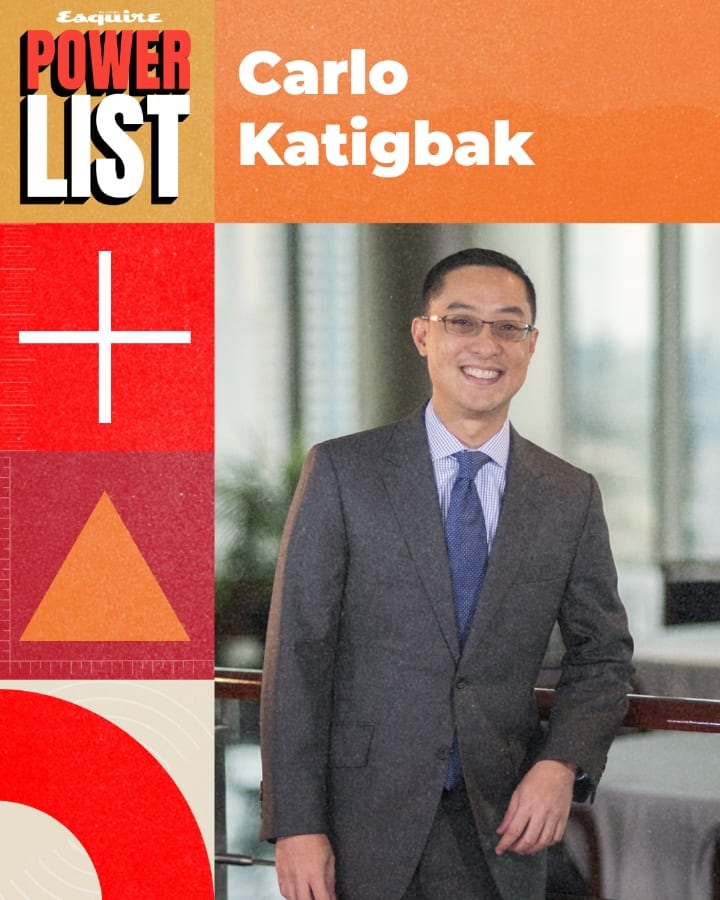
Carlo Katigbak has guided ABS-CBN through one of the most turbulent periods in its history, maintaining its relevance despite the loss of its free-to-air broadcast franchise. Under his leadership, the network pivoted aggressively to digital platforms, cable partnerships, and international distribution, allowing its content to continue reaching millions of Filipinos worldwide. Katigbak doubled down on storytelling, leveraging ABS-CBN’s deep talent pool and strong production capabilities to keep audiences engaged across streaming, social media, and global channels. The company’s enduring cultural influence—through news, entertainment, and advocacy—has helped it retain public trust and advertiser interest. In navigating regulatory setbacks while preserving the brand’s reach and impact, Katigbak has ensured ABS-CBN remains a formidable force in Philippine media.
Lucio Tan III
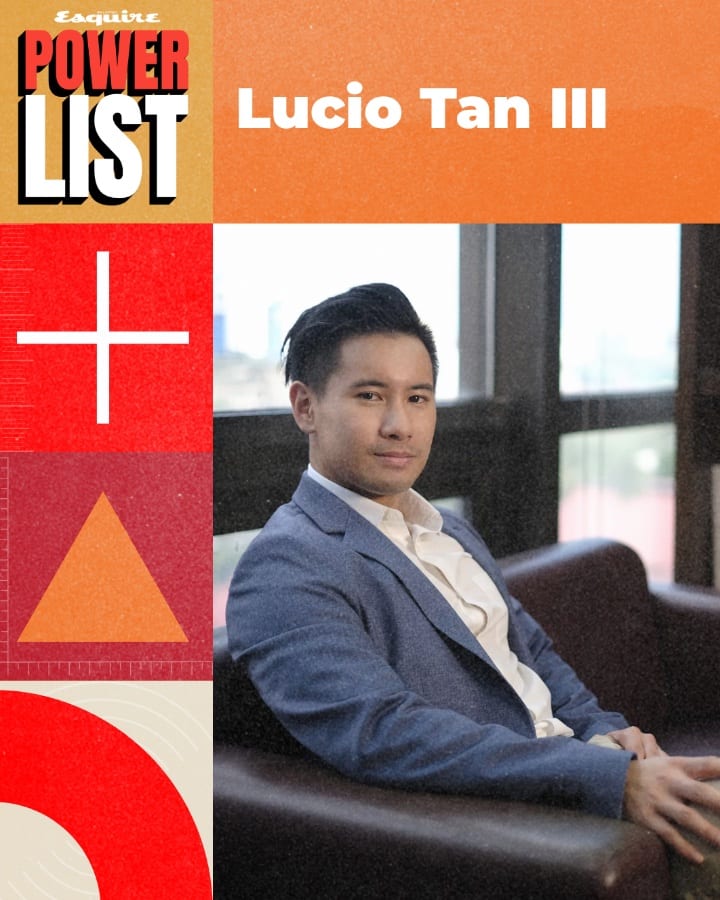
Lucio Tan III represents the next generation of leadership within the LT Group, one of the country’s most diversified business empires founded by his grandfather. With interests spanning tobacco, banking, airlines, and property, the group’s footprint touches critical sectors of the Philippine economy. Tan III has been instrumental in modernizing operations and pushing for greater efficiency across its portfolio, particularly in legacy businesses facing regulatory and market pressures. Today, the thirtysomething executive is helping ensure that the conglomerate remains competitive amid shifting economic conditions.
Manny Villar

Property tycoon and former Senator Manny Villar has consistently been among the top five richest Filipinos in most lists that matter. Despite his family's fair share of controversies, the self-made billionaire is still worth about $3.1 billion after a sharp drop from his peak of $17.2 billion. This all comes amid revaluation of his real estate assets and a decline in his flagship company's stock value, and his unseating as the country's richest Filipino by port and casino tycoon Enrique Razon Jr. Villar still holds considerable financial power anchored by his ownership of one of the largest homebuilders in the country, Vista Land 7 Landscapes, and the 3,500-hectare Villar City in southern Metro Manila.
Eusebio Tanco
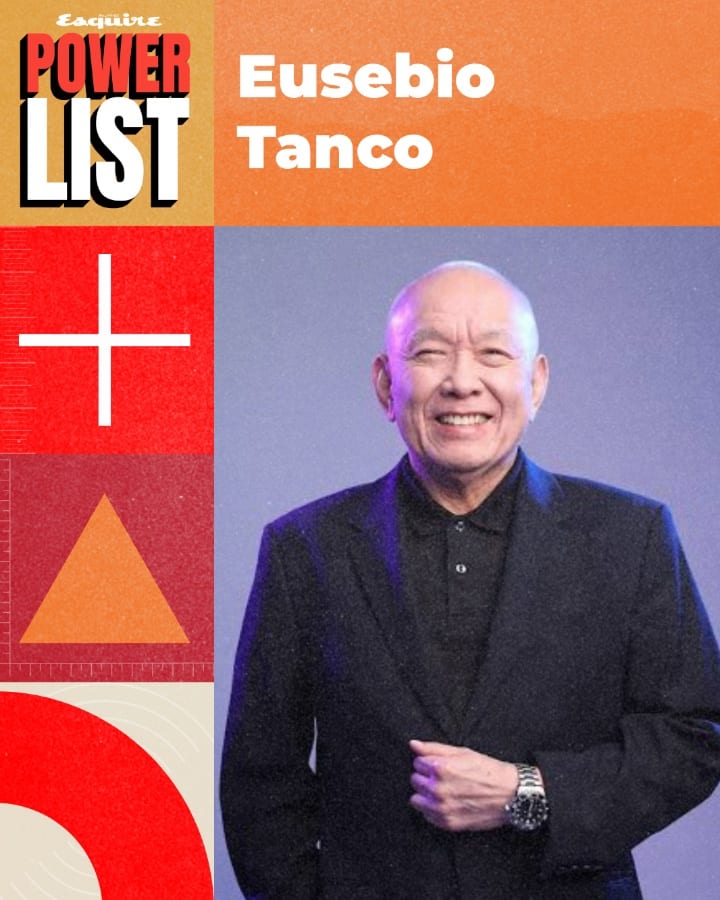
With leadership roles in STI Education Systems Holdings and the fast-growing DigiPlus Interactive Corp., Eusebio Tanco wields considerable influence across Philippine finance, education, and gaming. Through DigiPlus, Tanco has positioned himself at the forefront of the country’s digital gaming and entertainment sector, capitalizing on the rapid shift toward online platforms. Analysts say Tanco's strength lies in navigating capital markets and corporate governance, often shaping strategic direction from the boardroom across multiple listed firms. His efforts are helping bridge traditional industries like education with high-growth digital ventures.
Edgar "Injap" Sia II
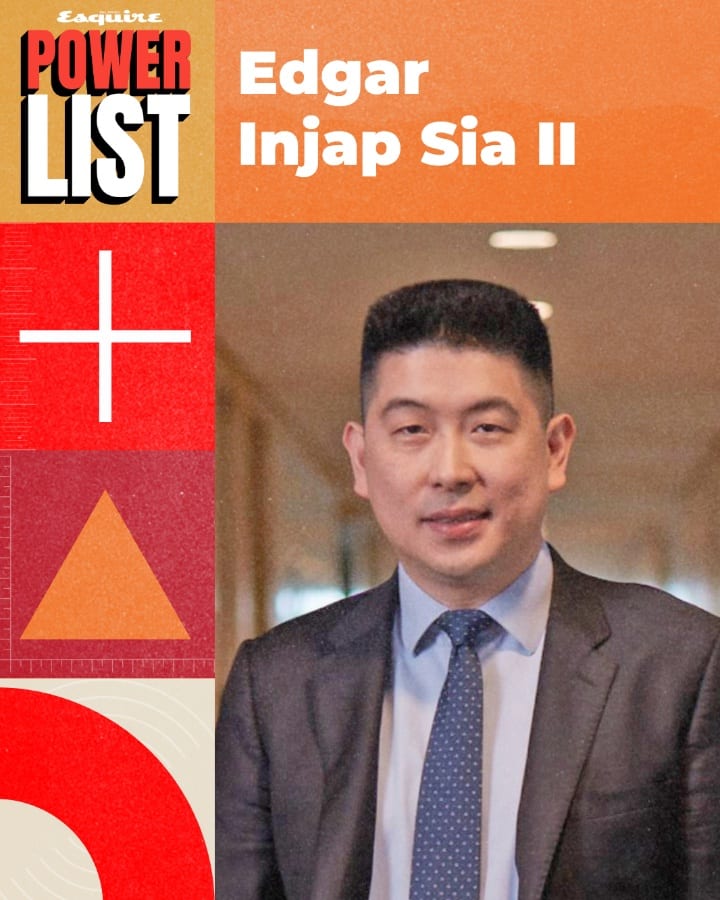
Better known as Injap Sia, Edgar Sia II has emerged as one of the most dynamic entrepreneurs in the Philippines, leveraging his success with Mang Inasal into a broader business empire under DoubleDragon Corporation. His aggressive expansion into provincial real estate—particularly through community malls and office spaces—has reshaped commercial development outside Metro Manila. Today his Hotel 101 is making global moves, building in places like Madrid, Niseko (Japan), and Los Angeles, and becoming a truly global Filipino real estate and hospitality brand.
Dennis Anthony Uy
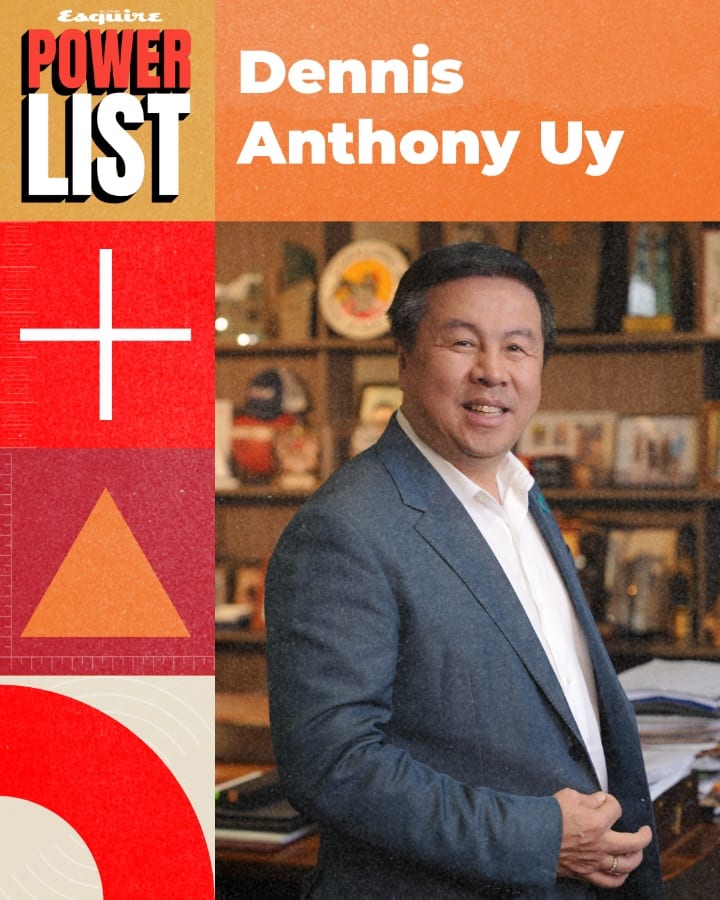
Dennis Anthony Uy has emerged as a transformative figure in Philippine telecommunications as the founder of Converge ICT Solutions. By focusing on pure fiber broadband infrastructure, Uy disrupted a sector long dominated by legacy telcos, positioning Converge as a major player in the country’s digital backbone. His aggressive network expansion, particularly in underserved areas, has helped accelerate internet access and support the Philippines’ growing digital economy. Unlike traditional operators, Converge’s data-centric model allows it to scale efficiently while meeting rising demand for high-speed connectivity. By enabling businesses, remote work, and digital services, he plays a critical role in shaping how Filipinos participate in an increasingly connected economy.
Tony Tan Caktiong
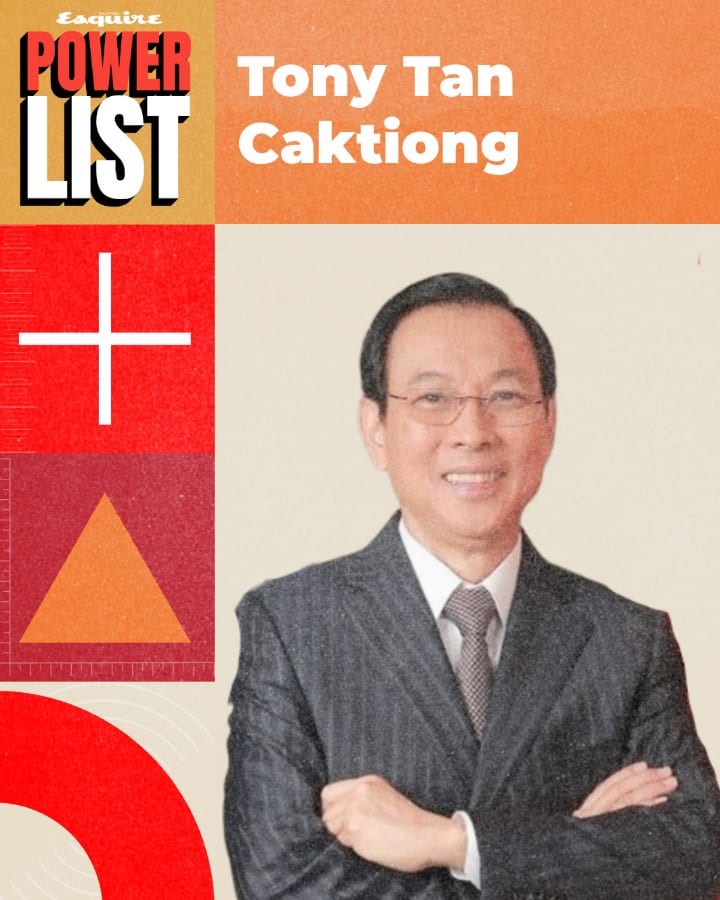
Tony Tan Caktiong is one of the most influential figures in Philippine—and increasingly global—food retail, having built Jollibee Foods Corporation into an international powerhouse. From a single ice cream parlor, he grew the brand into a symbol of Filipino enterprise, now competing with global giants across multiple markets. Through acquisitions and brand diversification, Jollibee has expanded its footprint worldwide, bringing Filipino flavors to a global audience. Today, with a global portfolio of well-loved brands, Tan Caktiong’s continues to inspire a generation of entrepreneurs, demonstrating that a homegrown company can scale internationally.
Jaime Alfonso Zobel de Ayala
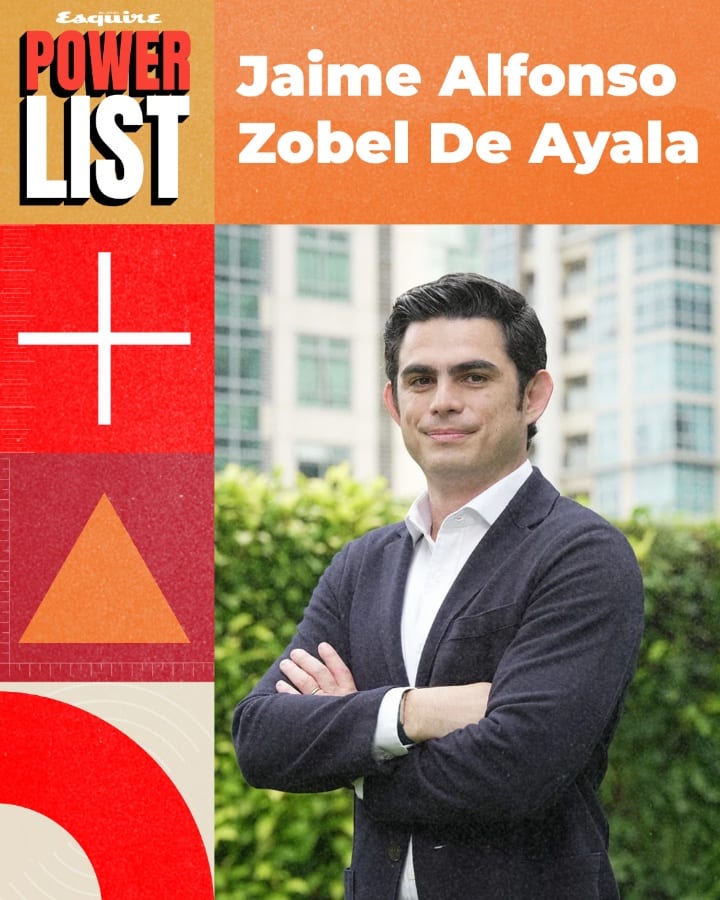
Jaime Alfonso Zobel de Ayala is emerging as a key figure in the Philippines’ mobility transition as CEO of AC Mobility, the mobility arm of Ayala Corporation. Tasked with consolidating the group’s automotive, electric vehicle, and transport initiatives, he is helping steer Ayala toward a future defined by electrification and integrated mobility solutions. Under his leadership, AC Mobility has expanded its footprint in electric vehicles, charging infrastructure, and digital mobility services—particularly with its partnership with the world’s largest manufacturer of new energy vehicles—helping position the group at the forefront of a rapidly evolving sector. His work makes him a central figure in the country’s efforts toward redefining mobility and sustainability.
Lucio Co
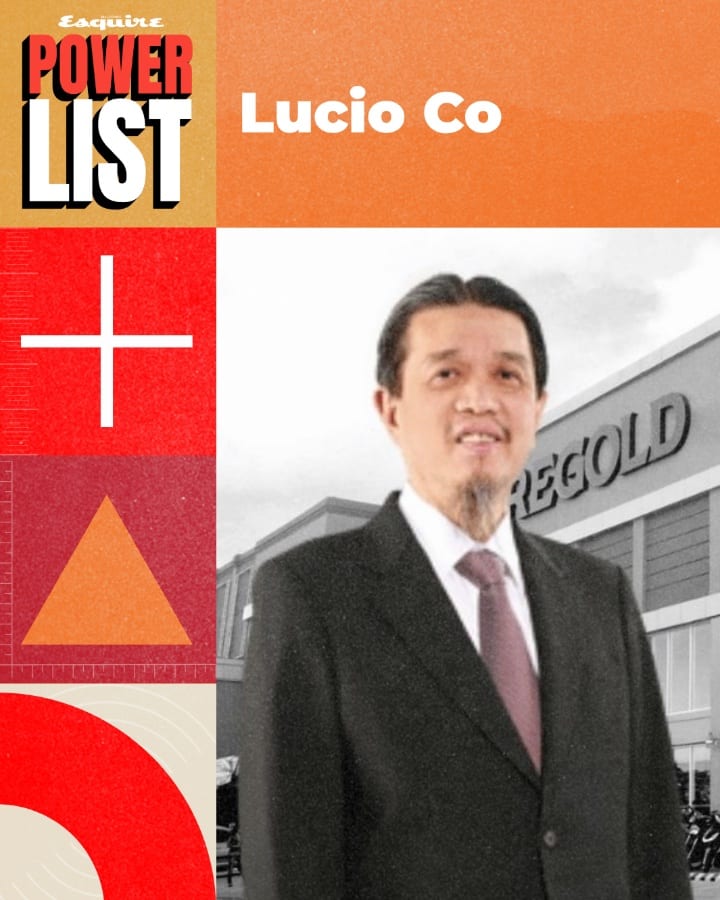
Lucio Co commands significant influence over the Philippine consumer economy through Puregold Price Club and his broader portfolio in retail and beverages. Focusing on affordability and accessibility, Co built Puregold into a dominant force serving the country’s mass market, particularly small retailers and everyday consumers. His expansion into liquor distribution (The Keepers Holdings Inc.) and specialty retail (S&R, among other businesses) further displayed his reach into Filipino spending habits. Co’s abilities to move goods quickly and competitively across a nationwide network give him leverage in both supply chains and pricing.
Arthur and Alfred Ty

Brothers Alfred Ty and Arthur Ty are pivotal to the continued strength of the Metropolitan Bank & Trust Company group, a cornerstone of the Philippine financial system. While Arthur helps steer Metrobank as its chairman as well as the family’s GT Capital Holdings, both of which were founded by his father George Ty, Alfred serves as GT Capital’s vice chairman as well as chair of Federal Land and Toyota Motor Philippines Inc. Their leadership places them at the center of capital flows that fuel business expansion, real estate, and mobility nationwide.
Mariana Zobel
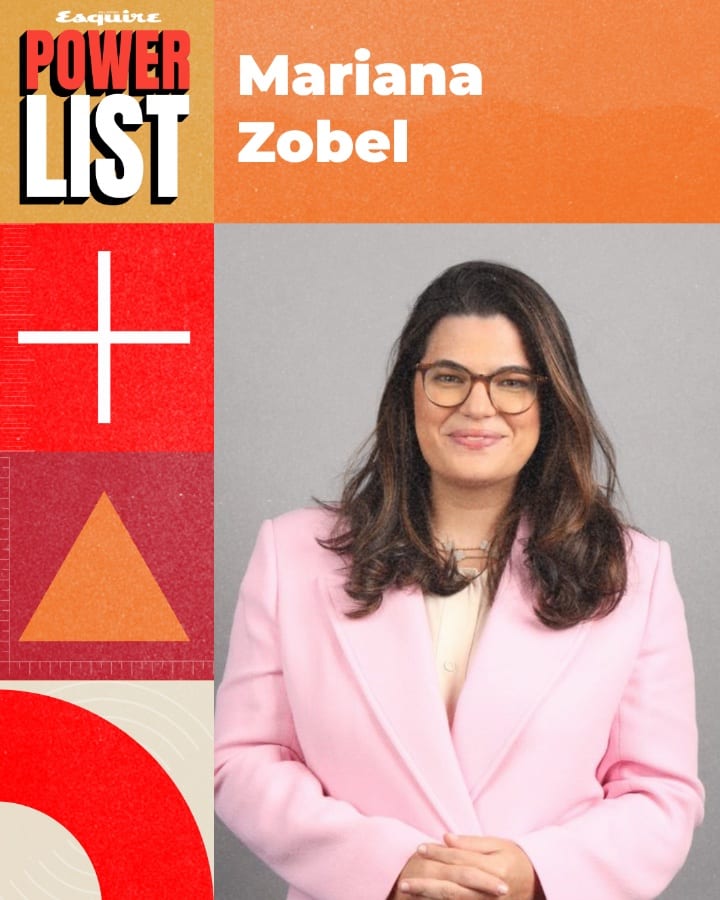
Mariana Zobel de Ayala represents the next wave of leadership within Ayala Corporation, bringing a global perspective to one of the country’s most established business groups. An eighth-generation leader in the conglomerate, she currently serves as an Executive Director at Ayala Corporation and Senior Vice President at Ayala Land. Her influence lies in helping future-proof Ayala’s portfolio, bridging legacy and innovation and contributing to strategic decisions that will shape the conglomerate’s long-term direction.
Ronald Roda

Ronald Roda was appointed country head of Grab Philippines in 2024, taking the helm of local operations of the leading digital platform. In this role, he oversees a “superapp” ecosystem that spans ride-hailing, food delivery, digital payments, and financial services—touching millions of Filipinos daily. Under his leadership, Grab has expanded its role beyond convenience into economic enablement, providing income opportunities for drivers and delivery partners while supporting small and medium-sized enterprises. Roda’s influence lies in scaling technology-driven solutions that reshape urban mobility and commerce. As digital platforms continue to redefine how Filipinos move and transact, his leadership ensures Grab remains a dominant force in the country’s evolving digital economy.
Lance Gokongwei
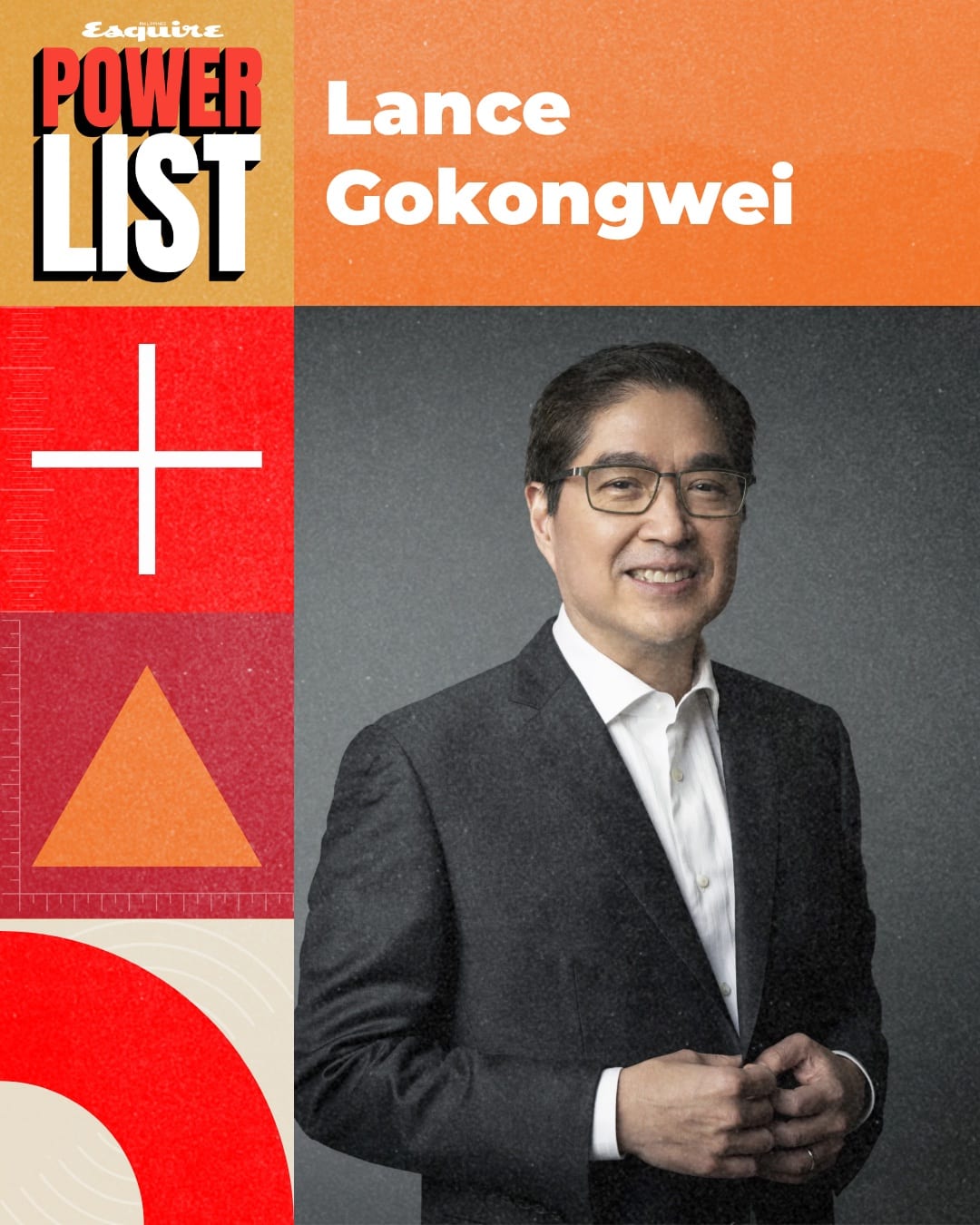
Lance Gokongwei leads JG Summit Holdings, one of the country’s most diversified conglomerates, with interests spanning aviation, banking, food manufacturing, real estate, and telecommunications. As president and CEO, he has overseen the group’s modernization, pushing digital transformation and portfolio optimization across key businesses such as Cebu Pacific and Universal Robina Corporation. Inherting much of his father’s core values of steadfast resolve and empathy for his workforce, Gokongwei continues to steer large-scale enterprises through shifting market conditions while maintaining growth and competitiveness. Undoubtedly, he plays a central role in shaping the direction of Philippine commerce, ensuring that one of the country’s most prominent conglomerates remains agile and impactful.

Profiles written by the Esquire Philippines team
Art by Igi Talao
ALSO READ:
The 100 Most Powerful People in the Philippines: Government and Spiritual Leaders
The 100 Most Powerful People in the Philippines: Wielders of Soft Power
View More Articles About: