

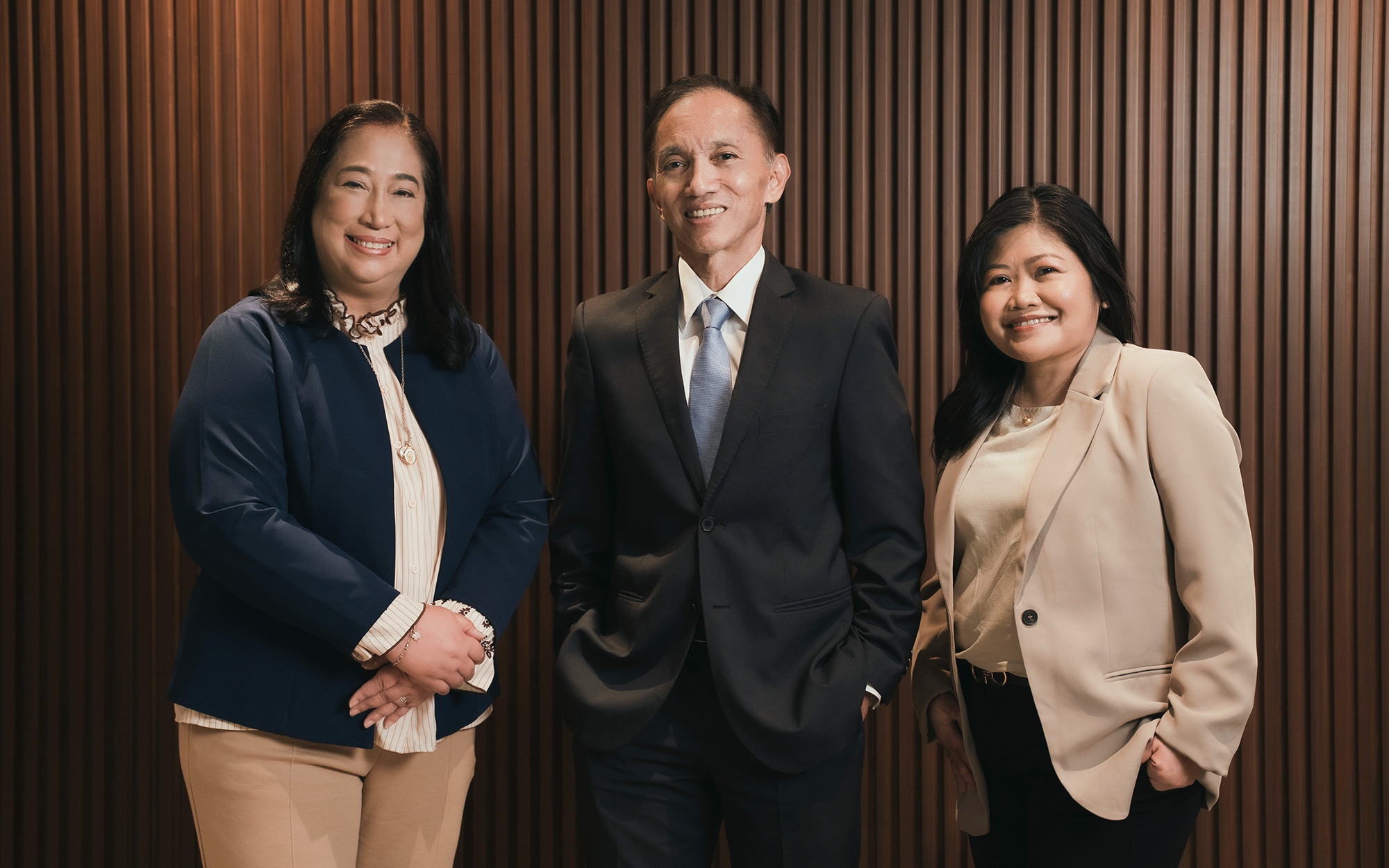
There’s a quiet kind of power in the people who work behind the spreadsheets. They’re not the ones cutting ribbons or breaking ground, but they’re often the reason those moments happen at all. For BDO Capital & Investment Corporation, progress starts long before the first pile of concrete is poured—it begins with an idea, a negotiation, and a belief that numbers can shape the nation.
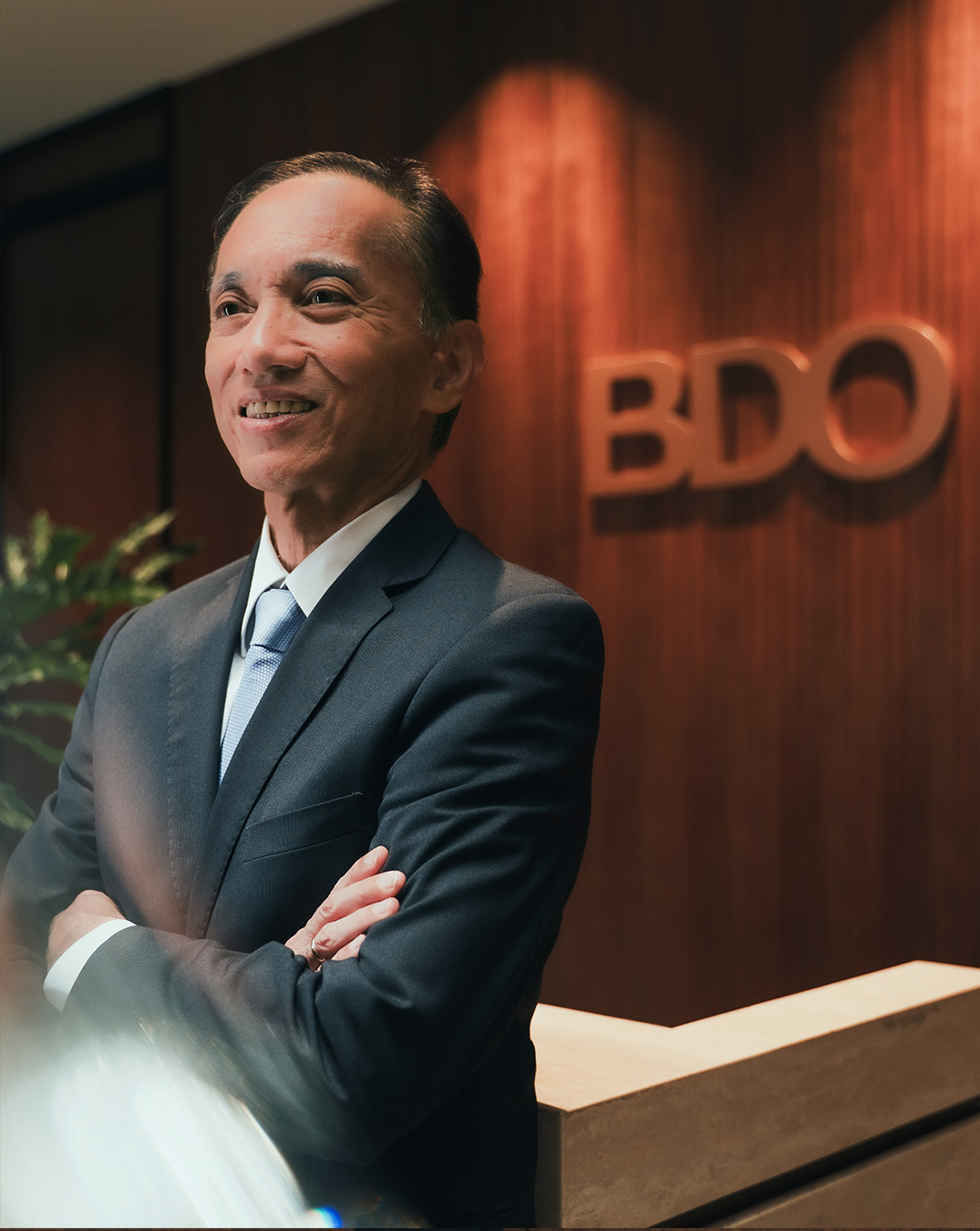
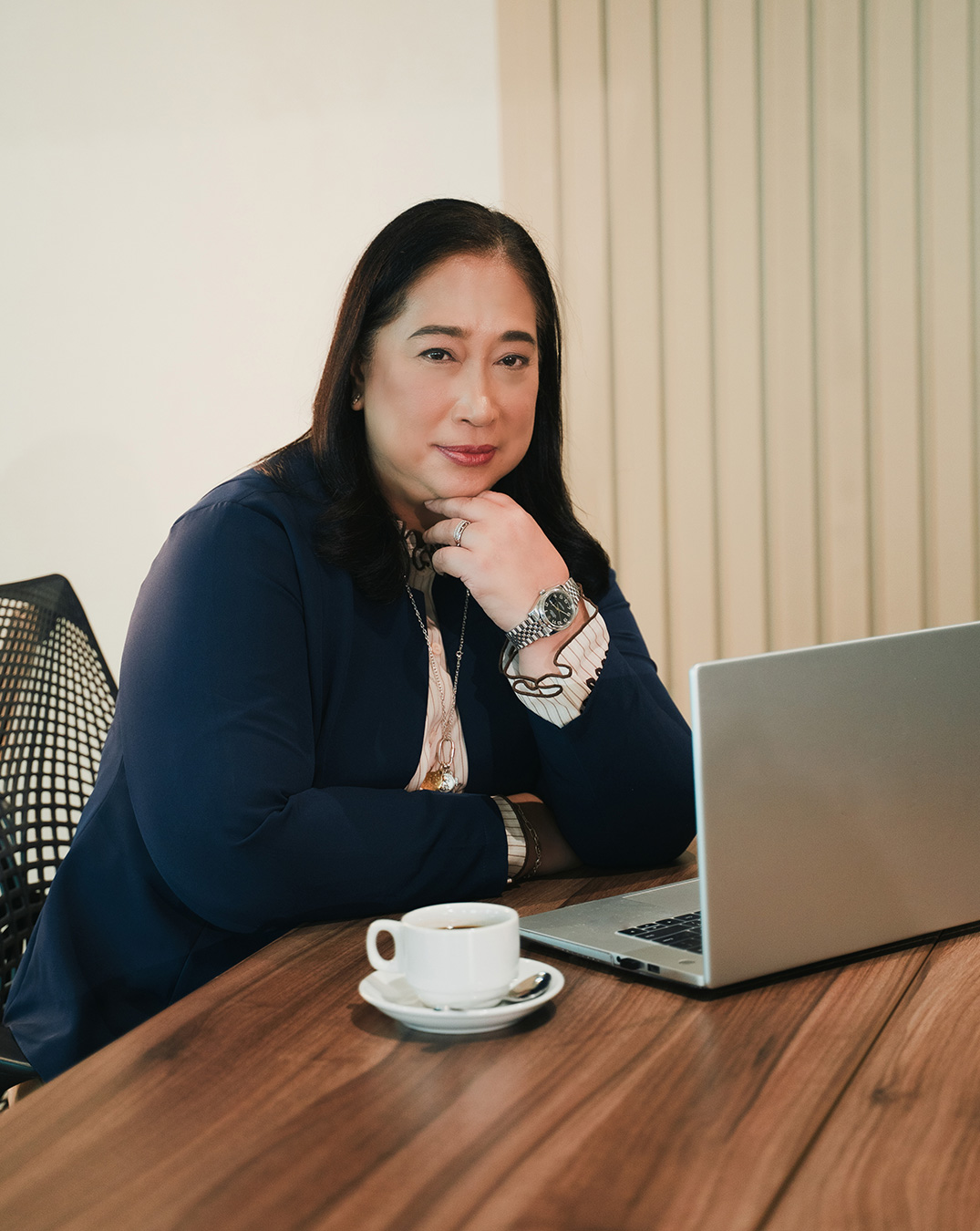
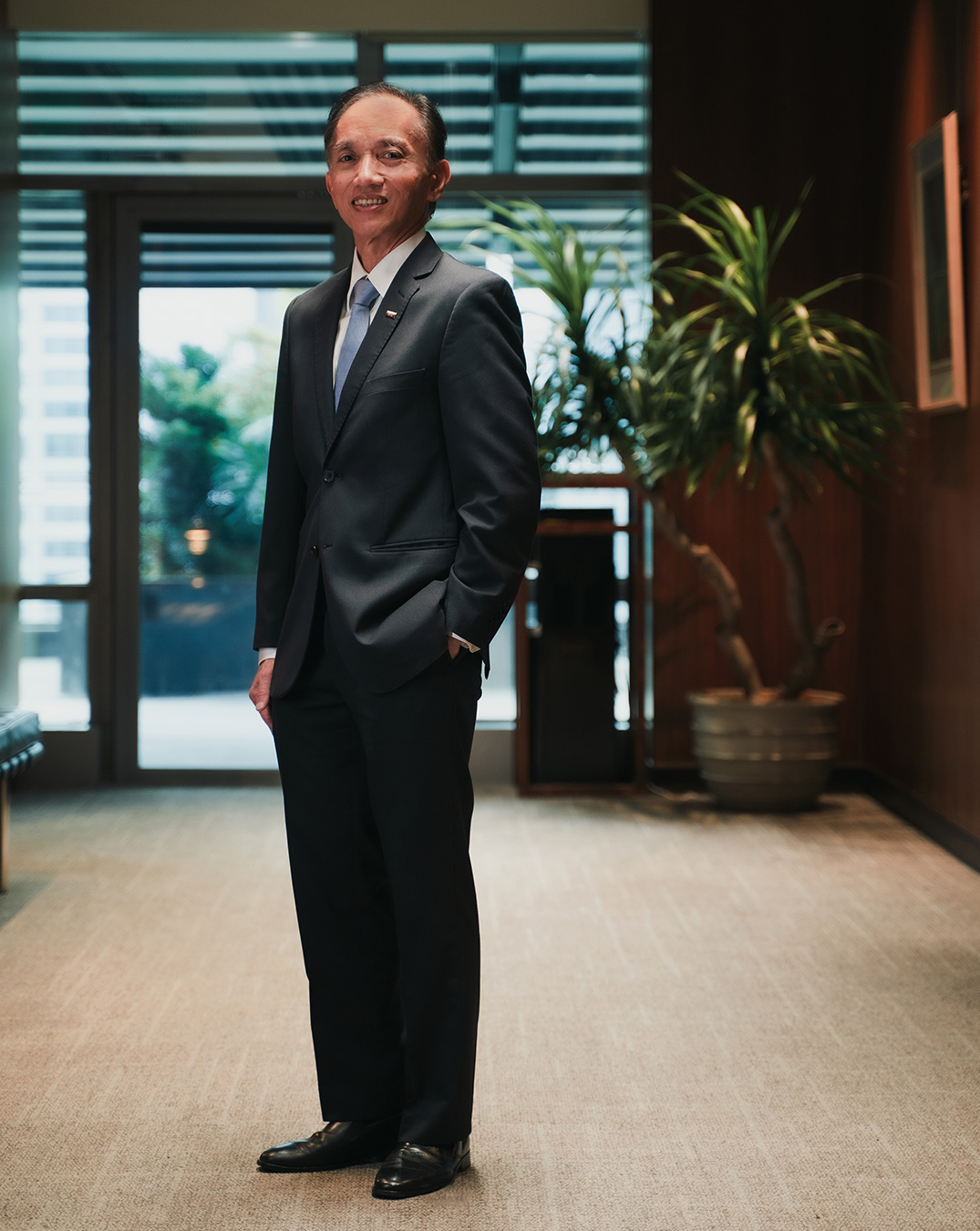
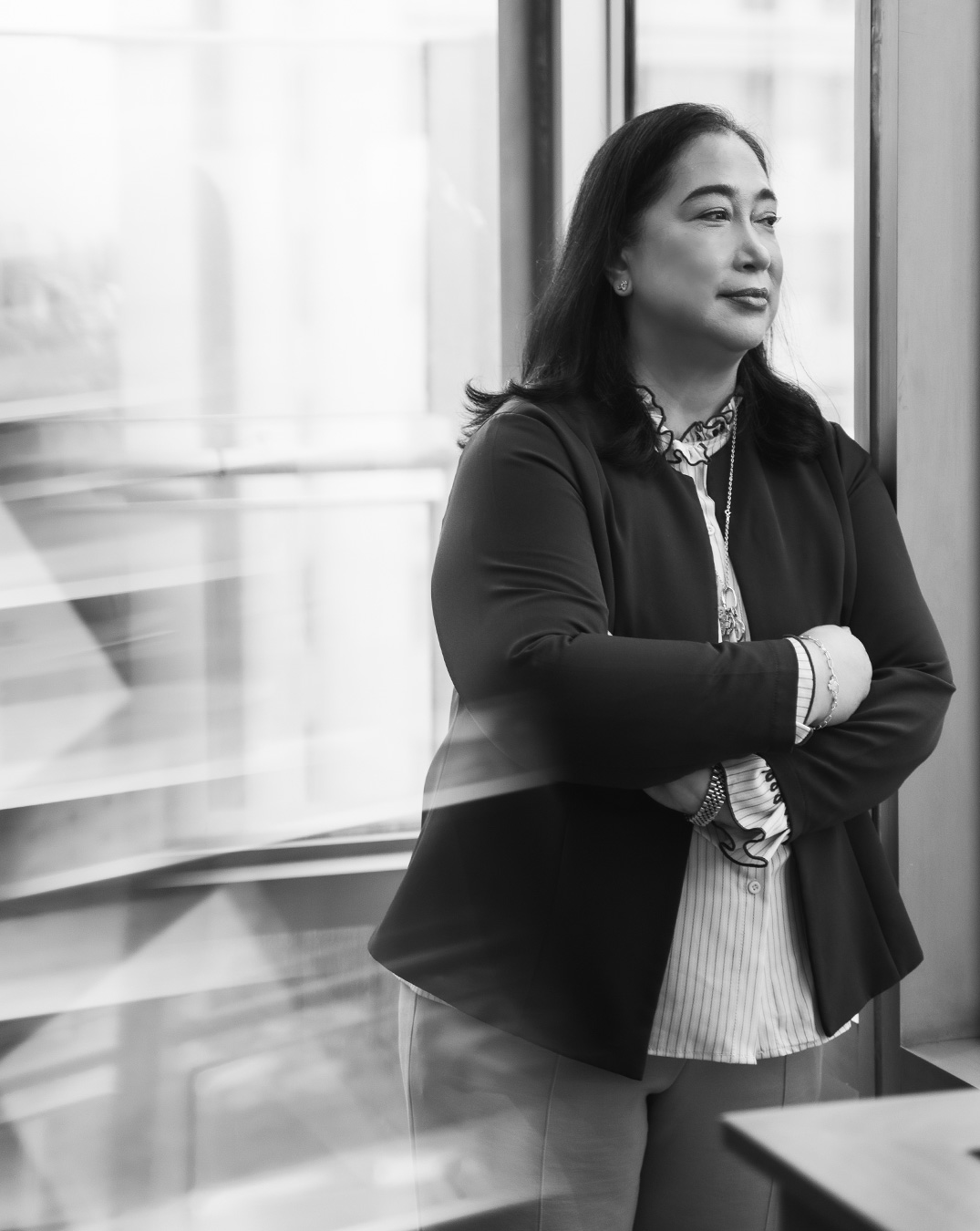
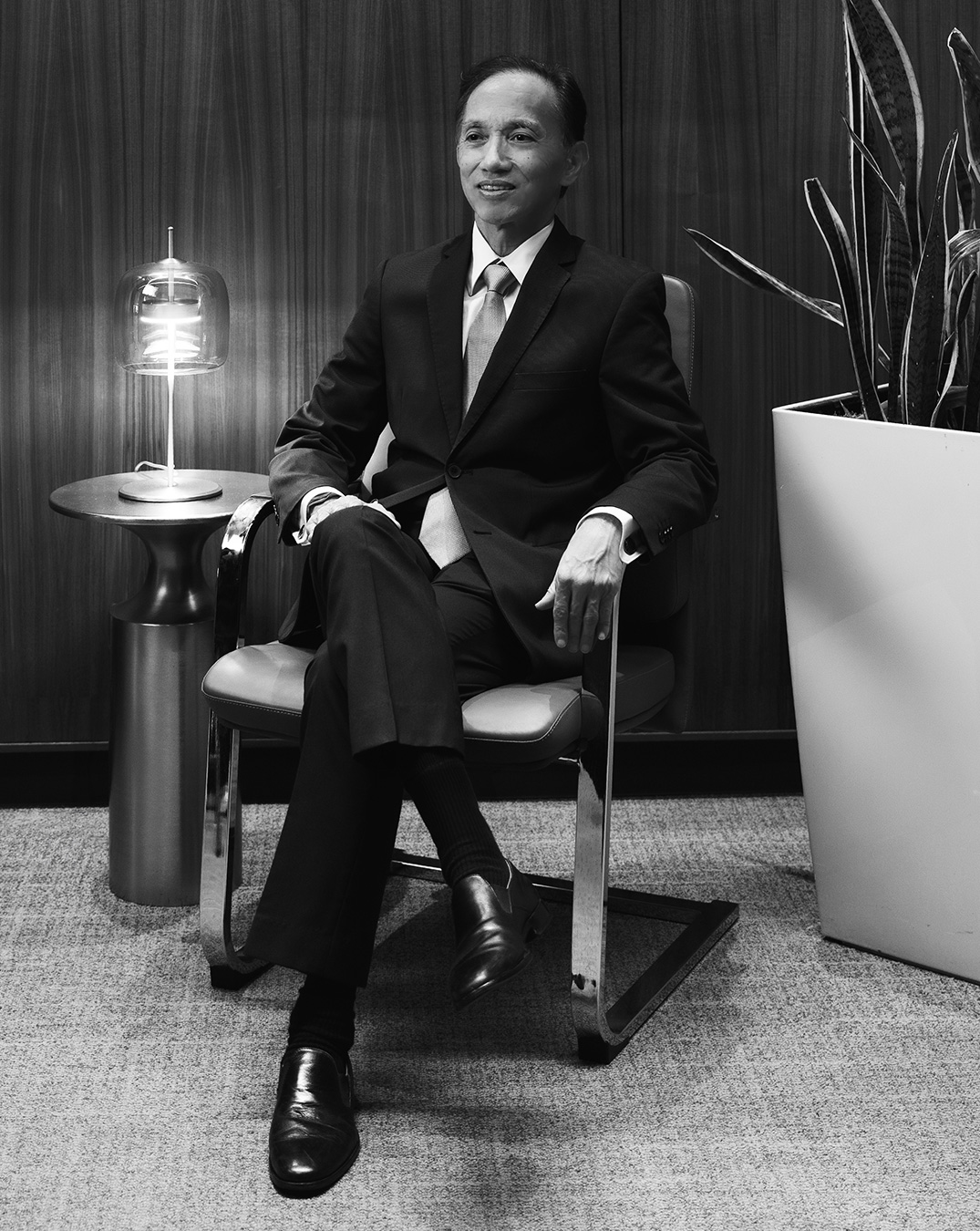
At the center of that belief are three people who’ve built their careers turning complex deals into lasting impact: Eduardo V. Francisco, President of BDO Capital; Bambi Billano, First Vice President for Corporate Finance Team 1; and Noemi Villanueva, First Vice President for Corporate Finance Team 2. They sit at the intersection of money, infrastructure, and national ambition—where every decision has the potential to move the Philippines forward.
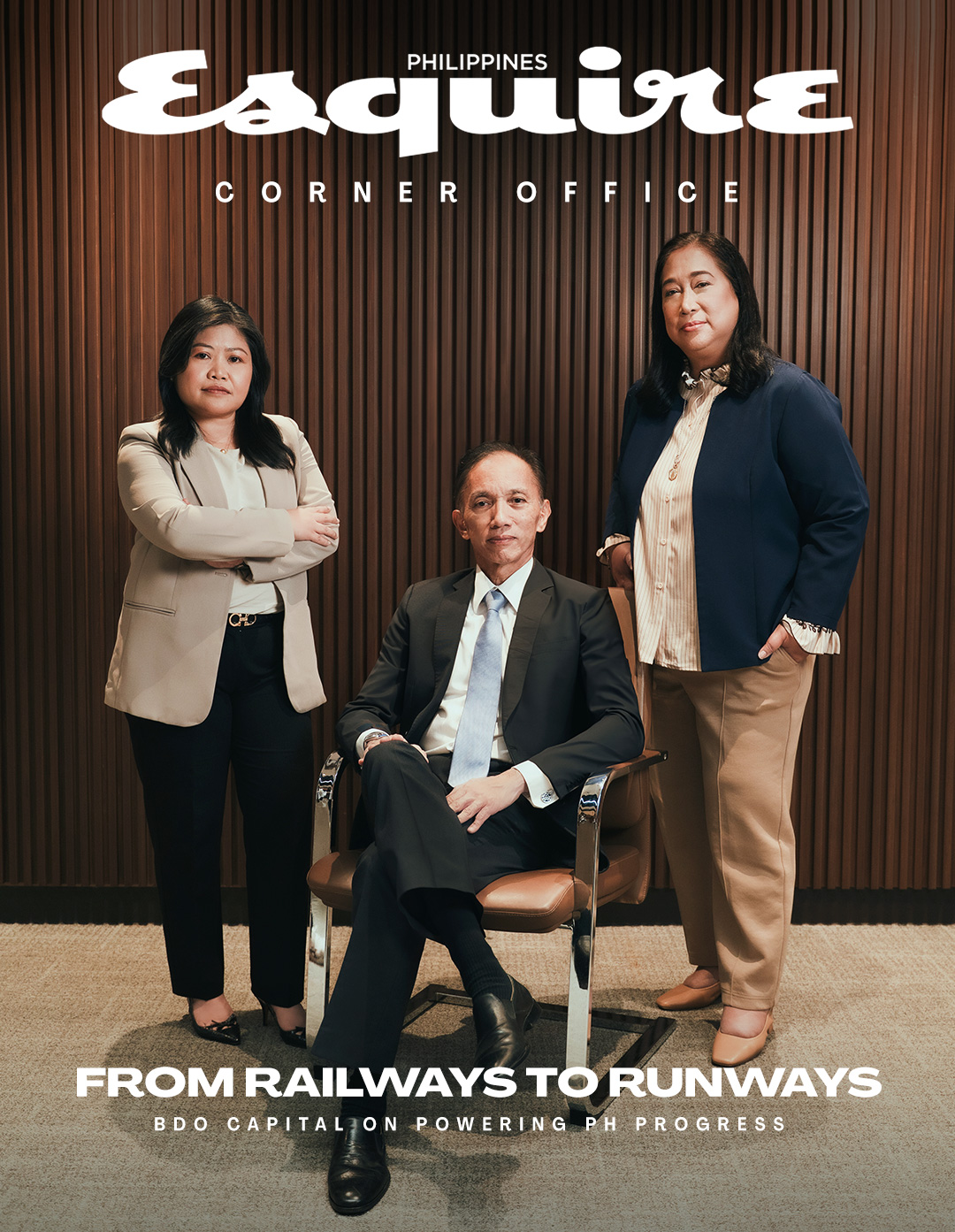
“There are really no projects that are neither too big nor too small,” Francisco says. “What’s important really is what value we bring and how we can help our customers. And hopefully also, some of these projects have a benefit to the nation.”
Where the Numbers Meet the Nation
In the past decade, BDO Capital has quietly played a role in shaping the country’s physical and economic landscape. Think of projects like the Mactan-Cebu International Airport, the MRT-7 rail line, and ACEN’s renewable energy ventures—each one built on the back of patient capital and deliberate planning. These are not just transactions. They’re proof of how finance, when done right, can turn ambition into something tangible.
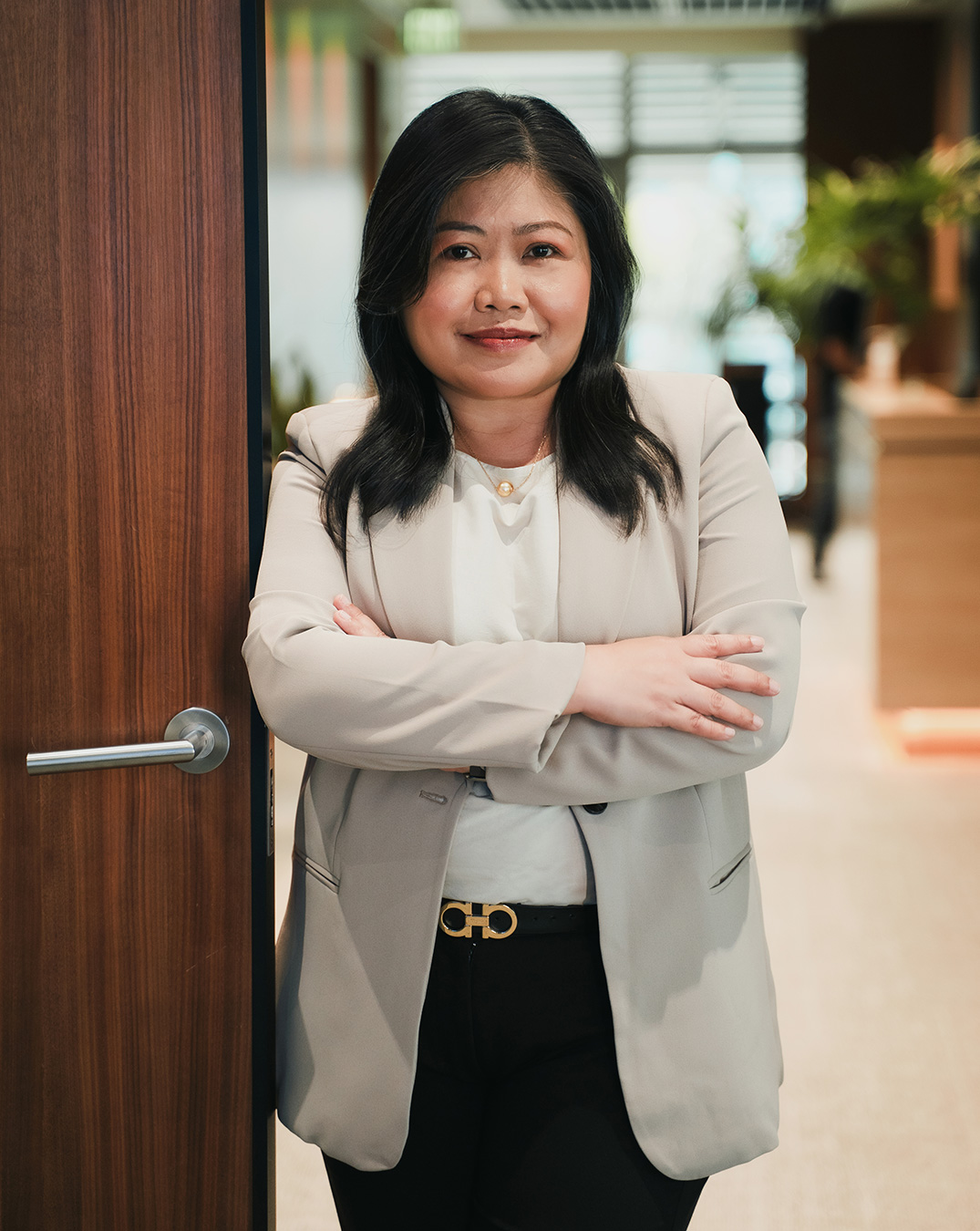
For Billano, success is measured not only by completion but by contribution. “Of course, if the project is completed on time and on budget and operating according to how it was originally envisioned,” she says, “but more importantly, that these projects are socially impactful to the day-to-day lives of Filipino citizens.”
Villanueva, who has spent years structuring high-value infrastructure deals, says discipline is everything. “For a project to be worthy of backing, it has to be well-thought-out, well-planned, well-prepared, and bankable,” she explains. “The sponsors and their advisors must do their homework. There must be feasibility studies, engineering studies, industry studies, and a clear timeline communicated to everyone.”
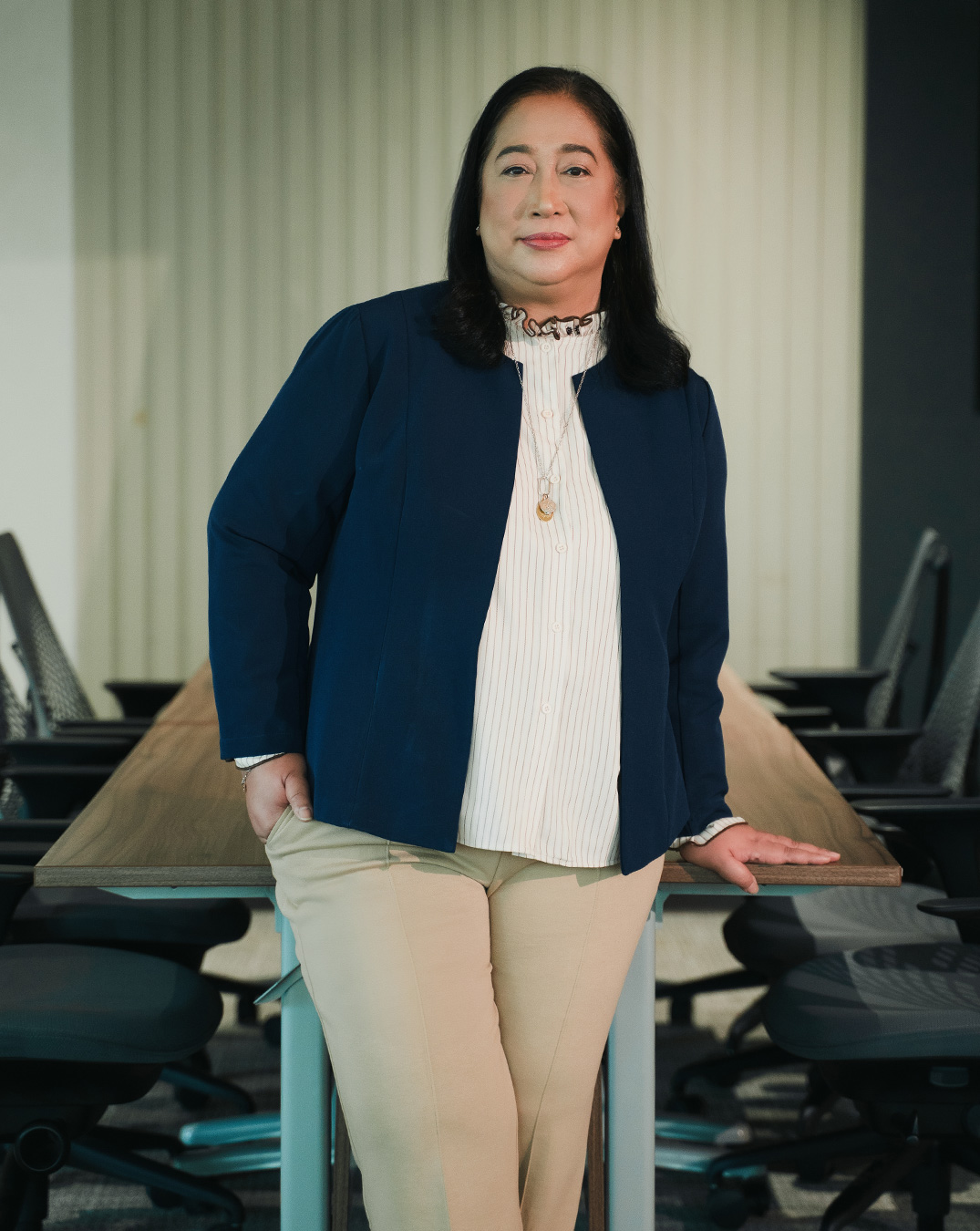
That discipline, she adds, extends beyond paperwork. “Ultimately, what is important is to be able to tie up all the agreements on hand—like the EPC, the concessionary, and the insurance contracts—into a single legal ecosystem that will ensure the security interests of the lenders, while also providing project viability for the sponsors.”
Leadership as Stewardship
For Francisco, leading one of the country’s biggest investment banking arms isn’t about being front and center. It’s about knowing when to lead and when to guide quietly from behind. “Sometimes we’re shepherds, sometimes we are behind the scenes,” he says. “Sometimes it’s PPP-led, sometimes it’s NEDA-led, sometimes these are private sector deals that we will actually lead. But I guess the key really is we maximize how we add value.”
That value extends to new frontiers, too. The firm has been looking closely at emerging technologies like offshore wind and nuclear—a continuation of the innovation streak that once helped BDO pioneer cash flow lending decades ago. “Today, we’re looking at emerging technologies, and as one of the biggest banking groups in the country, we really have to lead,” Francisco says. “Leading doesn’t necessarily have to be at the forefront—we’re reminding people, helping educate them, and working with government agencies like the DOE, SEC, PSE, and BSP. These are all partners.”
The Logic of Sustainability
In recent years, sustainability has become more than a buzzword in banking—it’s a baseline. For Billano, that principle has to exist at every stage of a project. “We always encourage sponsors to incorporate sustainability in projects and make sure, of course, that these are aligned with BDO’s sustainability principles,” she says. “As to innovation, we welcome that, for as long as these are technically and financially feasible.”

Villanueva adds nuance: profit and purpose, she argues, aren’t mutually exclusive. “I personally believe that there is no need to balance financial reward with social impact,” she says. “Because one has to be adequately compensated for the risk they have undertaken. There are no trade-offs.”
Billano agrees. “I don’t think those two ideas are necessarily opposing,” she says. “As we’ve seen with projects recently, for as long as they are socially impactful, they also make financial sense.”
Francisco puts it in broader terms. “In the past, people were looking at social impact investments as philanthropy or donations,” he says. “Now, it’s all integrated. It can be triple bottom line. These projects by themselves help a lot of people, and as long as we play a role in ensuring that the project gets done, that’s how we’re satisfied.”
Building for a Generation, Not a Quarter
When asked what nation-building means to them, the answers come without hesitation. For Billano, it’s simple: “If we’re able to successfully raise and deploy capital to socially impactful projects, that’s nation-building.”

Villanueva describes it as creating flow—moving capital to where it matters most. “Our primary role as investment bankers is to act as catalysts or agents to be able to move capital to where it is needed and efficiently,” she says. “At the same time, to be able to compensate those who have provided financing because they have undertaken some risk.”
Francisco sees both sides of the equation. “From the borrower-issuer side, nation-building is us helping them raise money to build the road, to build the airport, to build the project,” he explains. “But on the investor side, nation-building is giving them access to an RTB or to an IPO or to a transaction which was not done before. It can even be improving financial literacy or signing a deal with the SEC so that we can help also explain. For me, that’s nation-building—because we’re building the next generation.”
The Road Ahead
If there’s one thing the trio agrees on, it’s that the Philippines has momentum. “What’s exciting for the Philippines still is we have a lot of room to grow,” Francisco says. “Admittedly, we have our challenges, but spending on infrastructure and education is being developed. And when you look at it, Filipinos have good grasp of the English language, a young average age, and lots of potential.”
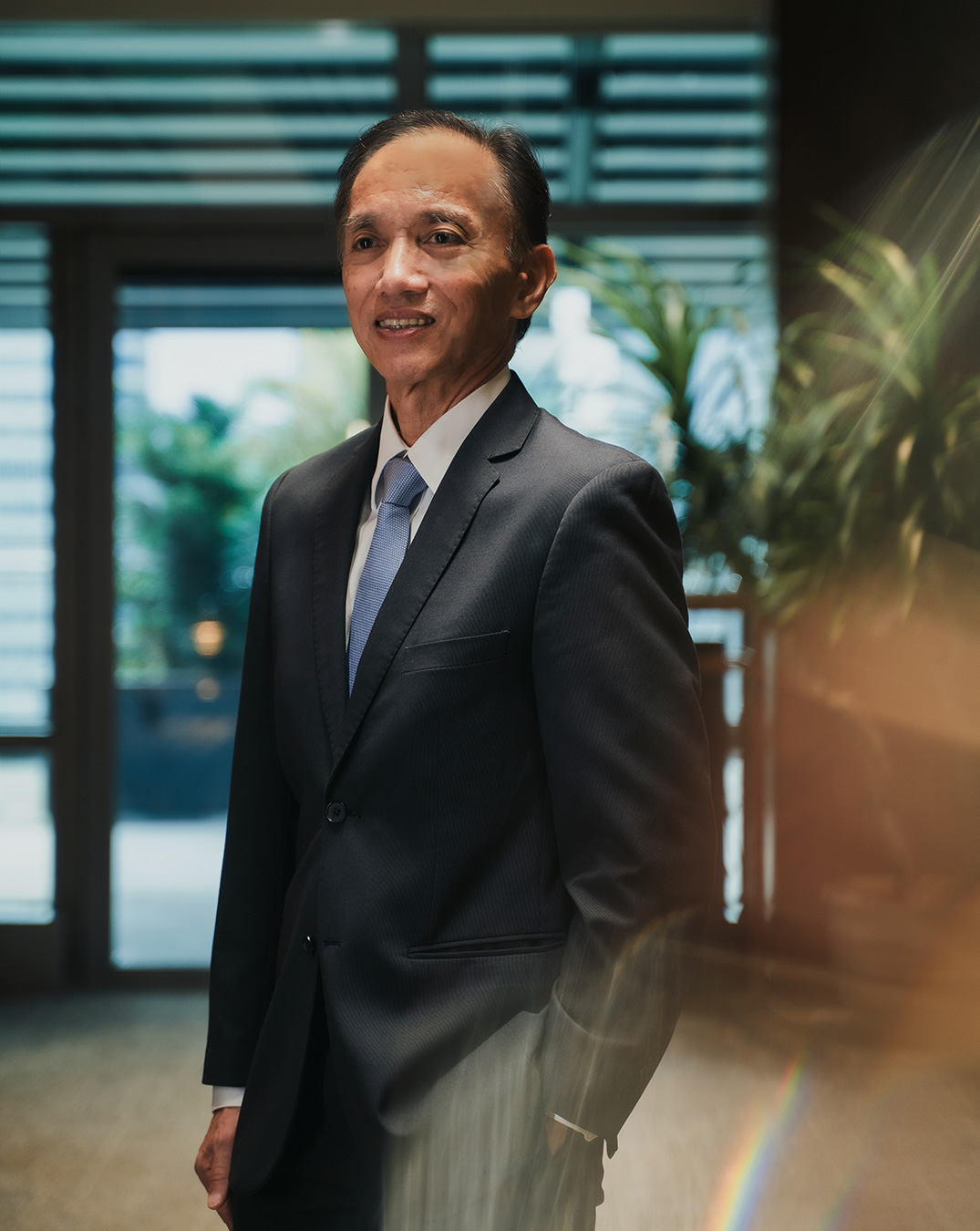
Billano echoes the optimism. “Economic fundamentals in the country continue to remain strong, and we have a relatively young demographic which should translate towards a dynamic economy,” she says.
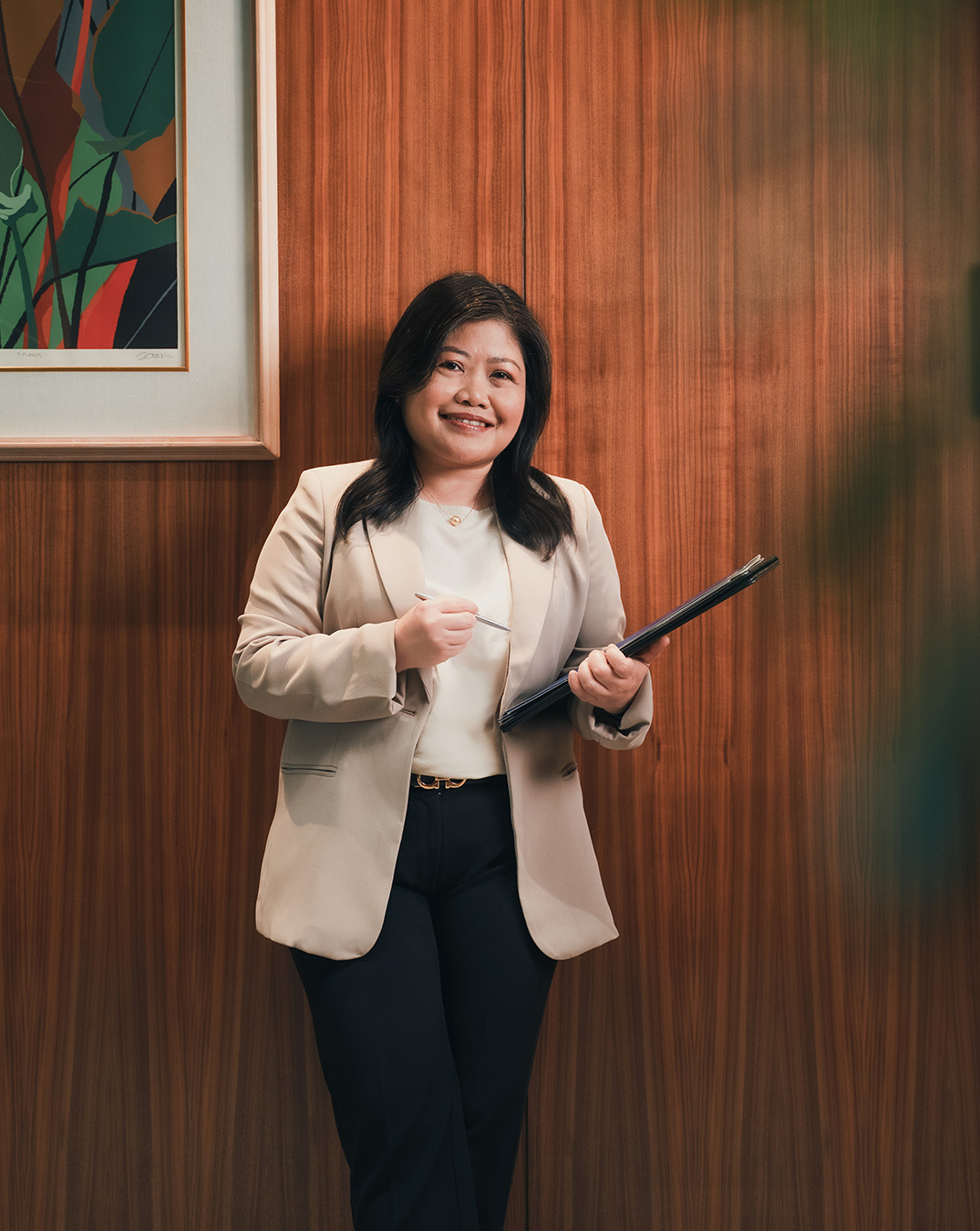
Villanueva, ever the strategist, brings it back to the next wave of leadership. “I’m very excited to see that this young workforce is very much interested in finance—not as permanent jobs, but more on how to handle their finances because they’ve started to earn at a very young age,” she says. “They have tools that weren’t available before, like AI and social media, which I think will play an important part in their lives in the future.”
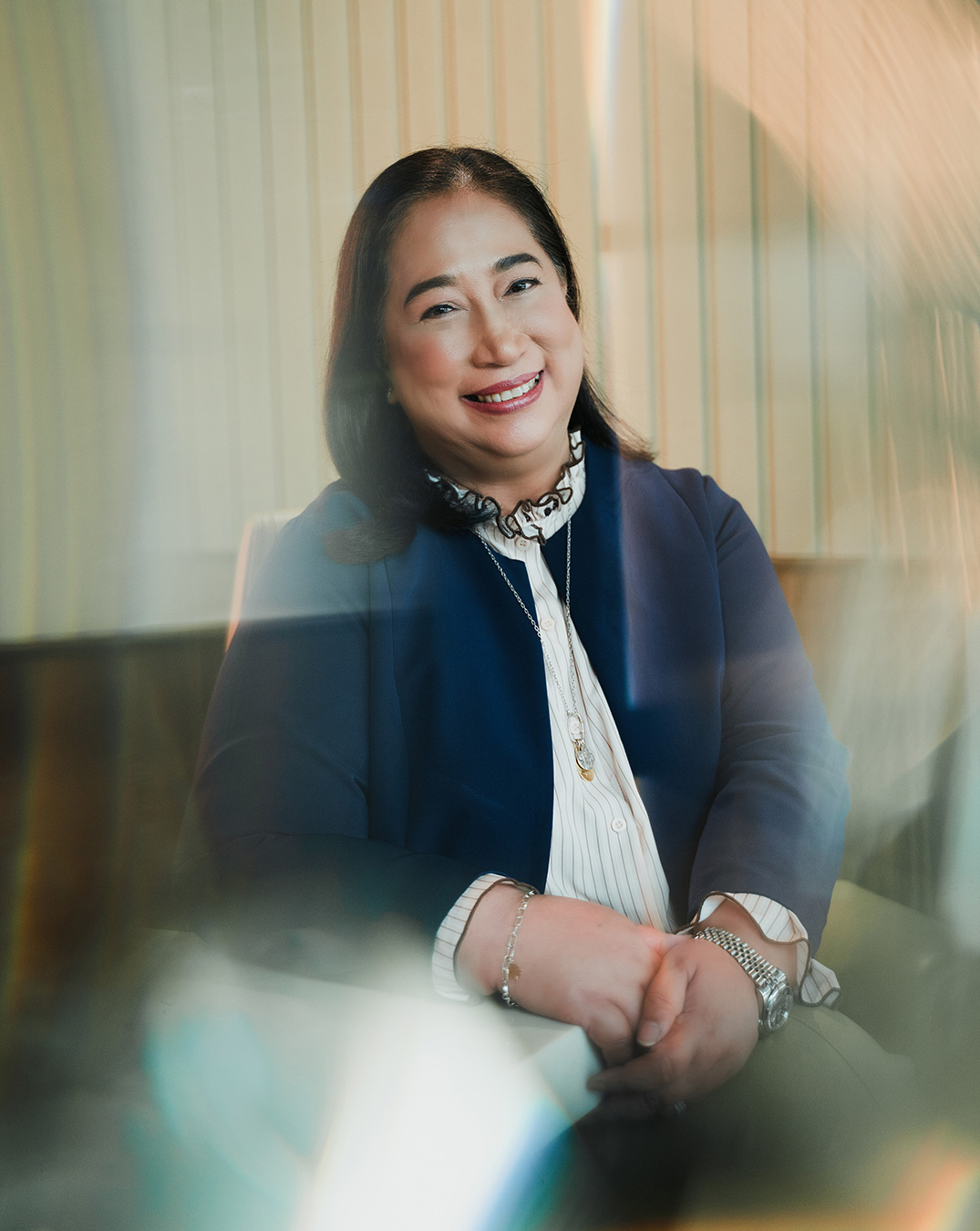
In the end, what these three have built goes beyond deals. It’s a philosophy of growth that sees the Philippines not as a market to be managed, but as a nation to be built—one project, one partnership, and one generation at a time.
For more information about BDO Capital, check out its website.
