
NPC Seal of Registration
Esquire has been granted the NPC Seal of Registration in recognition of the successful registration of its DPO and DPS

© 2026 EsquireMag.ph, All Rights Reserved
watch now
More articles about: AI
Amihan has only about 50 trained and certified engineers in the Philippines right now, against a year-end target of about 100.
...

VC firm Gobi Partners’ latest report finds up to 100,000 Philippine BPO jobs could become obsolete as AI reskilling lags, though 86 percent of Filipino knowledge workers already use AI at work
...

The ultimate irony of the autonomous economy is that the more power we give our agents, the more we abdicate our own.
...

AI in the Philippines is entering its tingi era. With access starting at P49, AI can now go mass-market by adapting to how most Filipinos already buy things: prepaid, and only when they need it.
...
.jpeg)
US-based Filipino AI Expert Kendrick Kho doesn’t dismiss the concerns that AI might one day kill us all. But in the PH context, the biggest risk it poses is the loss of our competitiveness.
...

We spent decades teaching machines how to feel, only to realize we have forgotten how to do it ourselves.
...

When we lose our ability to think for ourselves and be original, we risk losing what makes us human.
...

We must remember to remember: that remembrance is resistance.
...
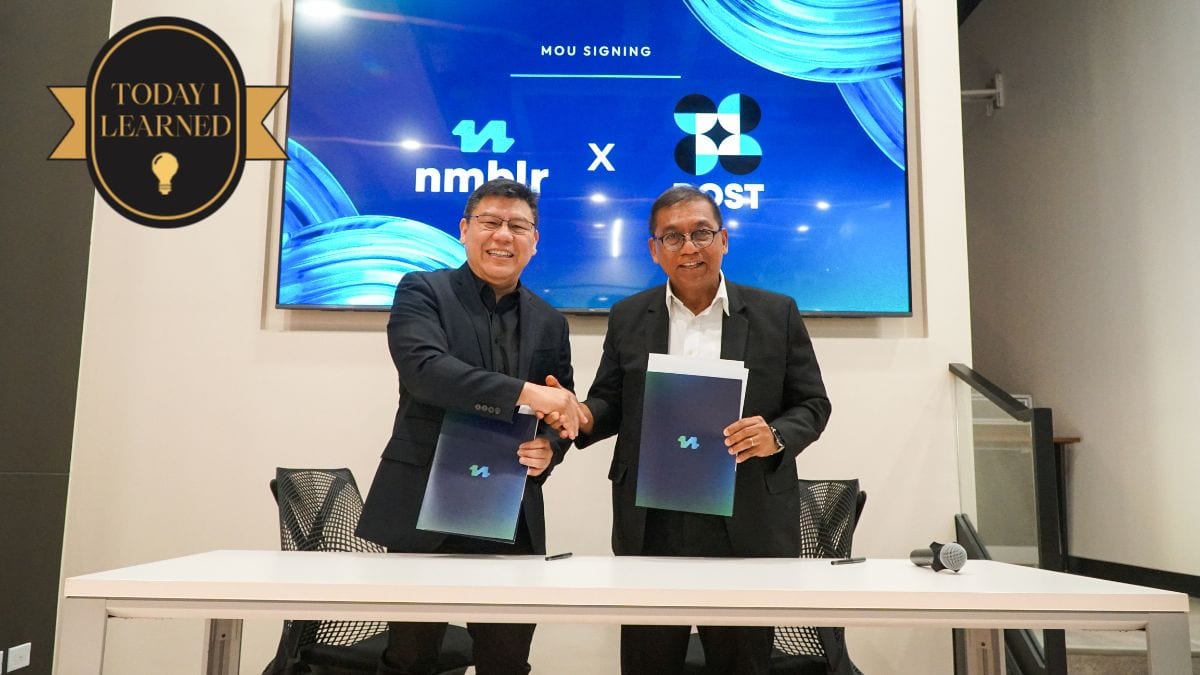
The world is pouring billions into AI and getting almost nothing back. This AI company built right here in the Philippines thinks it has solved the issue.
...

Universities are busy writing rules to keep AI out of the classroom. The more useful task is teaching students the one reading skill the machine cannot perform.
...

Pope Leo XIV’s first encyclical, Magnifica Humanitas, asks humanity to decide what kind of world it is building with artificial intelligence. The answer requires more than theology.
...

The everyday superapp now also lets you order from two different restaurants without the extra delivery fee.
...
According to Foxmont Capital and BCG's latest report, Manila's private capital market grew by 34 percent, outdoing Indonesia and Vietnam.
...
Load More Articles
