
NPC Seal of Registration
Esquire has been granted the NPC Seal of Registration in recognition of the successful registration of its DPO and DPS
© 2026 EsquireMag.ph, All Rights Reserved
watch now
More articles about: books
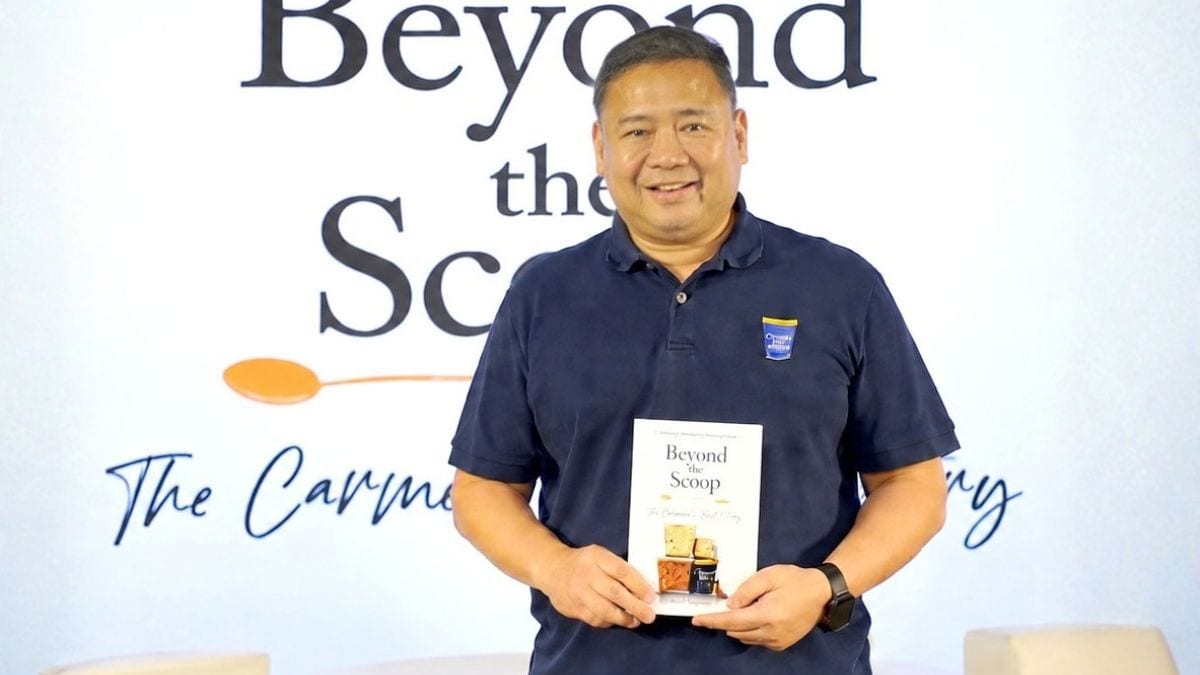
After years of making ice cream, Paco Magsaysay shares what he’s learned about ingredients, flavors, and what keeps people coming back for another scoop.
...

A cookbook launch offered an unforgettable first taste of a city whose food is as rich as its history.
...
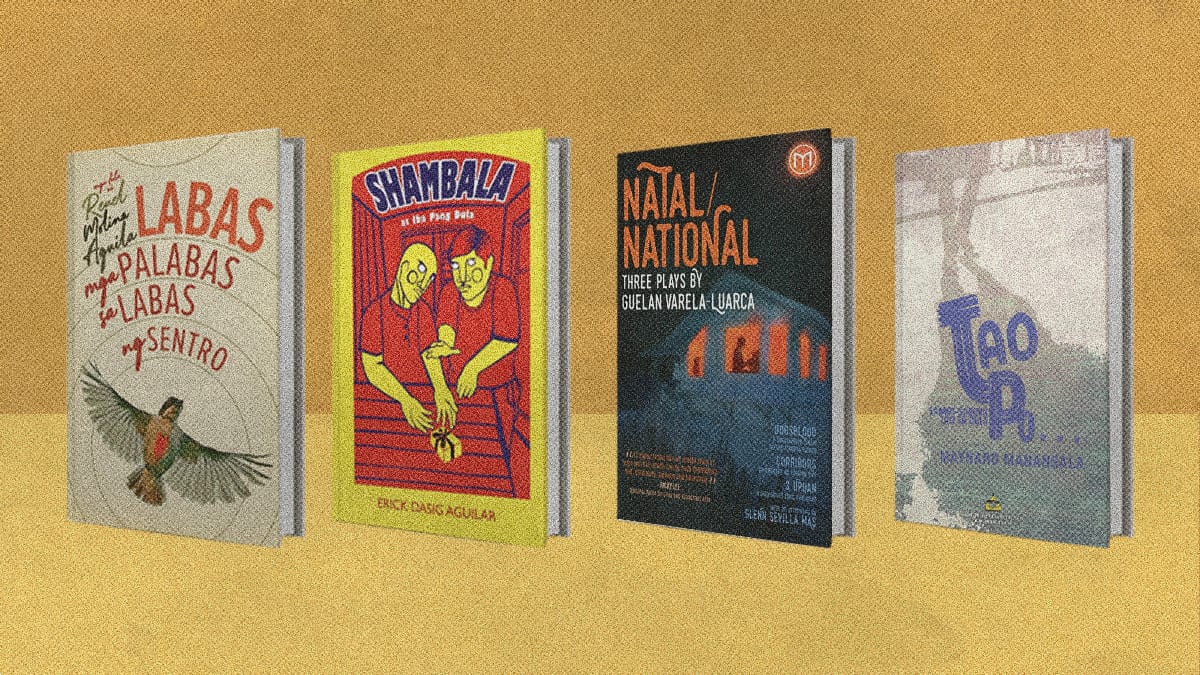
What, finally, is a book on drama and film, for us, now?
...

A reflection on Tiongson's and Reyes's volumes, and why these works ask to be argued with, continued, and exceeded.
...

Through a reading of these five books, we ask: 'By what right, and for whom, does criticism decide what is worth its attention at all?'
...
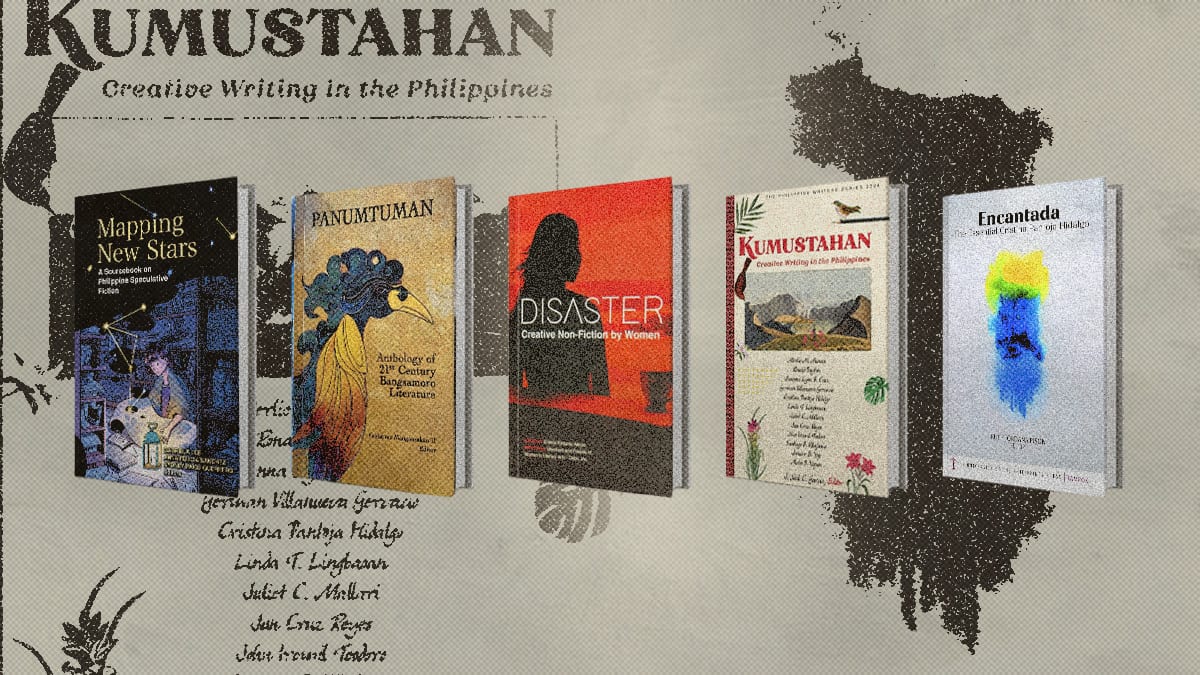
These books capture the diverse possibilities of English-language anthologies: ranging from sourcebooks and workshop collections to seminar proceedings.
...
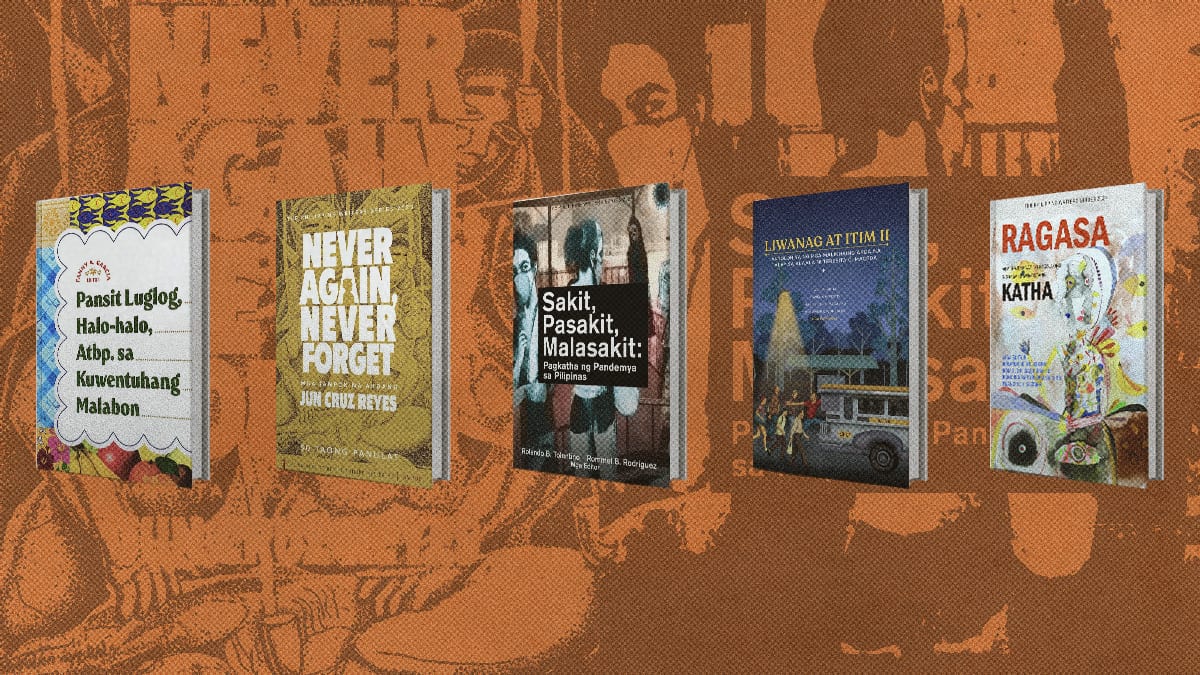
Every single one of these volumes is edited by someone who is also inside the world the editing organizes.
...

What these five books make visible, finally, is not only what Philippine poetry in English is but how much of it there is right now—and how much of it could not be gathered here.
...

Five books, five answers to the question of what happens when English-language prose in the Philippines turns toward the actual and tries to hold it still long enough to be understood.
...
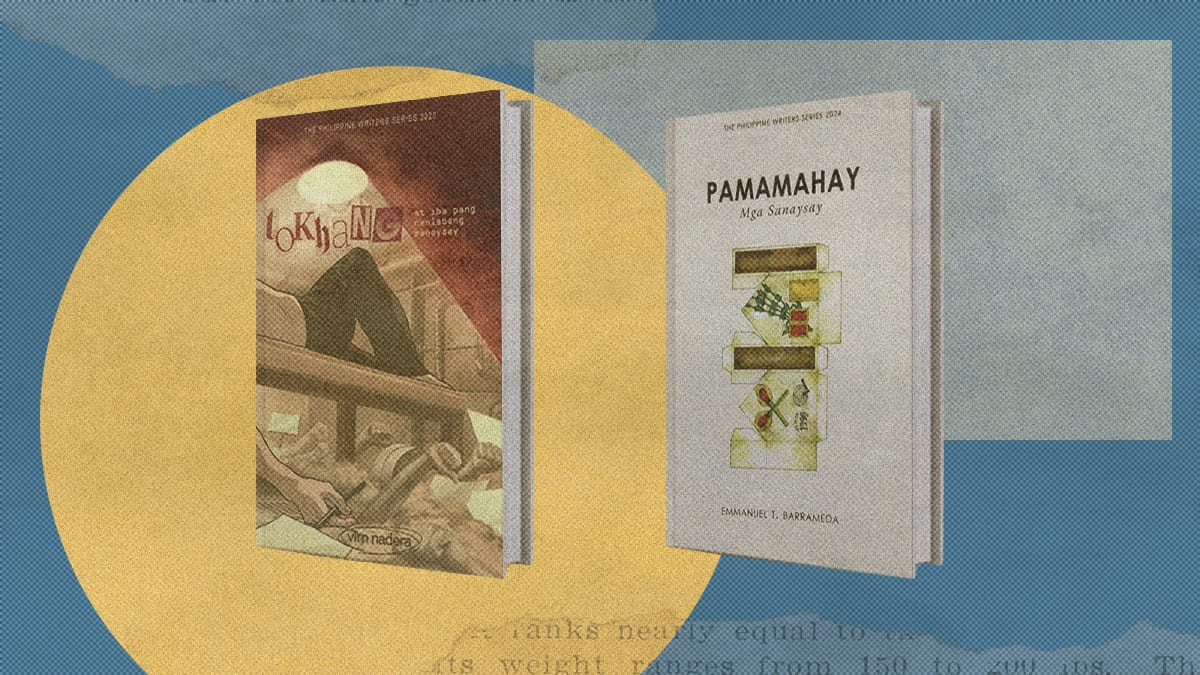
What do these two books tell us, together and in their very twoness, about the state of nonfiction prose in Filipino?
...
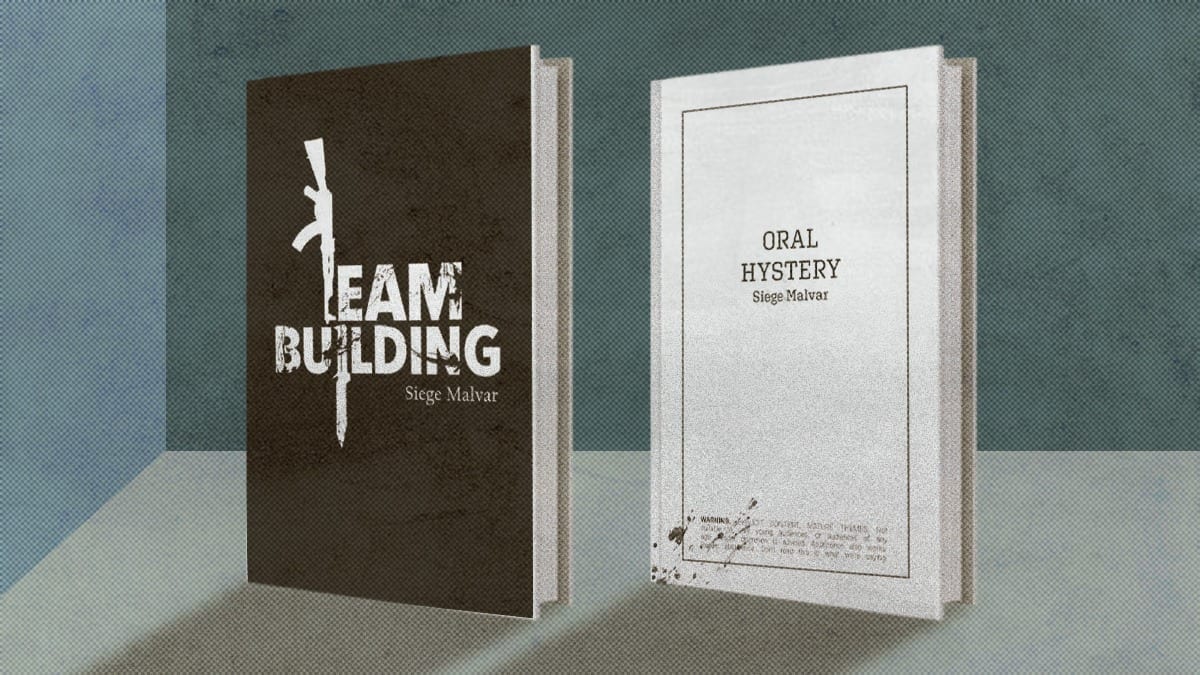
He makes us laugh at ourselves in today's world and language, showing authenticity in absurdity.
...

The facts of our past are more accessible than ever, leaving little reason for the truth to fade from our collective memory.
...
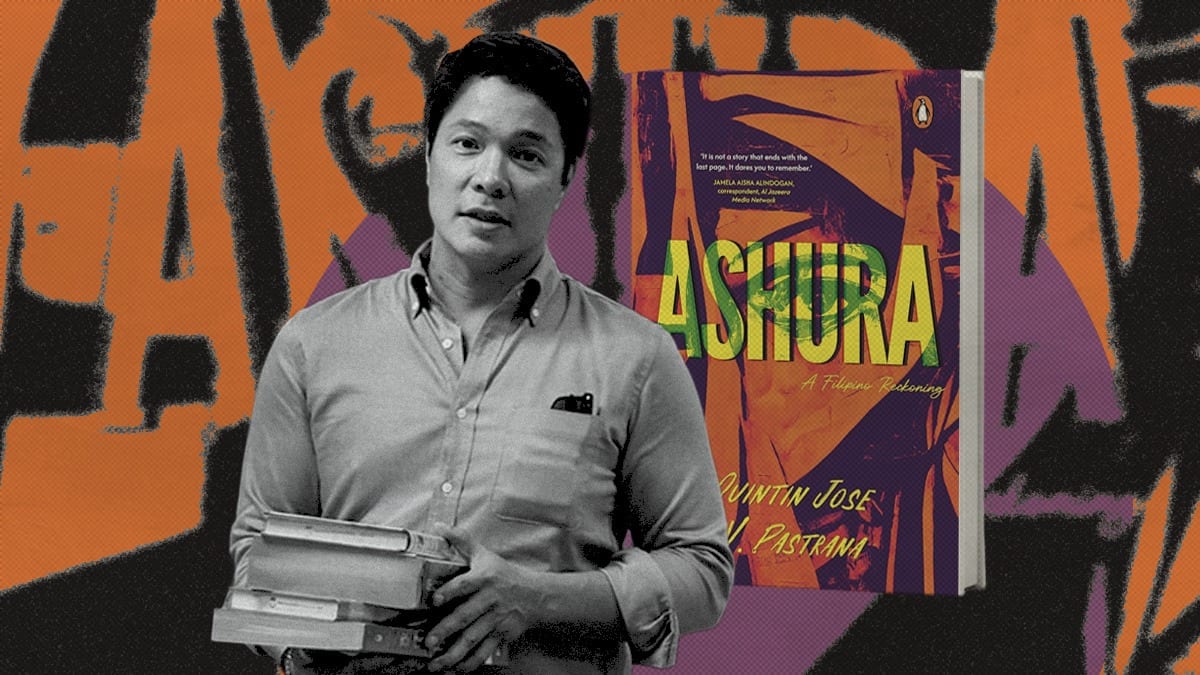
Enter a world of interrupted youth, brazen politics, and the perpetual search for justice in this exclusive excerpt from writer Quintin Pastrana’s debut novel.
...
Load More Articles
