
NPC Seal of Registration
Esquire has been granted the NPC Seal of Registration in recognition of the successful registration of its DPO and DPS
© 2026 EsquireMag.ph, All Rights Reserved
watch now
More articles about: cashless
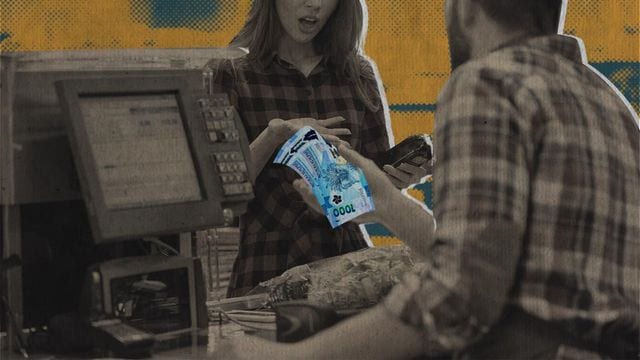
Since when did the burden fall on the customer to provide the exact amount or small bills only when paying for something?
I decided to get lunch at a fast-food store near my house late last week. My bill amounted to P275. I handed the cashier a crisp P1,000 bill, and, as expected, I heard those five words thrown back at me: " ...
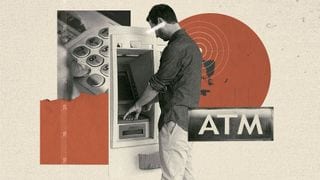
Has this happened to you?
We've all been there: your wallet's empty and you need a few hundred or thousand pesos to pay for lunch or just to replenish your pocket money. You go to the ATM and fall in line. But for some reason, ...
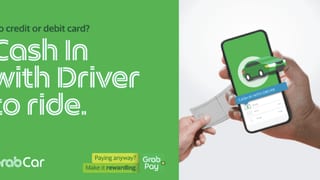
Commuters can now book rides even without credit cards and zero load on their GrabPay wallets.
Even before the pandemic, about 70 percent of Grab Car riders still preferred to pay by cash. But after the government mandated cashless transactions to stop the spread of COVID-19, people have been slow to give up their cash in favor ...
Cashless systems are making headway in the Philippines.
The Philippines has always been a paradox. On one hand, we're the top internet users in the world (according to the latest report of creative agency We Are Social). On the other, we still have towns and communities that don't ...

These mobile payment apps are slowly turning the Philippines into a cashless society.
There's this ambitious goal that the Bangko Sentral ng Pilipinas (BSP) has for the country. By 2020, it aims to make 20 percent of all transactions in the Philippines electronic, which means they are transacted without using cash. While it remains ...
Load More Articles
