
NPC Seal of Registration
Esquire has been granted the NPC Seal of Registration in recognition of the successful registration of its DPO and DPS

© 2026 EsquireMag.ph, All Rights Reserved
watch now
More articles about: National Book Awards

The accomplishments of these books deserve to be distinguished, and their weaknesses considered without the compensatory politeness that sometimes accompanies the recognition of an emerging field.
...
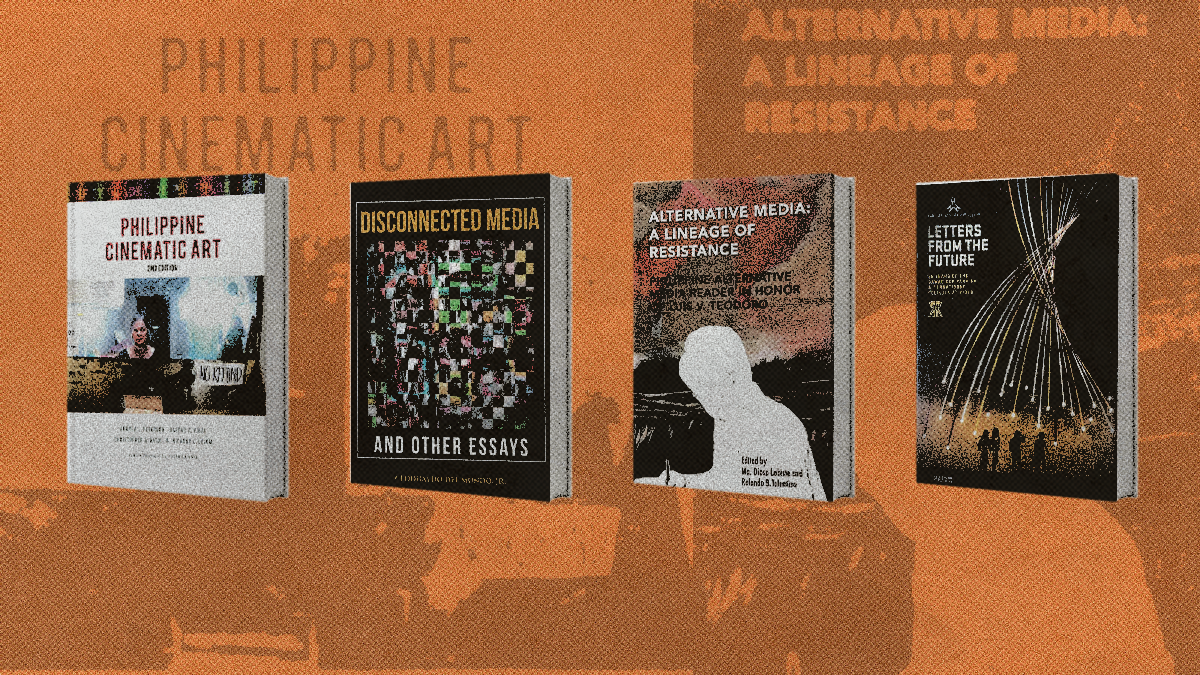
These are not simply books that explain films, television, journalism. They also ask what happens to culture after its moments of transmission.
...
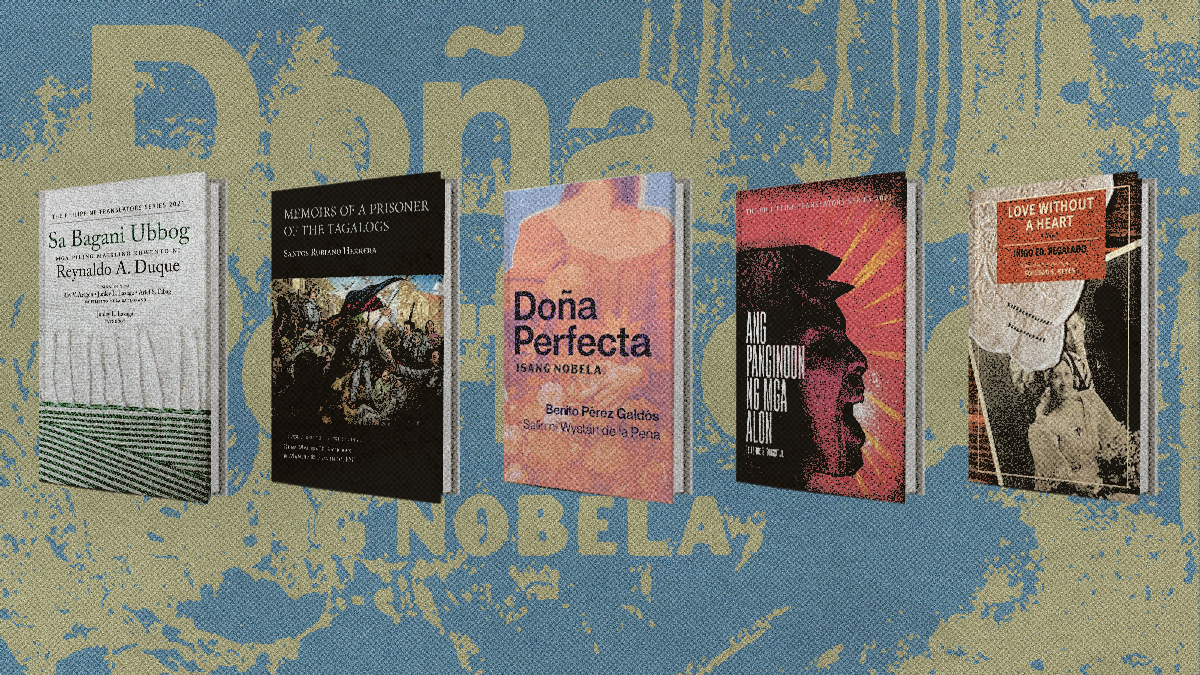
Every book has a life before the reader opens it, but translation makes that prior life unusually difficult to conceal.
...
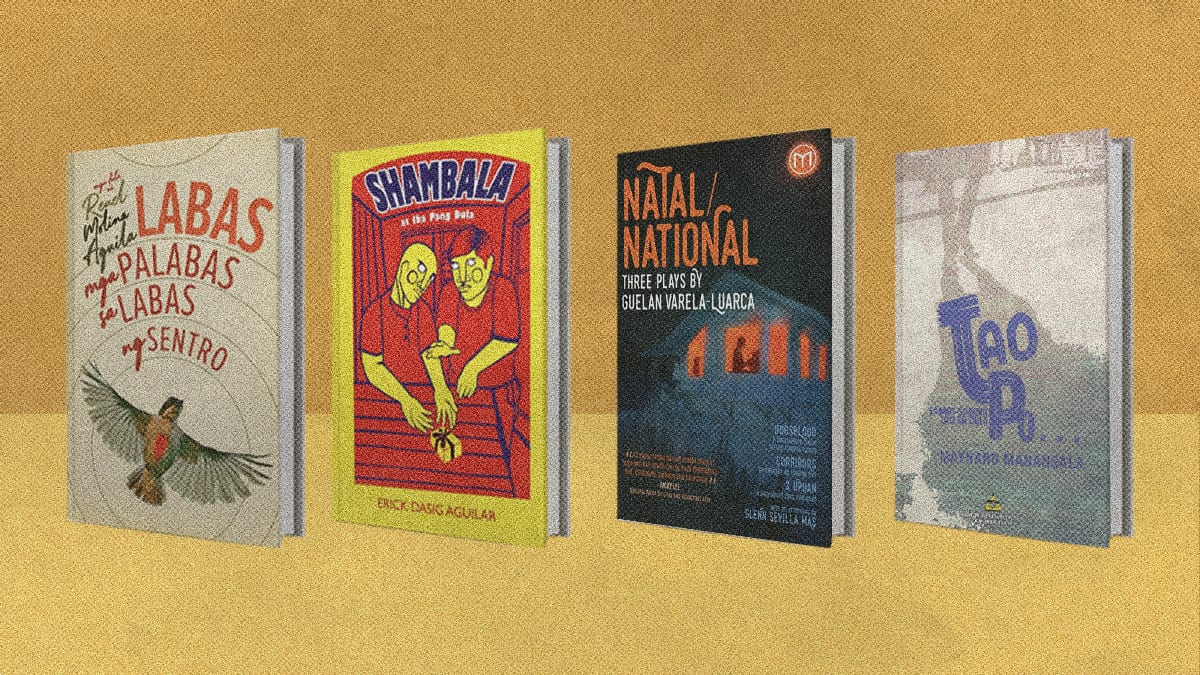
What, finally, is a book on drama and film, for us, now?
...

A reflection on Tiongson's and Reyes's volumes, and why these works ask to be argued with, continued, and exceeded.
...

Through a reading of these five books, we ask: 'By what right, and for whom, does criticism decide what is worth its attention at all?'
...
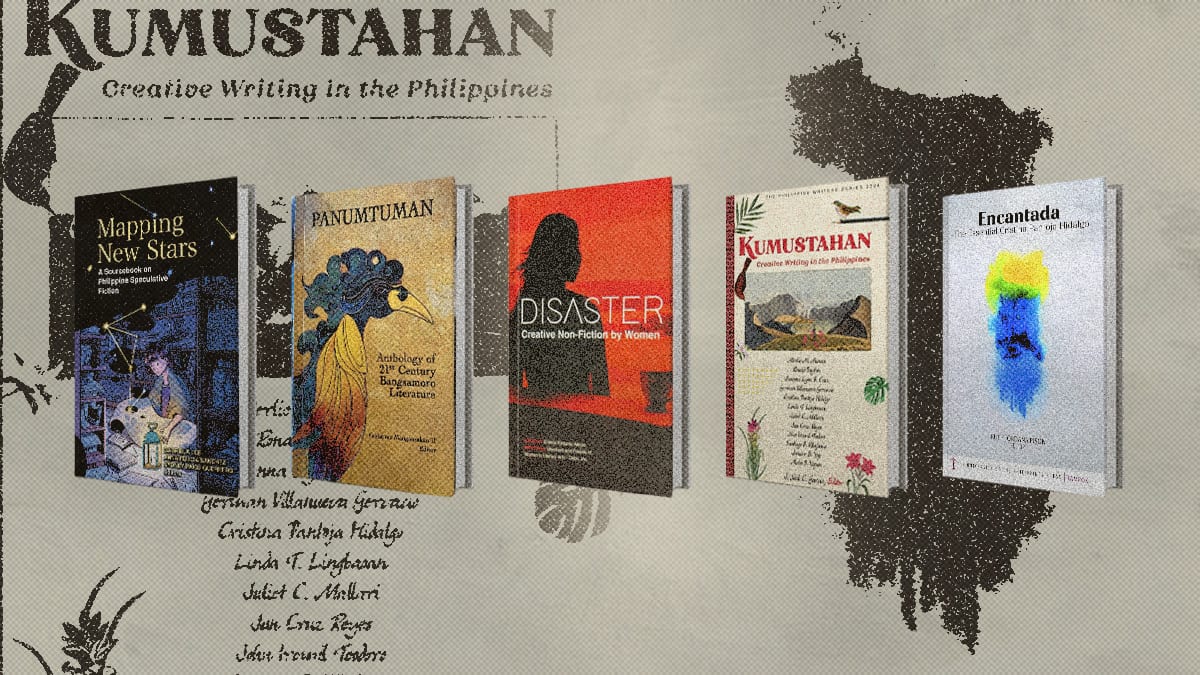
These books capture the diverse possibilities of English-language anthologies: ranging from sourcebooks and workshop collections to seminar proceedings.
...

Every single one of these volumes is edited by someone who is also inside the world the editing organizes.
...

What these five books make visible, finally, is not only what Philippine poetry in English is but how much of it there is right now—and how much of it could not be gathered here.
...

These books tell us that the poetry collection in Filipino is capable of ambitions it is not always given credit for.
...
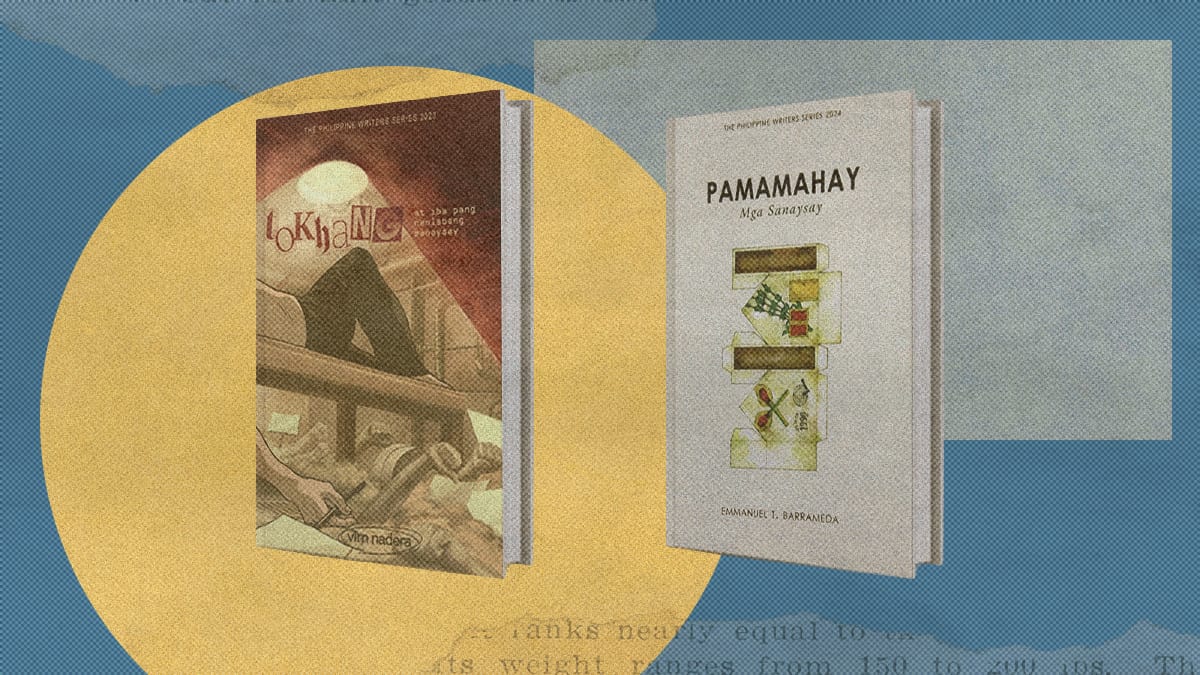
What do these two books tell us, together and in their very twoness, about the state of nonfiction prose in Filipino?
...
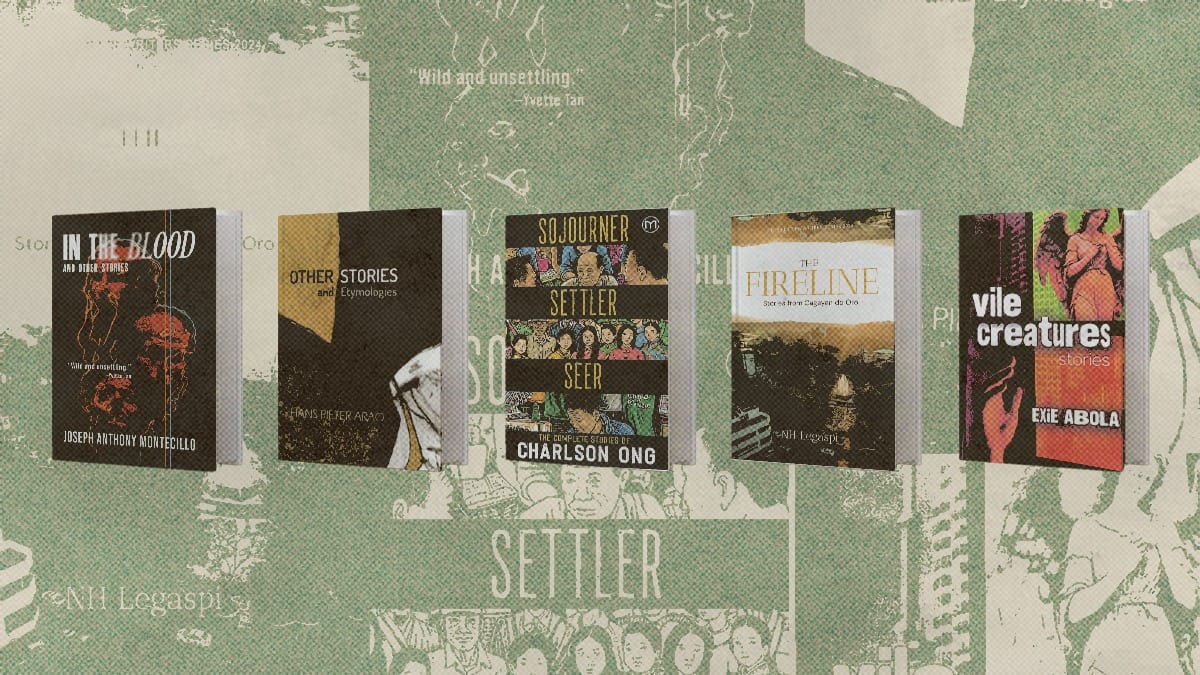
On the finalists for the 43rd National Book Award for Best Collection of Short Fiction in English.
...
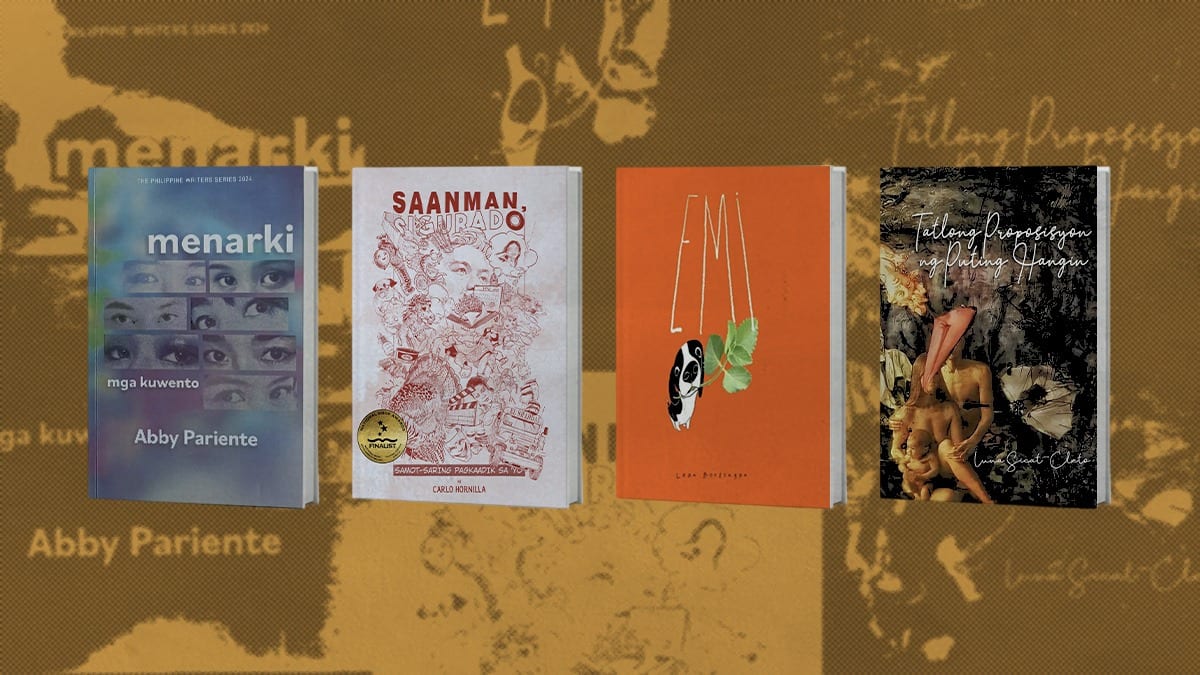
On the four finalists for the 43rd National Book Award for Best Collection of Short Fiction in Filipino.
...
Load More Articles
