
NPC Seal of Registration
Esquire has been granted the NPC Seal of Registration in recognition of the successful registration of its DPO and DPS
© 2026 EsquireMag.ph, All Rights Reserved
watch now
More articles about: plastic
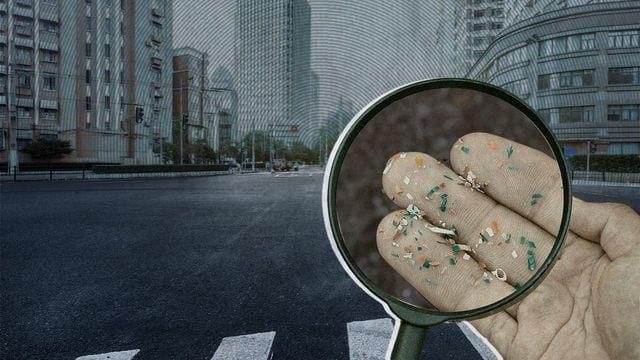
It can contribute to respiratory inflammation, lung irritation, and other complications.
Much has been said (and studied) about microplastics. It's found in our seas, then eventually ingested by fish and other marine creatures; in the soil, then absorbed into the roots of fruits and vegetables; and in the air. However, because of ...
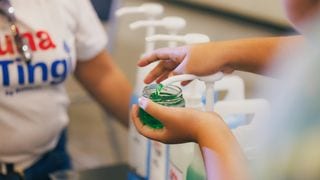
Metro Manila cities are leading the way back to a reuse-based economy.
The Philippines is "sinking in sachets," according to the 2024 Regional Brand Audit Report by the global movement Break Free From Plastic. "Every day, a staggering 164 million plastic sachets are used and discarded," it continued, adding that it was just enough ...
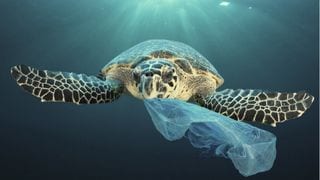
45 million shopping bags drifted to Philippine seas.
Marine conservation group Oceana, citizens, and stakeholders want to sue the national waste manager in the Philippines. The group is taking the first step as a prelude to legal action to press the National Solid Waste Management Commission (NSWMC) and concerned government ...

We looked at data to see if metal straws are really worse than plastic straws.
Metal straws have been slammed recently due to concerns regarding their safety and environmental impact. On Twitter, a user slammed metal straws for their alleged impact on the environment."Your metal straws are products of nickel mining," Twitter user @pammirand wrote. "Result: ...
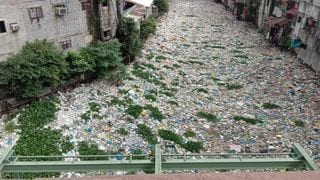
Every individual needs to act now to address the plastic problem.
Refuse plastic, reduce consumption, and dispose waste properly. The main image of this article, which shows a canal clogged by garbage, was released by the MMDA earlier today. According to the agency, it was taken at Estero de Quiapo near the city' ...
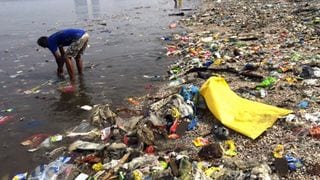
That's enough sachets every year to cover Metro Manila's landmass in one foot of plastic.
Much has been written about the Philippines' plastic pollution problem. Previous studies have ranked the Philippines as the third biggest ocean polluter of plastic, and many Filipinos have declared that stances on the issue will influence their vote in the upcoming senatorial ...
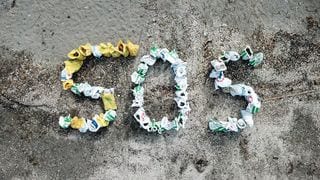
And how one cosmetic brand makes its mark by reducing plastic waste.
In 2015, an estimated 6.3 billion tons of plastic waste was generated, according to Science Magazine and BBC. Only nine percent of that plastic was recycled. A whopping 79 percent of that total amount went to landfills or the natural environment. ...
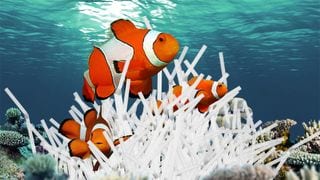
Humans have produced more plastic in the last 10 years than the last century.
Plastic pollution is at an all-time high. The world is simply swamped with so much harmful plastic waste that microplastics in our seas have outnumbered the stars in the galaxy.From how much we use and the time it takes to ...
Load More Articles
