
These Cemeteries and Burial Sites Tell Intriguing Stories

A burial ground is a sacred space—a quiescent shelter for the departed. During this time of the year, however, the ground turns into different sorts of symbols—a place of commemoration, a reminder that life is borrowed, and sometimes, a backdrop for the films that abound on our screens.
In other times, it’s simply a place of mystery, one that holds secrets and hushed wishes. Or, in some cases, a place that merits a deeper kind of exploration for its oddity and strange beauty.
Below are some of the cemeteries and burial grounds that conjure feelings of awe and curiosity rather than fright—and may very well be on your go-to “destinations” not only during All Souls’ Day but all year round.
ALSO READ
How Much Does it Cost to Die in Manila?
This Ancient Dog Burial Site in Manila Proves Filipinos Loved Canines
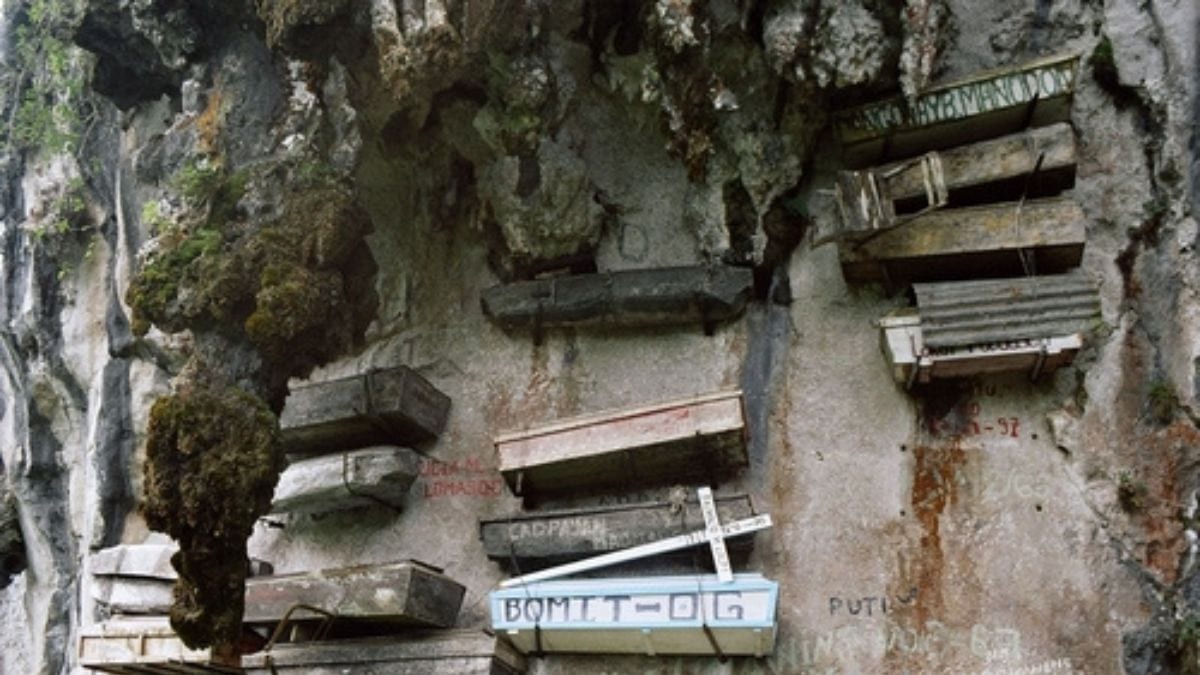
Hanging Coffins, Sagada
The ancestors of the people of the Cordilleras believe that being closer to the skies after departing the physical realm brings the spirit closer to heaven. So, on the edges of cliffs surrounded by the bountiful nature of Sagada, a town in the Cordillera Mountains, are coffins hanging on seemingly arbitrary patterns.
In the olden times, the elderly were said to have carved their own coffin and marked it with their name. If deemed too ill, then the family members would do the ritual for them. The tradition has been done (although infrequently these past decades) for more than 2,000 years. Take heed: Visitors are only allowed to view the coffins from a distance.
Lumiang Cave in Sagada
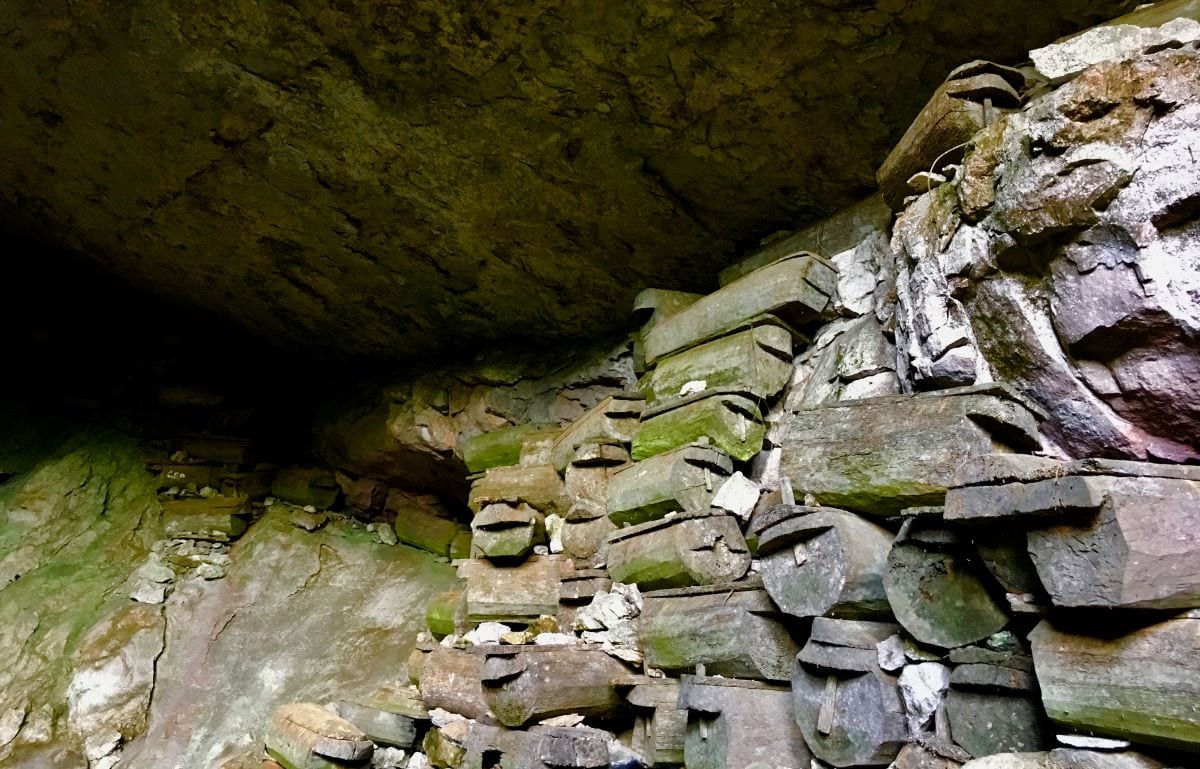
Lumiang Cave, Sagada
A few minutes away from the Hanging Coffins is the Lumiang Cave, the resting place of some 100 departed loved ones, including those who have been there for more than five centuries. The coffins, which are wedged within the crevices of the cave, are placed near the entryway because the elders believed that sunlight can protect the departed from bad spirits.
Those who visit Sagada to go on an outdoor adventure, exploring the Lumiang Cave is part of the widely popular cave tours, which mostly involve spelunking.
Bud Bongao, Tawi-Tawi
Sometime in the late 1300s, an Arab merchant and missionary, named Sheik Karim-ul Makdum, brought Islam to the Philippines, and later built the country’s first mosque, located in the municipality of Simunul, Tawi-Tawi. Two of his direct followers are said to be buried within the island, in the sacred Bud Bongao (“the mountain of Bongao”) in Bongao, Tawi-Tawi.
Today, believers climb more than 3,000 steps to pray at the burial shrines, also called tampat. The place has also become popular for the breathtaking views at the peak, embraced by clouds—all worth having trembling legs for days.
Nagcarlan Underground Cemetery
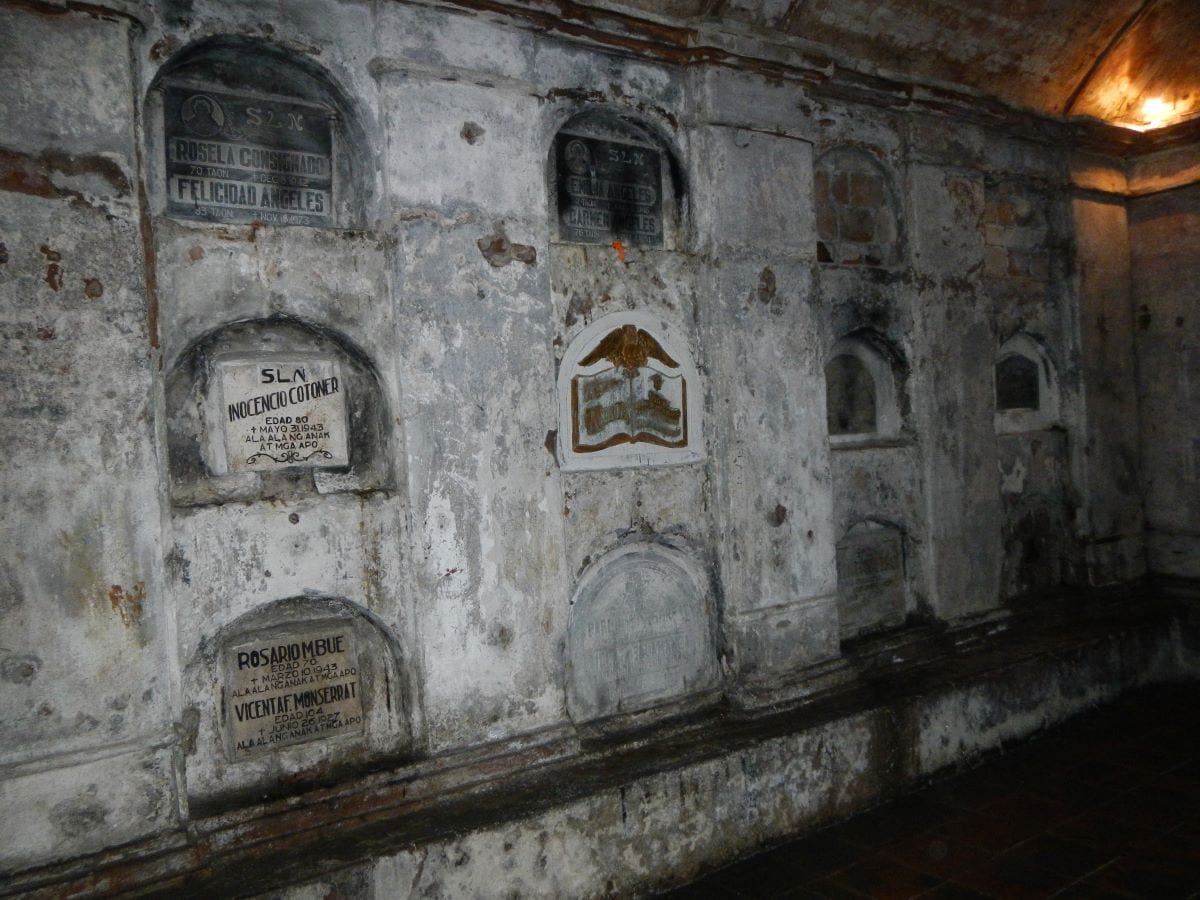
Crypts at Nagcarlan Underground Cemetery
Nagcarlan Underground Cemetery, Laguna
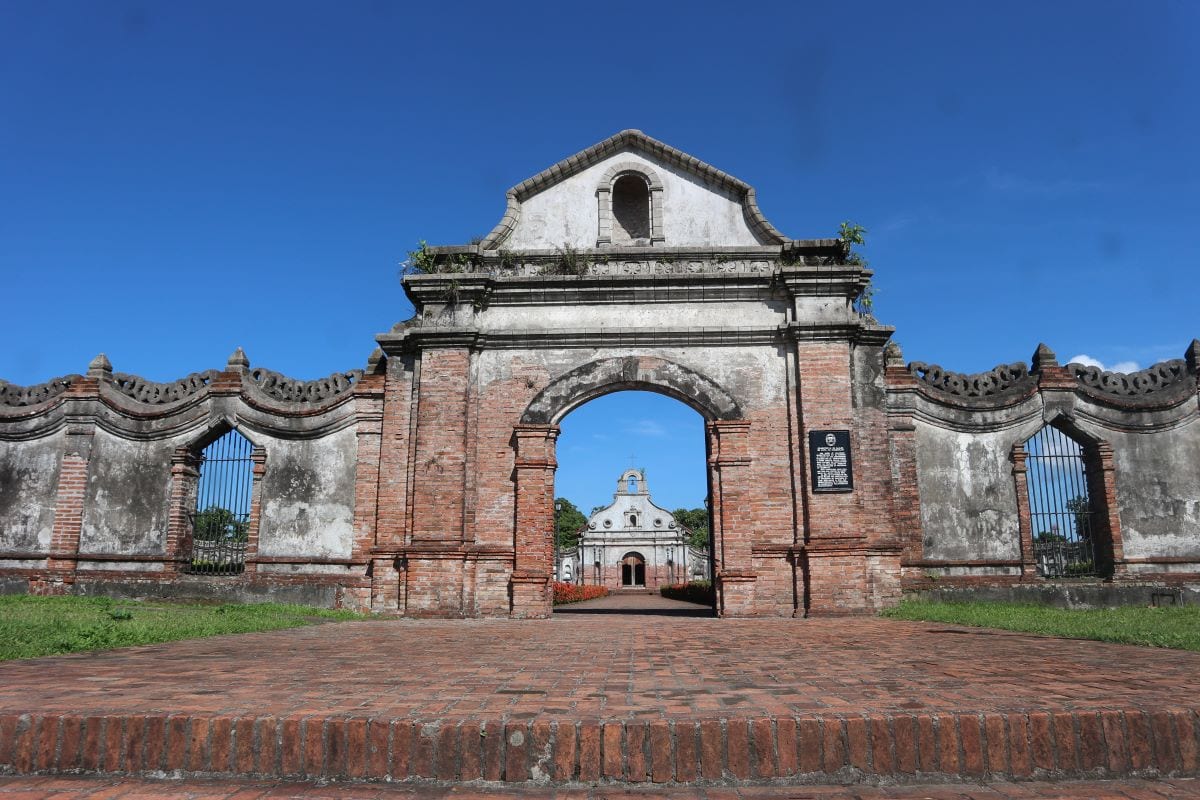
In 1845, Fr. Vicente Velloc, a Franciscan priest built a public cemetery in Nagcarlan, a municipality in Bulacan. He meant for it to serve as the resting place of the townspeople in the area. Beneath the cemetery, however, is an underground crypt created to house the more “elite” members of society, including Spanish friars.
During the Philippine Revolution, the once-hidden site served as a meeting place of revolutionaries, and is said to be the location where some of the leaders planned the Pact of Biak-na-Bato. In 1973, the Nagcarlan Underground Cemetery, which has seen the ruins and triumphs of war, was declared as a National Historical Landmark.
Sunken Cemetery in Camiguin
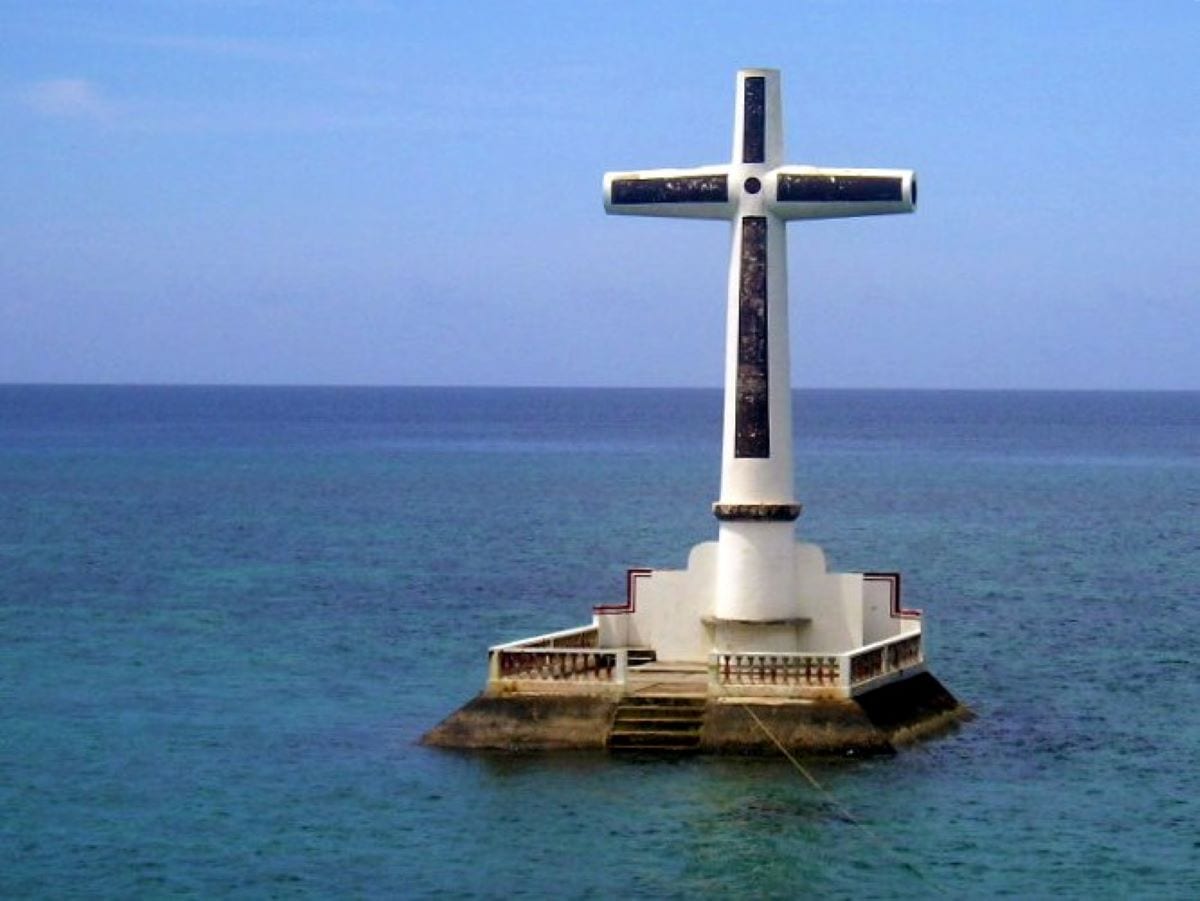
Sunken Cemetery, Camiguin
As the water forms the largest part of our planet, it is no wonder why it holds within its depths a great fraction of our history. In the 1800s, Mt. Vulcan erupted several times with its worst one sinking an entire town in Camiguin. In the midst of despair, a cemetery was buried so deep within the waters of the island, it bore no signs of its original form. To commemorate this day, a big cross was built by the townspeople in its stead, giving the place an eternal mark in the middle of the ocean.
Cemetery of Negativism, Baguio City
When we visit the dead, especially during All Souls’ Day, we silently pray for peace for our beloved ones who have been laid to rest. Through these prayers and thoughts, we hope for peace within us, as well. So, while this next place is not a cemetery or a burial place for human beings, it made the list for what it represents.
The Cemetery of Negativism is exactly how it sounds. A tourist spot in Baguio City, it has in it tombs with inscriptions that are inspiring, reminding us to let go of the bad jujus and asking us to reflect on our own existence. And what better way to celebrate a day when our most fervent hopes are entangled in peace and answers to some of the world’s oldest mysteries.
