

Rethinking Dead Hours: How a Cebu Café Tested a Fresh Approach to Slow Mornings
The mechanism Punched Coffee explored was SaleSnap.
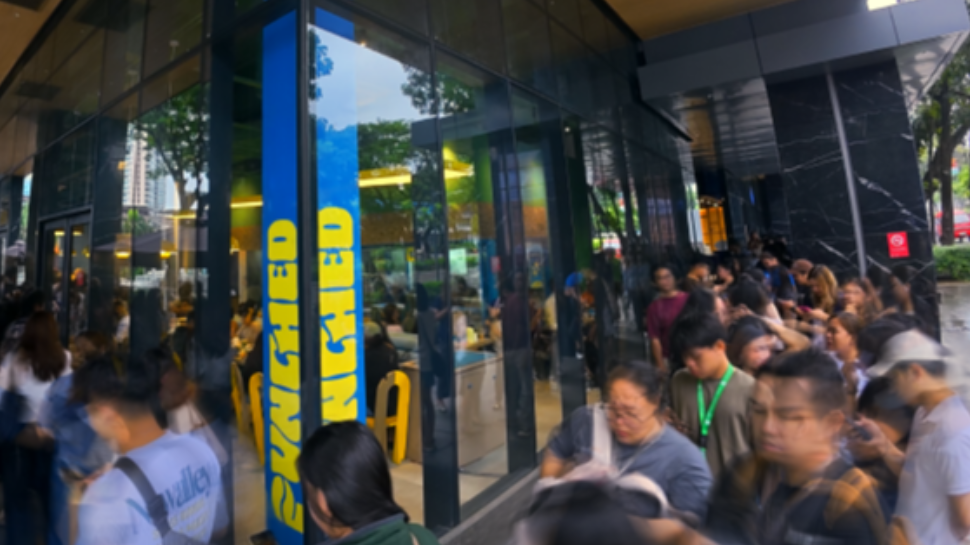
At 7 a.m., most cafés in the Philippines operate in quiet tension.
The lights are on, and the grinder is warm. Staff move deliberately behind the counter. But the chairs outnumber the customers.
From 7 to 10 a.m., many operators accept what the industry calls “dead hours.”
Across F&B establishments nationwide, wages, utilities, and inventory continue—regardless of foot traffic.
Unfortunately, for operators, profit is often compressed into lunch and dinner rushes. This has long been accepted in the industry as “normal.”
In Cebu, Punched Coffee chose not to accept that gap.
Rather than asking how to grow louder, the cafe asked a quieter question:
What if slow hours aren’t a demand but a timing problem?
The mechanism they explored was SaleSnap.
From Visibility to Accountability
George Padin, founder of SaleSnap, describes the effort as an experiment in incentives.
Today, influencers recommend brands daily. Their followers already scroll, save, and engage.
There’s just one problem: traditional campaigns stop at awareness.
Engagement may trend online, but physical spaces remain uneven throughout the day.
SaleSnap goes in a different direction.
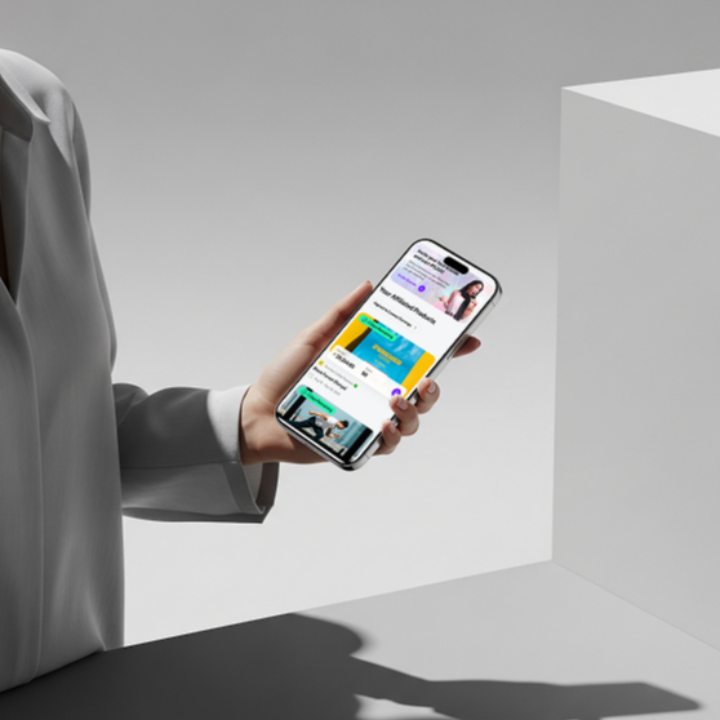
Instead of prioritizing impressions, SaleSnap’s campaign focuses on in-store redemption.
Rather than posting for likes and shares, influencers share time-specific offers with their followers. This encouraged more in-person visits during targeted hours.
For Punched Coffee, the shift wasn’t about amplifying noise but guiding attention toward a specific window.
Morning hours became something to intentionally shape.
Because influencers encouraged early visits, customers had a reason to arrive sooner. And the staff who were once waiting began serving earlier than usual.
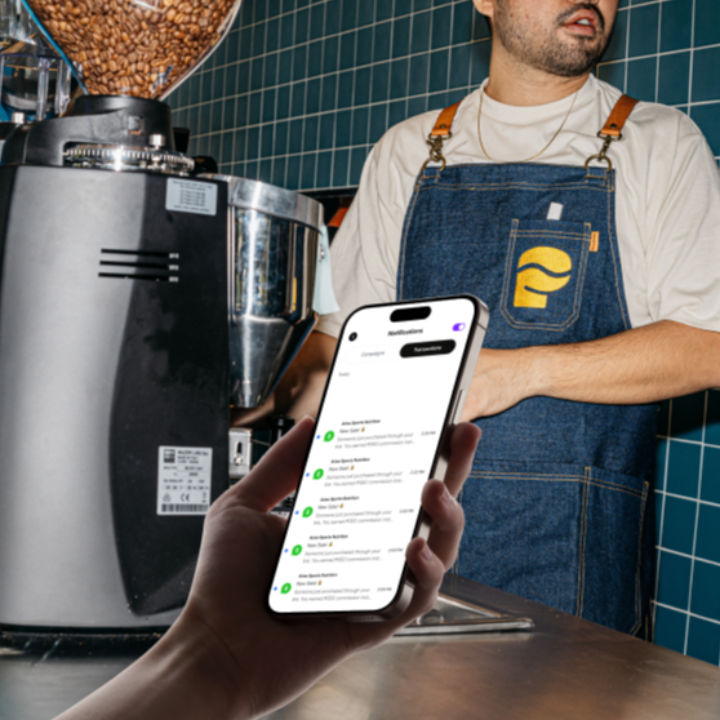
More importantly, the café now had greater visibility into which influencers drove actual store visits.
The emphasis shifted from speculation to accountability.
Instead of aggressive claims, the solution turned out to be clearer alignment between online advocacy and offline presence.
If the old influencer model rewarded attention, this model rewards arrival.
What SaleSnap Actually Won
The most meaningful outcome wasn’t just a burst of activity.
By concentrating on specific time windows, the café was able to rethink how it approached idle capacity.
Instead of seeing slow hours as an inevitable loss, they treated them as an adjustable supply.
This reflects a broader problem across fixed-cost businesses in the Philippines.
Every restaurant seat, hotel buffet slot, retail floor hour, or studio booking window is perishable inventory measured in time. Once the hour passes, it cannot be reclaimed.
The issue is rarely that demand disappears entirely. Often, it disperses.
Customers are willing—but not always when businesses need them to be.
The Punched Coffee and SaleSnap experience suggests that when quiet hours are approached strategically, demand can be redistributed.
Not manufactured from nothing or exaggerated, but simply redirected.
Dead hours, then, are not fixed realities but design challenges.
For F&B owners, the lesson is simple.
If your café or restaurant is packed at lunch but empty at 9 a.m. or 3 p.m., the issue may not be demand but timing.
Instead of treating slow hours as inevitable losses, you can engineer them with SaleSnap.
SaleSnap helps businesses work with trusted voices to encourage visits during specific windows.
Rather than paying purely for exposure, the focus shifts to motivating in-store action when it matters most.
Before ten in the morning, that distinction can change the shape of the entire day.
Thanks for reading! So what do you think?
-
0

 Didn't know that!
 -
0

 Hmmm....tell me more.
 -
0

 How and where can I get this?
 -
0

 I’m already a loyal fan!
 -
0

 Will share this ASAP!
