
The Rise of Mocktails: How Sobriety Found a Lasting Place in Manila's Nightlife

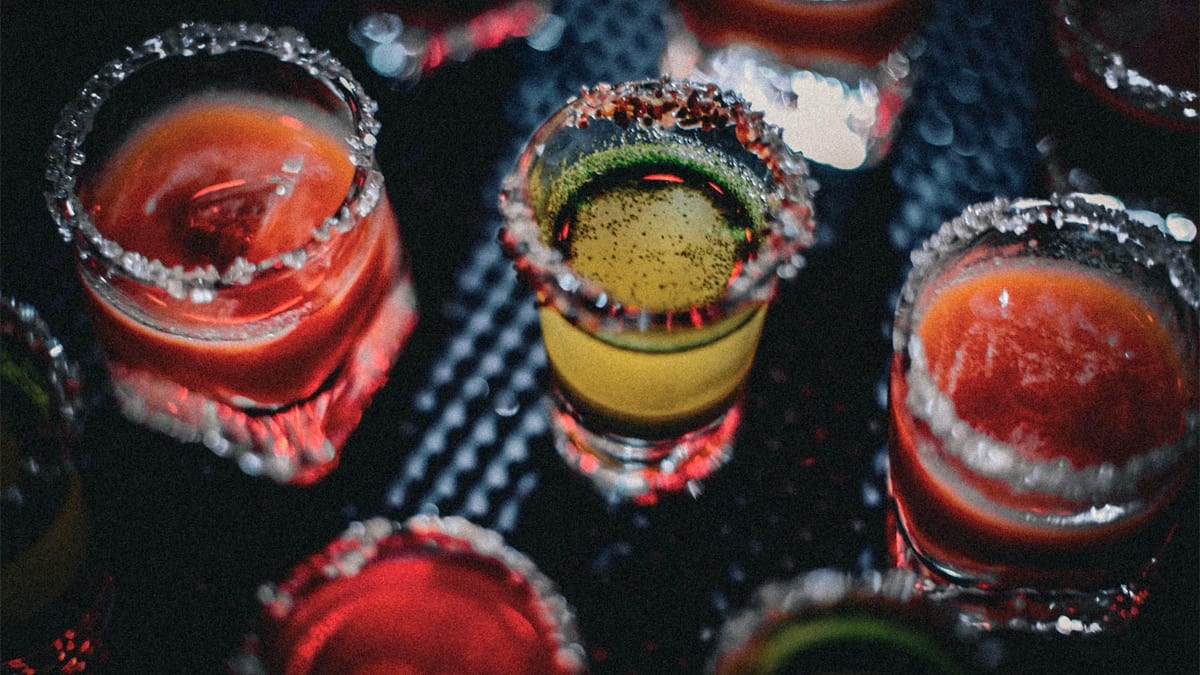
It’s a Saturday night on Maginhawa Street. College students have filled a speakeasy tucked behind a bookshelf in an unassuming fried chicken joint. Taking a break from boisterous laughter, a table waves over the bartender and orders another round. Most of the group points to classic and signature cocktails on the laminated menu. But one of the patrons asks the bartender—trained to tailor cocktails to each guest’s palate—if mocktails are available, and he doesn’t miss a beat. Of course, he says. Everything on our menu can be made alcohol-free.
Across the Metro, the party scene remains centered around bars. The music still pulses, and glasses continue to clink—but those glasses aren’t always filled with alcohol. For many, participating in the nightlife no longer has to come with a morning hangover. Whether they’re abstaining completely, cutting back, or simply curious about sobriety, more and more people are gravitating toward alcohol-free alternatives. In response, Manila’s bar culture is evolving, embracing a broader turn toward mindful drinking and a more inclusive social landscape.
Gnostic, dubbed the "Philippines’ first ever non-alcoholic vegan bar and cafe", is found in Población, Makati.
ALSO READ:
No Booze, No Problem: 'Sober Tourism' Is the Next Big Thing
How to Be Drunk Like a Gentleman
This shift may be generational. Today’s young Filipinos have grown up with a stronger focus on wellness and mental health. As the stigma around depression and therapy fades, people feel more empowered to abandon alcohol as a coping mechanism. There’s also a growing recognition that alcohol misuse is a complex health issue rather than a cut-and-dry moral failing. Perhaps informed by the harsh realities of the country’s draconian approach to addiction, many in this generation see recovery as a path forward, not a source of shame. And having come of age during the fitness boom of the 2010s, today’s partygoers may simply be more inclined to seek out healthier ways to unwind.
At the same time, the growing interest in non-alcoholic alternatives aligns with global trends. The rise of the sober curious lifestyle, popularized by initiatives like Dry January, reflects a desire not necessarily for lifelong sobriety, but for a more intentional relationship with alcohol.
Still, alcohol consumption in the Philippines is projected to tick upwards from 3.6 billion liters in 2024 to 3.85 billion in 2025. In fact, our alcohol use has alarmed analysts, who estimate the country loses trillions of pesos in productivity annually due to alcohol- and tobacco-related harm. This includes illness (cardiovascular disease is up 238 percent since 1990) and a staggering 115,000 premature deaths each year.
Despite, or perhaps because of, these sobering statistics, the vibe shift is underway. Sobriety is no longer met with suspicion. Today, whether you’re a fitness enthusiast, a designated driver, or someone in recovery, you’re more likely to be met with apathy than an inquisition. And you’re more likely to find options that go beyond the conspicuous water glass that once invited judgment for being a "killjoy."
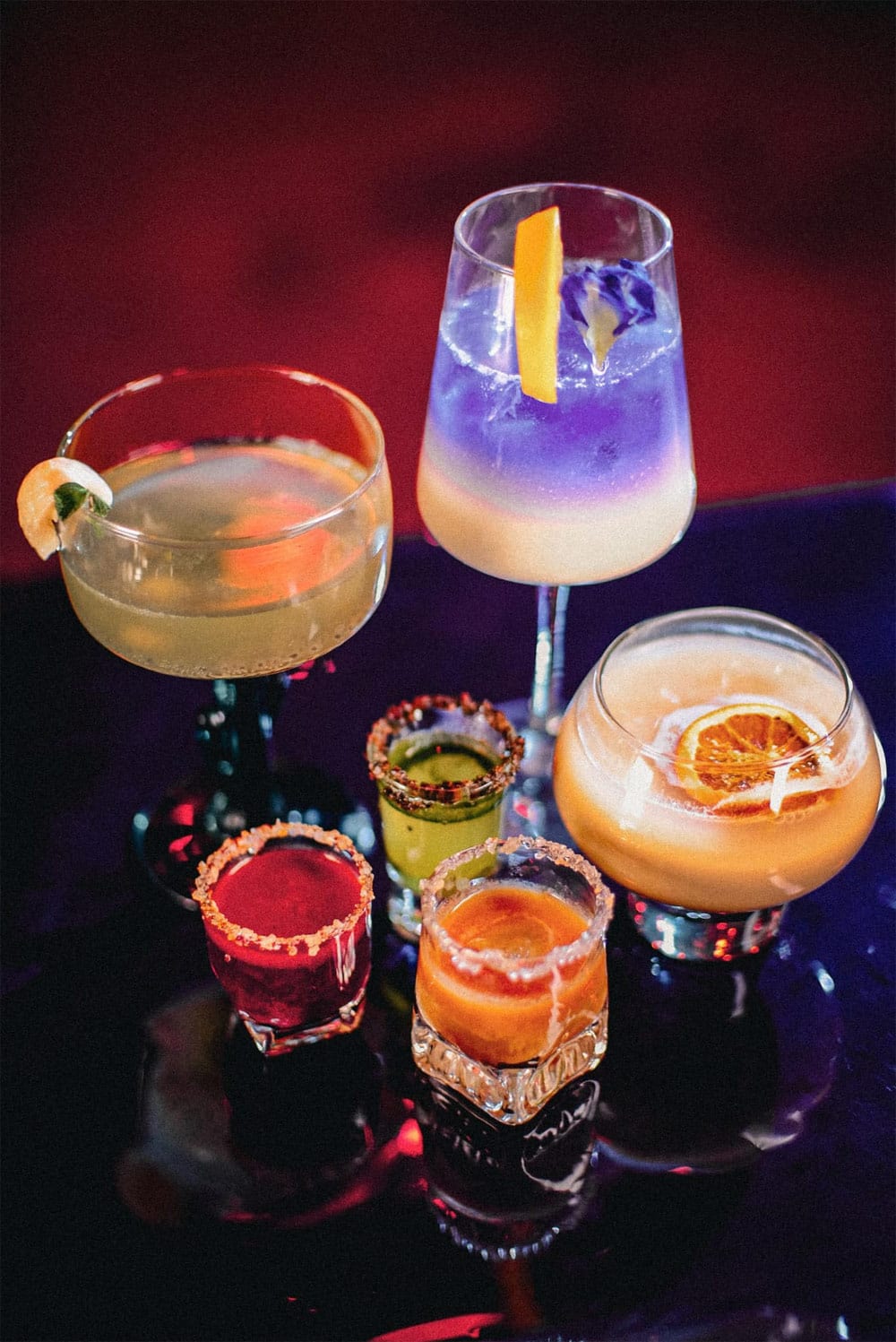
Just as the last decade saw a cocktail renaissance, ushering in a wave of speakeasies across the Metro, we may now be witnessing a quieter, but equally deliberate, mocktail renaissance. No longer "just juice," these spirit-free concoctions boast complex flavor profiles, premium ingredients, and elevated presentation.
Leading the way are bars like Gnostic, INT.Bar, Escapee, Re:Craft, After Hours, The Curator, Seltsam, and Dim Dim, who are catering to, if not encouraging, the cultural change. But you don’t have to go to these particular establishments to enjoy a good mocktail. It has become apparent that most reputable cocktail bars can adjust their offerings for patrons seeking a booze-free experience.
Ruel Sabalza, the bar manager of After Hours—what he calls a "no frills, no pretense spot" in Quezon City, is a Flor de Caña Rum Sustainability Challenge finalist with 15 years of experience in the industry. And yet, he acknowledges that mocktails challenge his creativity more than their spirited counterparts. "I can balance the flavors of a cocktail using elements like bitters, liqueurs, and, of course, the main spirit. Sa mocktail, mahirap kasi limited ang options," he shares. Still, After Hours began offering low-ABV and alcohol-free drinks over the past year. "Before, we only did bespoke mocktails. Then we noticed na dumadami yung nagre-request. We decided to introduce a mocktail menu so that those who do not drink alcohol can be with their friends at cocktail bars and have fun."
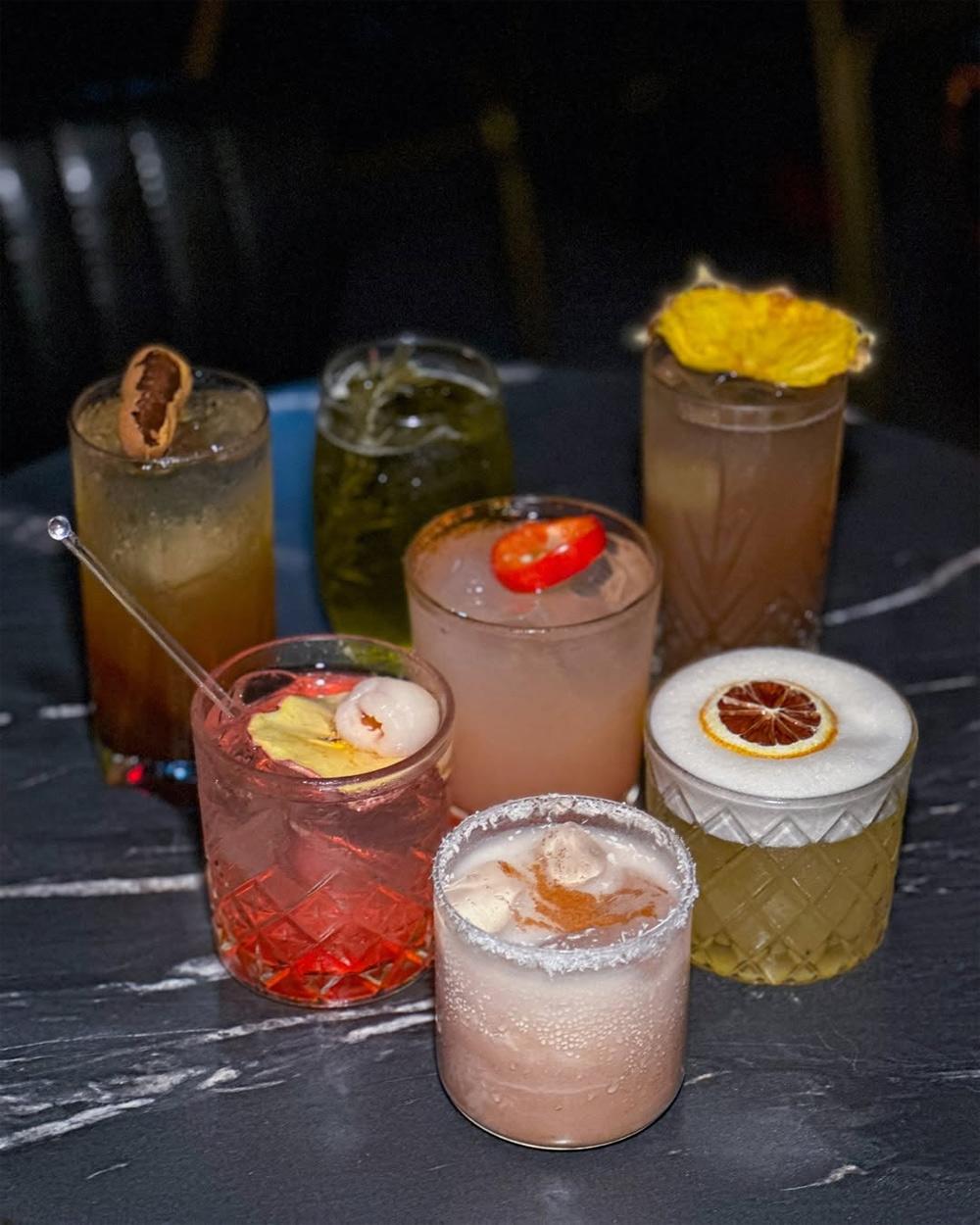
Sabalza recommends the bestselling Fruit Basket, made with guava purée, lychee, apple, and lemon juice. And for those with more adventurous palates, there's Jungle Juice, featuring tamarind, coriander, buko juice, and brown sugar.
It’s no surprise that it’s the Metro’s bar scene itself that is leading the charge. Mixologists have long transformed the role of the bar from a place to get drunk into a space for connection, flavor, and discovery. Adding mocktails to the mix is a natural extension of that mission.
Ian James Osillo, On Premise Channel Executive & Brand Ambassador for Campari, sees making mocktails as "reinventing the wheel." Still, it’s worth the effort. "I’ve been investing in working on non-alcoholic drinks because there is a consumer demand for it. [Bartenders need to] cater to all types of guests."
While the rise of mocktails doesn’t necessarily point to a decline in drinking, it does signal something else: intentionality. As Manila’s nightlife matures, so does its ability to embrace choice without judgment, without compromise, and—if so desired—without alcohol.
