
How the 2020 California Wildfires Affected Wine Production at Joseph Phelps

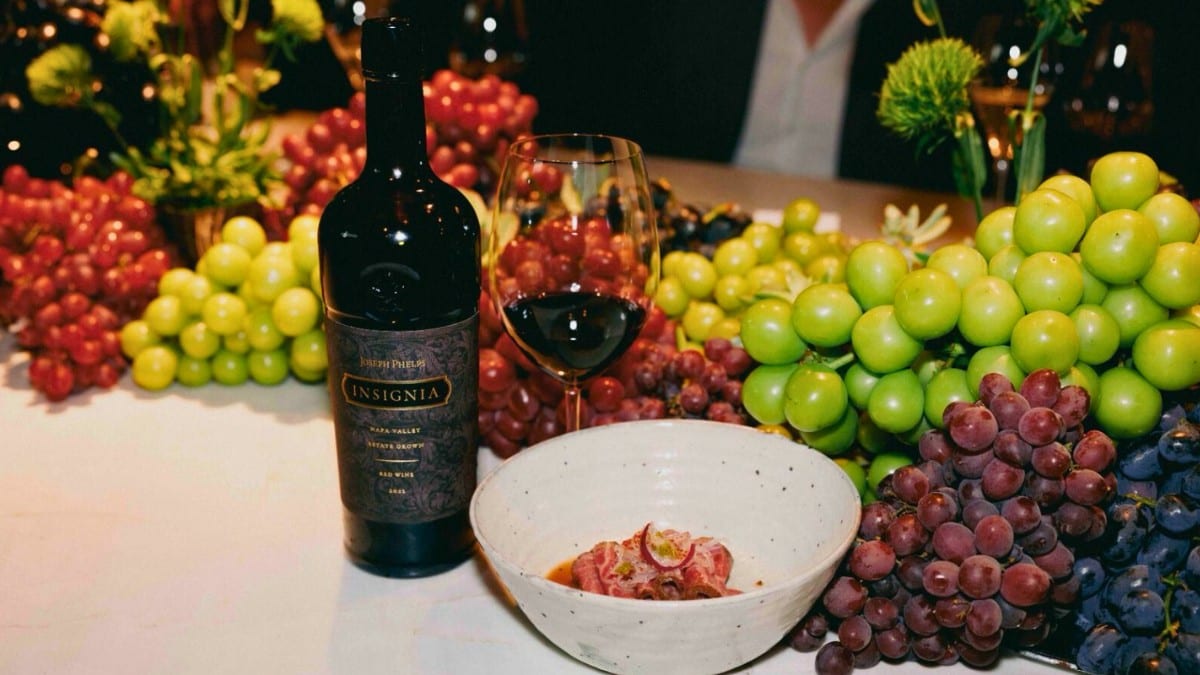
Winemaking is an art as much as it is a science. The interplay among soil conditions, weather patterns, climate, and the vineyard as a whole is a delicate dance that determines the quality and character of the final product. Proof of this is the latest Joseph Phelps Vineyards' Insignia 2021, which was released in Manila through a series of exclusive dinners with connoisseurs and casual enthusiasts at Blackbird Makati in the second week of September.
ALSO READ
Wine and Steak With a View: An Afternoon of Terrazas De Los Andes Fire Dining
Why Filipinos Should Embrace the Natural Wine Style
Joseph Phelps Vineyards introduced Insignia 2021 to wine connoisseurs, casual enthusiasts, and members of the press last September 10 at Blackbird Makati.

The Unveiling of Joseph Phelps Insignia 2021
The Joseph Phelps Insignia series has always been a testament to the art of winemaking. The 2021 vintage is no exception, showcasing a meticulous selection of the finest grapes from Napa Valley. This blend is predominantly Cabernet Sauvignon (93 percent), complemented by smaller proportions of Petit Verdot (three percent), Cabernet Franc (two percent), and Malbec (two percent). It came from six vineyards in total: Yountville (Oak Knoll District), Banca Dorada (Rutherford), Las Rocas (Stags Leap District), Home Ranch (St. Helena), Suscol (South Napa Valley), Barboza (Stags Leap District). Each grape variety contributes to the wine’s intricate flavor profile, resulting in a harmonious balance that is both bold and elegant.
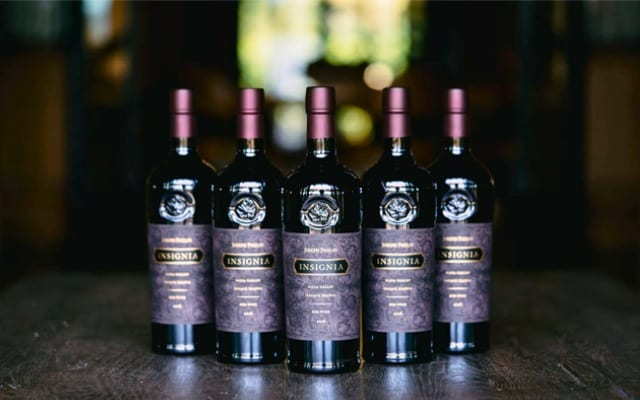
The 2021 Insignia is characterized by its deep, rich color and an aromatic bouquet that catches the attention of the senses. On the nose, one can detect layers of dark fruits, such as black cherry and wild blackberry, with floral notes from hibiscus and earthy notes from the Tahitian vanilla. The palate is equally impressive, offering a full-bodied experience with well-integrated tannins and a lingering finish. The complexity of the flavors evolves with each sip, revealing nuances of blackcurrant, cherry, and a touch of spice.
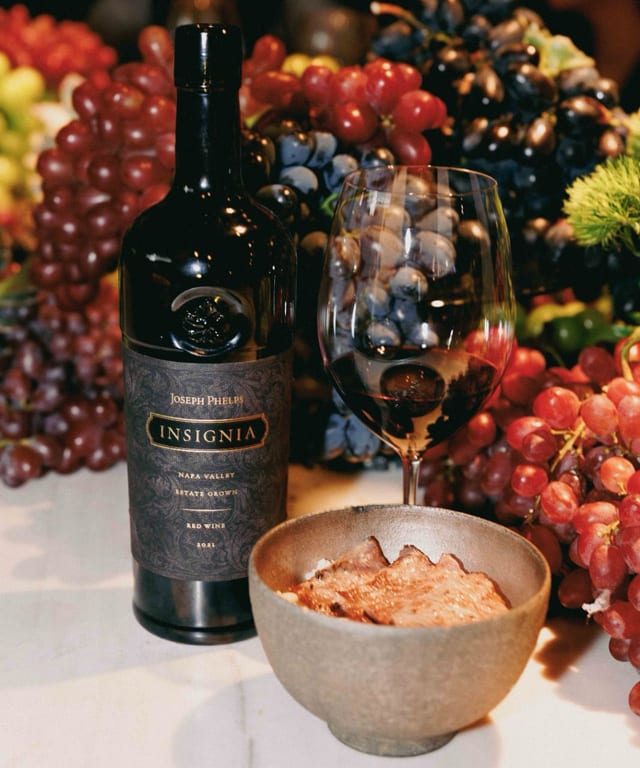
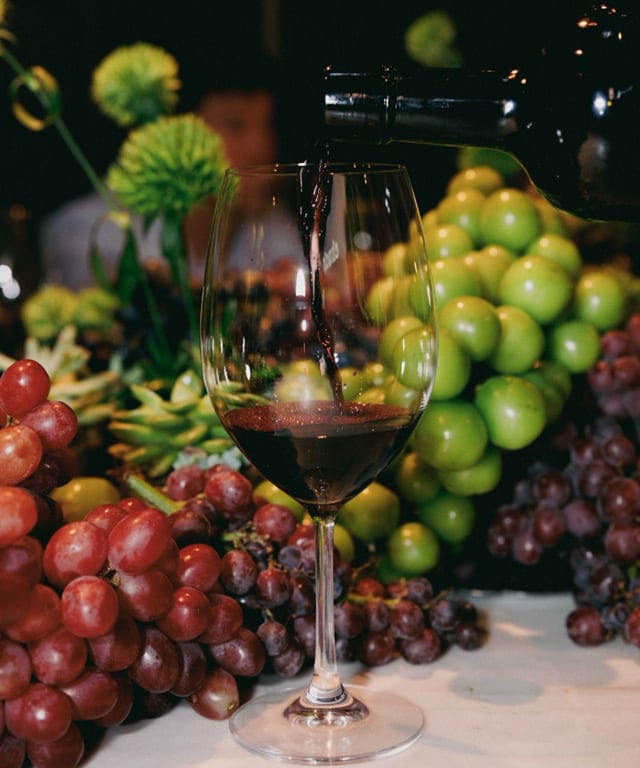
It is recommended that Insignia be decanted for 30 to 45 minutes before serving to fully appreciate its depth and complexity. Pairing it with a well-crafted meal will further enhance the tasting experience, making it a perfect choice for special occasions and celebrations.
How the 2020 Wildfire Affected Wine Production in Napa Valley
What sets the Joseph Phelps Insignia 2021 apart is not just its exceptional quality but also the story behind its creation. The 2021 growing season in Napa Valley presented unique challenges, including fluctuating weather conditions and the ever-present threat of wildfires.
This is particularly evident when tasting Joseph Phelps Insignia 2019 and Joseph Phelps Insignia 2021. The former was grown during a mild season with a wet winter and spring, followed by a dry summer that allowed even ripening amid heat spikes. The latter, on the other hand, was grown right after a drought year. In fact, there is no Insingia 2020 as that was a challenging year of wildfires. Most wineries did not produce a 2020 vintage to ensure the smoke that swept through Napa Valley did not integrate into the wine. As a result, the 2021 growing season had lower yields and smaller berries, but this also meant more concentrated flavors.
Joseph Phelps Vineyards used these challenges to their advantage. The grapes were handpicked at optimal ripeness, ensuring that only the best fruit made it into the final blend. The wine was then aged in French oak barrels, allowing it to develop its distinctive character and complexity. This careful aging process contributes to the wine’s structure, adding layers of flavor and a smooth, velvety texture.
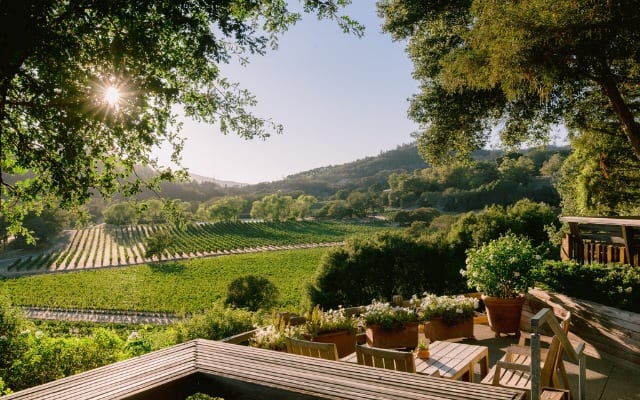
Climate Change and Winemaking
Once a topic of theoretical concern, climate change has now become an immediate and pressing issue for winemakers globally. The effects of this evolving crisis are reshaping the landscape of viticulture, influencing everything from grape varietals to harvest times, and ultimately, the wine in your glass.
Statistics from NASA and the National Oceanic and Atmospheric Administration confirm that our world is now over a degree Celsius warmer than it was before the Industrial Revolution. And this warming trend is accelerating.
While the technology behind winemaking has greatly improved, the global increase in temperature affects vineyards, which are highly sensitive to weather variations. This is also why vintage (or the year of production) is important. The growing season's weather adds to the allure of every bottle, but also contributes to their vulnerability. Even small temperature changes can significantly alter regional reputations and varietal preferences.
The growing cycle of vines is now happening earlier due to warmer temperatures. Budding, flowering, fruit-set, veraison, and harvest all take place ten days to two weeks sooner than they used to. This shift often results in higher alcohol levels, lower acidity, and less refined tannins. The challenge for growers is achieving balance in the fruit, which directly affects the finished wine.
Winter conditions are also changing. Milder winters mean vines come out of dormancy earlier, making them more susceptible to frost.
Climate change is also causing more extreme weather events. Wildfires, droughts, and hailstorms are becoming more frequent and severe, further complicating wine production. Smoke from wildfires can taint grapes, while drought conditions threaten the sustainability of vineyards.
The wine industry is adapting by changing what it grows, where it grows it, and how it manages the crop. Growers are also adjusting vineyard practices. The wine industry is at a crossroads, facing a future that looks radically different from its past. For Joseph Phelps Vineyards, winemaking continues to be both an art and a science, as shown by their Insignia 2021.
