
'It Sets Our Standards Higher': When Culinary Class Wars Came to Manila

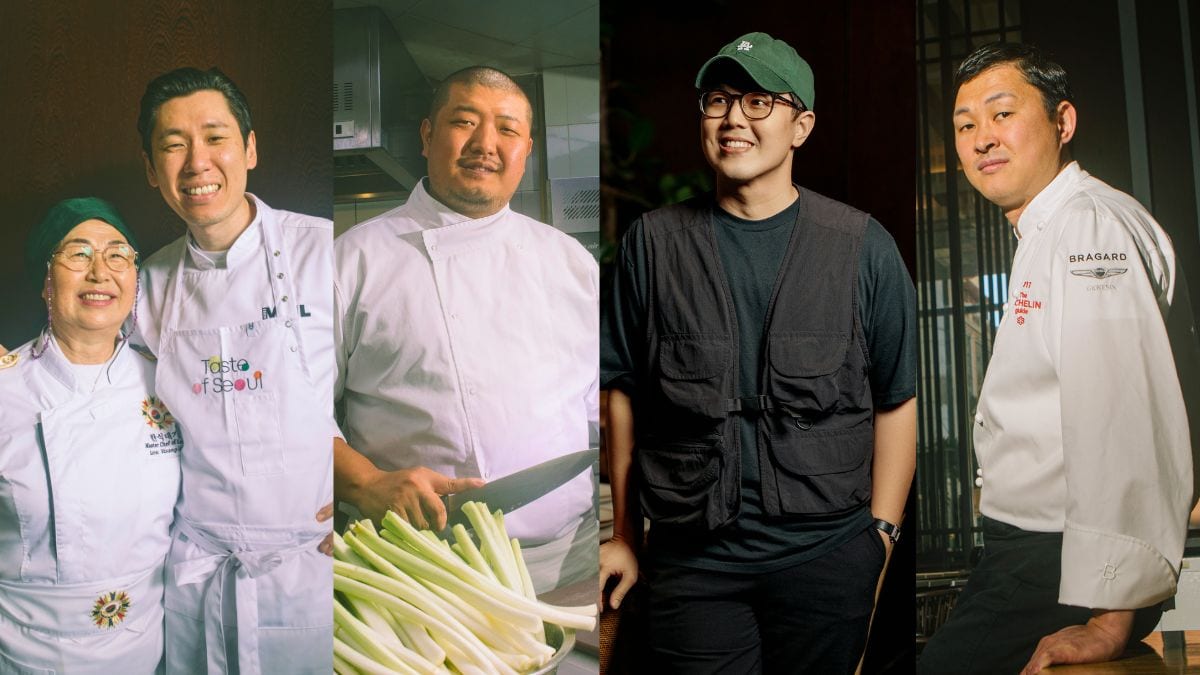
There were many culinary milestones when Your Local invited chefs from the highly rated Netflix series Culinary Class Wars to cook with their team during the recently concluded pop-up at Balmori in Rockwell, titled “Mat Nam: Where the Flavor Meets.”
It was a trilogy, a concept often seen in films and novels than in the culinary world. Over the course of nearly two months, chefs from South Korea, each bringing their own unique story, visited Manila every three weeks to showcase their signature dishes. It was something our country has never witnessed and a tough act to follow. It was, after all, three different distinct culinary events in progression brought together in one series.
Chef Patrick Go of Your Local shared his motivation behind the project: "It’s a way for me and the team to learn new things from other chefs and restaurants. I enjoy exposing the team to new ideas and techniques, allowing them to see things from a different perspective. We also love collaborating with international chefs because it sets our standards higher.”
Chef Patrick Go (rightmost) with Chef Young Sook Lee (left) and Chef Jihyung Choi
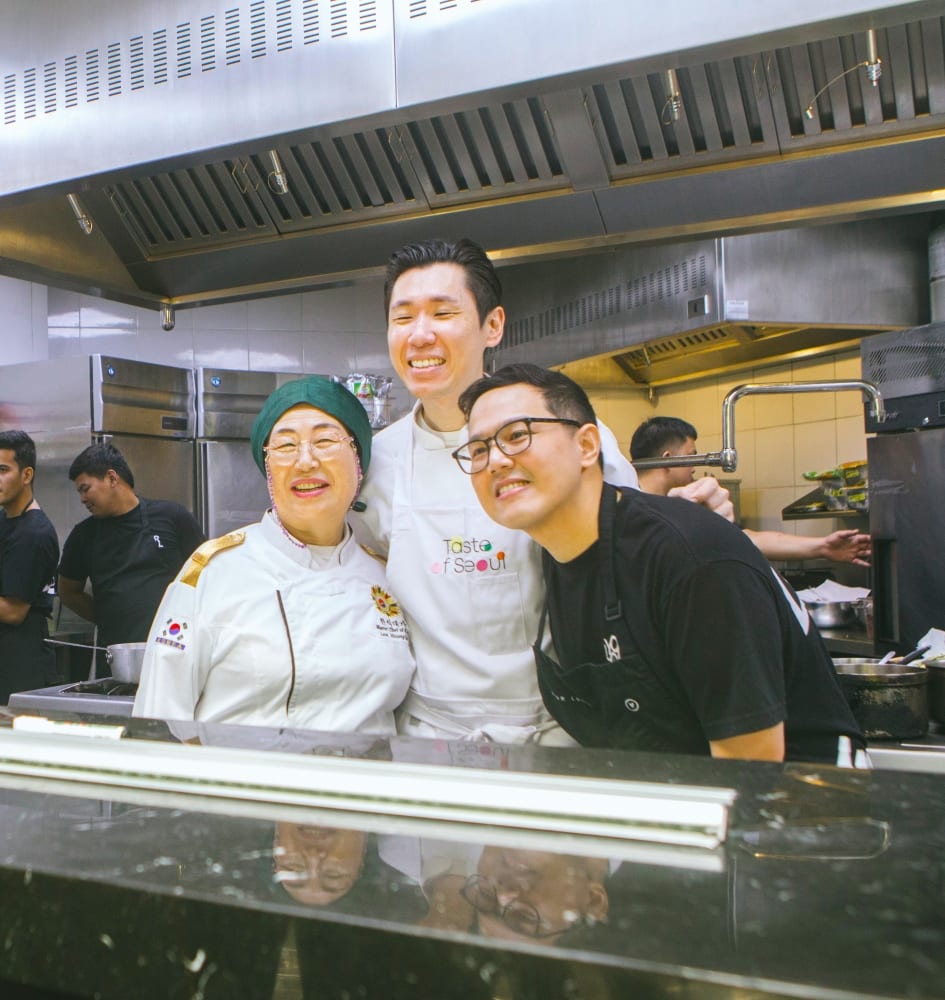
Furthermore, it was the first international pop-up series featuring these esteemed Korean chefs following their appearance on the highly successful reality show competition. It was a dream come true for many Filipino fans eager to finally taste the food they've only seen on the show. Serving a la carte dishes, the menu leaned heavily on traditional Korean cuisine.
As for Go, he developed a brand-new menu that was available throughout the entire series and was consistent with his cooking style. He created modern dishes with Asian flavors, incorporating Filipino and Korean ingredients that complemented the creations of each guest chef.
Volume I: A Showcase of Korean Culinary Roots
Two Korean Chefs were invited for the first installment, which ran from April 6 to 23, 2025.
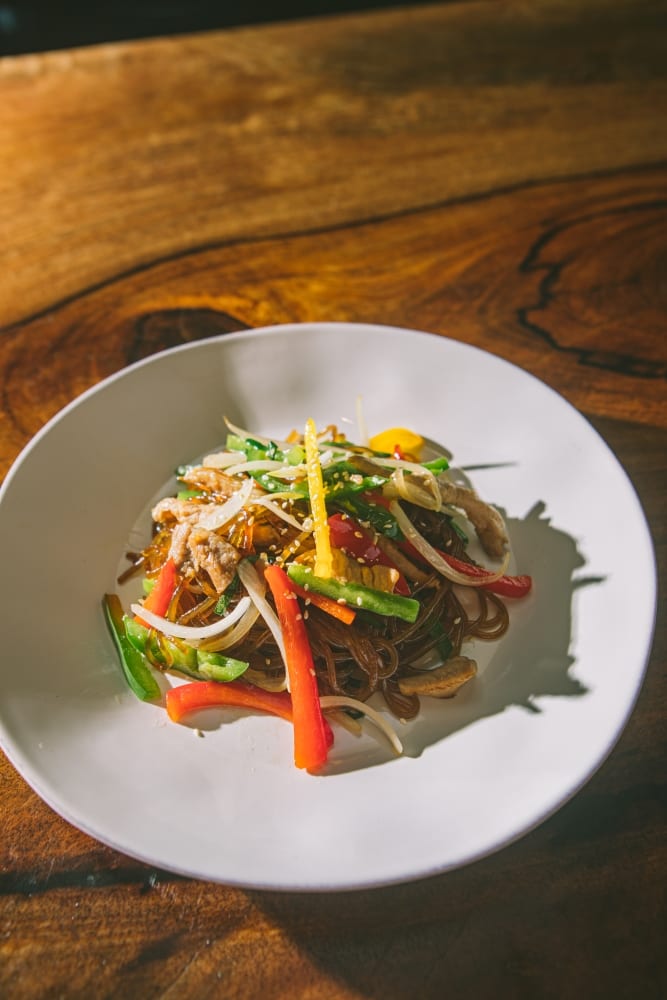
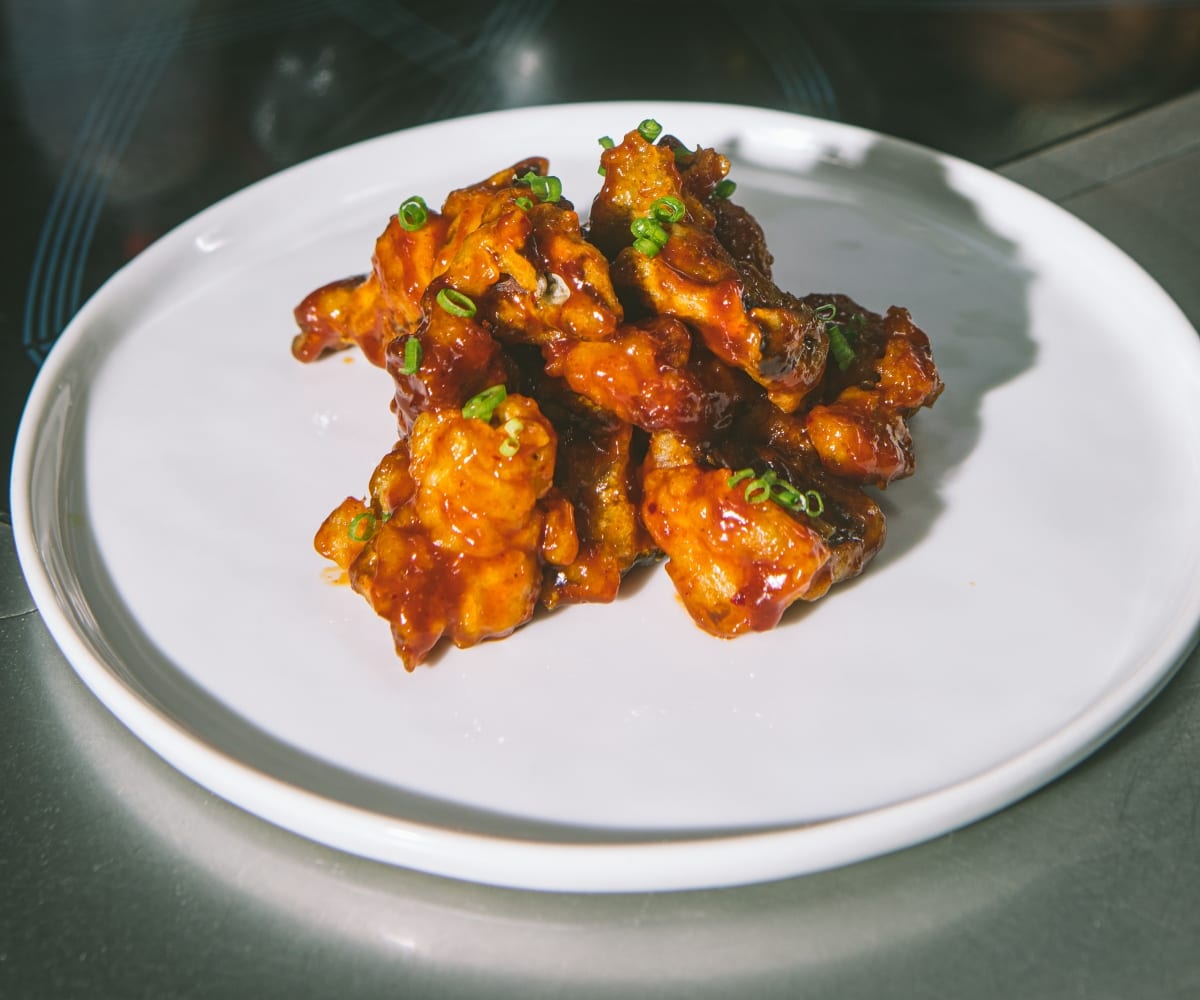
Chef Young Sook Lee, owner of Nakyung Restaurant, appeared on the show as a “white spoon” chef. She is a master of traditional and regional Korean cuisine, and her cooking primarily features heritage dishes that have been passed down through generations. She brought to Manila her classic Japchae noodle dish made with five types of vegetables, mushrooms, pork loin, then stir-fried in a soy-sugar sauce. She also prepared Mushroom Chicken Gangjeong, a sweet and spicy dish tossed with Gochujang-ketchup glaze.
Chef Young Sook Lee's Japchae
Lee was joined by another white spoon contestant, Chef Jihyung Choi of Leebukbang, the world’s first North Korean course menu and a Michelin Guide-recommended restaurant. He served his Gochujang Sauce Chicken, a take on the classic stir-fried chicken with rice and a flavorful curry sauce. He also introduced a dish called Maekjeokgui, a 1,000-year-old Korean recipe of smoky and savory grilled pork marinated in traditional soybean paste.
The first volume was a thoughtful reminder of how homey and comforting traditional South Korean dishes can be. It showed that dishes in their purest form need little reinvention to be appreciated.
Volume II: Michelin Mastery and Regional Flavors
We saw the arrival of Chef Kisu Bang on April 26 with great fanfare. Much celebrated as the first Korean head chef to earn a Michelin star while leading the fine dining restaurant Bicena, he is now the chef-owner of the Korean barbecue restaurant Gitdeun.
Chef Kisu Bang
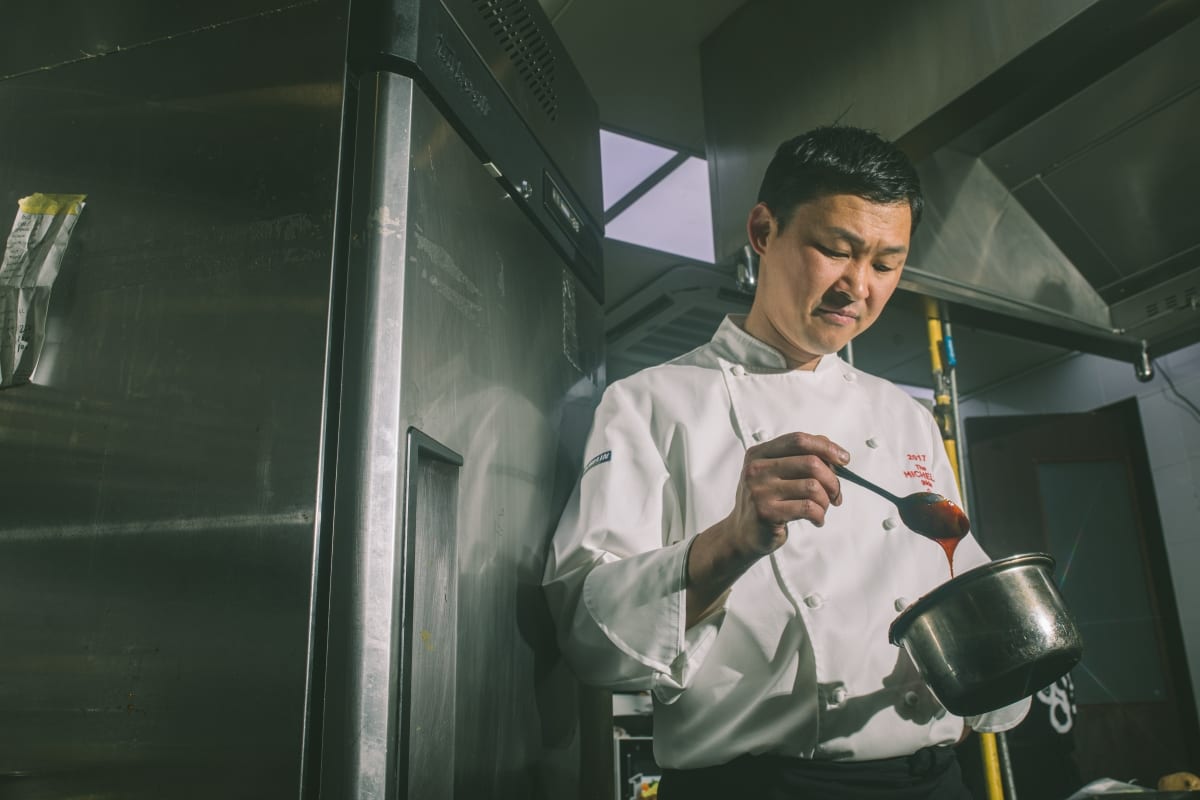
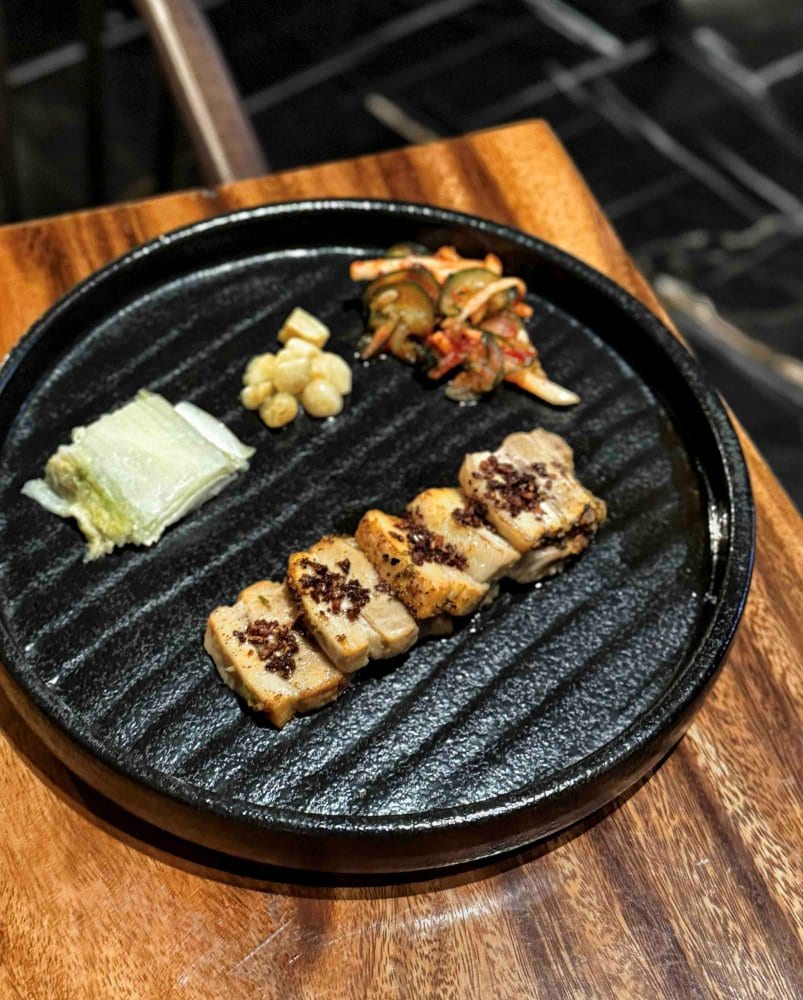
For his "Matnam" stint, he presented four dishes—two of which were unlike anything typically seen in Manila. There was a Shrimp & Corn Gangjeong, a deep-fried shrimp ball with sweet corn glazed in a sweet-spicy Gochujang sauce and infused with traditional Korean rice wine. Also available was his Grilled Pork Belly with Saeujeot, a juicy pork belly grilled and finished with a pungent, fermented shrimp sauce that highlights the mastery of traditional Korean fermentation.
Grilled Pork Belly with Saeujeot
The second volume celebrated the rich diversity of Korean cuisine. It provided a glimpse into the vast world of regional specialties and lesser-known recipes waiting to be discovered by the international audience.
Volume III: Yakitori with a Twist
The last chef invited to the dining series was Chef Byung Mook Kim, dubbed the “Yakitori King.” He is the owner-chef of the Michelin-recommended Yakitori Mook, where he introduces his signature style of blending Japanese Yakitori methods with Korean culinary traditions.
Go with Chef Byung Mook Kim
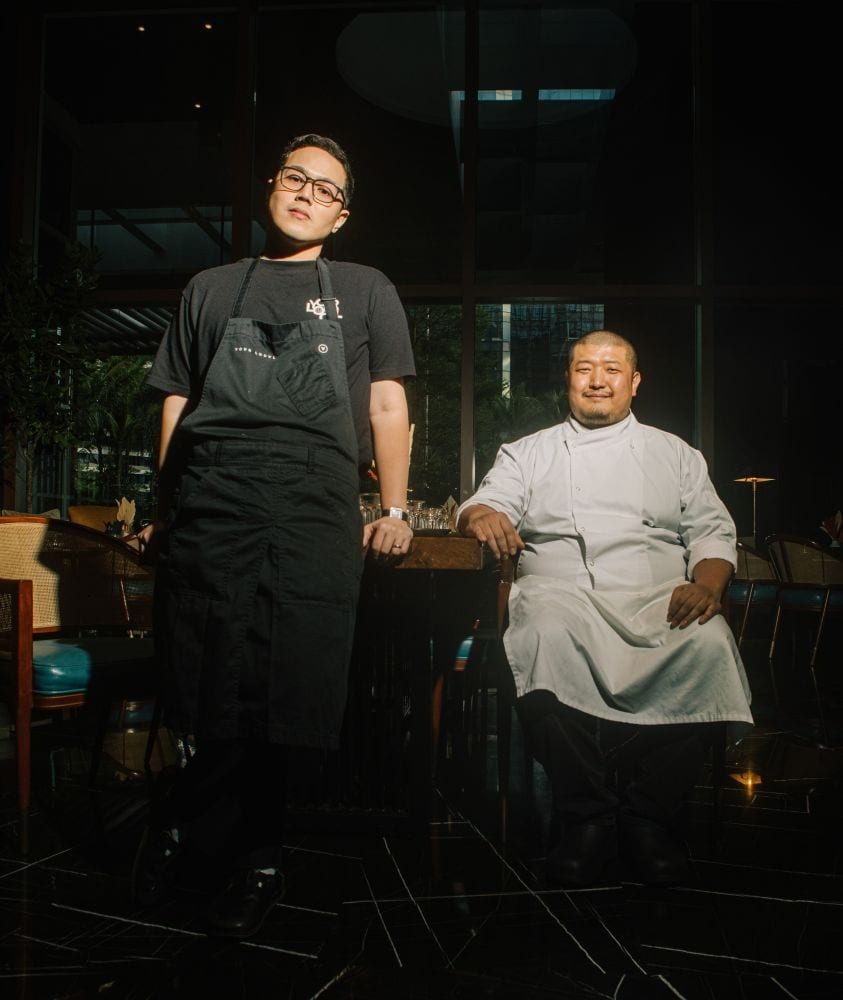
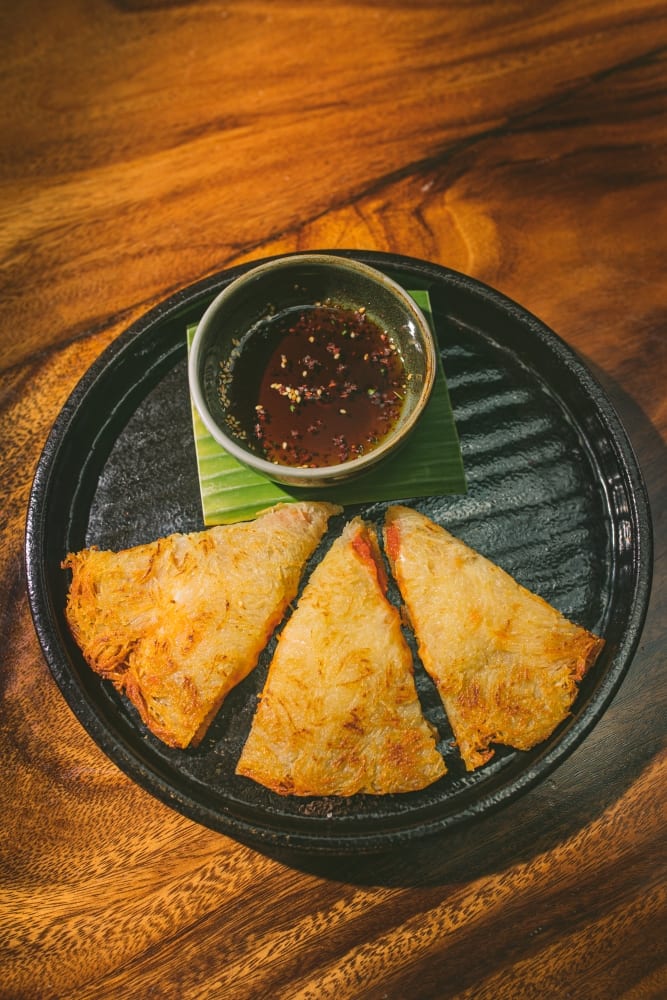
His menu was made available from May 17 until June 1 and featured modern interpretations with global influences. Standouts were his contemporary, crispy, and golden Potato Pancakes stuffed with kimchi and melted cheese. His signature smoky and juicy grilled Chicken Yakitori with scallions was also on the menu.
Potato Pancakes
The third volume showcased the versatility of Korean cuisine and its ability to blend with flavors and techniques from other cultures. It also reflects the openness of Korean chefs and diners to embrace international traditions, enriching their own food culture and enhancing its global appeal.
ALSO READ
Where Food Meets Art: Now Now Canteen's Inspiring
Cantabria by Chele Gonzalez Welcomes New Spanish Chef de Cuisine
The Mainstay: Chef Go’s Greatest Hits
Across all three volumes, Go was the mainstay—his presence anchoring the entire series. He faced the daunting task of crafting an entirely new menu that not only complemented each guest chef’s distinct signature style but also remained faithful to the core of Your Local. He rose to the challenge, creating dishes that elegantly incorporated popular Korean ingredients and Asian influences, while still maintaining a distinctly Filipino soul.
Your Local's MSG
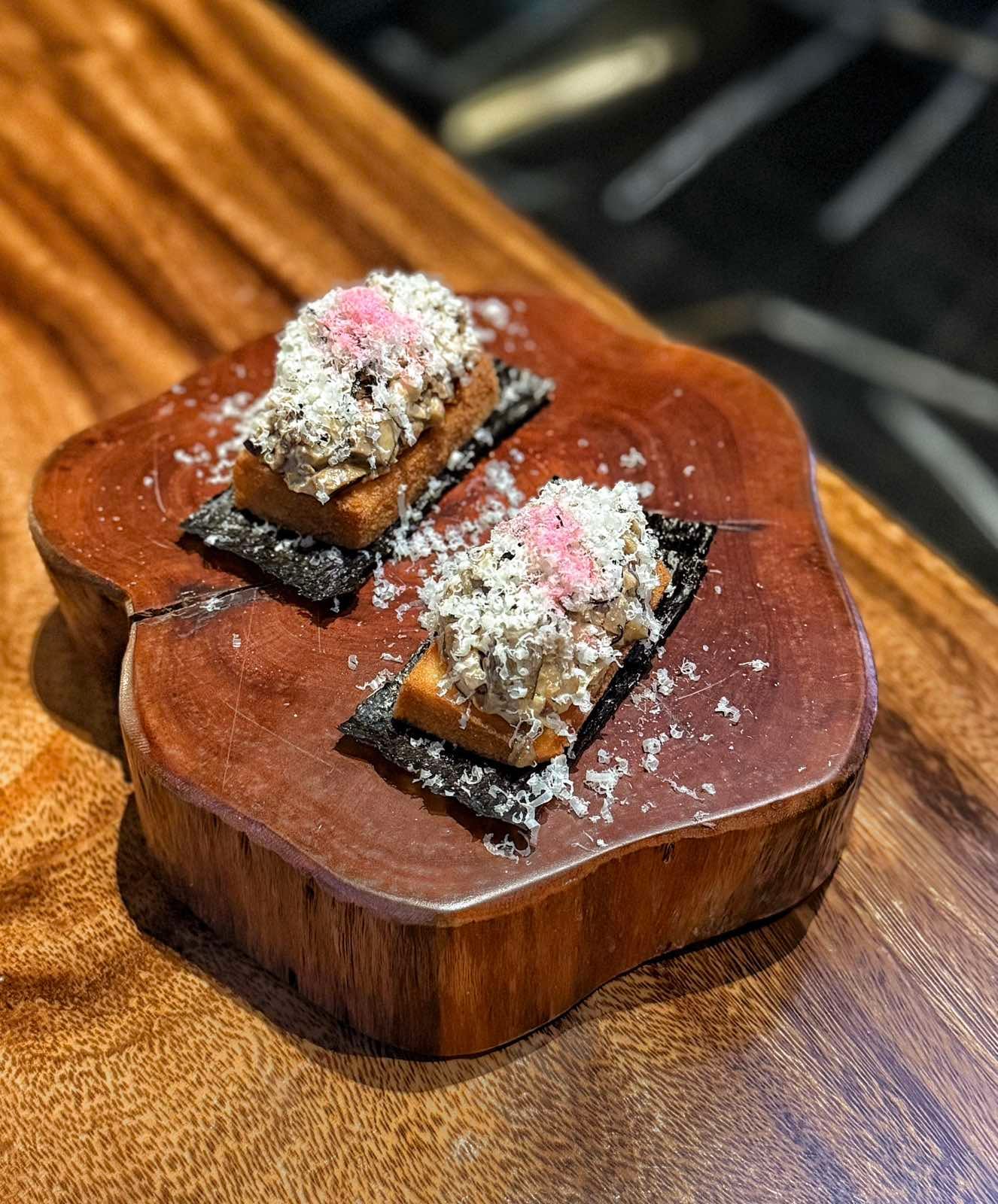
What turned out to be one of the crowd favorites was a dish wittily called MSG—a Mantou toast topped with shitake mushrooms, Gorgonzola, and Parmesan cheeses, accompanied with seaweed.
Then there was the interesting Yellowfin Tuna with preserved Korean pear, rice, peanuts, and Papadum chips.
Your Local's Palabok Rice
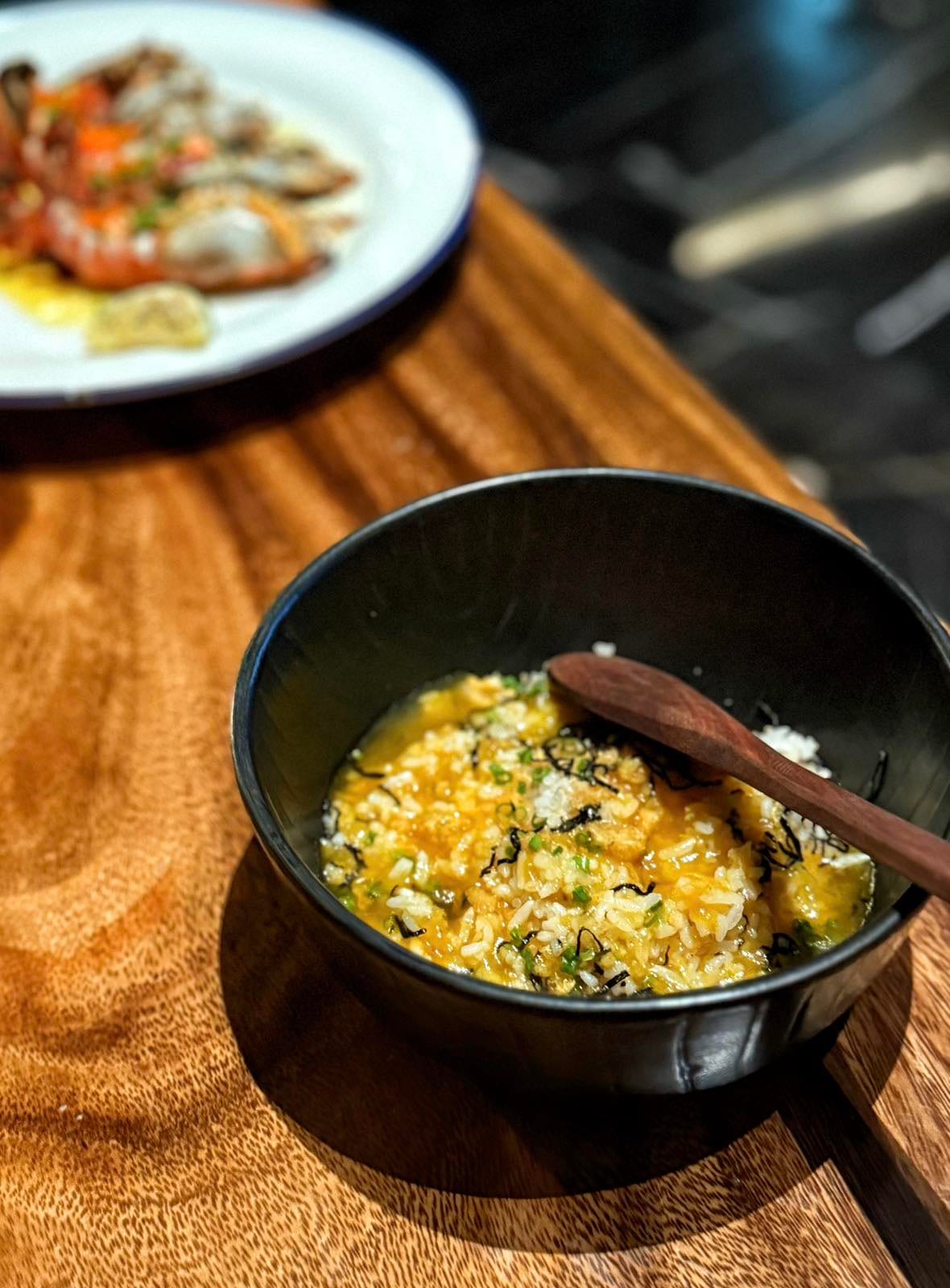
The most addictive one was the revolutionary Palabok Rice, made with smoked fish fried rice, chicharron, Korean seaweed, and dashi palabok sauce.
Sequel: What’s Next for Your Local
Reflecting on their journey, Go said, “I am personally very happy and honored that Your Local has stayed on people’s radar for 11 years, and we’re still going strong in the F&B industry. Our mindset has always been to bring new and exciting experiences to our guests.” Go also emphasized the value of collaborations to stay relevant in a highly competitive industry and to continually offer something fresh to customers, whether it’s a new menu, an event, or a collaboration.
He further shared that their goal is to host international chefs every year and expand their events and collaborations beyond the country. “It’s important for me that we represent our country in every way we can,” he added.
