
Is Solar Power a Wise Investment for Filipino Households?

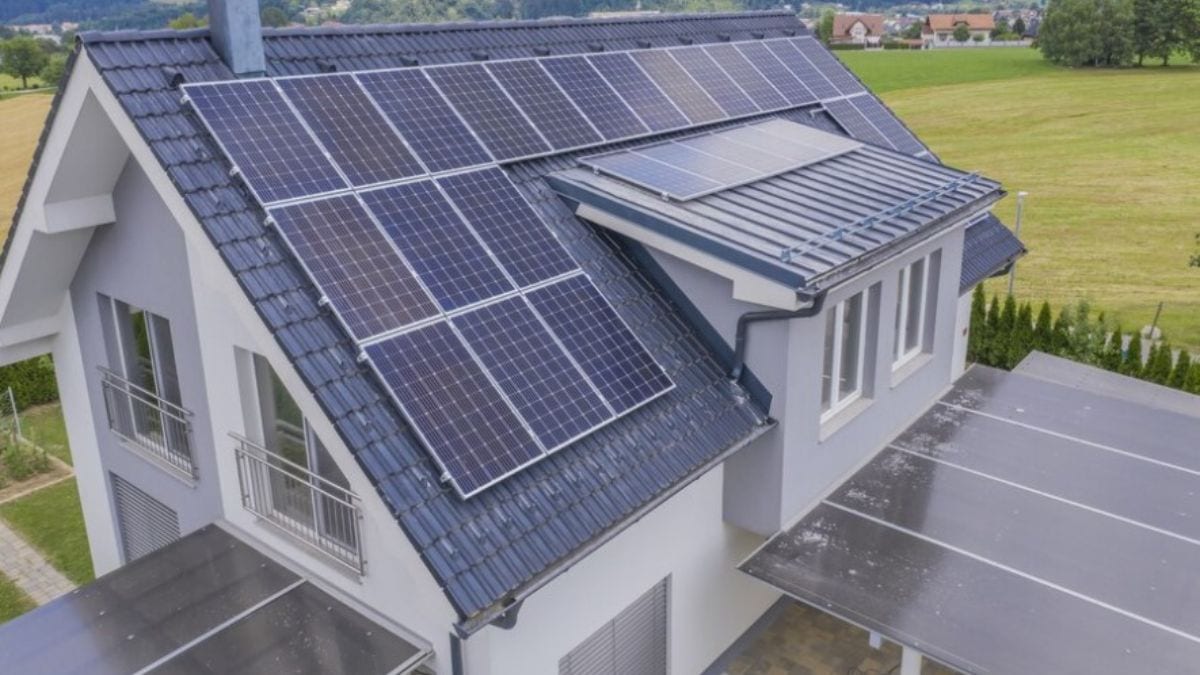
With electricity rates steadily climbing and nearly year-round abundance of sunshine, the question of whether solar panels are worth the investment is one I've pondered often.
The future looks bright. Solar power in the Philippines is expected to grow from 2.16 GW in 2020 to 15.29 GW in 2030. However, many Filipinos remain uncertain about the financial implications of switching to solar power. Is it truly a wise financial move, or just another green dream?
Let's discuss the practicalities, benefits, and considerations.
ALSO READ
Ayala's Energy Unit Is Building a New P16-Billion Solar Energy Farm in Zambales
A Renewable Energy Company Is Turning 3,000 Hectares in Nueva Ecija and Bulacan Into Industrial Land
How solar panels work
Solar panels are devices equipped with photovoltaic (PV) cells made of semiconductor materials that capture sunlight. These cells generate electricity in the form of direct current (DC) when exposed to sunlight. An inverter then converts this DC electricity into alternating current (AC), making it usable for homes and industries. Often, this entire setup includes a tracking system, which can be monitored through a mobile application, allowing homeowners to track the efficiency and electricity production of their solar panels.
How solar panels could pay off in the long run
One of the main reasons for choosing solar energy is the potential to reduce electricity bills. Here are ways solar panels can help lower costs:
Direct electricity production: Solar panels harness and generate the power of sunlight that you can use in your home to lessen the amount of electricity you have to pull from the grid. This directly reduces the amount of money you would have to use in paying for electricity used in that month.
Net metering: The net metering legislation allows you to enter into contracts with electric companies that provide credits for the excess electricity generated by your solar panels and transferred to the grid. These credits can help offset the cost of electricity you use when your panels aren’t producing electricity, such as during the night or on cloudy days.
Solar batteries: Another option is to charge solar batteries when there is excess electricity. However, this can lead to power generation during outages or at night, which is not ideal. The cost of batteries is also often high, making net metering based on the grid the optimal solution. For reference, an average car battery has a lifespan of five to 15 years, depending on its brand and usage.
Increased energy efficiency: Modern solar panels are highly efficient at converting solar energy into electricity and can continue operating even on cloudy days. This capability helps maximize financial benefits, especially under the most popular tariff plans.
Long-term savings: While the upfront cost of solar panels is high, well-installed systems can provide economic benefits for decades. These panels have an average lifespan of 20 to 25 years and can pay for themselves within a few years, continuing to provide free electricity for the rest of their lifespan. In terms of ROI, solar panels can recover their cost in a few years, making them a sound investment.
Environmental benefits: Apart from the usual monetary incentives, solar panels significantly contribute to environmental protection. By utilizing solar energy, we reduce the use of fossil fuels, which are major sources of pollution and greenhouse gas emissions. This leads to cleaner air and improved environmental health for future generations, aligning with global efforts to address climate change.
Costs and considerations
Despite the advantages, several factors must be considered before making the switch to solar energy.
1. The initial cost of installing solar panels can be quite high, which may dissuade many from adopting this technology. However, there are loans and government subsidies available to help cover these costs.
2. Solar panels need to be installed at an optimum angle to maximize sun exposure. In the Philippines, this typically ranges from 10 to 45 degrees, depending on the local weather conditions. It's crucial to consult a professional solar company to evaluate if your roof can handle solar panels and to determine the best layout positions.
3. While solar panels require minimal maintenance, they should be cleaned regularly to maintain efficiency. Given that the Philippines is prone to typhoons, investing in durable, high-quality panels is essential for coping with harsh weather conditions.
4. Extensive research has shown that many companies in the Philippines offer comprehensive solar panel services, from consultation to installation. If you decide to switch to solar energy, providers such as Solaric, Solar Philippines and Meralco’s Spectrum can assist you throughout the transition. Also, tools like the SolarNRG Solar Panel Cost Calculator can help estimate your needs and potential savings by taking electricity costs, consumption, and operation hours into consideration.
Costly but worth it
In an interview with OG Channel, businesswoman, DJ, and social media influencer Cecile Zamora shared that she had been bracing for the high costs of solar panel installation. Therefore, it came as a pleasant surprise when she learned that it's a lot more affordable than she had thought.
Zamora also observed a significant reduction in her electricity bill. "In April 2022, it was around P32,000. In 2023, it's around P19,000," she shared.
Solar-powered homeowners Paul Carlo and Raphaella Baez also shared about their savings. "Our electric bill was quite high before, but it was significantly reduced from P12,000 to P15,000 to around P2,500, sometimes even P2,000. And we're using ACs almost 24/7 now. We were really surprised by how effective the solar panels are," said Carlo.
"The overall cost of installing solar power nowadays would be around P200,000," said Raphaella. P100,000 for the panels, P50,000 for the installation, and the remaining cost covers the net metering application. Net metering is a credit program by Meralco, where any excess energy you generate can be credited towards your future bills to reduce what you owe. The costs include applications and various fees. The couple said their ROI is around 3.5 years.
For those considering to switch to solar power, Paul has this advice: "Save up because it's really costly to have an installation like that. But the long-term benefits are substantial—since you'll be harvesting electricity, especially in a tropical country like ours, you'll eventually experience zero bills. I believe the pros far outweigh the cons. It's all worth it. If you're really planning for long-term savings, a solar power system would be a great investment."
