
Quiapo Church Has Now Been Officially Recognized as a National Shrine

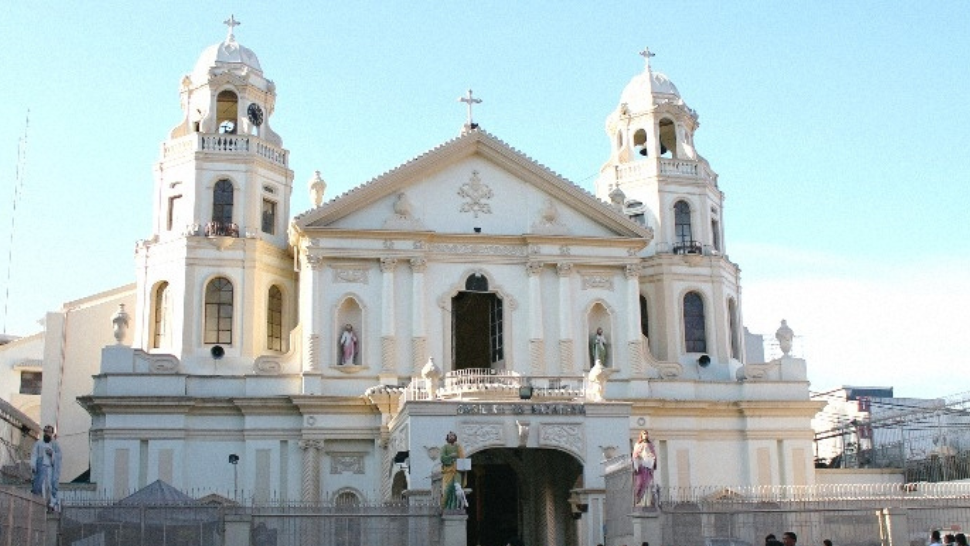
The Catholic Bishops’ Conference of the Philippines (CBCP) has announced that the historic Quiapo Church has been elevated from Archdiocesan Shrine of the Black Nazarene to the National Shrine of the Black Nazarene. It is now the Philippines' 29th national shrine.
“For many years, the home of the centuries-old and revered image of the Black Nazarene has served as a prominent landmark for pilgrims from all corners of the country,” the CBCP said in a statement.
Archbishop Cardinal Jose Advincula had previously elevated the church to an archdiocesan shrine for its cultural influence and its status as a national pilgrimage site. It has been considered a minor basilica since 1987, as well.
The move to turn it into a national shrine was approved during the 126th plenary assembly in Kalibo, Aklan during the past weekend. Quiapo Church is best known for "translacion," which is the transfer of the image of the Black Nazarene from Intramuros to the institution. Quiapo Church attracts millions of devotees annually every January 9.
Transclacion's history stretches as far back as the 17th century. This was when the image was brought from Mexico to the Philippines. In 1620, the first confraternity dedicated to Jesus in the Philippines, Cofradia de Jesus Nazareno, was established in the Philippines. In 1651, then Pope Innocent X officially endorsed the group in a Papa Bull in 1651. Since then, the Black Nazarene has attracted thousands of followers each year. Devotees have long been crediting the church and the image for miracles.
ALSO READ:
Quiapo Gayuma: How an Occult Practice Still Captivates Filipinos
Kuba sa Quiapo Was Our 1949 Take on The Hunchback of Notre Dame
Also popular for its Baroque architecture, Quiapo Church's expansion is credited to architect José María Zaragoza and engineer Eduardo Santiago. The façade, dome, transept, and apse, however, retain their classic design. It was between 1984 to 1986 that it went through several controversial changes. Nevertheless, the church maintained its standing in the Catholic faith.
Shrines can best be described as structures where religious relics are maintained and protected. The many shrines of the Church include diocesan shrines, archdiocesan shrines, national shrines, and international shrines. Some examples of historic international shrines can be found in Jerusalem and Rome.
