
War of the Worlds on Prime Video Is a Modern Take on a Classic That’s So Bad It’s Good

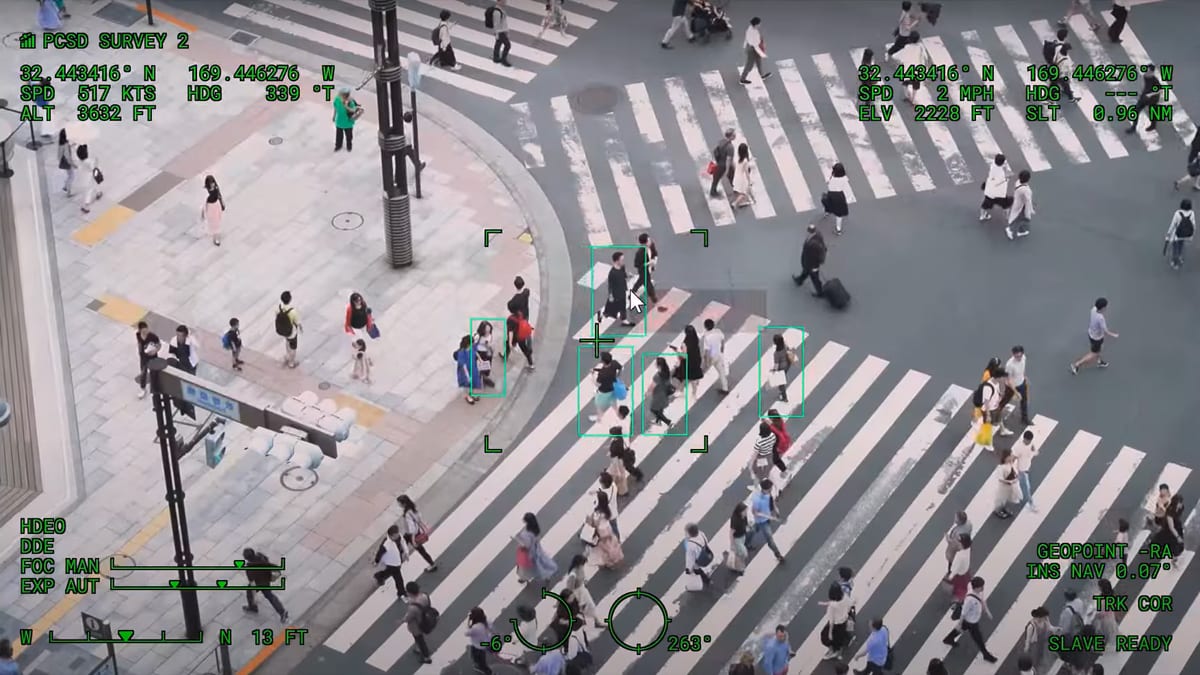
On the evening of October 30, 1938, an announcer on the CBS Radio Network made the breaking announcement that aliens had invaded planet Earth. For the next 40 or so minutes, the radio program The Mercury Theater on Air delivered news bulletins detailing the alien invasion in real time. There was no alien invasion, of course. It was actually a radio play adaptation of H.G. Wells’ War of the Worlds done in the format of breaking news bulletins, a clever and innovative way to tell Wells’ classic tale of science fiction that made headlines for allegedly causing panic among listeners who mistook the broadcast for the real thing. The man behind the broadcast was Orson Welles, who was forced to make a public apology the following day for the panic his radio program caused. Welles later went on to make Citizen Kane, one of the most influential films of all time, establishing himself as one of the most pioneering storytellers of his time.
ALSO READ:
Netflix vs. Disney+ vs. Prime Video vs. HBO Max: Who's Winning the Streaming Wars?
Robert Pattinson Talks Mickey 17, and His Unique Sci-Fi Role
Suffice it to say, Rich Lee, who makes his feature film debut with War of the Worlds on Prime Video, is no Orson Welles. This is no knock on Lee, an accomplished music video director who’s worked with music industry greats from Eminem to Lana del Rey to Billie Eilish. But War of the Worlds is an interesting and even somewhat brave take on the classic sci-fi tale, which has been adapted a few times in film, notably in 1953 in Technicolor and again in 2005 with Tom Cruise. The new version features Ice Cube as William Radford, a high-level government surveillance operative and still-grieving widower who micromanages his children from his computer, which has access to the entirety of the United States’ government’s surveillance technology. He is friends with NASA scientist Sandra Salas (Eva Longoria), and the two keep in constant communication as the aliens invade the planet.
Ice Cube as William Radford
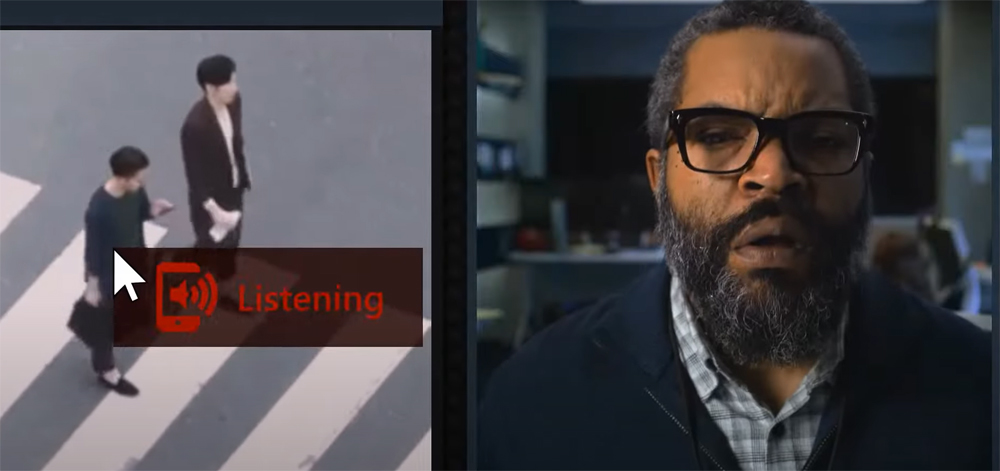
In some ways, War of the Worlds feels like a spiritual homage to Welles’ radio drama. It’s done in the screenlife style of filmmaking pioneered by Russian-Kazakh director Timur Bekmambetov, a modern, computerized version of the pseudo-documentary and found footage formats of films like Paranormal Activity and Blair Witch Project. In screenlife, the story is told through computer, tablet, or smartphone screens. War of the Worlds is told entirely from the perspective of CCTV cameras, dash cams, Zoom calls, video calls, and computer desktops. It’s a very modern approach to storytelling that feels more visceral in a post-COVID, smart device-driven world. Had the film cast relative unknowns in main roles rather than stars like Ice Cube or Eva Longoria (or even the MCU’s Agent Coulson—Clark Gregg—as Radford’s boss), it might’ve worked better by leaning in completely to the pseudo-documentary format.
While the general plot remains the same, this version updates the aliens’ motivation by turning the invaders into data-hungry lifeforms. In this story, the United States government has been accumulating legally suspect surveillance data on the world’s citizens using a program called Goliath, creating a massive database that attracts the aliens like moths to a flame. Lee laboriously stitches together a coherent story using an assemblage of video calls with the cast, news footage with added CGI aliens, and even drone POVs. It’s a fast-paced story that takes advantage of the audience’s familiarity with modern technology, such as when Radford monitors his pregnant daughter Faith's (Iman Benson) diet by accessing CCTV cameras or accessing her smartwatch’s health data. Later in the film, he hacks into a self-driving Tesla to whisk her away from a rampaging alien walker.
Iman Benson as Faith
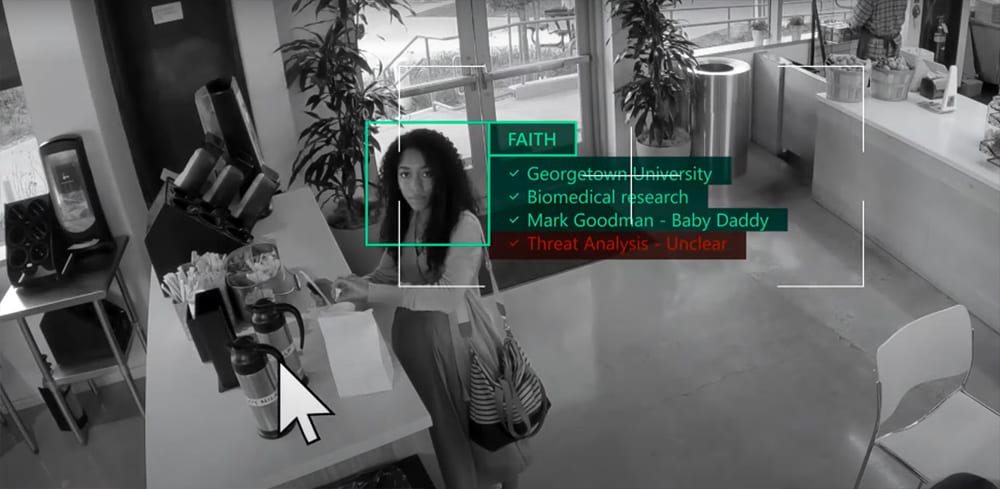
There’s a semblance of realism to the storytelling, with touches like William’s attachment to his late wife’s Facebook profile, now a memorial, to which he still sends messages that never go through. Zoom calls, video chats, group chats, YouTube videos, and CCTV footage are all very familiar and remind us how much we take our data for granted. In the funniest and most ironic twist, Faith’s baby daddy, Mark (Devon Bostick), is an Amazon deliveryman. Let’s forget for a moment that Faith is a doctor and a biological sciences genius who’s seeing an Amazon delivery guy, but there’s a bit of a disconnect when a film whose overarching theme is a repudiation of government overreach and invasion of privacy unabashedly features one of the biggest data collecting entities in the world.
Amazon’s product placement is so overt it’s almost ribald. Not only do we see Mark in an Amazon-branded shirt driving around in his Amazon delivery truck, but there’s also an entire sequence dedicated to him making a real-time delivery using an Amazon delivery drone that kicks off with a video of a screen with the Amazon checkout button. It gets even wilder from there: at one point, the drone gets knocked off course and the good guys need the help of a homeless person living out of a tent on the side of the street. Radford is able to find him, get his phone number — because everyone has a phone, even if they’re homeless — and implores him to help the turn turtled delivery drone. The homeless man is bribed with a year’s worth of free Internet, which he turns down, saying that he doesn’t want the government spying on him. So what does Mark do instead? He sends over a $1000 Amazon gift card, of course! That does the trick, and the drone goes on its merry way. Better to hand over your data to Jeff Bezos than the U.S. government, right?
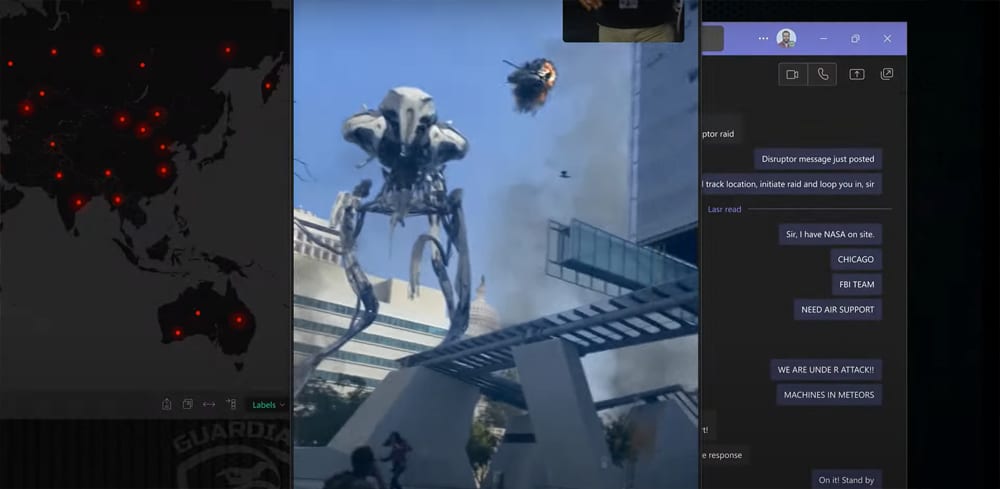
The film has an interesting, if convenient, twist on the resolution of the invasion. In the book and most adaptations, the aliens succumb to the myriad pathogens that humanity has acclimated to. War of the Worlds takes a slightly different approach with the help of scientist Faith and her computer genius brother David (Henry Hunter Hall). The screenlife approach means that the film’s stars almost never interact in person, and the only time audiences see the family together is with a few pictures at the end of the film. War of the Worlds feels very much like a low-budget project cobbled together during the pandemic lockdown, making it a very meta commentary on how connected we all are despite being so disconnected. It’s a fresh and sometimes unintentionally hilarious take on Wells’ classic that seems to be unaware of its own ironies.
