Lorde Shapeshifts, Meditates On Oblivion, Womanhood in New Album Virgin

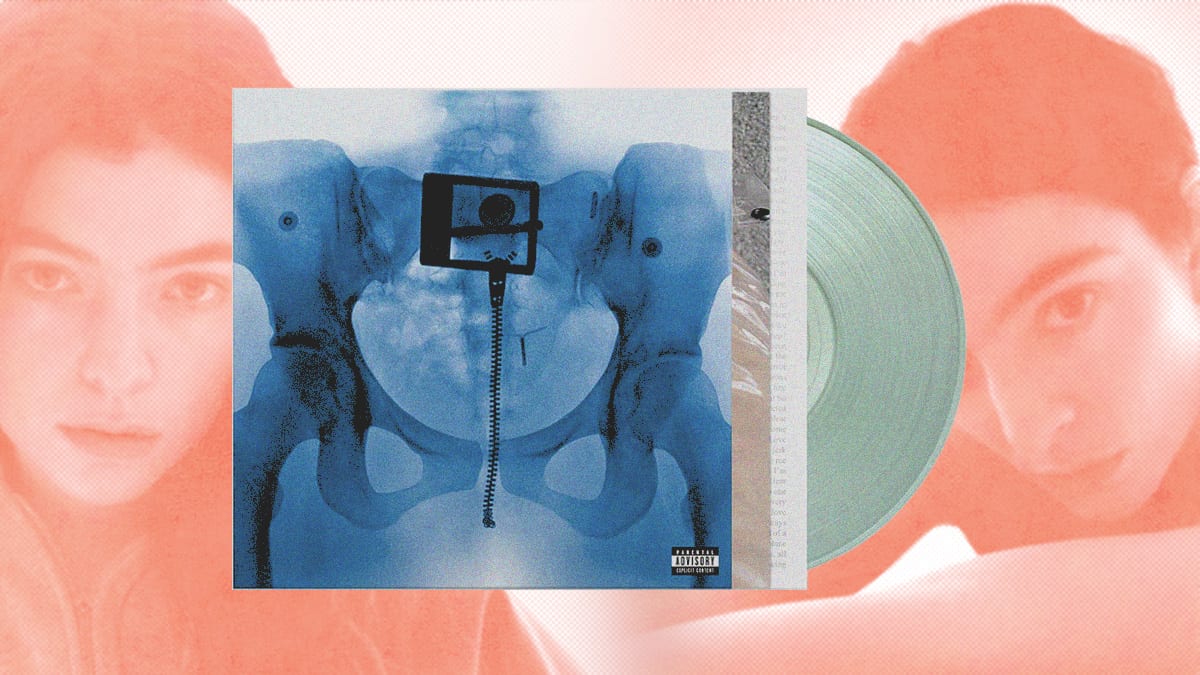
The “Lorde” of alternative pop is making a complete shift from her polarizing satire-filled third LP Solar Power, which left a lot of fans wanting more artisticaly, to her new record that evokes an earnest acceptance of not having all the answers. It's also a return to synthetic dance pop.
Virgin at first listen comes across as an overstimulation and barrage of 28-year-old New Zealand-native Ella Yelich-O’Connor’s existential musings and soliloquies on body image issues and gender exploration.
Lorde returns to operating in a more moody and introspective direction found in her critically praised sophomore album Melodrama (2017), in her songwriting built around hindsight that goes hand-in-hand with her penchant for hindsight sonic choices.
Virgin’s album art featuring an x-ray of her pelvis with an exposed IUD sets a tone and braces the listener for the overarching discussions on love, sex, femininity, heartbreak, and rebirth.
She had earlier called her fourth studio album a project born out of a personal offering from “deep inside me” as she is evidently upfront with vulnerability and self-exploration.
Her newest record is also the shortest she’s put out at just 35 minutes, but make no mistake; in this latest LP, Lorde traverses crises she wrestles with: body dysmorphia, generational trauma, and sexuality.
The LP’s opener “Hammer” and the last single from the record kicks off the nostalgia-trip through a 2000s dance/techno-pop inspired banger dubbed as an “ode to city life and horniness.”
From the jump, we see seasoned-producer Jim-E Stack’s DNA in the instrumentation and his proclivity to play with sonic themes of discordant vocal synth backdrops and the subtle yet euphoric percussion. The producer has worked with the likes of the great Justin Vernon of Bon Iver, Caroline Polachek, Dominic Fike, and Joji.
ALSO READ:
In New Single ‘Man Of The Year,’ Lorde Evokes Vulnerability and Exploration
Lorde Relives a Lust For Life in New Single "Hammer"

All Hail To The Lorde of Coming-of-Age Musings
The nostalgic coming-of-age train chugs along with the next single “What Was That” with thematic backdrops of drug-fueled excursions and failed relationships delivered via infectious infectious dance beats you would hear in “Green Light” and “Supercut” in Melodrama.
“Shapeshifter” is a muted-synth pop tune driven by a lingering swaying strings that accompany Lorde’s tension-filled recollection of her past lovers and how she has been a chameleon in dealing with her compulsions, outrunning the need to rectify her issues. This is one of the album’s strongest tracks with its undeniable replayability despite Lorde’s sulking expression.
Her evolution as an artist and in her songwriting chops is clear in her newfound openness to self-doubt and uncertainty, which is a far cry from the 16-year-old who was so sure of self in her debut album Pure Heroine (2013).
Which leads us to another single of the record, “Man of The Year,” a tune that epitomizes this rawness she pushes for in this project. The lines “You met me at a really strange time in my life” and as she croons again about a metamorphosis in a lost love while discovering a unfiltered and unadulterated version of herself.
The track’s chorus also details her worries on how other people can see and accept her for who she is, and the prospect of losing these tight knit bonds and relationships.
“Man of the Year” was born out of attending the 2023 GQ Man Of The Year Awards where she said she didn’t really feel like herself even after donning a typically feminine dress at an awards show set up to recognize standout men. Her nuanced reflection on femininity and identity and messiness of it all culminated in the track’s accompanying music video that serves as a performance art embodying the song’s themes.
Sonically, “Man of the Year” builds up and resolves into a dramatic crescendo of blaring snynths and programmed drums, with Lorde’s vocals still prevailing over cacophony.
“Favourite Daughter” is a no-frills Pure Heroine-esque EDM sounding dance-pop track dedicated to her mother and poet Sonja Yelich, yearning for her validation and a fulfillment of familial ambitions.
The hazy four-on-the-floor kick drum beat that kicks off the industrial-pop “Current Affairs” delves into promiscuity and relationship doomed from the beginning. The song even drew flak online for referencing Pamela Anderson’s 1996 sex tape with Tommy Lee. It also featured a peculiar vocal sample of Dexta Daps’ 2014 hit “Morning Love” in the chorus.
We now hear a bit of Bon Iver and Imogen Heap in the album with the layered vocal choirs and soliloquies in “Clearblue,” curiously named after a brand of pregnancy tests. A similar sonic atmosphere is heard on Vernon’s “Awards Season” off his latest record SABLE, fABLE released in April.
There are skeletal yet visceral smatterings of a pregnancy scare, a continuation of generational trauma, and another sexual introspection on a past failed relationship. “I feel you answer, my hips moving faster I rode you till I cried. How's it feel Being this alive?,” Yelich sings on “Clearblue.”
“GRWM” or Lorde’s abbreviation for grown woman, is a lighter point in the album where she writes lyrics like “A grown woman in a baby tee,” which could have easily been found on “Solar Power” where she doesn’t take herself too seriously.
Lorde throws a lyrical curveball in the track as an anticipated cathartic resolution to “Maybe you finally know who you wanna be,” is met with the zany declaration of being a “grown woman in a baby tee.”
“Broken Glass” taps into the album’s electro-pop and hyperpop side, as a very Charli XCX-sounding party beat that drives lines on grappling with eating disorders. “I wanna punch the mirror/ To make her see that this won’t last,” Lorde sings on self-image.
She teamed up with megastar Charli XCX last summer as they reconciled their differences in “Girl, so confusing” off the phenomenon that is the latter’s Brat (2024).
“Broken Glass” is a vibrant reconciliation of her past self and how she dealt with growing up in the problematic music industry delivered through a catchy hook.
We now close out the record with the heartbreaking, devastating, and intimate “David,” a stripped song on affirming independence while still yearning for someone to love.
The chilling “David,” which is also an ode to the iconic marble statue by Michaelangelo, is a deconstruction of her raw intensity on dealing with emotional manipulation and vulnerabiity in a subtle and poised delivery. The track also possibly alludes to her experience getting groomed as a young pop star looking at the lines: "Was I just someone to dominate? Worthy opponent, flint to my blade, now we're playing with shadows."
An outro capped off by a segmented and staccato glitch-fest of Lorde’s vocals followed by a line that just crushes: “Am I ever gon' love again?”
In Virgin, the "queen of alternative" shows us that it's okay to fully grow up and explore who you are in your late 20s, a point in many peoples’ lives where they are caught up in messy relationships but are reborn in the end.