
Aklan Piña Has Just Been Added to the UNESCO Intangible Cultural Heritage List

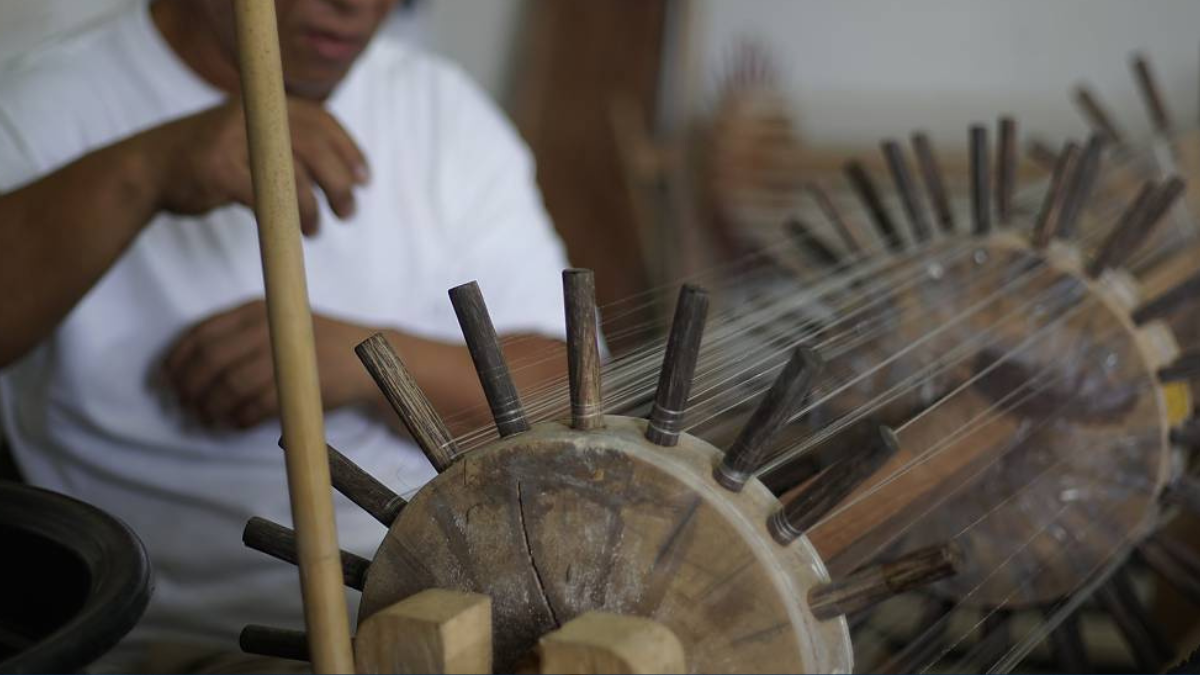
Aklan's handwoven piña or pineapple textile has been recognized by the United Nations Educational, Scientific and Cultural Organization (UNESCO) recently. The textile is now included in its Representative List of the Intangible Cultural Heritage (ICH) of Humanity.
It is only the country's fifth ICH, right after Hudhud chants and the Punnuk ritual of the Ifugao, the Darangen epic of the Meranaw, and the Buklog ritual of the Subanen. All of these are classified as those in Need of Urgent Safeguarding.
There were 44 other elements added to the Representative List of the ICH of Humanity. Six were classified under the List of ICH in Need of Urgent Safeguarding while four programs were chosen under the Register of Good Safeguarding Practices. UNESCO's list of ICH now extends to 694 elements across 140 countries.
ALSO READ:
UNESCO Names Iloilo City As a Creative City for Gastronomy
10 UNESCO Heritage Sites You Can Check Out From Your Couch
The Significance of Aklan's Handwoven Piña

According to the National Commission for Culture and the Arts, what distinguishes Aklan piña is the fact that it uses fiber from pineapple leaves instead of other more popular Philippine handwoven textiles like cotton and abaca. The practice produces "a translucent fabric with an elegant luster and the color of ivory, remarkable for its delicacy and simplicity."
Cultivated from the pineapple plant of the Red Spanish variety, Piña fiber is often blended with cotton, abaca, silk, or polyester, allowing for a lightweight, breezy effect. The Aklan piña is often seen in Filipino formal attire, particularly the Terno and the Barong Tagalog. Because the fabric is hand-loomed and is only done by select weavers, the material can be scarce. Hence, the expensive prices for such.
The practice itself is estimated to be around two centuries old. It starts by cutting the leaves of the plant and then having the fiber pulled away from the leaves. Each strand is then hand-scrapped and knotted meticulously. The epidermal layer, on the other hand, is scrapped off with tools made from coconut shells and other similar shards. These fibers are then spun into soft fabric by hand.
And it owes its making to Aklan, the main and oldest weaver of piña cloth in the country. Other places like Negros Oriental and Palawan have weaving centers, as well.
