Public Health Risk of JN.1 is Low, But Stay Vigilant, Says DOH

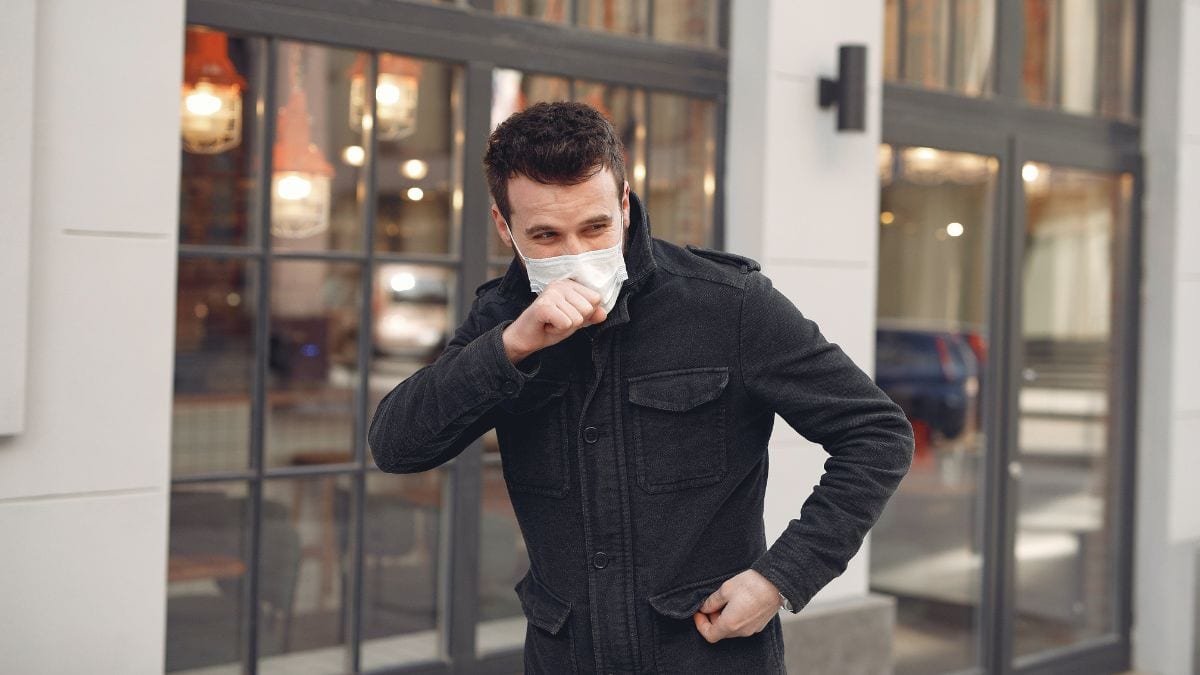
Reports of the new Covid variant JN.1 surely got many of us worried, and understandably so. The holidays are a time for parties, reunions and get-togethers and to be missing all those again would be such a bummer. And of course, we don’t want to be spending the rest of our holiday vacation at the hospital.
Fortunately, as the Department of Health (DOH) says, there is no evidence indicating that the JN.1 Omicron subvariant exhibits “increased severity or unusual clinical presentation. There is also no evidence that it spreads faster.”
The World Health Organization meanwhile regards JN.1 as a “variant of interest” as it needs to be closely observed and studied by epidemiologists and researchers worldwide.
The DOH has so far detected 18 JN.1 cases by genomic sequencing. The earliest sample collected was from November 16, the most recent December 3. There has been no significant increase in the number or severity of cases overall. Furthermore, all the JN.1 cases have recovered. JN.1 is a sub-variant of the Omicron strain of the SARS-CoV-2 virus, the virus that causes COVID-19.
In an interview with Teleradyo Serbisyo, Health Undersecretary Eric Tayag stressed the importance of wearing face masks especially in crowded places. He also advised the public to refrain from going out if feeling unwell and to seek advice from a medical professional when necessary
In a recent report, the seven-day positivity rate in Metro Manila surged to 21 percent, prompting the government to recommend the use of face masks during social gatherings.
Tayag attributes the rise in positivity rate to two possible reasons—either there are really more Filipinos getting sick of COVID or there are many who are not taking the COVID test.
According to WHO, based on current data, “the additional global public health risk posed by JN.1 is currently evaluated as low.”
“Despite this, with the onset of winter in the Northern Hemisphere, JN.1 could increase the burden of respiratory infections in many countries,” it added.
WHO also highlighted that current vaccines continue to protect against severe disease and death from JN.1 and other circulating variants of SARS-CoV-2.
As holiday gatherings fill our calendars, remember: respiratory illnesses, such as influenza, are waiting to spread. The DOH advises multiple layers of protection, including masks, proper ventilation, cough etiquette, and vaccination—especially for high-risk groups
Let’s celebrate smartly, and keep each other safe and healthy in the New Year.