
For Alex Eala, Being a Filipino Athlete Means Fighting for Every Visa

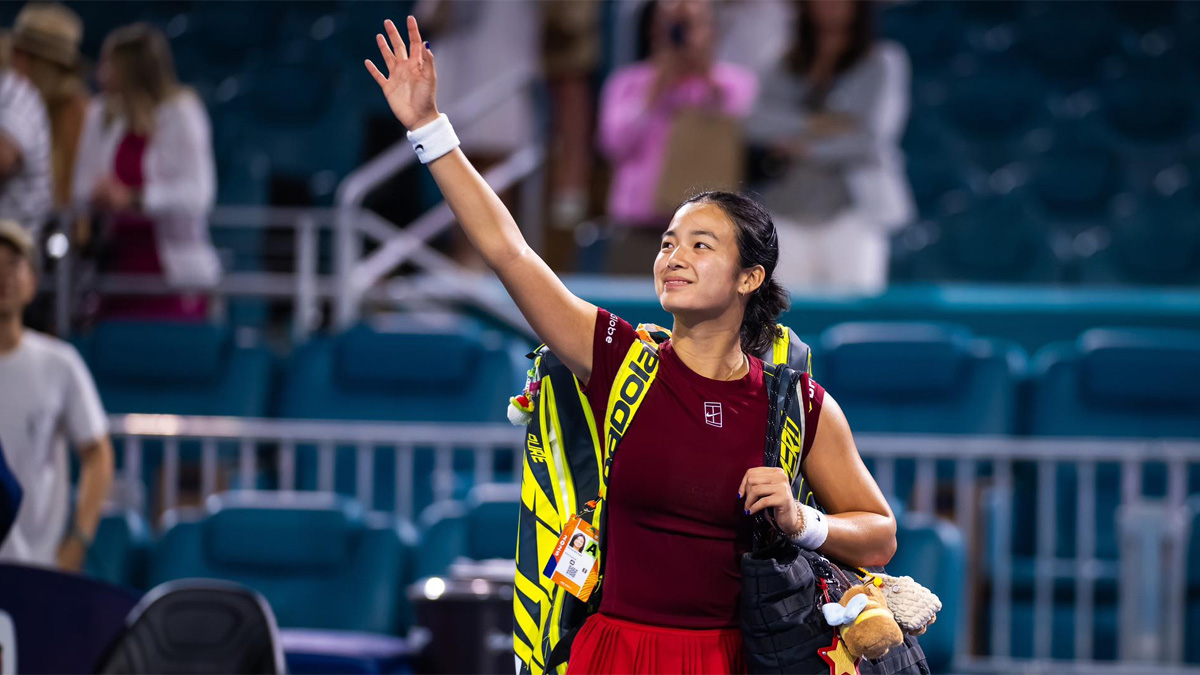
Filipina tennis player Alex Eala, as of April 7, 2025, is now ranked 73rd by the Women's Tennis Association. This makes her the highest-ranked Filipina player in WTA Tour history.
The achievement comes after her outstanding run at the recent 2025 Miami Open, where she entered as a wildcard. Defeating one opponent after another, she crawled her way through the pro tennis tournament. Eala, who previously ranked 140th, bested world No. 56 Katie Volynets, then 25th seed Jelena Ostapenko, and then world No. 5 Madison Keys. She reached the quarterfinal round after receiving a walkover from Paula Badosa, then defeated Iga Swiatek in straight sets. Her stint at the 2025 Miami Open came to an end, but not without a fight, after a defeat against world No. 4 Jessica Pegula.
Alex Eala on the Biggest Challenge as a Filipino Athlete
For all of Eala’s accomplishments—including being the No. 2 ranked junior in 2020, winning the first junior singles title at the 2022 US Open, earning all the other firsts as a Filipino athlete, and the rising star status in international tennis—her biggest hurdle isn’t always on the court. Sometimes, it’s at the embassy.
ALSO READ: The Difficulties of Owning a Philippine Passport
In a virtual press conference organized by BPI and Globe last April 8, 2025, the 19-year-old tennis champion opened up about the lesser-seen struggles of being a Filipino athlete: not just the training, the pressure, or the competition—but the simple act of getting from one country to another.
"What's challenging is being able to travel with flexibility," Eala says, echoing almost everyone's struggle as a Philippine passport holder. "As a tennis player, you need to be very flexible with your schedule. You're going to make a lot of last-minute choices, and it doesn't allow you time to organize all of this—every single time—to have the visas ready."
While players from other countries might pack up and head off to a tournament with ease, Filipino athletes often face time-consuming, unpredictable visa processes. For someone like Eala, whose career hinges on agility and the ability to move with the tour, this can mean missed opportunities and an added mental load.
"It takes so much time," she adds. "For me, I find challenging the visas, being able to plan."
The Philippine passport ranks 75th in the Henley Passport Index, allowing visa-free or visa-on-arrival travel to only 69 countries and territories. Australia, Paris, London, and the United States—where the four major Grand Slams are held—require a visa.
Despite the hurdles, Eala remains focused on what’s ahead. She’s currently at the Rafa Nadal Academy in Mallorca, Spain, where she has been studying since the age of 12. Her training is centered on sharpening her endurance, footwork, and mental resilience. Balancing recovery and match readiness, she says her team is working hard to keep her in peak condition—ready to face not just opponents but the logistics that come with global competition.
Biggest Reward as a Filipino Athlete
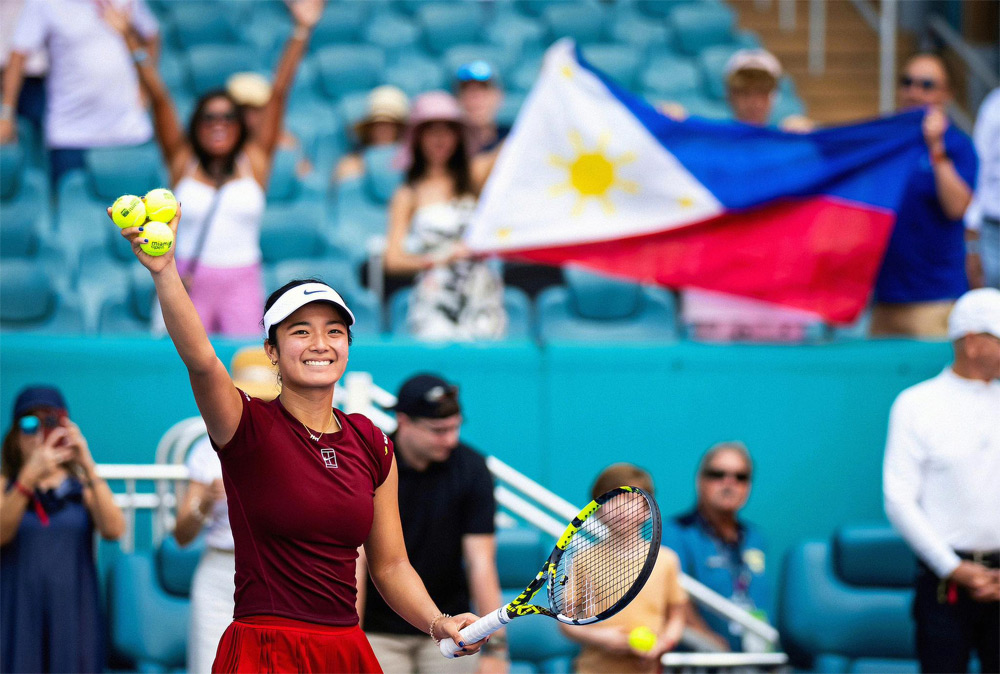
Still, Eala is quick to acknowledge that her Filipino identity also brings its own kind of strength—especially in the form of community. When asked what she sees as the biggest reward of being a Filipino athlete, her face lights up.
"Of course, it’s the support of the Pinoys," she says. "You cannot find that kind of community anywhere else, in my opinion. The love and the support, you know, this past month is a testament to that."
The recent wave of backing she’s received from fans both in the Philippines and abroad is something she doesn’t take lightly. From courtside cheers to online messages of encouragement, Eala recognizes that her journey is powered by more than just talent and grit—it’s also fueled by a nation rooting for her every step of the way.
So, while the visa lines may be long and the paperwork tedious, they’re a reminder of something else: that even at the highest levels of sport, Alex Eala is still one of us.
