

The Story Behind the Greatest Rave Parties of the 1990s


If you came of age in 1990s Manila, “consortium” wasn’t just a business or legal term. It was the name given to a series of roving parties where people danced until their legs and lungs gave out and they had to drag their sweat-soaked bodies to the sides for some much needed aqua or cerveza break. It was one of the country’s first true “raves,” back when raves played house and techno music and were held in the unlikeliest of places—a warehouse, a basement, a studio next to a cemetery, an amusement park. People didn’t dress up nicely to go to raves—they dressed however they felt like. They put on wings or halos and carried glow sticks or sucked on baby pacifiers.
Consortium was the brainchild of Toti Dalmacion—he of Groove Nation and Terno Recordings fame. Anyone who’s ever been to a Consortium event knows Dalmacion, but to those who never got the chance, he’s best known today as the founder of the indie record label that artists like UDD, Radioactive Sago Project, Sleepwalk Circus, Maude, Hidden Nikki and many others call home.
Back when he was managing a record store instead of working with bands, Dalmacion was bent on overhauling the landscape with the kind of music and unbridled, unhinged clubbing experience he was exposed to when he DJ’d and lived abroad. None of those overplayed tracks by Haddaway, Robert Miles or Alice Deejay (“Better Off Alone” anyone?). Instead they got DJs and producers like Derrick May, Laurent Garnier, Josh Wink, Juan Atkins, Stacy Pullen and Fantastic Plastic Machine (aka Tomoyuki Tanaka).
In this Esquire interview, Dalmacion digs deep and traces the beginnings of Consortium from his days hopping around the Los Angeles underground scene, what really went on in one of those events, and if raves would ever make a comeback.
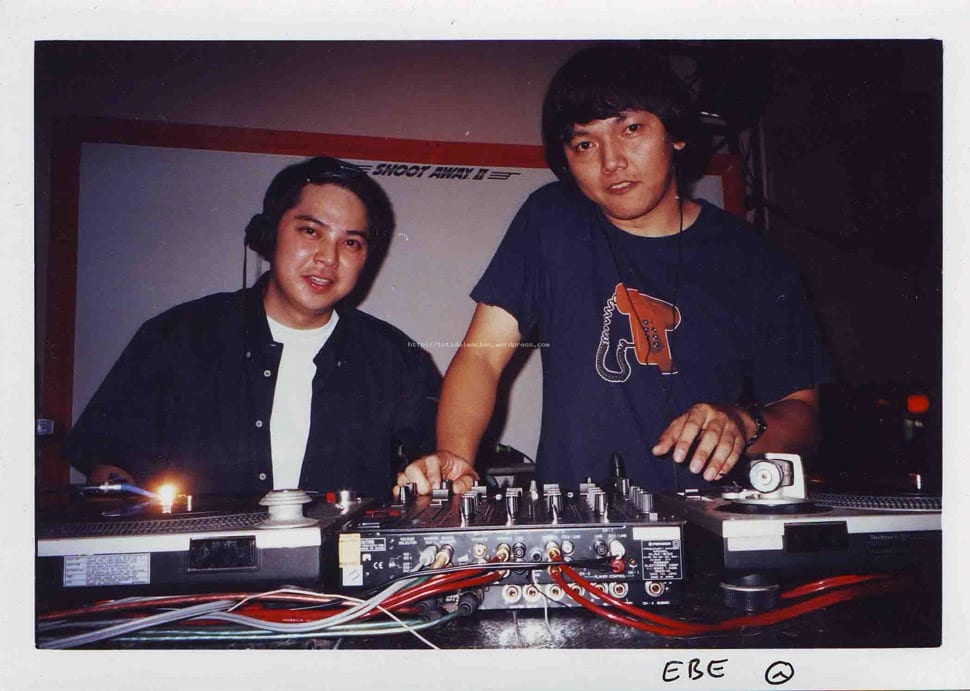
Cocoy Puyat and Toti Dalmacion were the resident DJs of Consortium IMAGE: Eddie Boy Escudero / totidalmacion.wordpress.com
How long were you living in the U.S.?
I was born here in Manila and moved to Los Angeles, California after high school. We stayed there for about 10 years.
How did you get into DJ-ing?
I was already spinning even in high school. I was a mobile DJ, back when the entire country was into New Wave. DJ-ing has always been there. When we moved to L.A. I would do weddings, “Lesbian Nights and other Filipino parties, those kinds of things. It was a learning experience.
I was heavily into Punk & New Wave when I arrived in the States. But because I did weddings, I had to be open to a lot more commercial stuff then, like dance music that was mainstream, popular. Mga Madonna, radio dance hits. Even Italian, Italo-disco, things like that.
I would just rent equipment when I had gigs. One day, the rental guy at the counter asked me, what do you play? And I said, you know, this and this and this. And he said, “Oh so it’s Mickey Mouse dance music.” He meant I played fluff.
Even though I’d play commercial stuff for money I knew about house music already. I would hear about it and I’ve been reading stuff about it. That led me to discover the underground dance parties in LA.
Yeah how’d you get into the rave scene there?
The thing is, it was kind of special because you wouldn’t think of LA as being the hub of that scene. Everyone would say New York. But really raves started in LA, because there were a lot of British expats there. A lot of the early warehouse parties and raves were started by British expats. The music was American, it’s just a ping-pong thing. House and techno are American in origin. The music was just brought to the UK and then they did their own thing, these weekenders done illegally in off the wall places and was given the term “raves” and then they were brought back. LA was one of the first US cities that embraced it.
Back then in L.A., when you go to a record store or clothing stores along Melrose, they’d have flyers there. If you knew what was up, then you knew that this was for a warehouse party of some rave.
Those raves attracted me right away because of the fun aspect of it and the kind of danger involved. Almost all of them were illegal, and what was fun about it was you had to look for the venue, sometimes on the day itself, sometimes just a few hours from getting the flyer.
There were good ones and there were bad ones. Initially, I caught the first wave, it was really raw. There were instances where we would go to a warehouse where there weren’t any lights, there was just a light on the DJ. People with flashlights. That was the fun thing about it. Plus the prospect of being busted by the police, because you can get arrested but there were so many of those raves that it’s more likely that (if the police did show up) it was the DJs they would end up picking up, and the promoter.
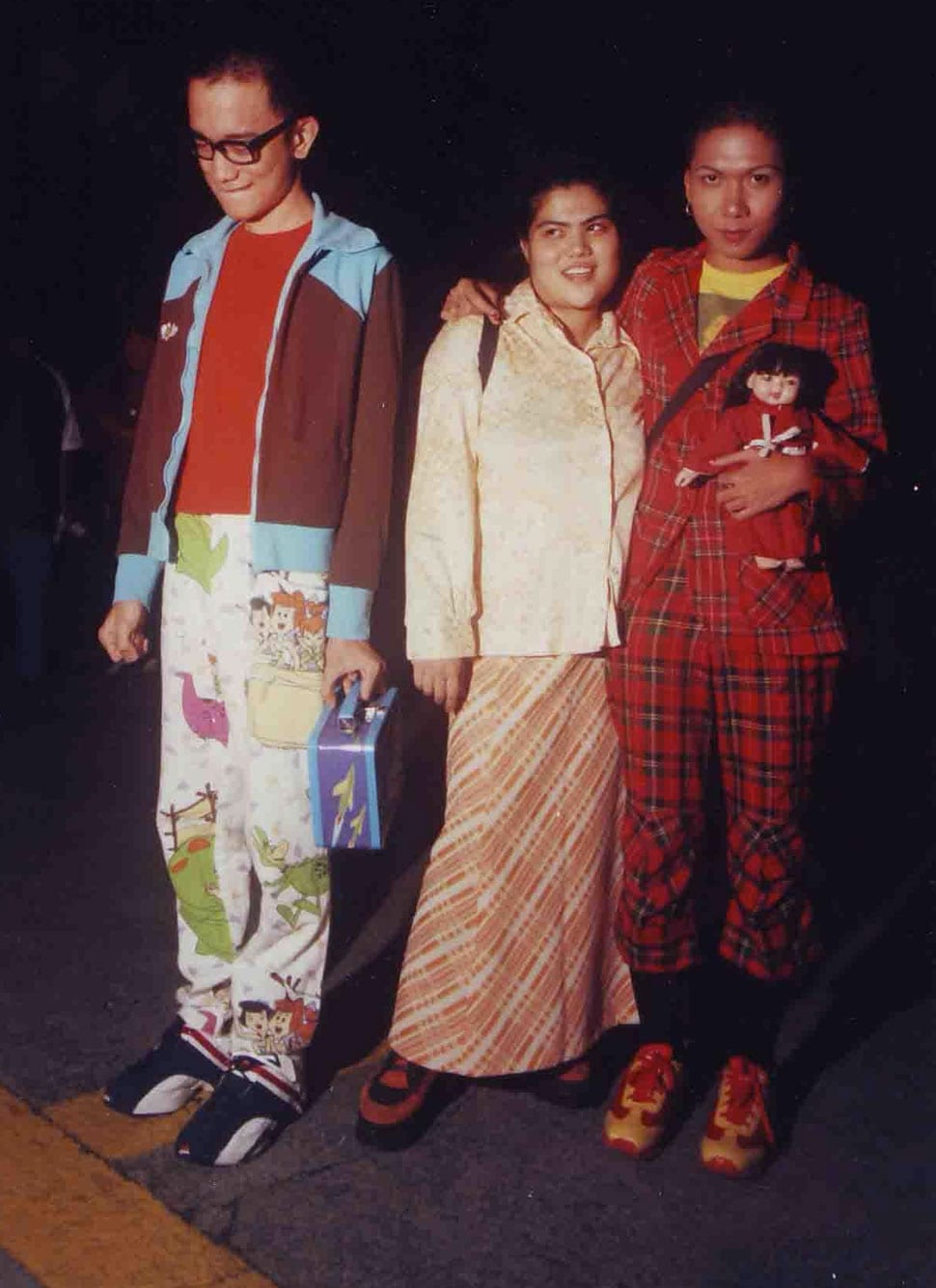
1990s fashion at Consortium IMAGE: Eddie Boy Escudero / totidalmacion.wordpress.com
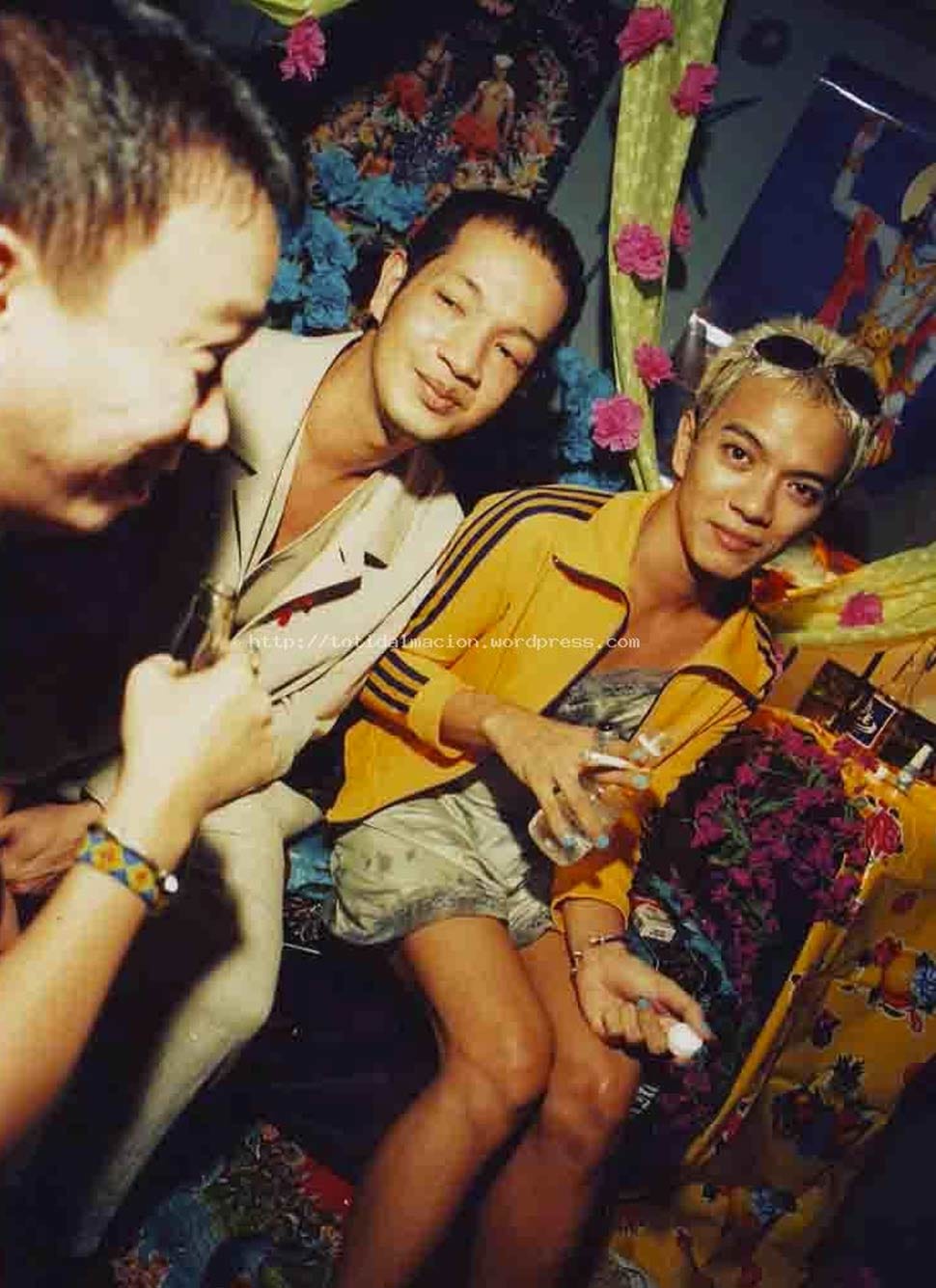
John Glenn (right) who owned Blue Cafe in Malate with his friends. Dalmacion says they were regulars at Consortium IMAGE: Eddie Boy Escudero / totidalmacion.wordpress.com
That happened when you were in one of those raves, cops coming in?
Yeah, yeah. Many times. There were times where we would pay. And these weren’t cheap. Like $25 to get in. Some were cheap, like $10, but some were expensive, especially for someone who doesn’t work. But it was a fun thing to do in the weekends, and even weekdays. When you get to go to a good one, it lasts the whole night till sunrise. Some even extending will into mid morning.
Where were these raves held?
They were either at warehouses, or very unassuming places, where you wouldn’t think they would use, like at the L.A. Union Station or an amusement park or an ice plant. That’s what the gimmick was back then. But there were the staples: some venues in downtown LA where it was kind of regular like The Casa. So it was kind of semi-legal in a way. But many were, like, I mean literally, they would cut the chains of the gates of the place and set up.
You set up Groove Nation first, the record store-turned-collective of DJs, musicians and music lovers, first when you flew back to Manila. How soon after that did you want to do a rave here?
I wasn’t able to do it right away, of course, because of the store. Maybe a year and half after. I think the store was up about 1993 or 1994. The first rave we got to do was in 1995, and it wasn’t even in a warehouse or anything. It was in Blue Café in Malate, which was a gay bar. But it was frequented by a lot of expats and a lot of really cool people of Malate and Makati then.
How did the planning for that start? Who were your co-conspirators?
It was just really me. And then I had some friends who used to hang out at the store And they helped, like Mario Serrano who was actually a customer of mine who used to be in a mobile group, so I gave him some material to use and he DJ’d as well, There was also Edge Pamute who was my partner in a Bossanova, a vintage clothing store, and Cocoy Puyat, who eventually became my co-resident DJ for Consortium And then later on, a few more friends became more active like Benjie Lopez, Agu Paiso, Doy Santos and Karlo Samson. So it was more of like that, helping out and not to discredit them or anything, but most of the choices of who to bring in were made by me.
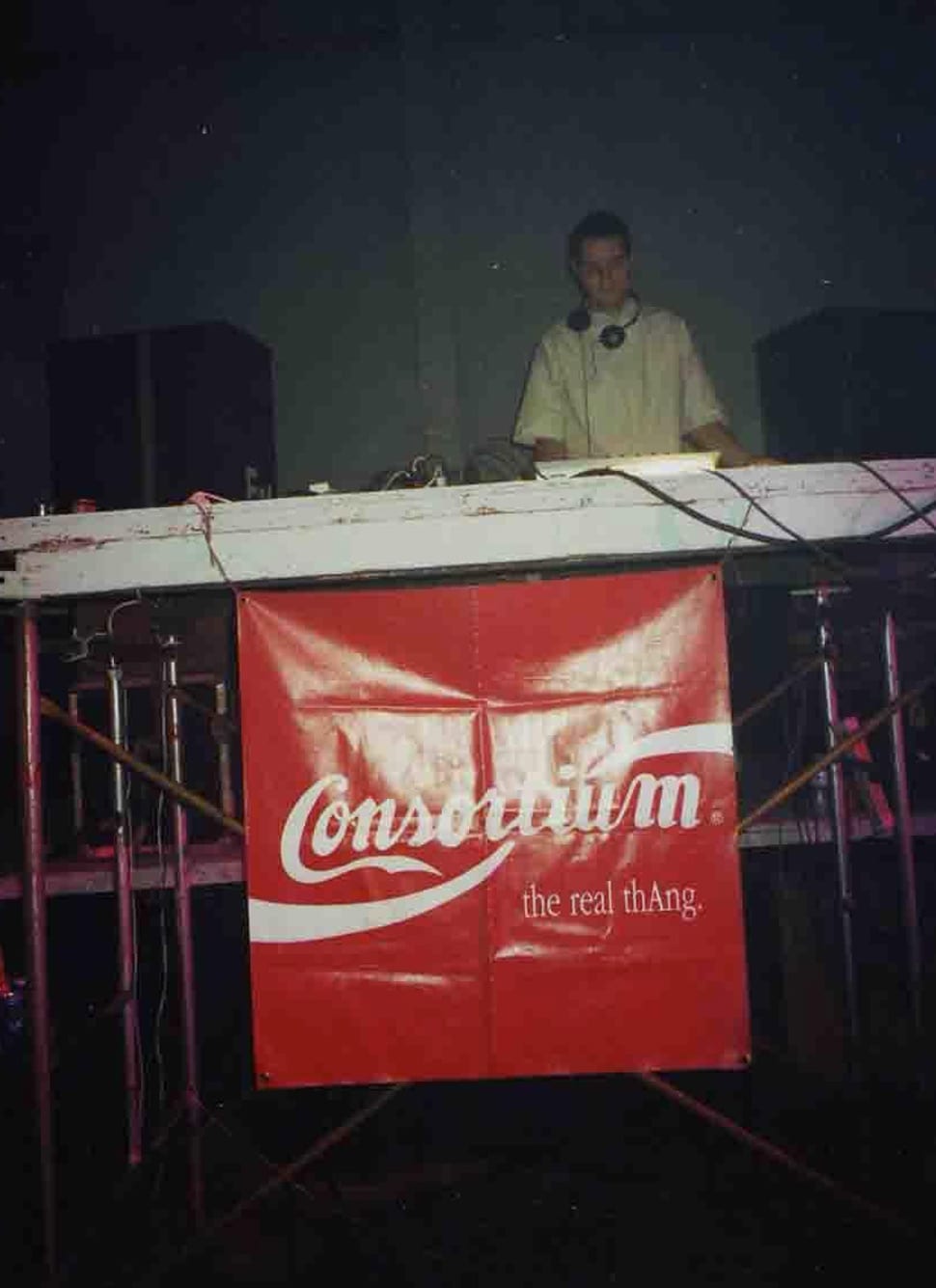
One of the DJs spinning at a Consortium rave: Jamie Bissmire IMAGE: Eddie Boy Escudero / totidalmacion.wordpress.com
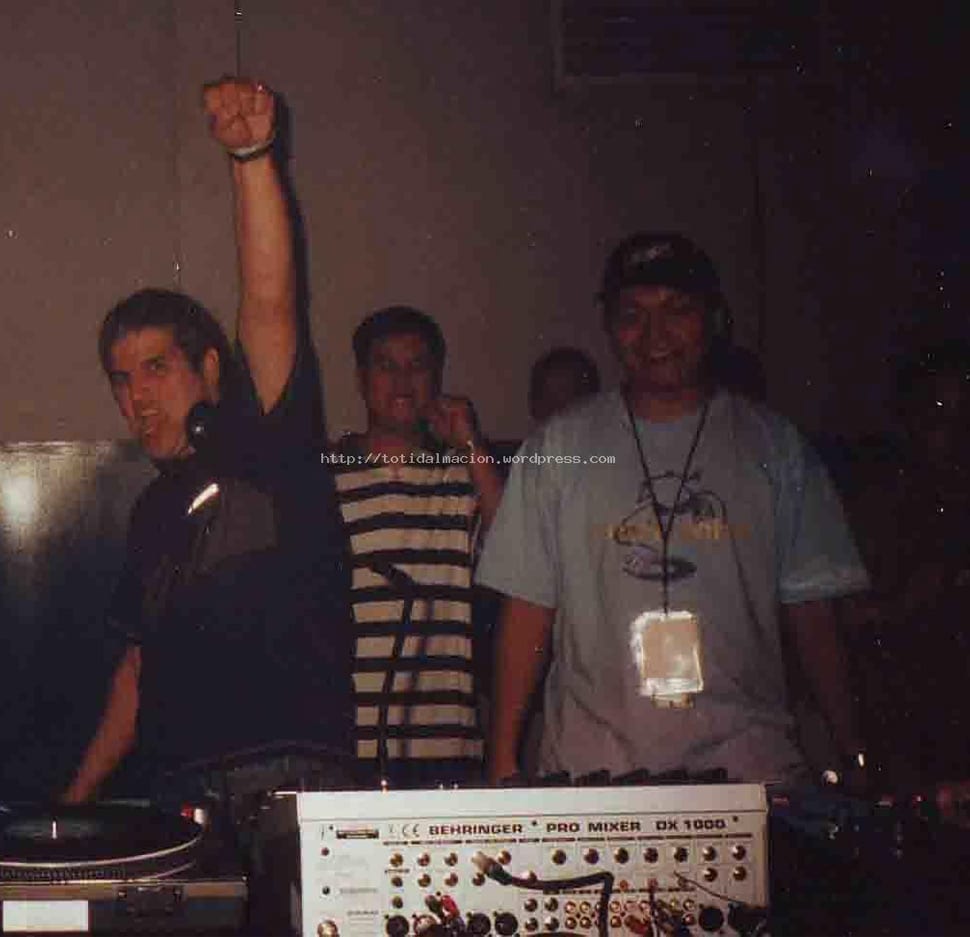
DJ Doc Martin behind the turntables, with Dalmacion on the right IMAGE: Eddie Boy Escudero / totidalmacion.wordpress.com
But just to clarify, there weren’t any existing raves or anything like that when you started?
I’m not sure if it was around the same time, or a little before us, but there was one or two which was NBK and Big Star, which were doing warehouse parties. The only difference that I’ve really seen is that it was just the typical Manila scene, which was just to be seen. Everyone was just drinking, standing, bobbing their heads. But not really dancing. Back then, they got upset with me about that, but it was factual. It’s the truth. I was very vocal about that then, which got the ire of the local “party “ people cognoscenti. You have to remember though, I’m not a party guy, I’m a music guy so it meant more to me.
Why did you call it Consortium, by the way?
Corny when I think about it now, but it was just to show that’s it’s a union of like-minded individuals who want change through music and dancing.
Okay so that first Consortium. Tell me about it. What happened then?
It was a disappointment. Lots of people showed up, sure, but the dancing part never really happened. No one was dancing. The years before we did the first one, that was my first observation of the party scene here in Manila. It wasn’t what I experienced in LA. That’s where the conflict lies. You have to remember, back then, they were partying with their polo shirts and leather shoes. All that. Clubs here back then didn’t even allow anyone wearing trainers inside. They had a dress code. It was that stiff.
It irritated me that there was this something that I experienced (in LA) which I wanted to share the correct way here. If you’ve seen the movie The Big Night, it’s kind of like that. The story is about these two Italian guys who have a restaurant, and no one goes to their restaurant. But the American guy who does “fake” Italian food, gets customers. That’s how I felt.
It’s not that no one went to Consortium—in fact it was always full—but what I’m saying is that the process that I had to go through was that I felt like I was the alien one.
How long did it take before you finally got what you wanted?
Not that long. After the first one I almost gave up, because it seemed like a hopeless case. Wala talaga. That’s really the way Manila is. It was all about high society and just partying, to be seen in magazines and mentioned in society columns, which I was kind of against. That’s what I didn’t like about Manila. The raves weren’t like that at all. No one cared about your background, whether you’re from Beverly Hills or from San Bernardino, everyone was there to have a good time, dance and take in the music.
But about a year later, we tried again. That was the one at the National Library.
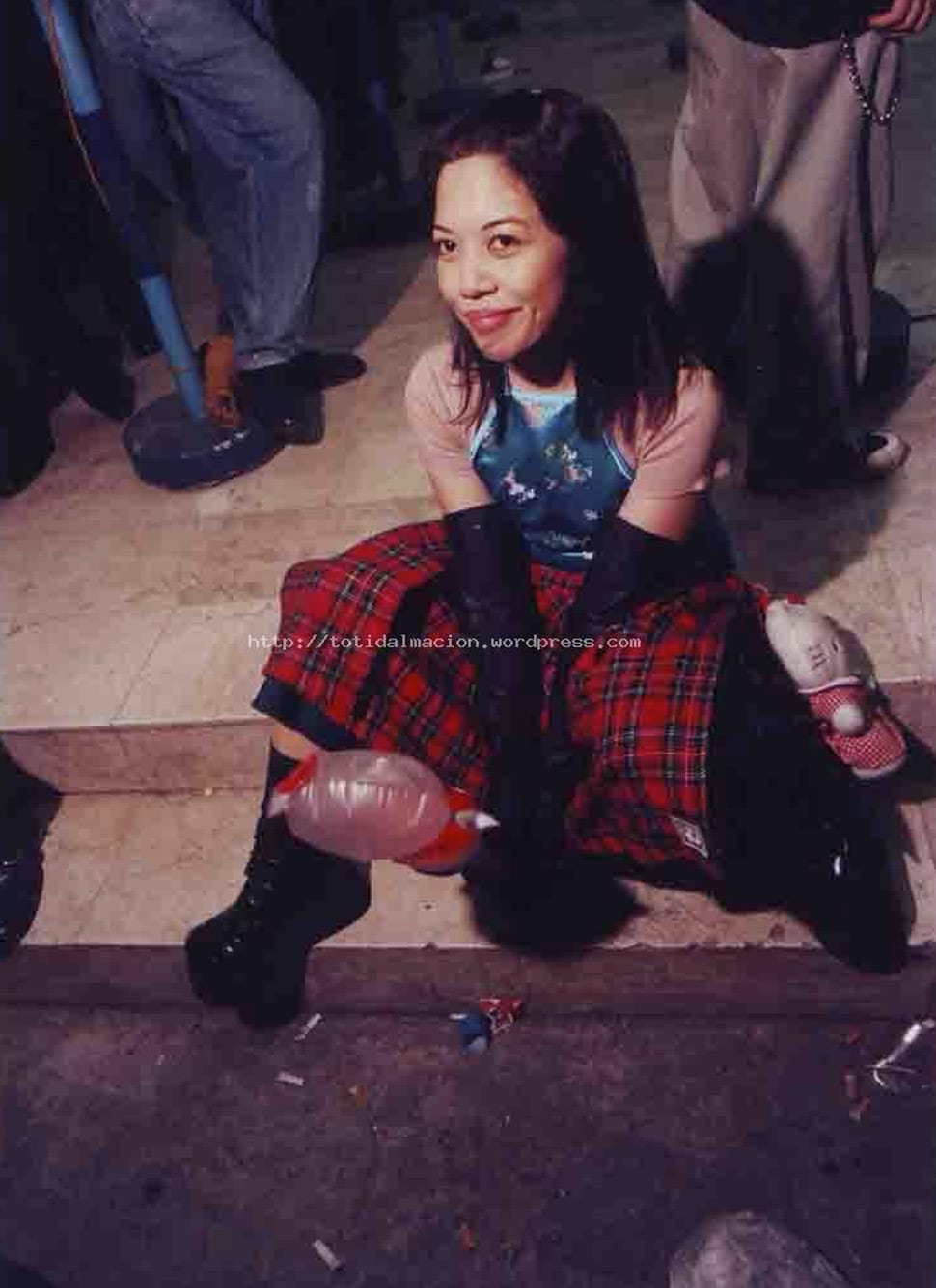
Cecile Zamora (aka Chuvaness) was a regular at Consortium parties. Dalmacion says her store called Grocery sold clothes at the inaugural event art the National Library IMAGE: Eddie Boy Escudero / totidalmacion.wordpress.com
I can’t imagine how you got the National Library to agree to a rave. What was that conversation like?
We were lucky because it was passed off as a “cultural” thing, which it was. I have to give it to whoever was the head then—he either got it or he didn’t understand, but he said yes. Considering all that, it was really something else, to do it there. And that was the first successful one. People “actually” danced the whole time.
What was different about it that time?
In some raves, usually there are many side things that happen. It’s very carnival-like, with inflatables, glow sticks, things like that. In our case, we decided to have a hodgepodge of people who were selling vintage clothes, which was unheard of back then. Designers who were kind of left field, like Cecile Zamora. While the party was ongoing we had projectors showing whatever, like a (medical) operation, for example, up on the walls. Blue Café contributed by having their angel dancers there. It just added to the whole weirdness for someone who hasn’t experienced that yet, those who were so used to how Manila nightlife was back then. It was all of those things.
Did you charge a fee to enter?
No, I don’t think so. It was sponsored by Blue Ice (beer brand). People just had to show up to go in. We even had a Bat-light on top of the National Library. And it was full. You could see everyone, from all walks of life. The nightlife, party people were there; those who went to Malate and Makati, students, artistas, all the creatives etc.
What time did it end?
We finished siguro mga 3 or 4 a.m.
After that, how many more Consortiums were there?
I don’t recall exactly, but there were about 22. Until 2001-2002.
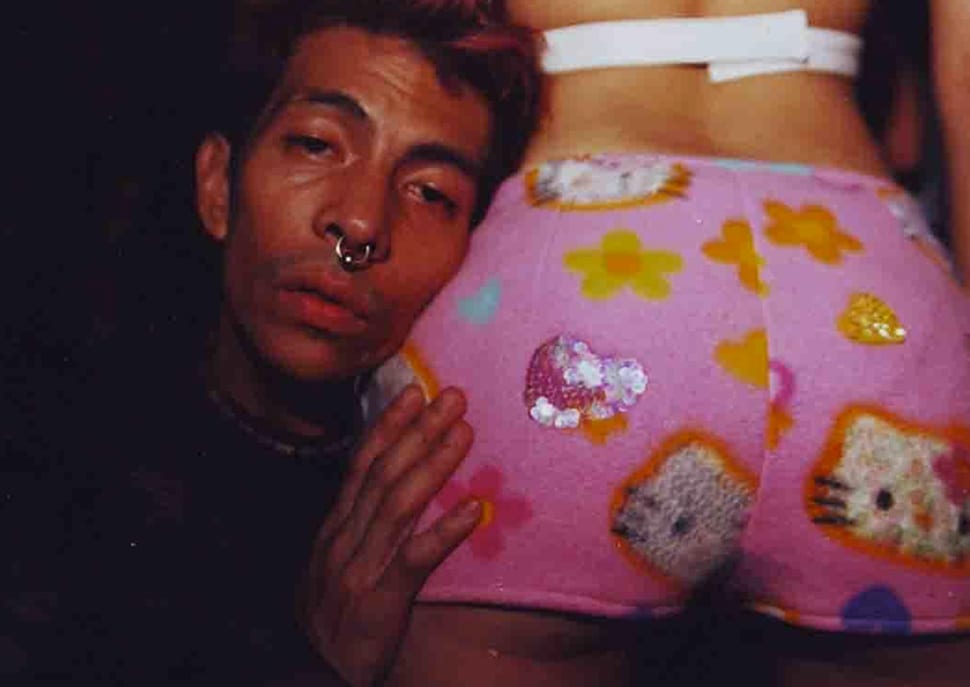
The late great Karl Roy, vocalist of Pinoy bands P.O.T and Kapatid. This photo has become an iconic symbol of Consortium parties during their heyday IMAGE: Eddie Boy Escudero / totidalmacion.wordpress.com
What were some of the venues where you had it?
The Philippine Daily Inquirer warehouse, the Shangri-La Mall food court, back when it was just all concrete and the food court wasn’t there yet. The staple venue was Star City, because they had a warehouse that was big enough to be cut in two, so we had two rooms, which was also new back then. There was a foreign act and local. People could switch rooms.
And by that time, people got what Consortium was all about?
Yeah. After the National Library, it was the Shangri-La one where we had Alec Empire from Germany. He wasn’t a house DJ, it was more digital hardcore and drum and bass. And yet, that was a wild night. We would typically be playing house and techno, but when Alec Empire played it was more early jungle, not even drum and bass.
I have to ask: what was the drugs situation then?
It’s hard for me to say because I don’t do drugs. I’m the most square DJ and promoter ever, probably. I don’t party. But I love music. I’m not being all high and mighty or saying it was all clean. Obviously there were (drugs). I’m sure there were people who were on something during those days, but ecstasy wasn’t as prevalent early on. Maybe by around 1998 to 1999, that’s when it was really around. But that’s when (the scene) sort of started dying down, because trance music basically derailed everything, at least for me.
Who were some of the acts that you brought in?
There was Derrick May, Juan Atkins, Laurent Garnier, Terry Francis, Doc Martin, Josh Wink, Fantastic Plastic Machine, Swayzak, Stacy Pullen. We even brought in Qbert, which was a bit weird because he’s a scratch turntablist, but he just played early on that particular night followed by Stacy Pullen. There was also Ken Ishii and more.
For locals it was just pretty much me and Cocoy Puyat who were the resident DJs for Consortium. And then Cyril Yarisantos, during the latter part.
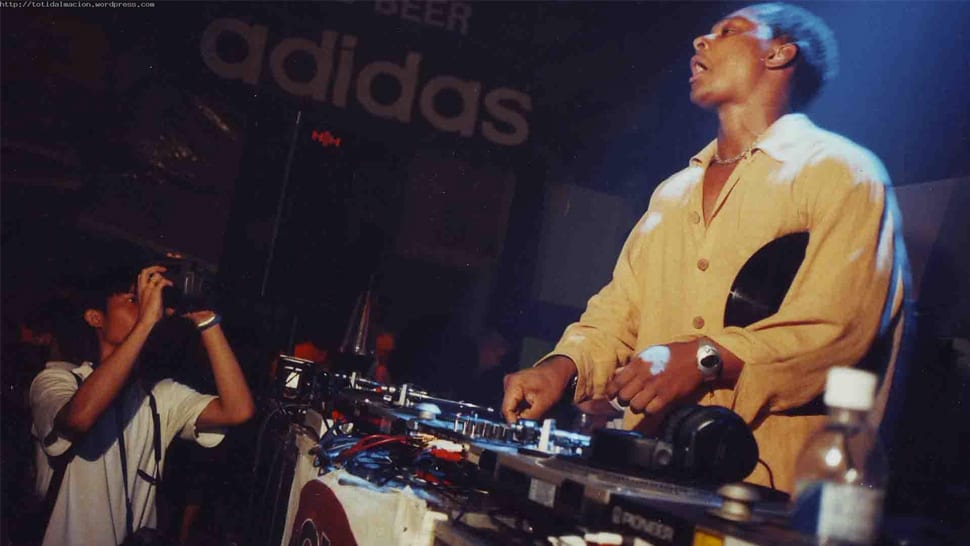
Detroit techno DJ Derrick May spinning at Consortium IMAGE: Eddie Boy Escudero / totidalmacion.wordpress.com
Did you ever get in trouble with officials?
No, never. We got all the permits. You had to because there were so many people. Like we did one in Kalayaan, at the Videosonic Soundstage, near the (South) cemetery. That was when Laurent Garnier played. There were so many people inside that a lot of people outside couldn’t get in anymore and were complaining.
You said that in the late 1990s, early 2000s, the whole rave scene was starting to die down. What happened?
As in everything, it starts pure, and then everyone jumps on the bandwagon. Everyone and his mother were doing raves or wanted to do raves. And I’m talking about all of those corporate entities. Which wasn’t all bad because, hey, we also benefited from a few sponsorships. But some of them eventually wanted to do their own thing. It got derailed because they didn’t really know much about it. So, the choices as far as who to bring in (were questionable). And then when you got to the event there were planted dancers, things like that or it was too bright with so many lights and didn’t really have the vibe of an underground thingy.
Do you remember the last Consortium event?
It was around 2001 or 2002, in Greenbelt, the park where the fountain is now, in front of Café Havana. It was still closed back then. It was Fantastic Plastic Machine. But, like I said, at that point, music-wise it was already derailed because trance overtook house worldwide. All the others here played the same thing. That’s what I’m trying to say. We were purists. When we say we played house and techno, we just played house and techno. We’re not going to change our (style) and music preference just because the market dictates (otherwise).
And we also don’t play whatever the Top 10 or Top 40 or what 20 of your friends are listening to. That was the difference. The other groups were more like that. They tended to please the crowd easily instead of challenging them. I was very idealistic back then and maybe to this day and that notion of playing familiar tunes as an easy way out doesn’t sit well with me.
You know how things are cyclical in nature. Do you think raves will ever come back?
Here’s the thing. Raves per se are dead. The raves that you have now, and I’m referring to five years ago, are the EDM ones that are not really the same. The only thing that’s similar with the EDM scene are the childish, fun things, that were part of the raves back then, like wearing outrageous clothes, pacifiers, those kinds of things. But music-wise, no way were the raves nor (Consortium) connected to EDM. Which is strange because EDM means electronic dance music, and that’s what we were playing. “Modern electronic dance music” as coined by Derrick May and to be more specific, house and techno. But it’s really far off. The EDM that we have now or a few years ago (it’s died down already actually) is completely different from the raves of before, music-wise.
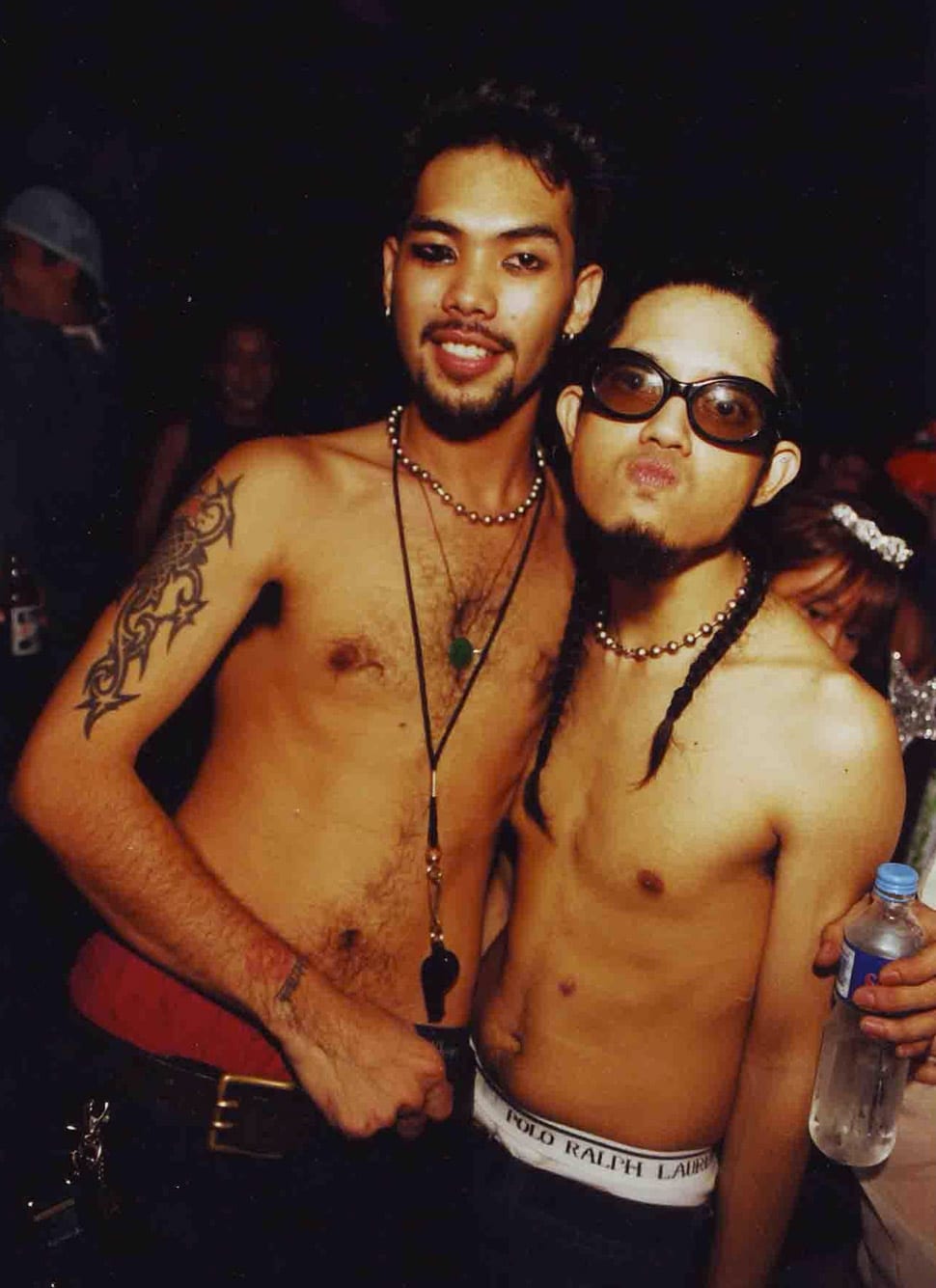
Krishna M and Nathan Azarcon at Consortium. The presence of rockers convinced Dalmacion that they were at least open to the rave experience IMAGE: Eddie Boy Escudero / totidalmacion.wordpress.com
I get what you’re saying about music being the focus, but do you think there was a time people went to Consortium just because it was the “in” thing, that it was a cool party?
Yeah, for sure. And that’s really how it was or is. It’s not just here. It was also how it was abroad, which was also the complaint of people like me. But all the more here, I would think, because we didn’t have a foundation. Even more, the young ones now, what’s being fed to them…(trails off).
How do you feel when you look back at those days?
Yeah, those were fun days that you can’t really bring back anymore. But, I mean, we‘re trying. We play every now and then and we still aim to make people dance, but more often than not, it’s a disappointment because, well, probably the setting isn’t really meant for dancing anyway. And, sad to say, musically, I guess us Filipinos, we’re just not as adventurous. We know what’s going on in radio, Billboard, the leading download site’s top 30 insert genre here , where most local DJs probably get their music from. But to really have the pulse of the underground and know what’s up and what’s upcoming, what’s building up, there’s not much there. No one really cares about it, probably. At the end of the day, people really just want to party, so who cares?
