The dusty village of Malula in Arusha is usually a sleepy place. Its mud huts ring an old goat corral packed with aromatic little green cannonballs. Village traffic typically takes the form of a donkey train.
But today, it will see an ancient ritual usually reserved for the men of the Maasai tribe.
“You sure you want to do it?” asked a friend in Arusha.
“Of course,” I said over a swig of Kilimanjaro beer.
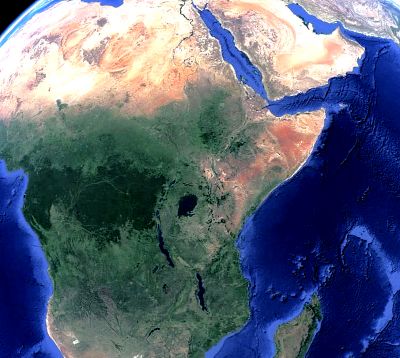
Africa’s Great Rift Valley can be seen from space. The rift begins in the Dead Sea and splits a colossal portion of Africa through Ethiopia, Kenya and Tanzania before ending at the Indian Ocean. Maasailand bisects Kenya and Tanzania and sees two distinct seasons, each lasting roughly six months. Alari or the rainy season starts around November while alamei or the dry season begins in May. The Maasai’s way of life has long been dictated by the weather
I had, after all, endured all sorts of initiations: martial arts trials, mountain inductions, crazily long swims to distant islands. Once, I even had to dance and sing in costume at a Christmas party (a rite of passage for many new employees, no doubt).
I’m an anthropological journalist from the Philippines, an archipelago with 134 tribes. The African continent, over a hundred times larger, hosts 3000 tribes. I’ve visited many Filipino tribes, from the Taw’buid to the Badjao. Not content with merely recording their culture with words and photos, I sometimes ask if I can undergo traditional rituals. They occasionally agree.
Today, if the Maasai are in a good mood, they will burn my flesh with a stick dipped in a traditional disinfectant: cow dung.
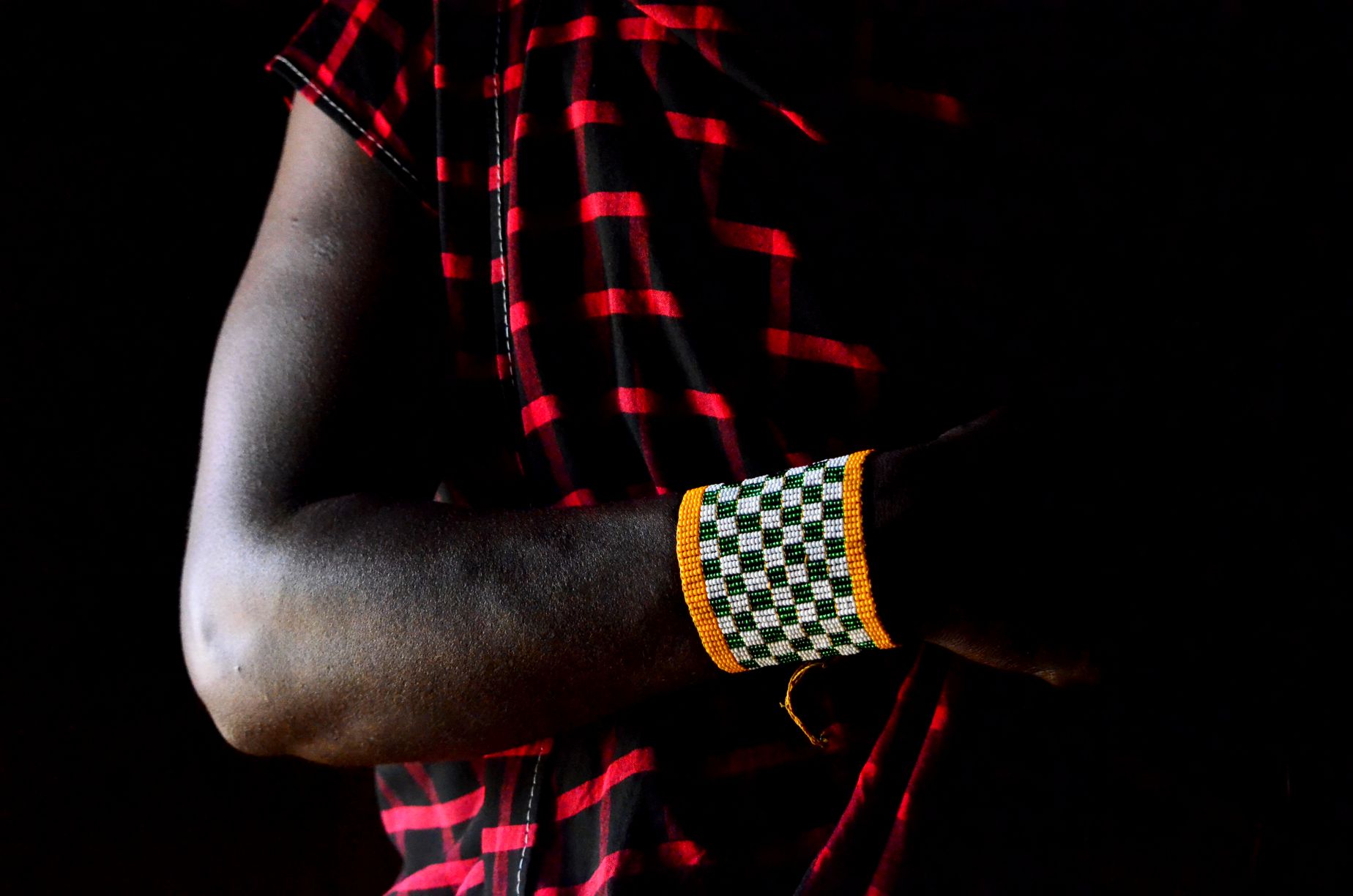
Glass beadwork is a hallmark of Maasai jewelry. Each color denotes a trait. For this bracelet, orange, black and white symbolizes friendship, unity and good health. Visitors to Maasai communities should always prepare a little extra cash to support local crafts.
For generations, this has been the way to get chale scars, marks of Maasai moran or warriors.
As we pull into the village, I catch my first glimpse of the moran who might soon initiate me: tall and slender, their faces proud and regal. Our vehicle stops and a very tall warrior looks straight at me.
I gulp. What did I just get myself into?
Gregg Yan
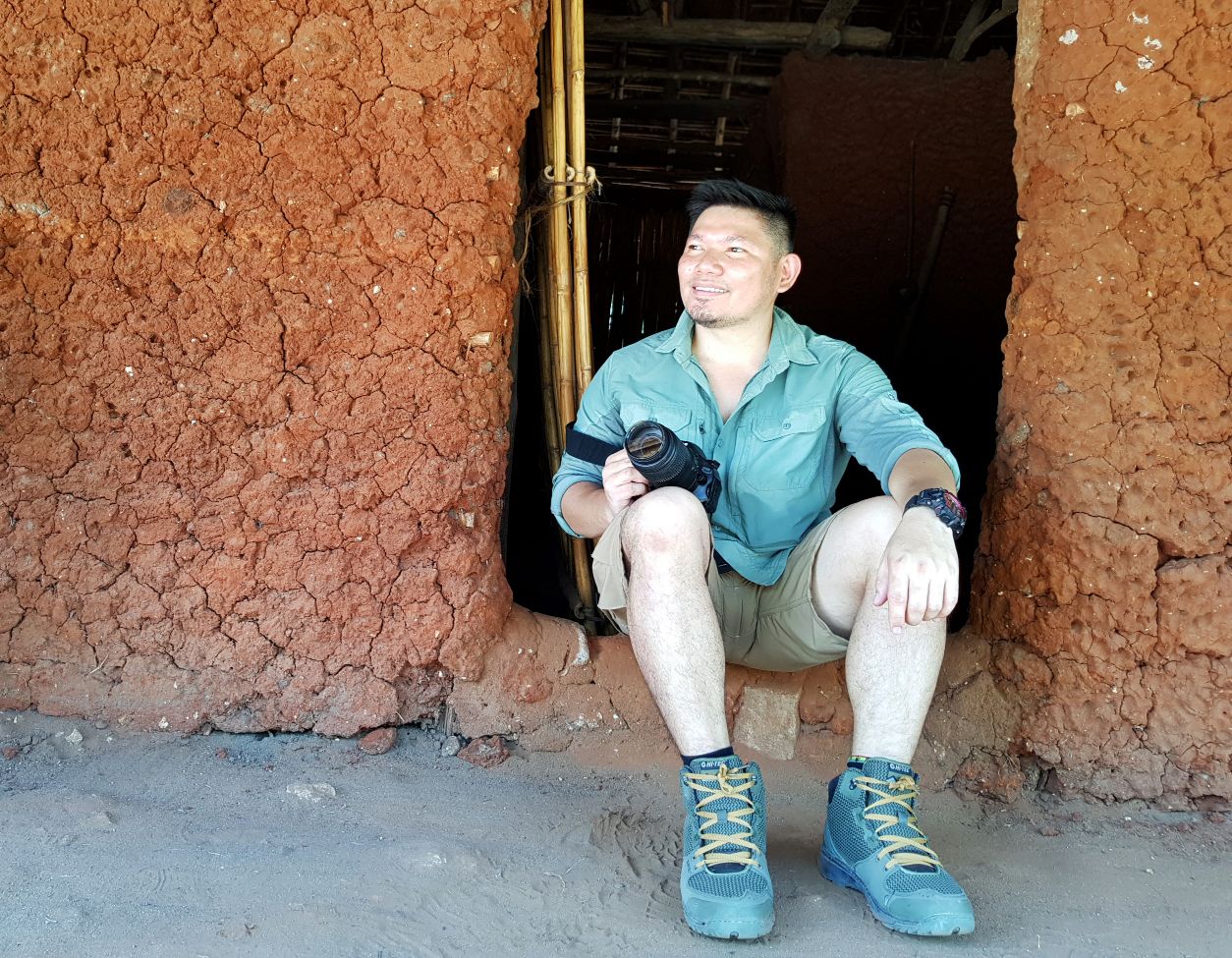
Meeting the Maasai
The Maasai are possibly Africa’s most famous tribe. They’re known for three things: drinking fresh cow’s blood, hunting lions with spears and their famous adumu jumping dance, where tall men can jump half a person’s height to win honor and (if they jump really, really high), a wife.
Maasai shuka or robes were always traditionally a plain red, especially when worn by moran. Today’s easing standards are seeing new colors and patterns. It’s not unheard of for modern moran to wear flower-themed shuka.
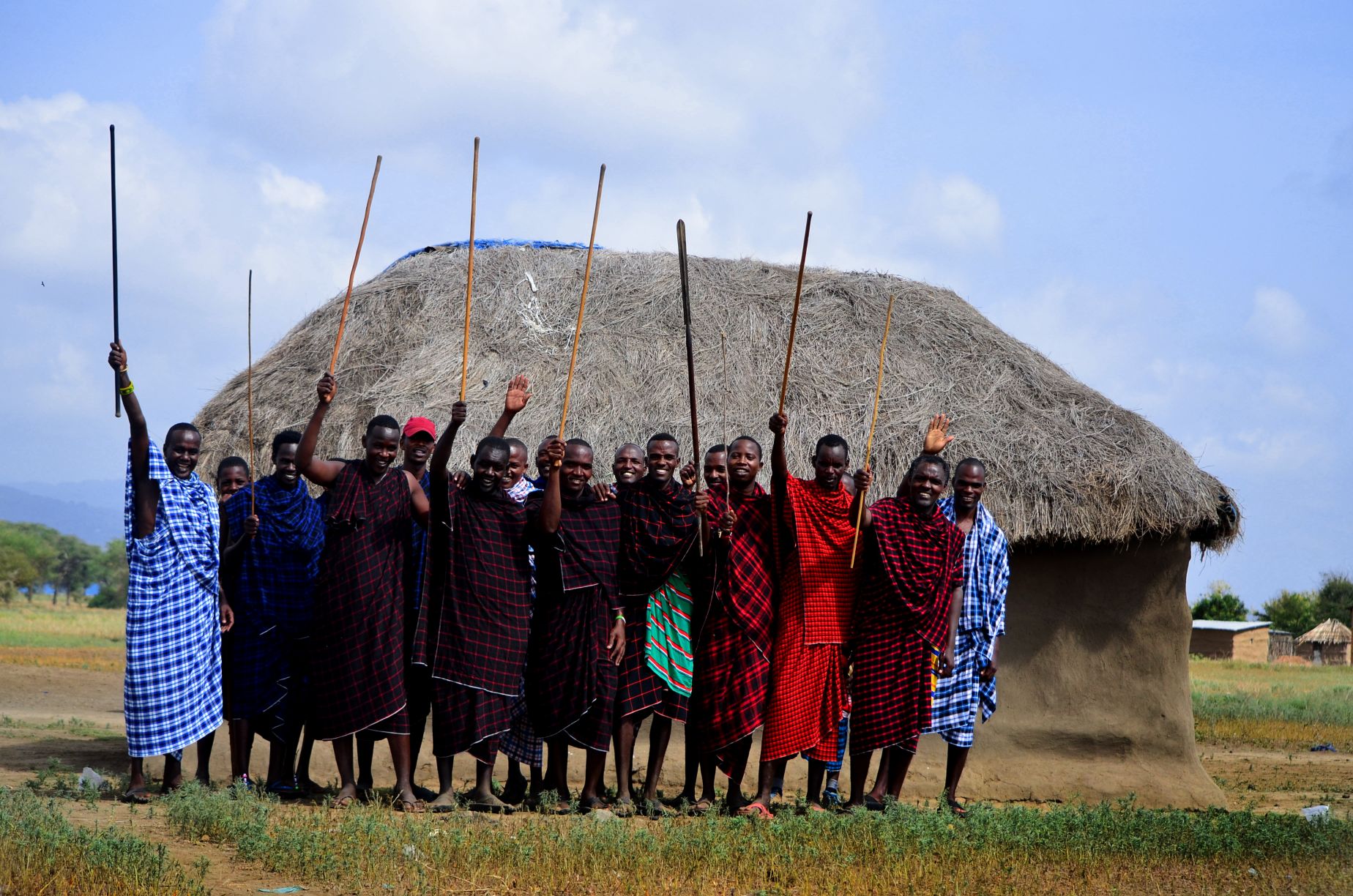
It is believed that the Maasai migrated from North Africa in the 15th century by following the Nile River. They speak a Nilotic language called Maa and believe their God Engai gifted them with all the world’s cattle. For centuries, it was the custom of Maasai to raid and ‘reclaim’ the herds of outsiders by force. Their ferocity was legendary.
“The Maasai are really good warriors,” explained Chagga tribesman Frank Mrema while pointing at the lower slopes of Mount Kilimanjaro. “They came here long ago to herd cattle on our lands. We fought many battles with them, but our tribe lost.”
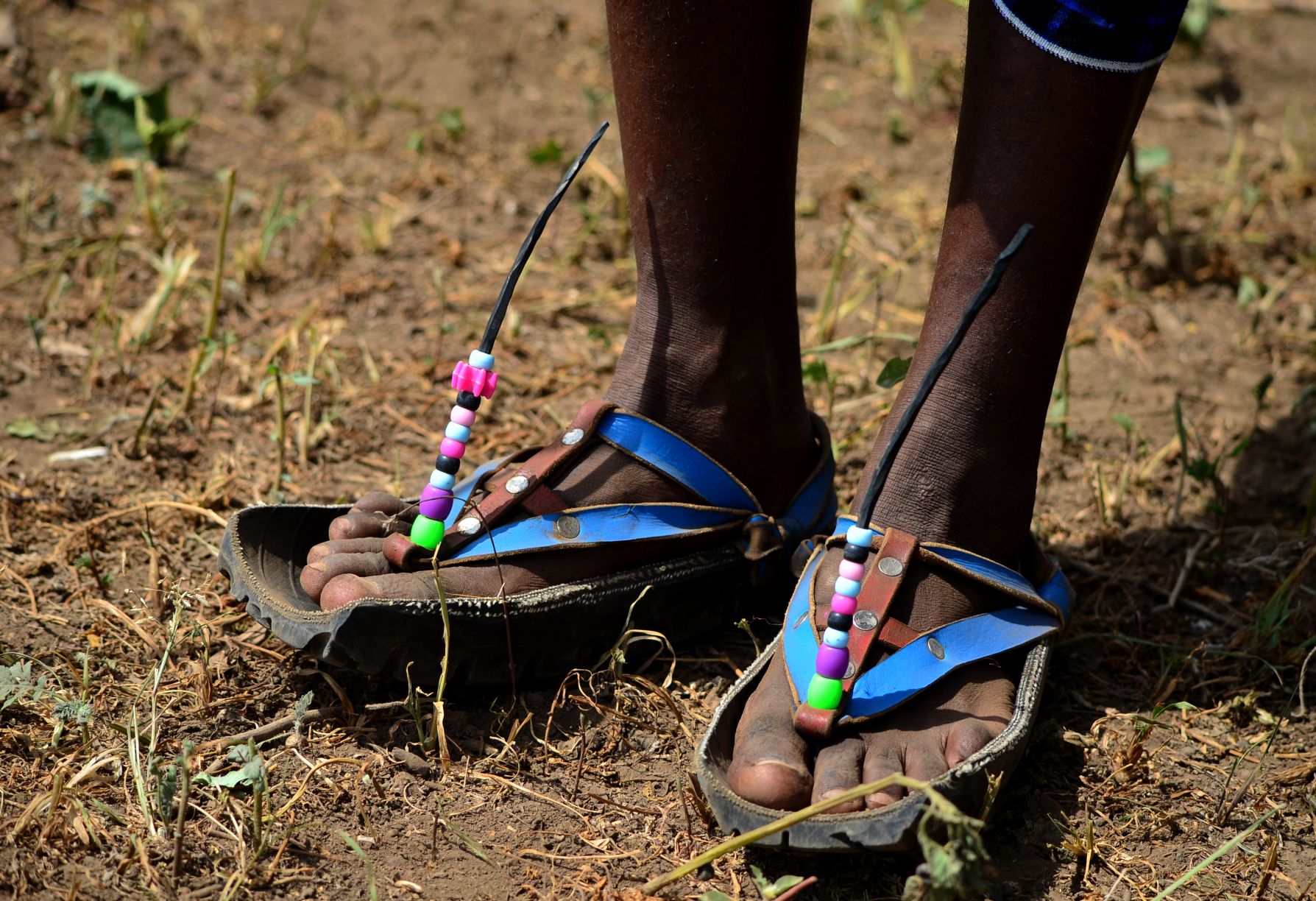
Historians have often compared their garb and equipment to ancient Roman Legionnaires. Slowly I see the resemblance: robes, sandals and weighted spears. Some even clutch short swords which look eerily like the Roman gladius.
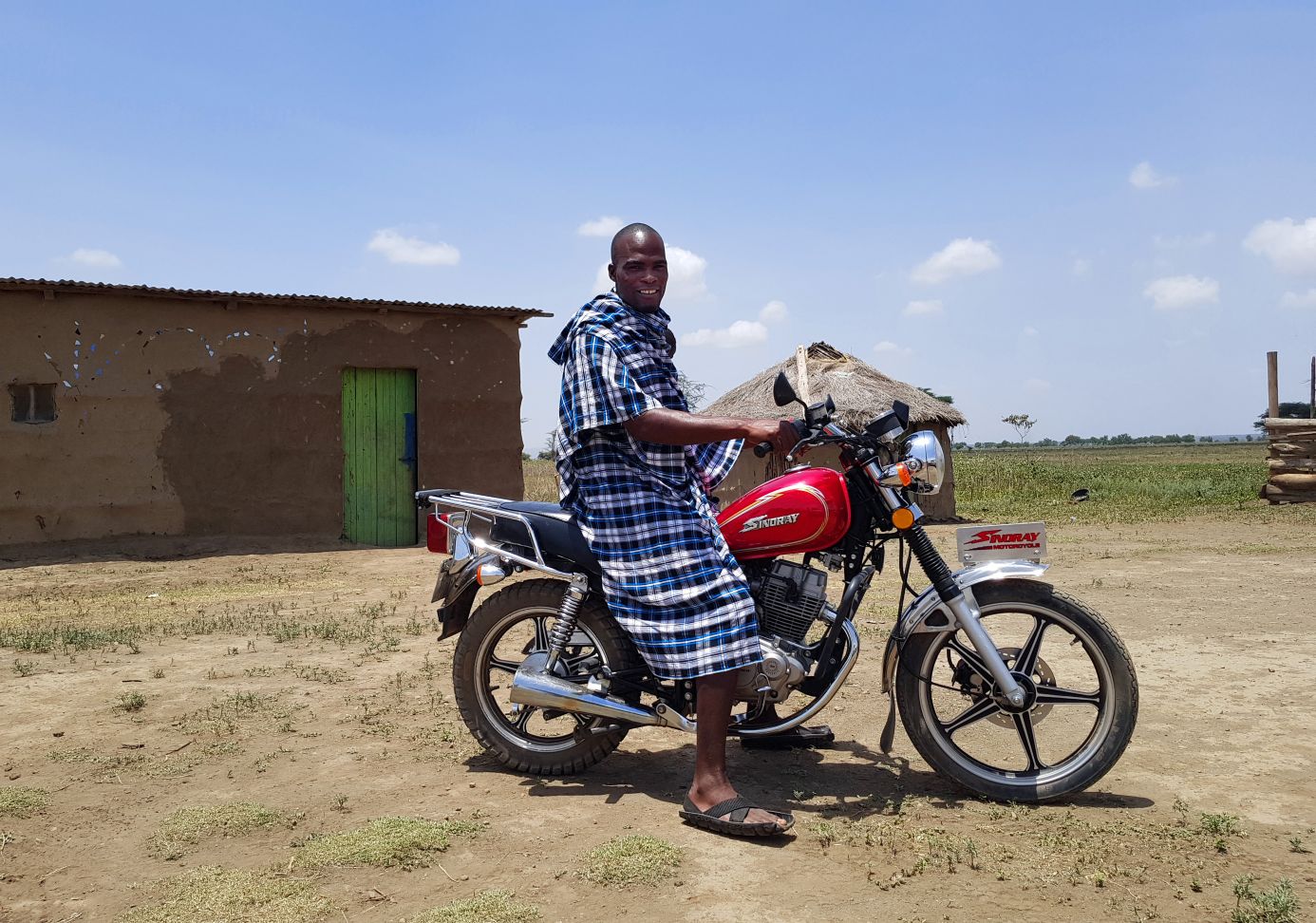
Modern Maasai now tote cellphones, habitually watch funny Youtube videos, and ply the savannah on screaming motorbikes called tuku-tuku. Once or twice weekly, hundreds of them gather in an open field which becomes a bustling Maasai market, where livestock and other goods change hands.
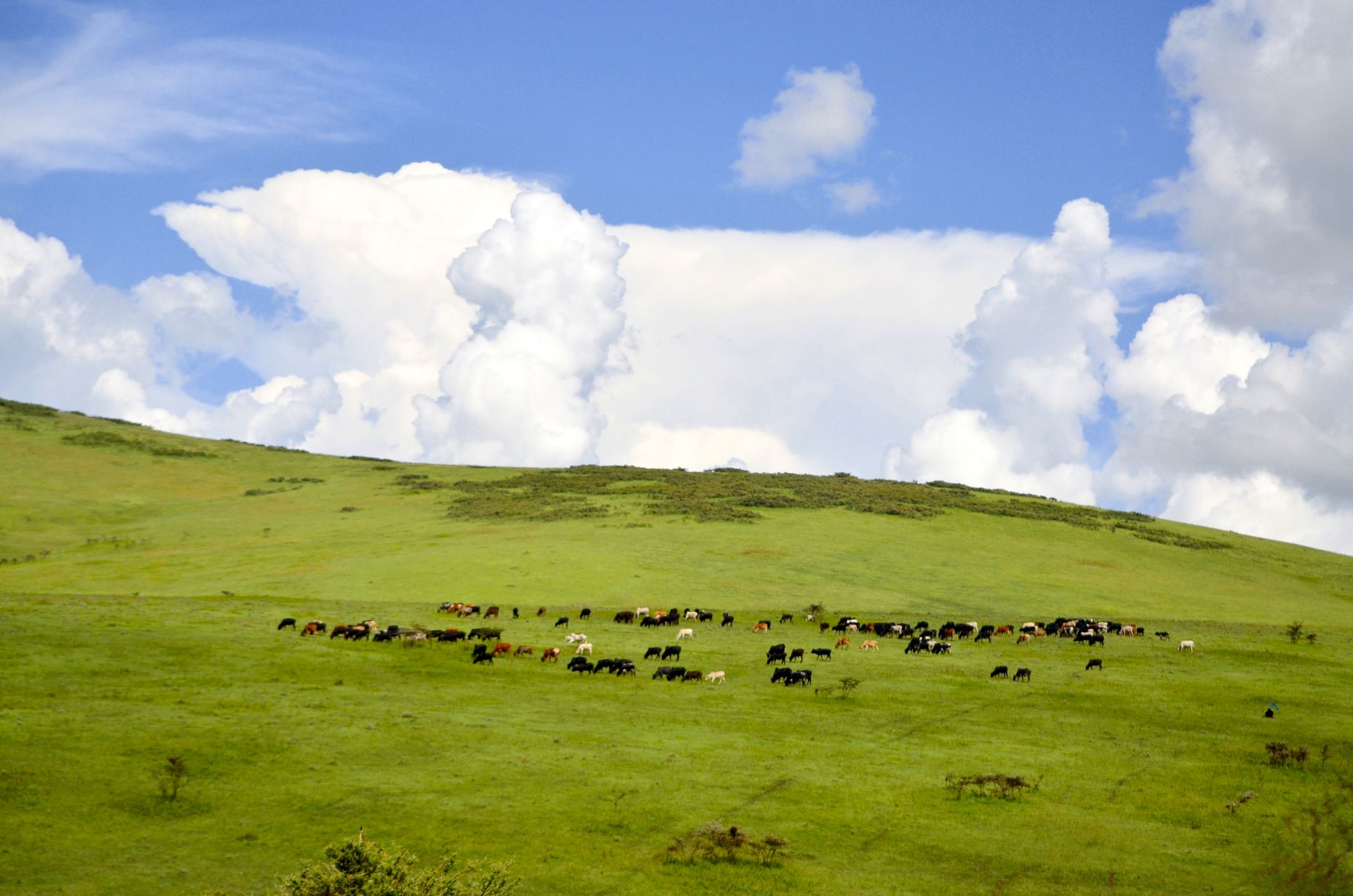
Two million Maasai belonging to 22 clans roam Maasailand, a territory that bisects Kenya and Tanzania. They’re never far away from their herds of cattle, goats, and sheep, which are rarely slaughtered. The animals are kept primarily for milk, blood, and status. The more animals and children a herder has, the richer he is. Wealthy tribesmen can have thousands of cattle and more than a few children.
While men herd, women tend to the kids, milk the livestock and continuously repair mud huts hewn from mud, sticks… and cow dung. They make colorful beaded jewelry while snorting fine-powdered tobacco. I tried it. Powerful stuff.
To become a warrior the old-school way (and once again to impress a potential wife), young Maasai needed to stalk and kill a lion in a ceremony called the alamaiyo. This practice is now done only in retaliation when rogue lions pick off cattle.
Their famed adumu or jumping dance was originally part of the eunoto, a weeklong ceremony to transform young men into warriors. Now mostly done for tourists, the fascinating dance is accompanied by the low buzzing drone of throat singing. Of all the aspects of Maasai culture though, I most admired their chale or ritual scars.
Ritual Scarification
Tribal scarification has been practiced for thousands of years, particularly by dark-skinned cultures where black tattoos are hard to notice. Scars take the form of burns, cuts or gouges rubbed with saliva, acid, ash, gunpowder and other fun substances to add shade and height.
Chale marks are just one of many variations of tribal scars, each with a different meaning. The marks take around a year to heal fully.
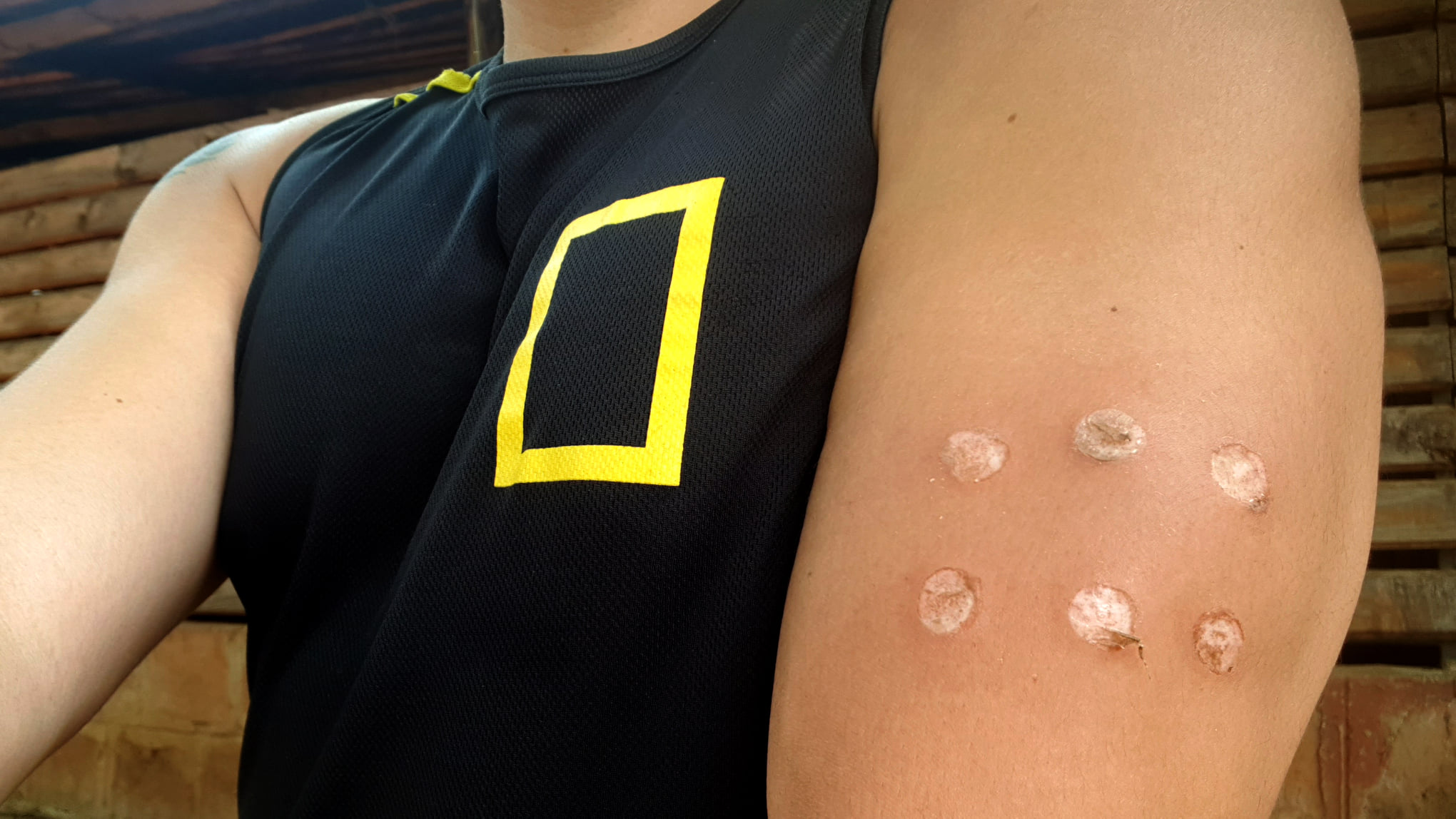
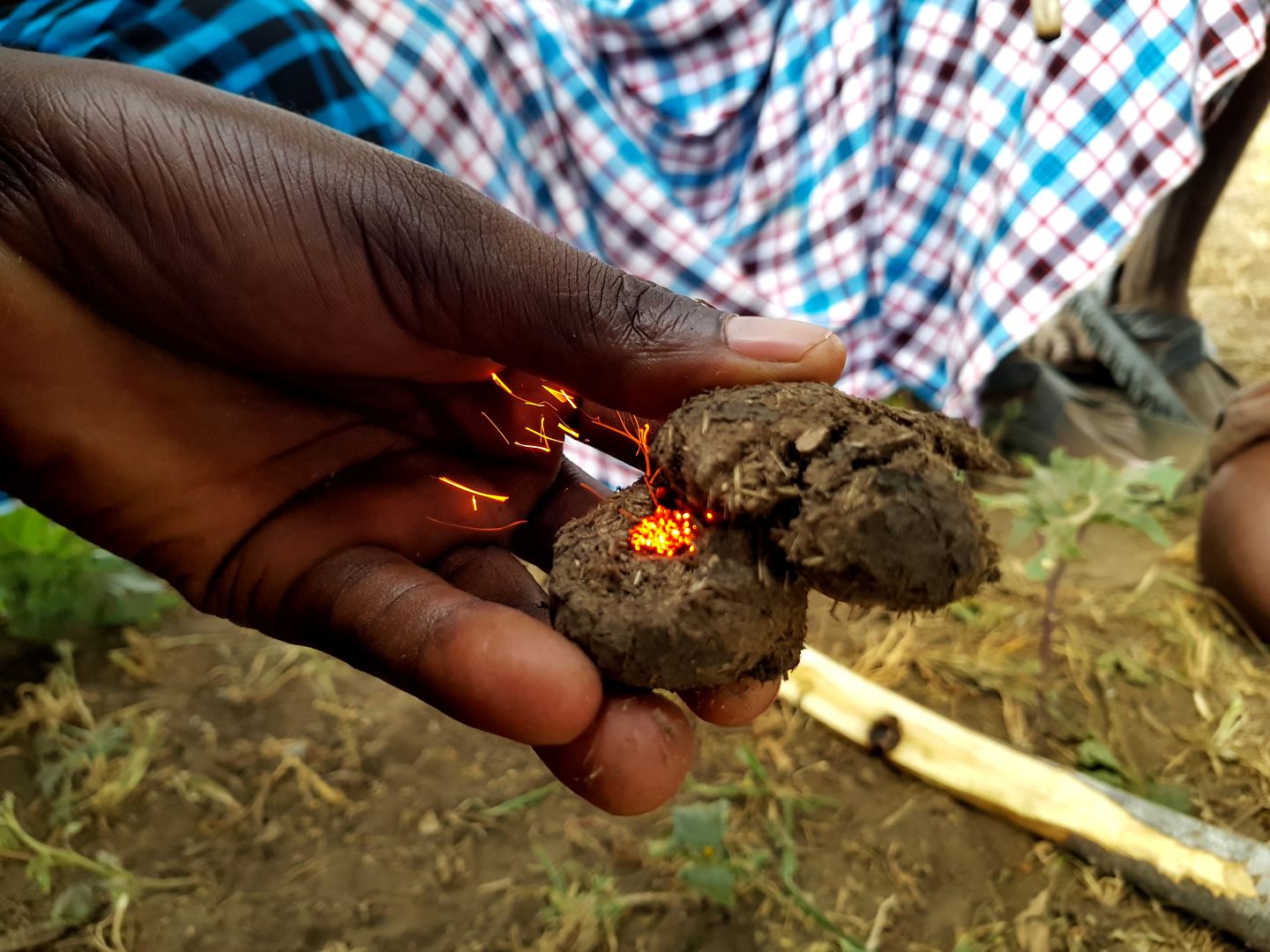
Though occasionally done for beauty, scarification is usually a rite of passage into adulthood or various tribal subgroups. Maasai moran undergoing scarification must exhibit bravery, strength and indifference to pain – crucial traits in battle. Maasai mamas or women undergo similar rites to show they can hack childbirth.
Almost all the Maasai I’ve met bore these strange but fascinating marks. I wanted to find out if I can endure one of their initiations.
Seared Into Flesh, Memory
This is gonna hurt like hell.
The first mark sizzles like a tiny star. The pain passes. I look at my arm. There’s a hole in it. And it smells like barbeque.
Emmanuel confers with the others before readying the red-hot stick for another poke. There will be six in all.
Years of martial arts training pay off as I lift my mind to another place. I barely feel anything.
Slaps on the back and cheers snap me back to reality. The ceremony is done: like the proud tribesmen surrounding me, I now bore the marks of a moran.
The rest of the day flowed like a dream: dancing the adumu, eating a bowl of dry ugali, walking with the tribesmen to visit cattle grazing on scrubby fields alive with swirling dust devils.
“Ashe oleng,” I say as we gratefully bid the legendary warriors farewell. They raise their spears and herding sticks in reply.
I have visited many tribes, but one will always stand out each time I look at my arm.
Our vehicle churns a dusty wake across the savannah as we leave the village of Malula, an unforgettable experience forever seared into my flesh and memory.
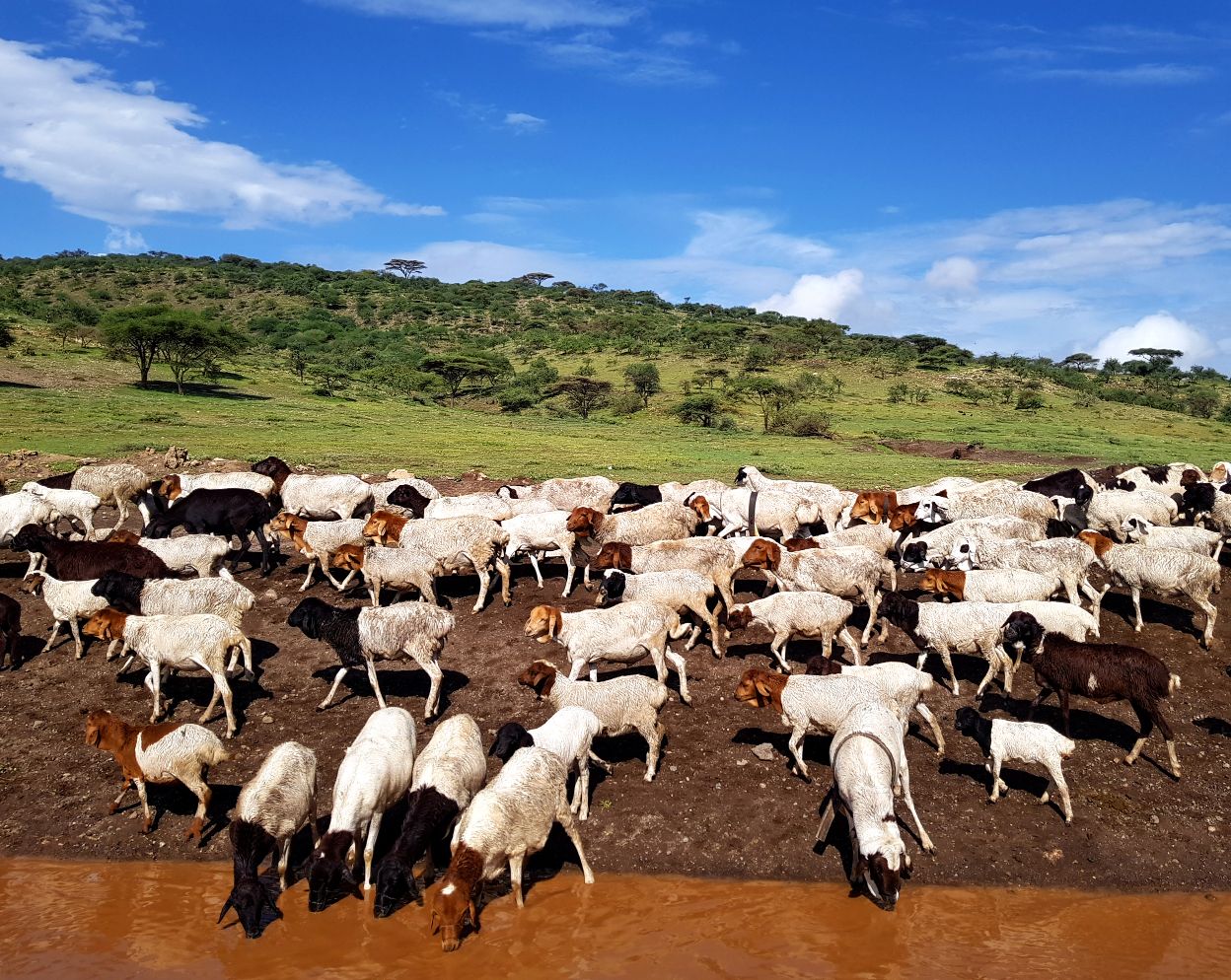
Goats and sheep also bulk up the tribal herd. “Goats are worth about USD100 each, while sheep go for $75 because they have oily meat,” said herder Frank Komesha. Malula boma, where I underwent the moran’s ceremony, had a sizeable goat corral at a tribe’s its center, full of aromatic little green goat-cannonballs.
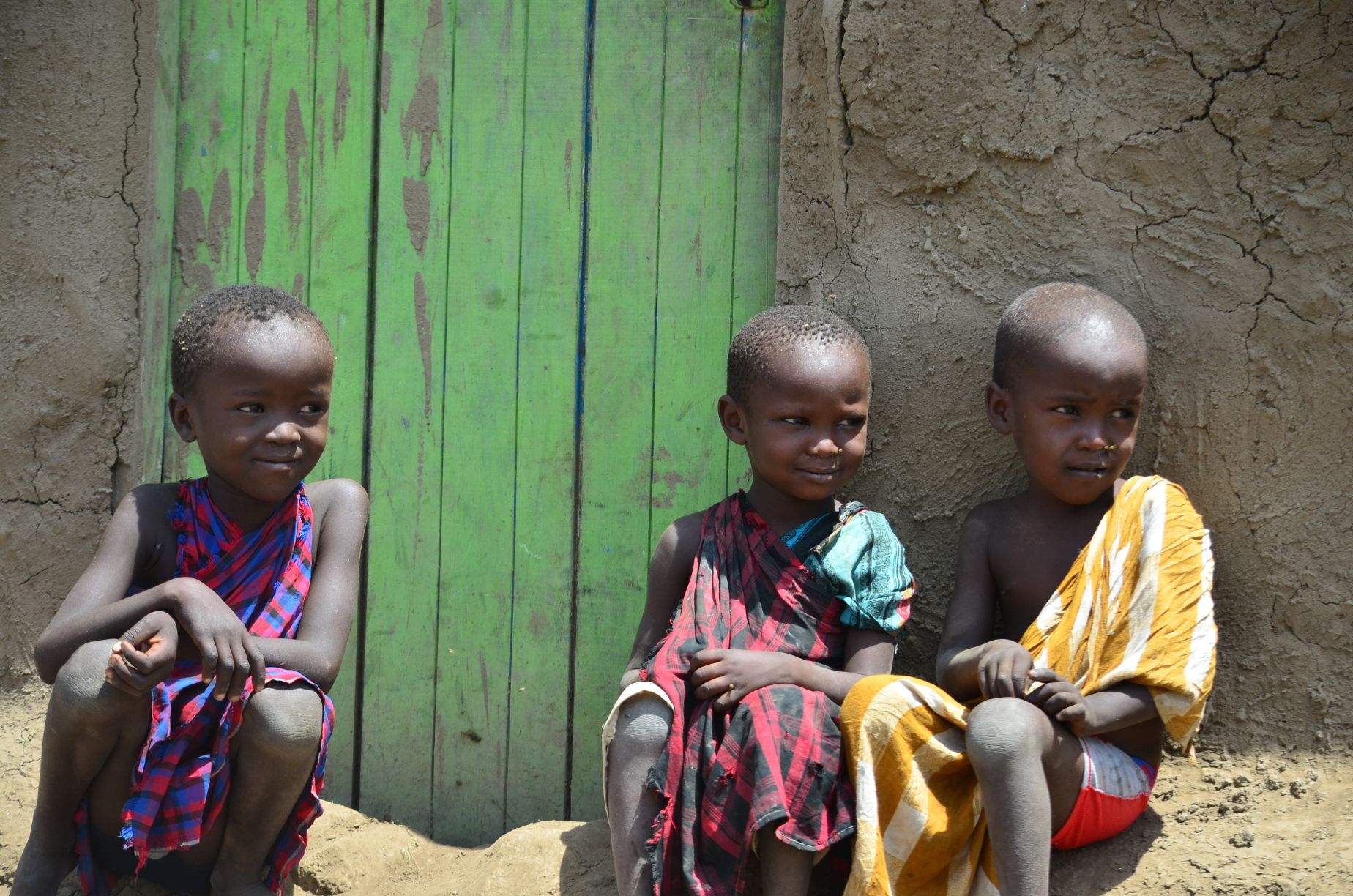
Like all children, Maasai kids are always chuckling and running around. The more kids a Maasai moran has, the higher his status in the tribe.
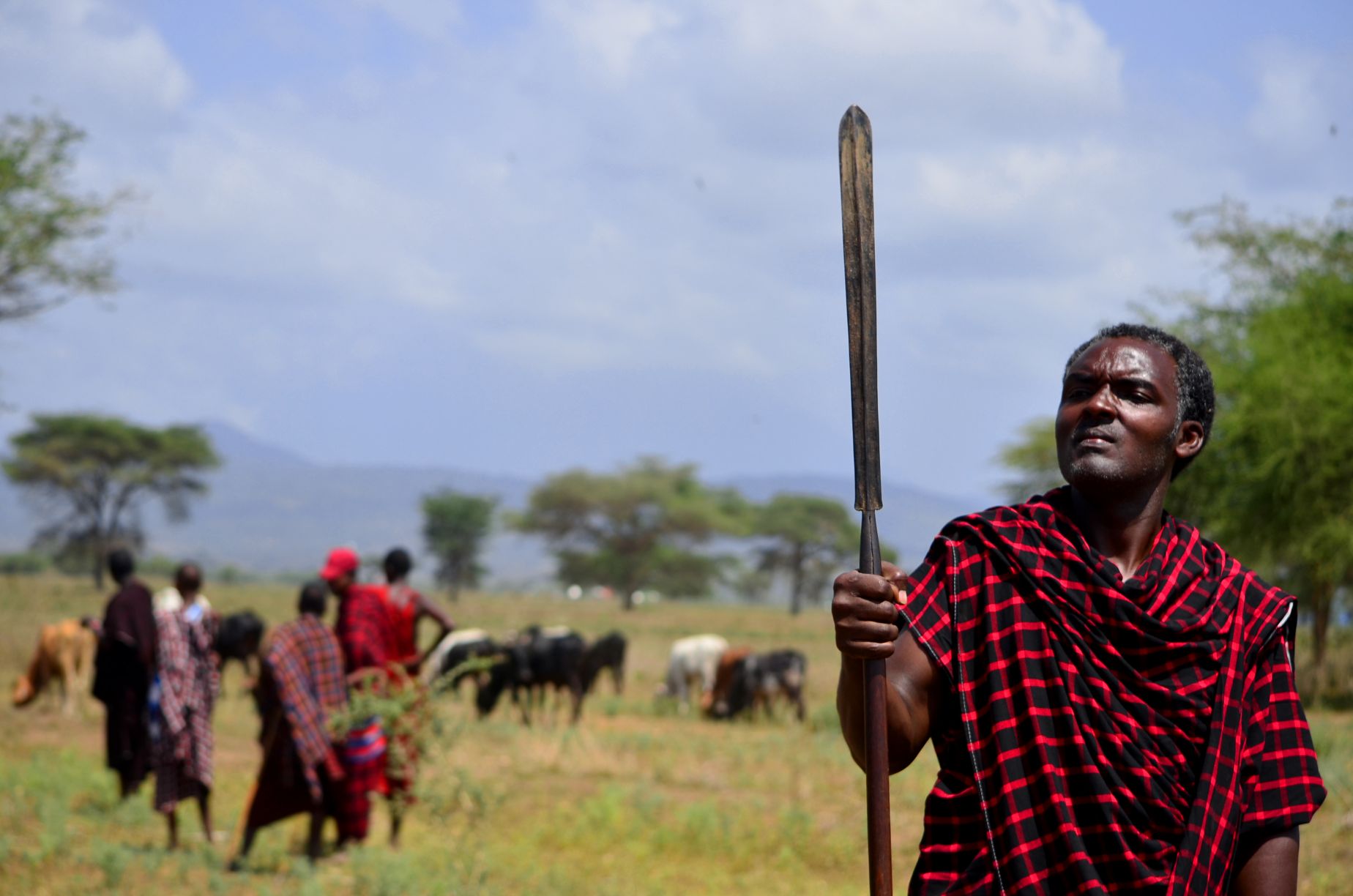
On the lookout for lions, spear-armed Maasai warriors guard their cattle at the boma or village of Malula in Tanzania, East Africa. In this part of Africa at least, the Maasai have kept their culture and traditions alive.
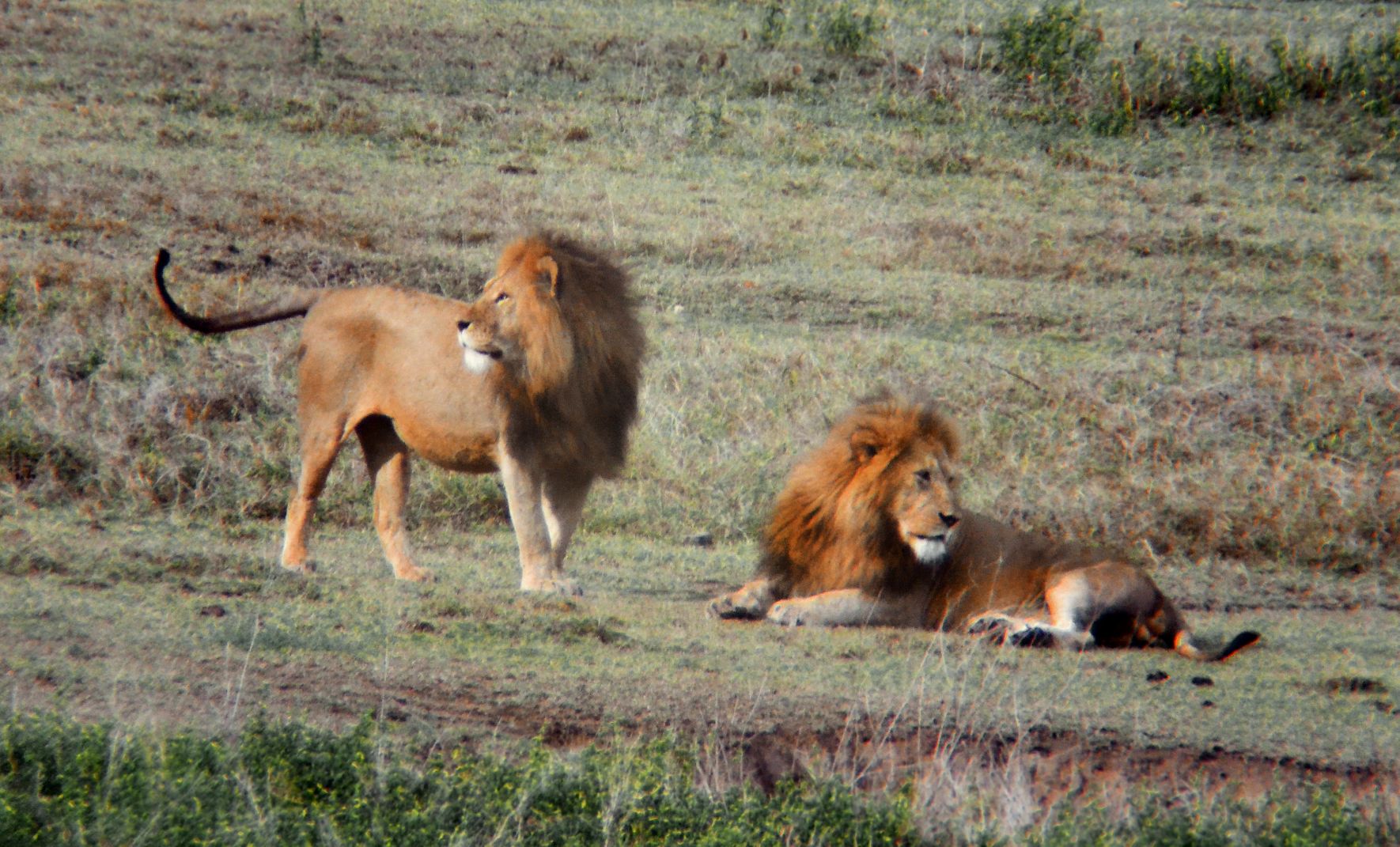
Simba is the Swahili term for lion. An imposing pair of black-maned males watch their flanks within Ngorongoro Crater. The Maasai were once formidable lion hunters. Warrior initiations are far less perilous nowadays.
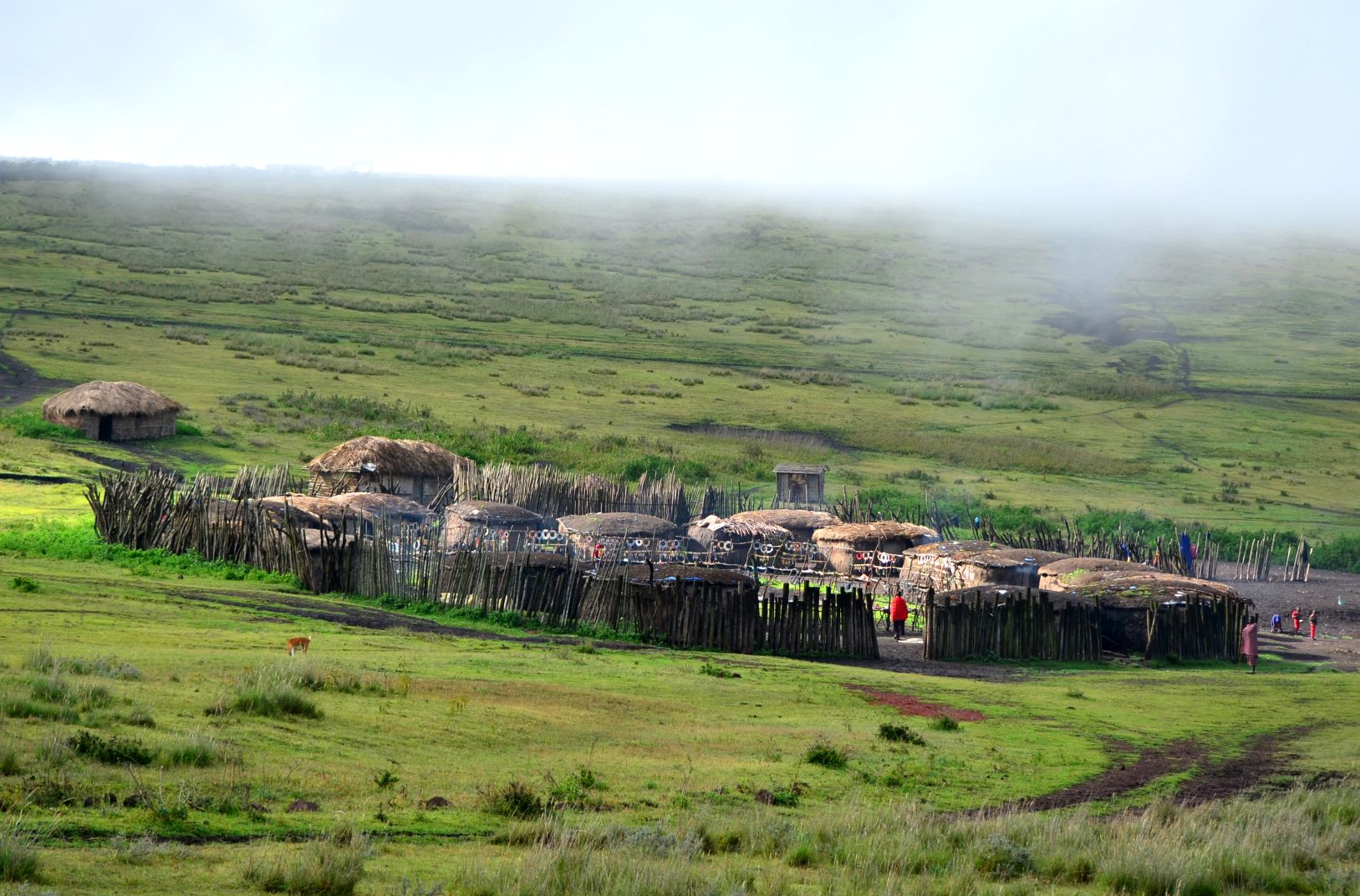
Enkaji or traditional homes are made of branches, mud and cow dung. They are surprisingly cool and comfortable inside, though most smell like sour milk, owing to the Maasai’s love for mtindi or homemade yoghurt.
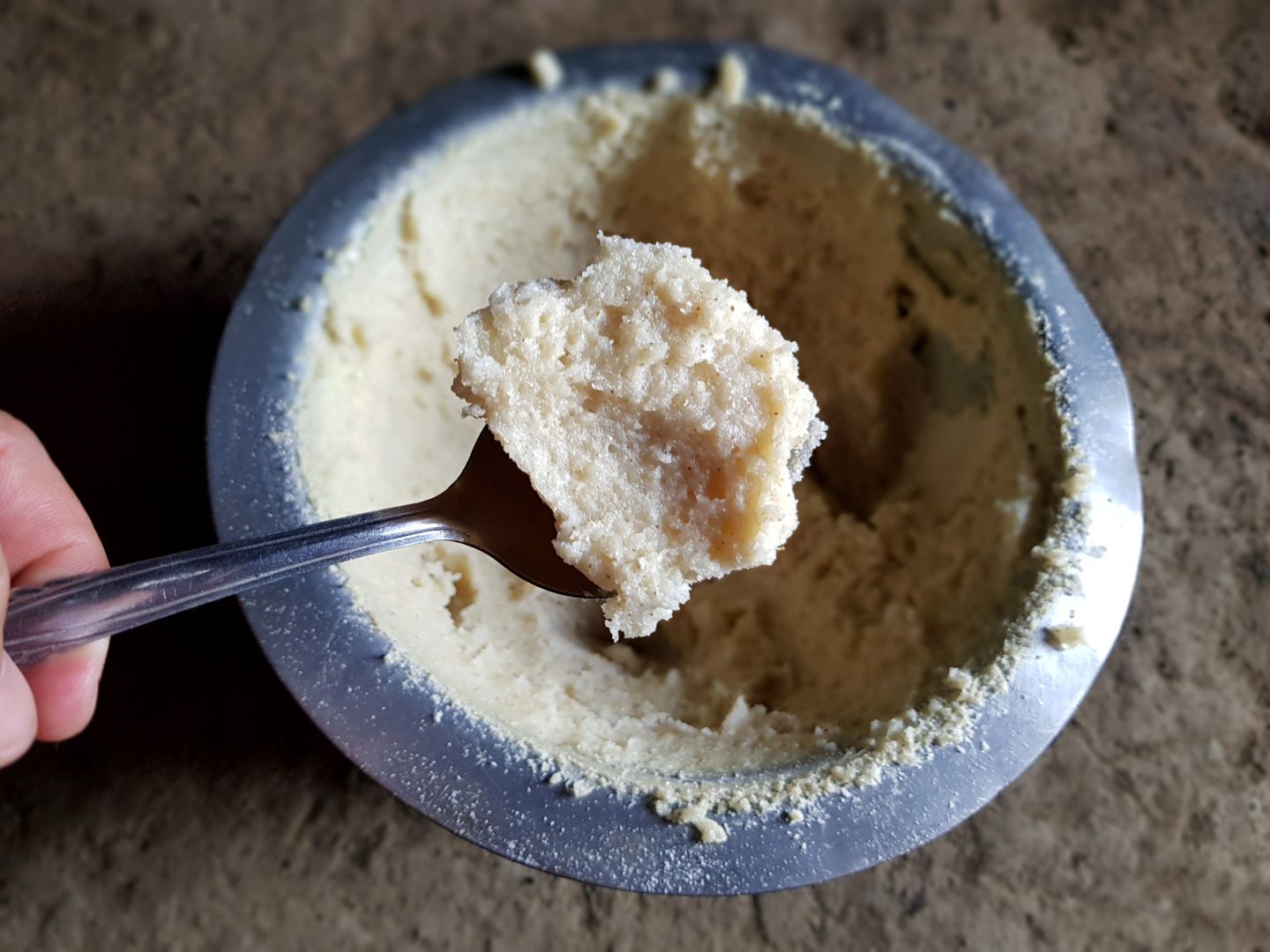
Ugali is a traditional meal of maize mixed with milk. It tastes like warm sand.
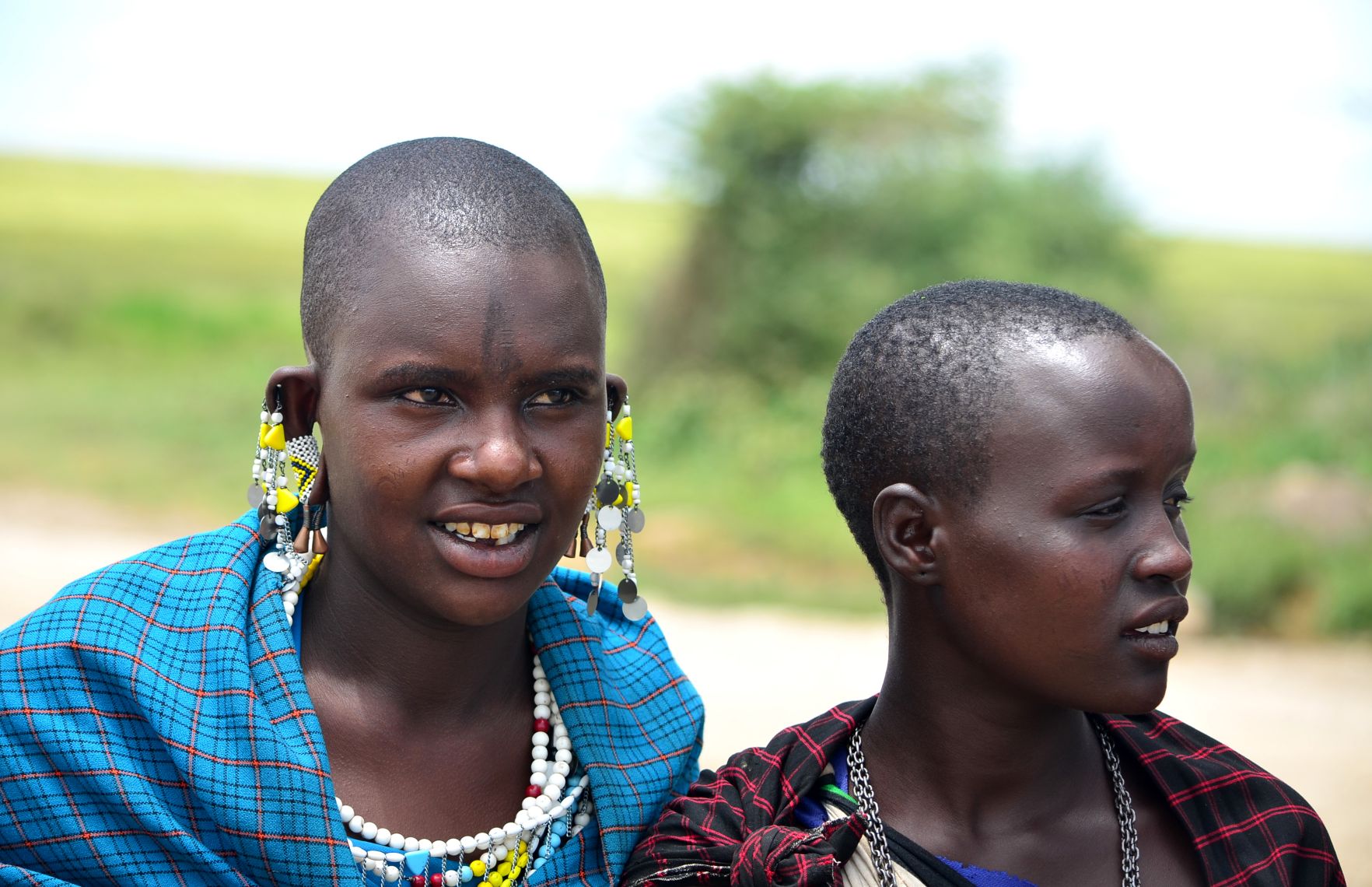
Smiles outshine jewelry worn by Maasai mamas near the Serengeti national park in Tanzania. Most Maasai women keep their heads closely shaved. Like moran, mamas sport distinctive scars, such as these half-moon and lion claw marks on their cheeks.
Tuku-tuku motorbikes are a modern moran’s steed, often heard screeching across the grasslands of Tanzania.