

The Philippines Is in the Top 10 Countries with the Most Number of Homeless People in the World

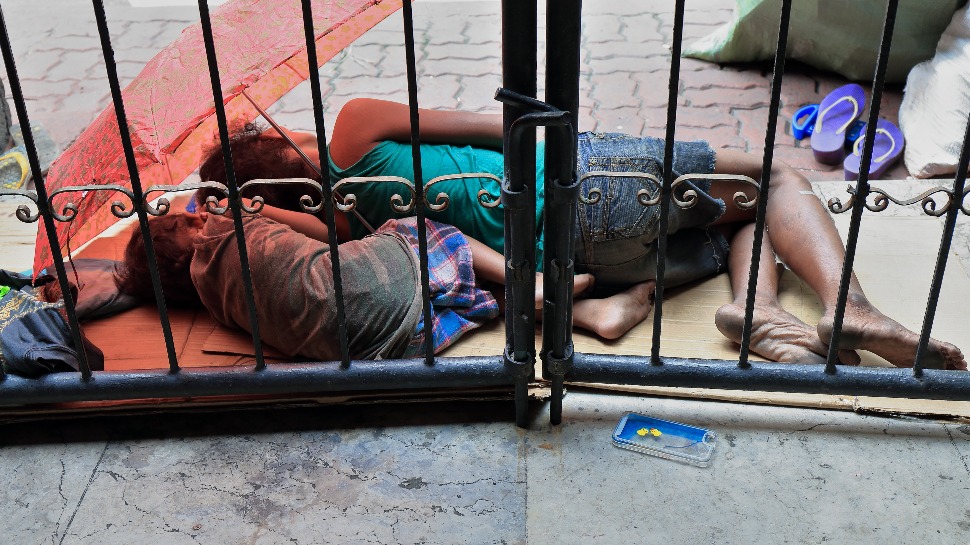
Homelessness is a global epidemic. It’s difficult to gather concrete data, but according to the World Economic Forum, there were an estimated 150 million homeless people around the world in 2021.
The website World Population Review has ranked countries with the most number of homeless people in the world for 2024 based on data from the Organization for Economic Development (OECD), a grouping of countries with market-based economies that collaborate to develop policy standards to promote sustainable economic growth.
ALSO READ
More Filipinos Became Poorer in 2021, PSA Says
1 in 4 Filipinos Is Ethnically Tagalog. Here's a Breakdown of Ethnicities in the Philippines
Based on the study, Nigeria is number one in the ranking, with an estimated 24.4 million homeless people, or about 11.5 percent of the country’s total population of around 214 million.
Second is Pakistan, with an estimated 20 million homeless, or about 8.6 percent of the total population of 231 million.
Third in the ranking is Egypt, with about the homeless population at 12 million, or 11 percent of its total population of 110 million.
Included in the top 10 list are Syria (6.568 million), Democratic Republic of Congo (5.332 million), Bangladesh (5 million), Colombia (4.934 million), and Afghanistan (4.66 million).
At ninth place is the Philippines, with an estimated homeless population of about 4.5 million. According to the United Nations Office of the High Commissioner for Human Rights, (OHCHR) about two-thirds of this number or about three million people, are in Metro Manila, which is more than any other urban area in the world.
In addition, of the total number of homeless people in the Philippines, about 250,000 are children in street situations (CISS), or children living either in the streets and other public spaces, or living in shanties in slum communities. According to the OHCHR, the number might be a gross underestimate as it might be as high as one million.
It should be noted however, that these estimates are from 2021, in which the country (and the world) were still grappling with the effects of the pandemic. It's possible that the number could have increased or even decreased since then.
Even with these estimates, the OHCHR acknowledges the limitations of the data. “The difficulty of addressing homelessness in the Philippines might rest in the absence of an overarching—if not uniform—definition of who the homeless are. The problem of definition has its practical implications, since certain governmental programs effectively yet inadvertently exclude the homeless,” the agency says.
While the government does have programs in place to address the needs and issues of the homeless—such as the Modified Conditional Cash Transfer for Homeless Street Families (MCCT - HSF) of the Department of Social Welfare and Development (DSWD) and housing services provided by the Department of Human Settlements and Urban Development (DHSUD), the OHCHR report says that, unfortunately, “most of these policies are focused on keeping the city ‘clean’ of the homeless, through interventions nudging them to go back to their provinces, or affording them grants for rental housing instead of prioritizing provision for in-city, permanent and affordable housing.”
