
Today I Learned: Rare Elephant Fossil Suggests Surprising Connection Between PH and Indonesia

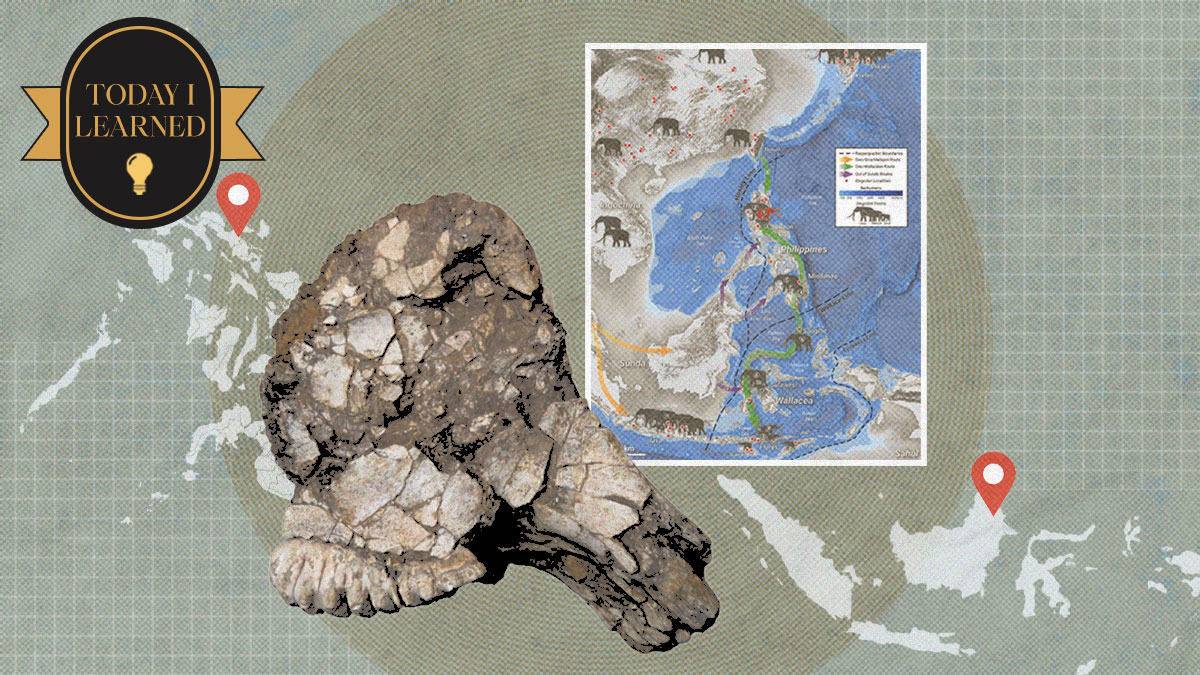
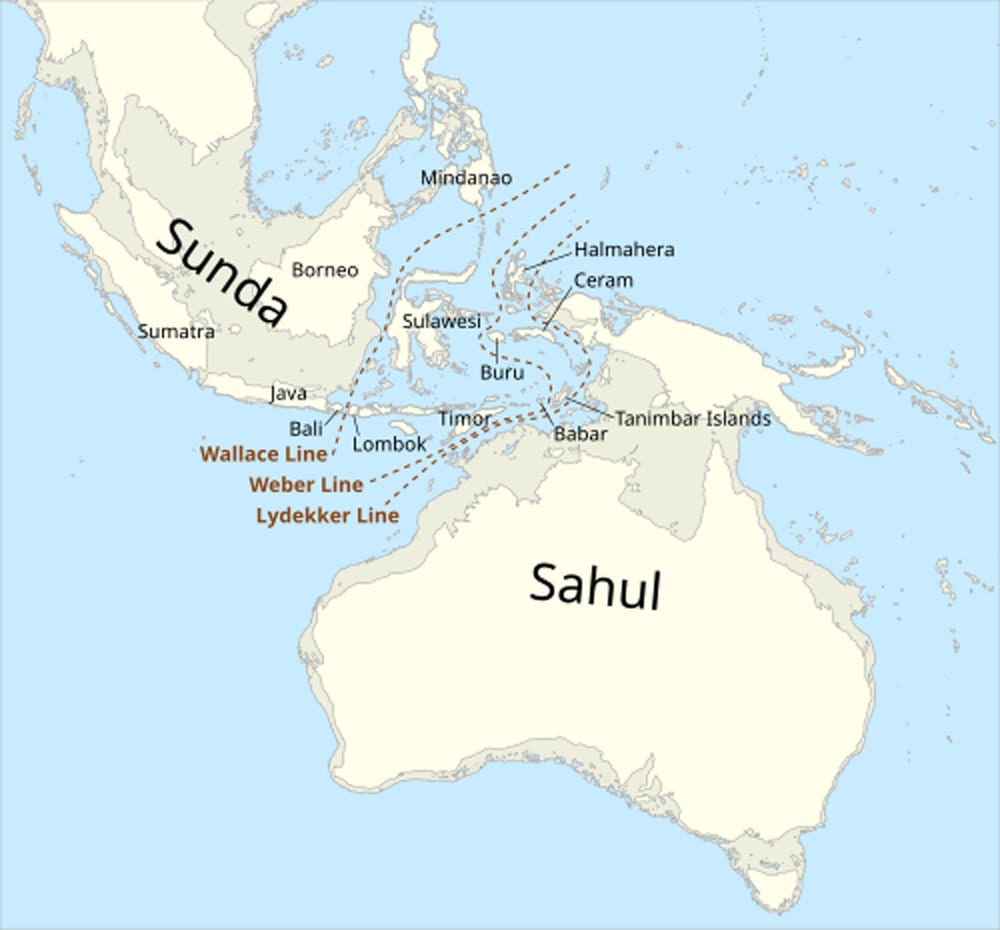
Indonesia and the Philippines, being neighboring countries of Austronesian heritage, share several similarities. Both are archipelagic nations in Southeast Asia with tropical climates, experiencing rainy and dry seasons. Their Austronesian ancestry is evident in their languages, with Filipino and Indonesian having many cognates (ex. "pintu" and "pinto," "aku" and "ako," "enam" and "anim," etc.) But the two countries' connections are not only physical and cultural, but also biogeographical. They share several global biodiversity hotspots, including the Coral Triangle for marine life and the Sundaland and Wallacea for terrestrial biodiversity. Supporting the commonality in the latter is the discovery of a rare fossil skull of a Stegodon, an extinct relative of modern elephants, in Solana, Cagayan.
ALSO READ:
Today I Learned: PH Geologists Found the First-Ever Global Record of a Swamp Eel Fossil
Fossils of Ancient Marine Creatures Discovered in Masungi
Results are published in an article titled "Island-hopping across the Wallace Line: A new Pleistocene Stegodon fossil skull from Luzon (Philippines) reveals dispersal links to Wallacea" on Volume 677 of Palaeogeography, Palaeoclimatology, Palaeoecology (August 2025). The description and implications of the million-year-old Stegodon skull are by Meyrick U. Tablizo and Dr. Allan Gil S. Fernando of the UPD-CS National Institute of Geological Sciences (NIGS), and Dr. Gerrit D. van den Bergh from the University of Wollongong.
The Ancient Elephant
The Stegodon skull was accidentally discovered along a creek in a cornfield in Lannig, Solana, Cagayan. While it was reportedly recovered from surficial soil deposits, it is believed that the specimen might have originated from a horizon either near or within the Liwan Pyroclastic Complex of the Pleistocene Awidon Mesa Formation.
The discovery of the skull is highly important. Not only are large animal fossils harder to find, but fragile skulls are also more fragile than teeth and tusks.
"Skulls are large, hollow, and easily broken before or during fossilization, so they almost never make it through thousands to millions of years intact," Tablizo explained in a press release from the University of the Philippines - College of Science. "That’s why most Stegodon fossils from the Philippines are just isolated teeth or tusk fragments, with occasional bone fragments." Other Stegodon fossils have been reported from several Philippine islands, including Luzon, Panay, and Mindanao.
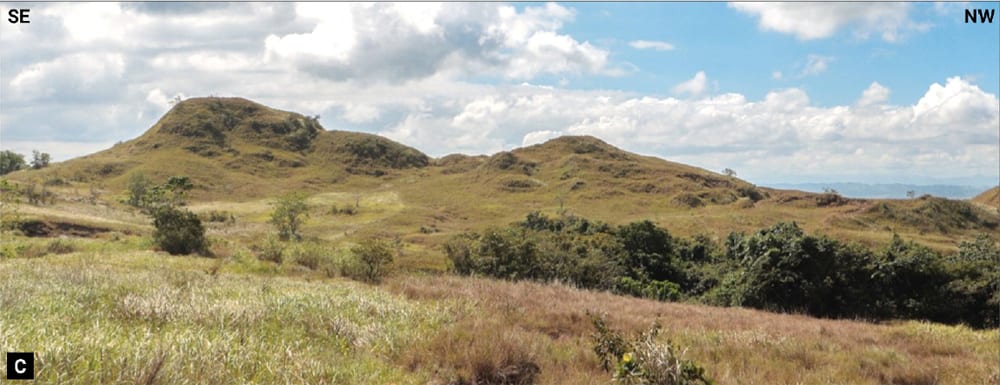
Field photograph of resistant ridges formed by multiple pyroclastic flow units exposed at Lannig.
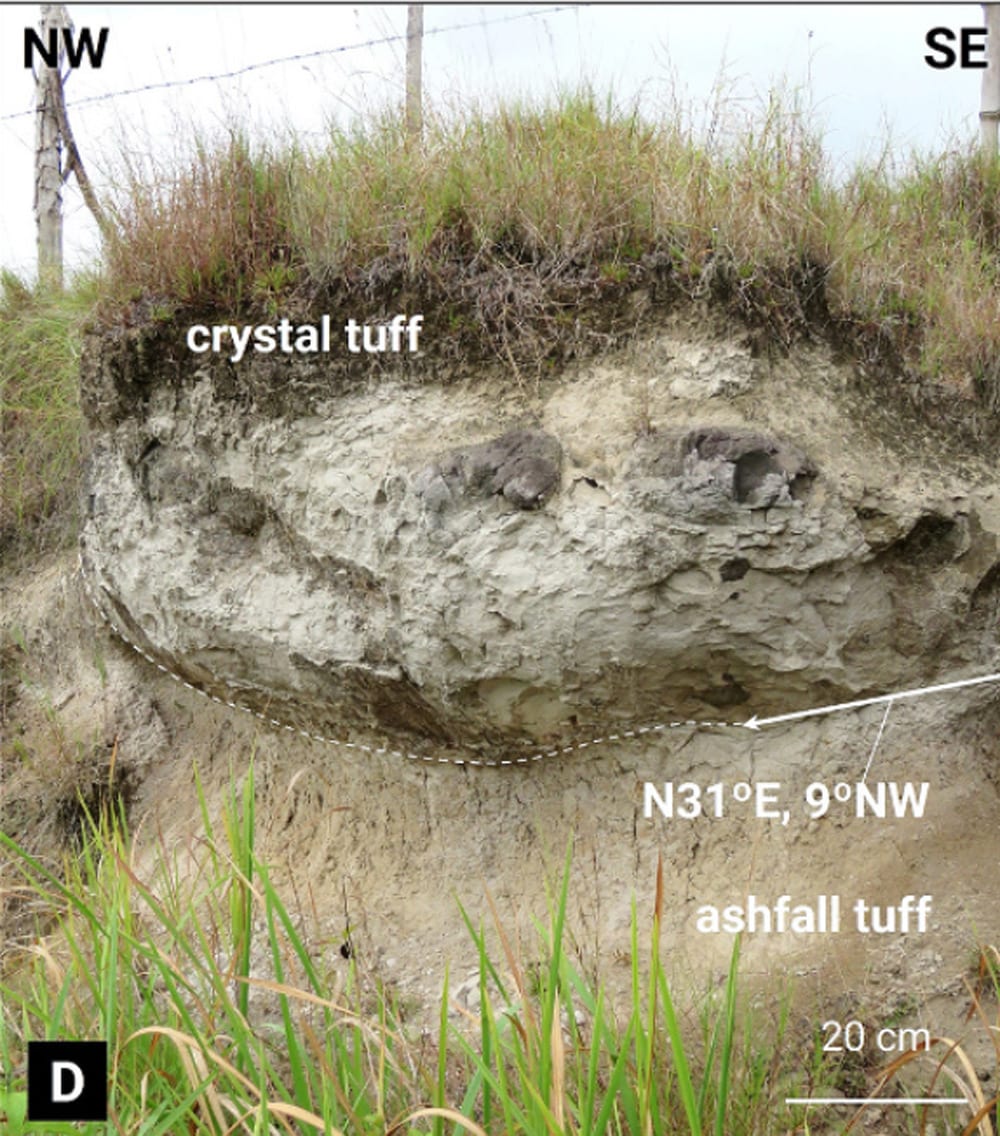
Tuffaceous deposits capping the upper flanks of the outcrop.
Having a cranial material in their hands allowed the paleontologists to finally make a breakthrough in the evolutionary history and dispersal of the Luzon Stegodon. Experts have placed its age in the late Early Pleistocene, possibly predating other known Philippine Stegodon fossils.
"We’ve known about Stegodon being here since the late 1800s, but until now, only teeth and tusk fragments had been studied sparsely," added Tablizo. "A skull is much more informative because it helps us determine which other Stegodon populations this animal was related to and how it might have reached the Philippine islands."
Between the Seas of the Philippines and Indonesia
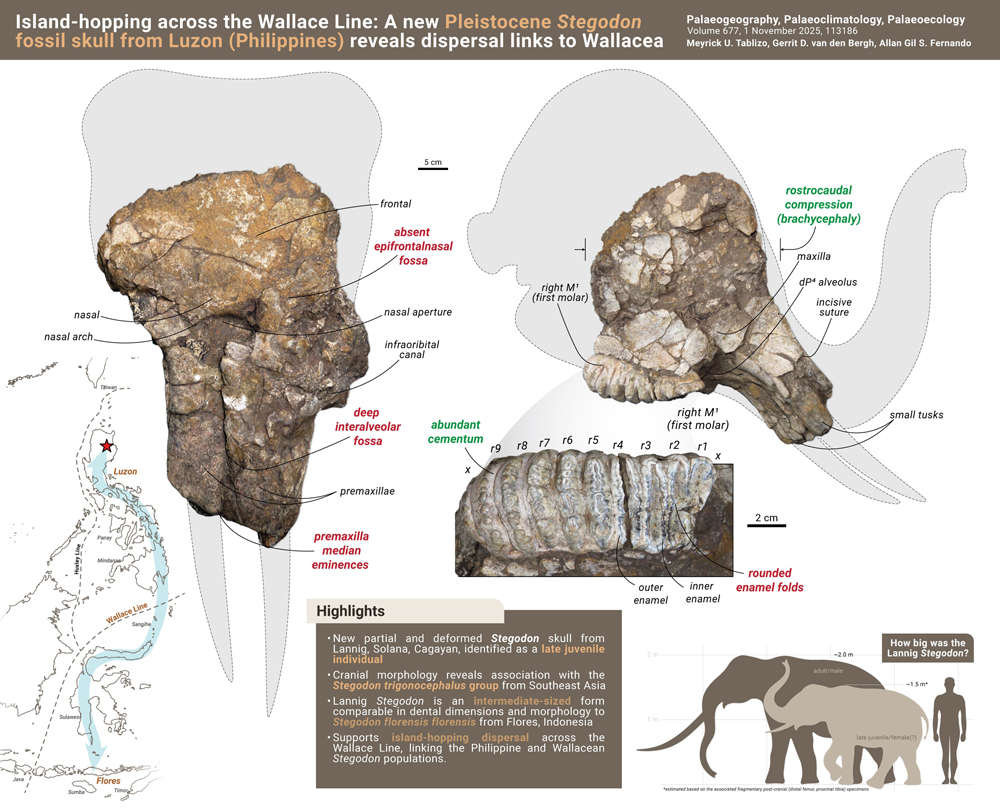
Despite being heavily deformed and fragmentary, the Stegodon skull still has preserved portions of the frontal and nasal bones, right maxilla with a complete right check tooth, fragments of the left maxilla with the root of the missing left cheek tooth, and both premaxilla (incisive) containing proximal tusk segments within the alveoli. In other words, considerably intact.
This dental morphology shows this particular Stegodon found in northern Philippines to have morphometric similarity to the late Early to Middle Pleistocene S. f. florensis of Flores (Indonesia) and the Middle Pleistocene Stegodon sp. B of Sulawesi and Sangihe (Indonesia). It also suggests that the Stegodon is a late juvenile, a "teenager," Tablizo said.
"Its features match those of Stegodon from Indonesian islands like Sangihe, Sulawesi, and Flores," the scientist added. "This means that these ancient elephants were strong swimmers, able to cross open seas and island-hop, as there were no land bridges connecting these islands."
Findings by Tablizo et al show that the Lannig Stegodon, Stegodon sp. B, and S. florensis form a clade within the the S. trigonocephalus group, which has a presence in the Philippines and Wallacea (Sulawesi, Lombok, Sumbawa, Flores, Sumba, Timor). Throughout the Pleistocene, these islands remain geographically isolated, suggesting that the evolution of the Stegodon required a series of island-hopping dispersal events across the Wallace Line.
Ancient Elephants in the Philippines
The findings also suggest that Luzon may have hosted at least three different forms of the Stegodon: a large-bodied type, a smaller "dwarfed" type, and the new intermediate form. But as a disclaimer, the researchers wrote in their study: "Despite this distinction, we refrain from formally naming this taxon due to the still poorly known Stegodon materials from Luzon, pending systematic revision." As of writing, tentative taxa reported in literature include: S. cf. trigonocephalus, S. luzonensis, Stegodon sp. A, Stegodon sp. B, Stegodon sp., S. cf. luzonensis, and a dwarf Stegodon.
Nonetheless, if corroborating evidence shows that a small-sized form did exist in Luzon, it would prove that the Philippines has a more complex history of these ancient mammals than previously thought.
These factors: one, the presence of multiple-size classes in Luzon; two, the presence of Stegodon sp. B in both Sulawesi and Sangihe; and three, the absence of narrow-toothed forms in Sundaland, all support Luzon as a possible evolutionary and biogeographic source of this insular clade, Tablizo et al added in their conclusion.
Accidental Discoveries
This discovery, an accidental one, is a milestone. But with few paleontologists in the country, chance discoveries by locals are valuable. Tablizo emphasized that it's not only the fossil itself that contributes to the field. The place where it was found, the layer of earth it came from, and other nearby remains are equally important.
"If someone happens to encounter a fossil, the best step is to contact the Nannoworks Laboratory, the Paleontological Society of the Philippines, or the National Museum of the Philippines. This ensures the find is properly studied and preserved, and it might even become a key piece in understanding our natural history," he concluded.
Source: Tablizo, Meyrick U., et al. “Island-hopping Across the Wallace Line: A New Pleistocene Stegodon Fossil Skull From Luzon (Philippines) Reveals Dispersal Links to Wallacea.” Palaeogeography Palaeoclimatology Palaeoecology, Aug. 2025, p. 113186. https://doi.org/10.1016/j.palaeo.2025.113186.
