
Digital Solitude: The Urgency of Limiting Your Scrolling

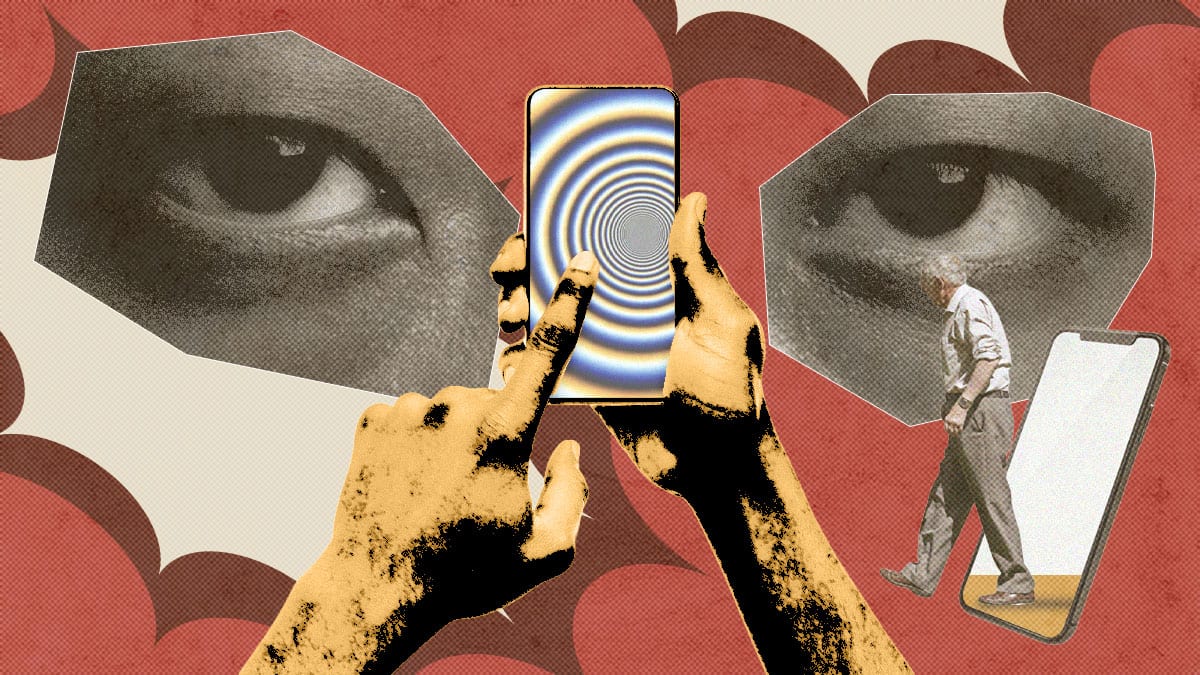
The Netflix mini-series Adolescence presented me with a new worry as a parent raising kids in the digital age. I grew up in a different time: at age 11, I was the first in my family to have an e-mail address. Even though it was free and easy to create one for themselves, my parents used to ask their friends and coworkers to send me messages addressed to them. And because my room had a phone jack, I was able to enjoy a kind of privileged private access to the Internet through the family computer. Of course, it led to questionable conversations with strangers in unmoderated chat rooms and unsolicited porn pop-ups while downloading songs on LimeWire.
ALSO READ:
Is Digital Life Rewiring the Way Men Love?
Today I Learned: Masculinity Is a Predictor of Help-Seeking Behavior
But what I didn’t have in that pre-social media era was unlimited access to doomscrolling, cyberbullying, and The Algorithm, which today’s young people are subjected to while their brains are still forming. And while, as a parent, I’ve been worried for a while about the future of the world, and what it means for my child and their generation, Adolescence gave me a new and specific anxiety.
Watching that first episode, I wasn’t necessarily shocked by the horrific consequences of the digital realm intersecting with a young person’s sense of isolation. I know it sucks to feel like everyone’s happy while you’re not. What bothered me was this: I found myself scoffing at the teenager trying to explain the Red Pill world to the adults. What unrealistic premise is this, I thought, as I googled "red pill." The term, co-opted from The Matrix by male-supremacist fora, is used as a metaphor for "waking up" to the belief that society is dominated by inherently manipulative women. Like the teen in Adolescence, many see "red pill" communities as radicalized towards misogynistic ideologies that sometimes include acts of violence.
I was shocked by my own ignorance. Falling into the rabbit hole changed my algorithm—and my understanding of the generational expanse between my LimeWire childhood and my kids’ post-manosphere reality. So I dug in: what is the state of digital solitude today? What are the lived consequences? And what can we do to protect them, and ourselves, for that matter?
What is the state of digital loneliness today?
In the late 1900s, as I waited impatiently for the dial-up modem to clank its way to The Net as we called it (thanks, Sandra Bullock), I wholeheartedly believed that connectivity equaled connection. I lived abroad at the time, and I understood that getting online meant getting to my friends and family back home in the Philippines. In 2025, when I hear phrases like "hyper-connected" and "terminally online," I understand the implicitly derogatory tone. Access to the Internet, we’ve learned since the days of that distinct dial-up sound, does not translate to access to a healthy sense of self and genuine bonds with others.
I’m not alone in realizing this. Multiple recent studies show that increased screen media use often correlates with a sense of isolation and poor relationships.
One global statistic from the World Health Organization reveals that one in six people worldwide experience loneliness, with rates highest among teenagers aged 13 to 17 years at about 20.9 percent. This age group also shows increased loneliness connected to mental health issues like anxiety and depression, exacerbated by social media exposure, which encourages constant comparison and the pursuit of social approval, as well as reduced in-person socialization.
A systematic review (BMC Psychology, 2023) of 50 studies affirms that excessive screen time in adolescents is associated with anxiety and depression. Moreover, a 2024 study (JAMA, 2025) highlights how addictive patterns of screen use (defined by compulsive checking, emotional dependence, and withdrawal when offline) were directly linked to a two- to three-fold increase in suicidal ideation and self-harm among youth over a four-year span. What’s notable about this study is that it shows how the quality of screen use, rather than the quantity of screen time, had the biggest impact on subjects.
However, other studies (AMA Journal of Ethics, 2023) reveal that the relationship isn’t as causal or clear-cut as expected. The scrolling-to-isolation pipeline doesn’t flow in just one direction: too much internet can make someone feel lonely, but being lonely could also drive someone to seek connection through the Internet. Likewise, the drawbacks of being terminally online don’t depend on just one quantity of internet exposure, but also on the activities involved and their interaction with other life factors such as sleep, physical activity, and real-life relationships.
The same article cited above also shows that, unsurprisingly, this pattern extends into adulthood. It shows how, especially since the onset of the COVID-19 pandemic, excessive internet use has been linked to worsened loneliness. And because men in particular experience stigma for help-seeking behaviors, the Internet over-users from this specific demographic are throwing up some worrying statistics on the board.
A 2021 study (Survey Center on American Life) showed that 15 percent of men claim they have no close friends, a 12 percent increase from 1990. Meanwhile, a quarter of men under 35 report feeling lonely compared to 18 percent of women (Gallup, 2025). Paired with the fact that the 2023 suicide rate among males was four times higher (CDC) than the rate among females, and how a 2025 report showed 20 percent of male respondents believed violence against women to be justified—the big picture of men’s digital solitude becomes bleak.
Prolonged screen-time and hyperconnectivity, more than just a time-suck, shape and displace real-world rituals of relating to others, fragment the psyche with addictive and emotionally erosive reward loops, and create a counterfeit sense of being connected while being actually alone.
Will touching grass make a real difference?
Yes, the data suggest it can.
For all our cultural jokes about "touching grass," research shows that reducing screen time could demonstrably decrease behavioral issues in children and depression, stress, and poor sleep quality in adults. In the same vein, replacing scrolling hours with time outdoors or in real-world social activities shows lofty mood gains and improvement in inter-personal communication, particularly in young people.
Literally touching grass, then, becomes an act of social and emotional repair. Limiting screens interrupts the loop of hyper-stimulation and social comparison, while reintroducing physical human and environmental interaction.
Tips on how to unplug from the digital realm
- Practice screen hygiene: designate phone-free zones (bed, dinner table) and set times for offline hours.
- Carve out time for human-to-human rituals: sports, a standing friend dinner, mentorship, church, game night, etc.
- Sharpen your digital literacy: be aware of emergent trends in mis- and disinformation, recognize how content is designed to addict, and understand the difference between scrolling as a form of avoidance vs. engaging with a community online.
- Monitor not just hours but behaviors: Is device use interfering with sleep, relationships, mood? These are stronger signals than the number on your screen time report.
- Treat your brain like a kid you love: If you can conceive of how important it is to limit children’s and adolescents’ screen time for their mental development, show yourself the same care. Being an adult does not make you invincible.
The bottom line: unplugging is not a silver bullet. We need to recognize that the pipeline from unli-scrolling to harm is nuanced and impacted by a wealth of variables. There is no clear-cut antidote. But qualitatively better relationships, intentional offline focus, and digital boundaries, no matter what generation, can only help.
