

Beneath the Cool Girl Exterior: Why Female Rage Films Are All the Rage

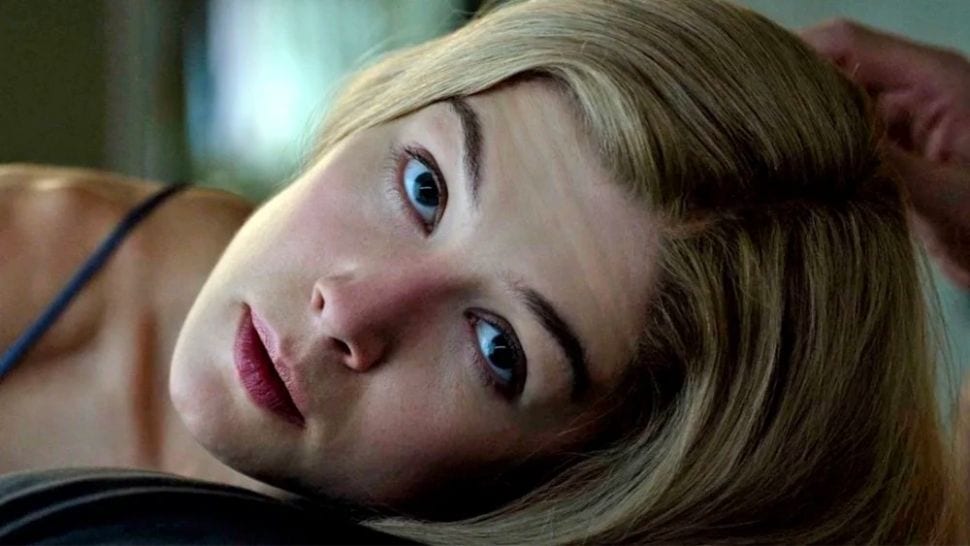
“Men always say that as the defining compliment, don’t they? She’s a cool girl…Cool Girls never get angry; they only smile in a chagrined, loving manner and let their men do whatever they want. Go ahead, shit on me, I don’t mind, I’m the Cool Girl.”
— Gone Girl, Gillian Flynn
This is an excerpt from Gillian Flynn’s 2012 novel Gone Girl. It’s a mystery-thriller that follows the story of Nick Dunne, who becomes the primary suspect in the presumed murder of his wife, Amy. Spoiler alert: Amy meticulously plots every single detail of her disappearance to frame him.
The novel’s film adaptation is one of my favorites to date, not because I’m a misandrist who takes pleasure in the suffering of men (dudebros are quick to say this), but because it was able to show the complexity and emotional depth of women. Amy was smart and charming just as much as she was wicked and cunning.
Throughout history, female rage in media and literature has often been contextualized in a way that satisfies the male gaze and reaffirms sexist stereotypes. The bullied girl snaps and finally fights back, the scorned girlfriend becomes the psycho ex, and the rape victim turns into a revenge murderer. Our anger is never seen as virtuous or noble, like when John Wick would stop at nothing to find the intruders that killed his dog, or when the Joker murdered people to make a point about social safety nets.
When women get written with anger powerful enough to move the story, they are almost immediately villainized in the public eye. They imply that rage is an irrational emotion. B*tches be crazy, right? Well, “crazy” calls into question an angry woman’s capability to make sound judgments, thus effectively silencing her. It’s the easiest way to end an argument and excuse the offender from taking responsibility for their actions. That section of Amy’s iconic monologue underlines how anger is often seen as unbecoming of a “good woman”. It also highlights how people have come to associate conformity with desirability. Welcome to the patriarchy, submission gets you social capital here. You’ll love it!
The breadth of anger that women feel while dealing with everyday harassment and misogyny seems to be incomprehensible to many, especially men. It reminds me of this interview with Charlize Theron at the Cannes Film Festival during the promotion for Mad Max, where she plays a rather intense persona. A reporter asked how she channeled rage to play her character, and Theron responded with, “Uh surprise! Women have that. I’m not the only one.” As if the very thought of women feeling anything other than soft, mushy emotions is a revelation.
ALSO READ:
The Gentleman’s Guide to Being a Feminist
These 15 Feminist Books Will Inspire, Enrage, and Educate You
The reality is, women have just been conditioned to respond to suffering with sorrow and misery. We are expected to hold our pain quietly, and gratuitously perform the role we have been assigned since birth—the damsel in distress, with beady eyes and a lone teardrop rolling down our cheeks, begging to be rescued. And if we don’t wear our victimhood like a badge? Our grievances are doubted, challenged, or dismissed altogether.
In fact, women themselves internalize this standard, too. A study by Ann Kring, published in Cambridge University Press, found that women feel ashamed and uneasy after an anger episode. They believe anger displays are less “appropriate” than in men. It’s even reflected in the adjectives used to describe angry women: hostile, catty, bitchy. Men who behave the same, on the other hand, are labeled strong, assertive, and bold. So we repress the anger, and substitute it with words like “disappointment” or “frustration.” Perpetually making ourselves smaller, even subconsciously.
Soraya Chemaly dives into the profundity of female rage in her book, Rage Becomes Her; she says anger is a smoke signal that alerts us that our boundaries and liberties have been violated. Hence why women are taught to shield themselves from the utter wretchedness of it. Chemaly writes:
“Anger remains the emotion that is least acceptable for girls and women because it is the first line of defense against injustice... By effectively severing anger from “good womanhood,” we chose to defer girls and women from the emotion that best protect us against danger and injustice.”
Today, there is plenty to be angry about. Furious, even. We continue to live in a world where respect is hard-earned rather than intrinsic. A society where women have to maintain composure and poise in any given situation if they wish to be taken seriously; all while watching men cruise through life effortlessly, doesn’t matter if they have the emotional intelligence of a toddler.
It’s no wonder why characters like Amy Dunne—real, layered, and sometimes, morally gray—speak to so many women. They provide a certain catharsis for the so-called “ugly” emotions we are unable to express, those that we go out of our way to hide beneath the Cool Girl exterior.
