
San Jacinto in My Mind

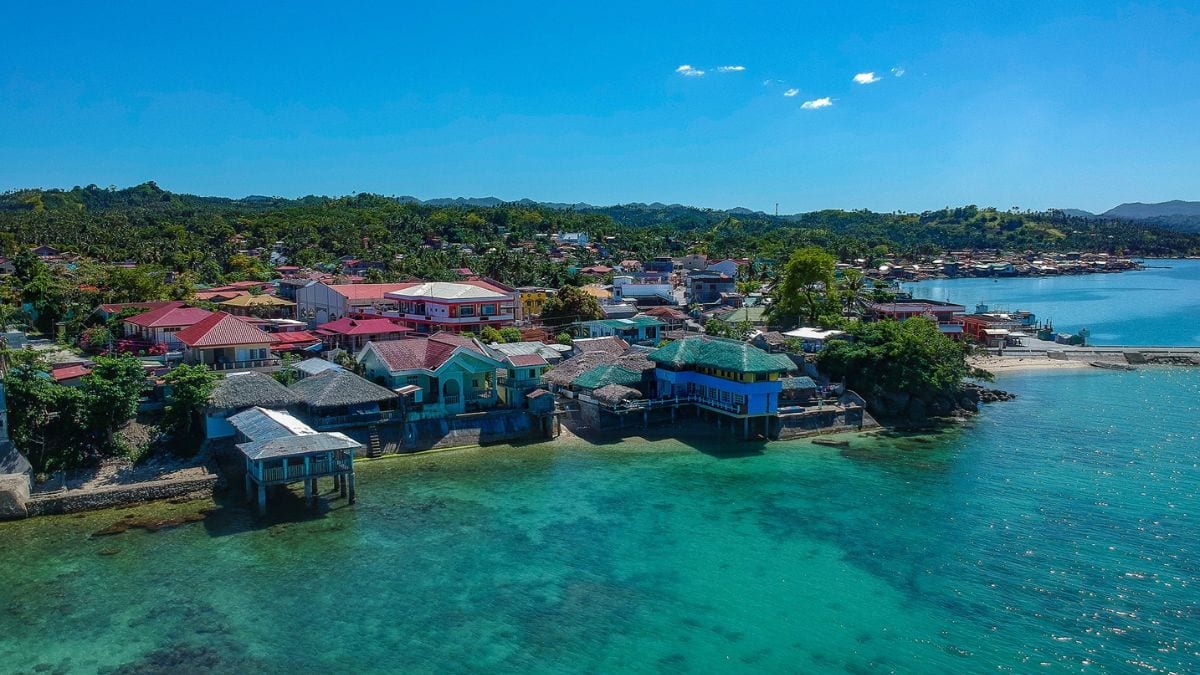
French novelist Marcel Proust once said that the real voyage of discovery consists not in seeking new landscapes but in having new eyes. And like a gust of warm sea breeze, that line often returns to me, especially when I think of the hometown that raised me—San Jacinto, Masbate. Population: 29,686, at least according to the 2020 census.
I haven’t visited Ticao Island, where San Jacinto is located, in half a decade. After both of my grandparents passed away pre-pandemic, I found no compelling reason to visit. Yet that place has always been in my mind. It never left. It will always be somewhere I reach out to when I need to be reminded of how nurturing a place could be.
Lately, the longing has returned, louder than ever. Or maybe it’s just how memory works: it waits for a still moment, then slips in uninvited. Whatever the reason, San Jacinto has been calling again—not as a destination, but as a refuge I suddenly need.
Tacdugan
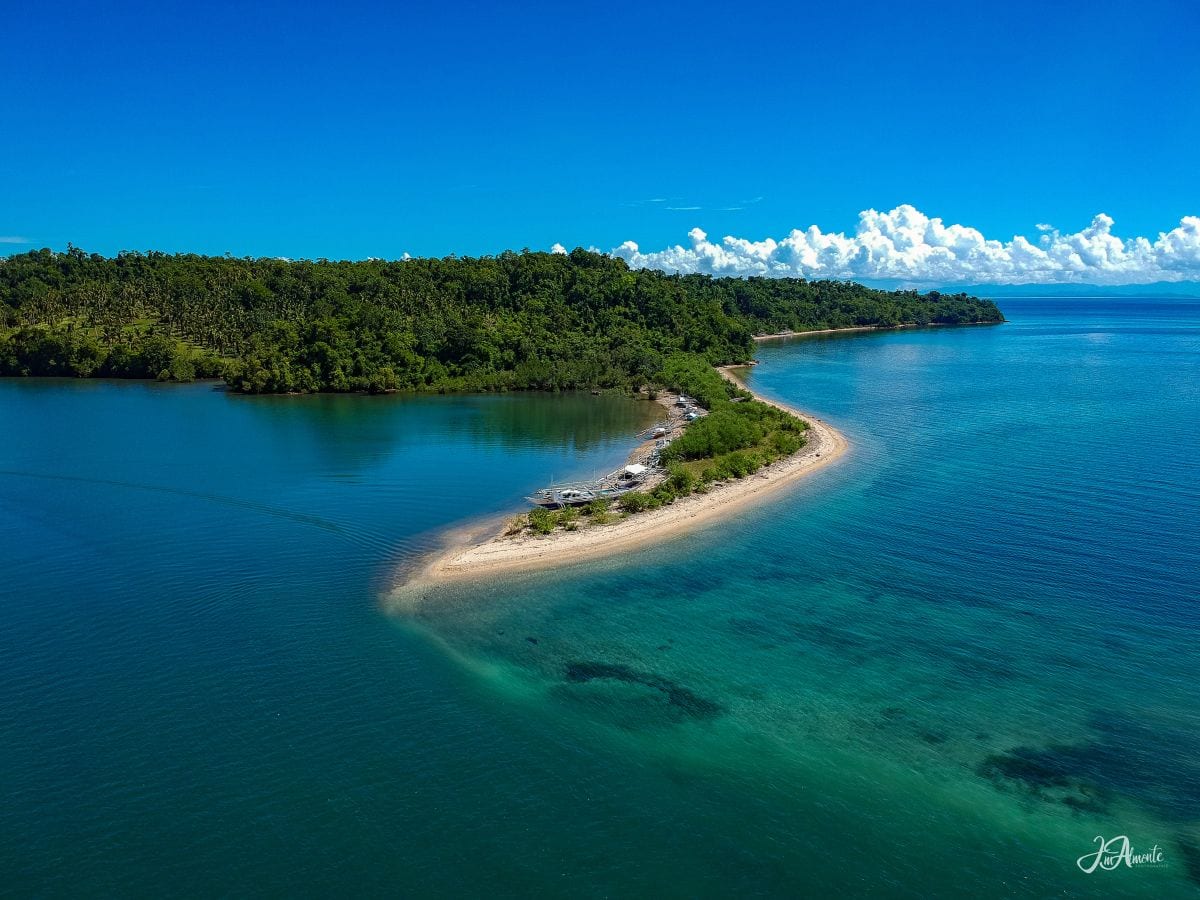
San Jacinto is an out-of-the-way piece of heaven, one you must take a machine-propelled fast craft to reach. Yet big ships from cities far and wide have begun offering daily trips there—solid proof of its steady progress. From the Port of Bulan in Sorsogon, should you decide to take this route, the first thing you will notice is how the gentlest waves undulate over the silken sea. But waves don’t come gentle here all year. From December to February, they can turn rough and frightening.
Yet that rocking motion, swaying to the rhythm of the strait’s curves, will soon give way to our own version of infinity and beyond. Do not forget to look up. You will never see a finer blue around. With its swirling clouds taking the shapes of pigs in a meadow, of a million monarch butterflies, of Bato sa Puro and rolling hills—a story can unfold. And just as quickly, the shapes will shift again.
Ticao Island Resort in Tacdugan
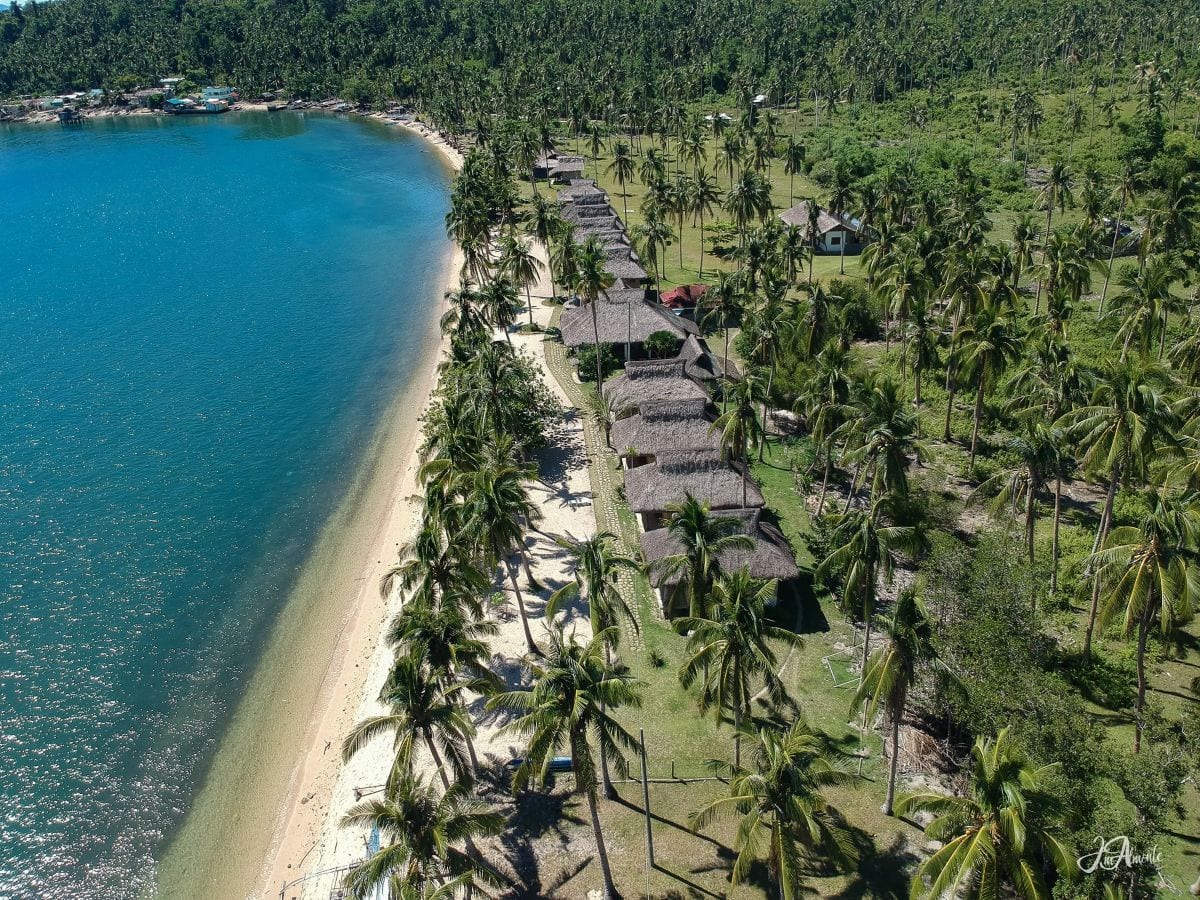
When the wind changes course, it will linger on your skin, leaving humid kisses. The sails will dance, and the island will blend into the picturesque vista. Your heart will leap. You are home, as if you never left at all.
At the docks, sea-sprayed boats will sit in silence against the concrete port, save for the slapping waves and the indescribable squeals of delight from families finally reuniting after years apart. There will be joyful tears, which will flow again when it is time to leave—to return to that other place, the one you currently call home, only because you once believed that to grow, you had to go far away.
Should you decide to walk from the pier to the house where you spent half your life, you will pass tidy houses, sari-sari stores, bakeries selling the best ensaymada, and cul-de-sacs transformed into makeshift basketball courts.
Puro, Cagas Boulevard
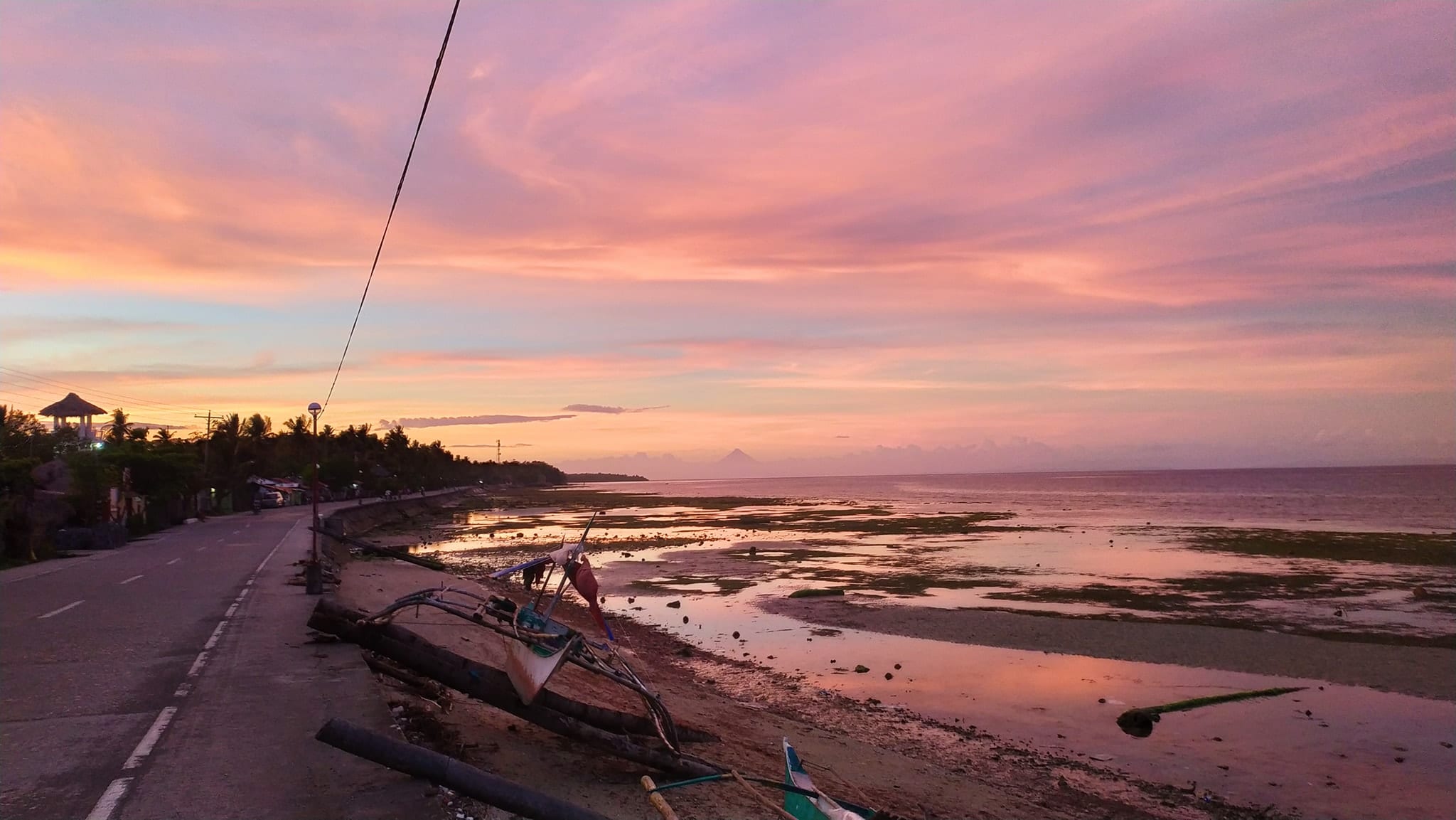
Motorcycles remain the preferred mode of transportation. The last time you were there, you probably handed the driver a five-peso coin for your fare. Finally, you will arrive at the house that nurtured you and most of your carefree dreams. The first of many tears will come.
ALSO READ
Living the Island Life in Limasawa
Mt. Apo: Conquering the Roof of the Philippines, One Labored Step at a Time
Inside your room, the air smells faintly of memory. Your old books, haphazardly stacked on makeshift shelves, will be exactly as you remember them. You will run your fingers over their spines—Dorothy Claiborne will state her case again, the door to Narnia will creak open, and Harry Potter, forever sixteen, will expel the dementor. The cobwebbed windows will open to the shrubs outside, and the shrubs will bow, as if curtsying your return, until the collected leaves cake the ground in mulch.
Then, three days of rain. An endless spray from above, like horses galloping on the tin roof, while you cozy up under a quilt your Lola stitched from a tapestry of patch fabrics. The wind will hum what sounds like the Brahms lullaby. Darkness will slink in like a thief in the night. And before you know it, you will fall into a sleep you haven’t had in ages.
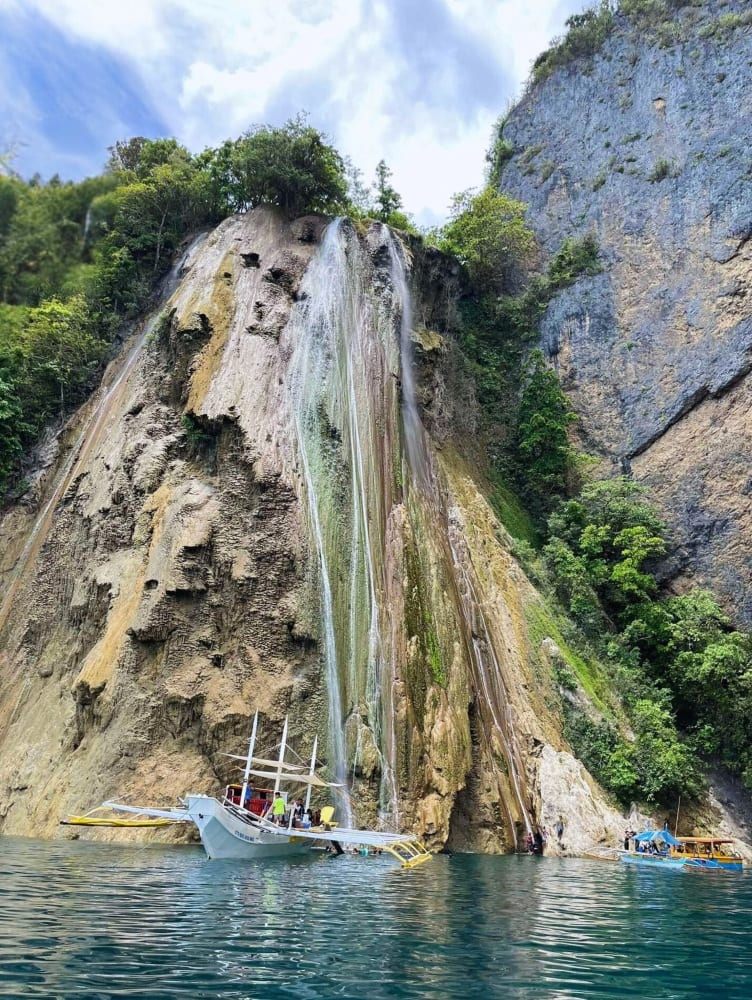
Catandayagan Falls
After the rain, you might find yourself back at your old school. Puddles will reflect the gray sky. The once-verdant grass, now swathed in mud, will squish under your feet. The building stands, aged but resolute, against a backdrop of mango trees from your youth. The stairs you once climbed with your Batman backpack feel steeper now, though they haven’t changed. You have.
Most public schools of yore bore the same sentiment: BE PROUD YOU ARE A TEACHER; THE FUTURE DEPENDS ON YOU. It’s funny how, after years of foray into the academe, you finally see yourself in those words.
The next day, you will go to a sidewalk beach not far from home. The tide will be low—perfect for gathering conch shells. Just by standing still, you will see iridescent corals. You will don your slippers, careful not to step on the Tayum (sea urchins), which can be prickly. The mariw-bariw (a kind of sea plant) will sway, the vegetable of choice for the littlest fishes that forever swim in circles. Unfortunately, the garbage will also swim in circles—plastic wrappers tangled in seaweed, sachets bobbing beside drifting shells. Even here, in a place as far-flung and idyllic as San Jacinto, neglect finds a way in: a flip-flop half-buried in the sand, a cola bottle lodged in a coral bed. The beauty remains, but it’s threaded with reminders: no place is too small, too quiet, too beloved to be spared.
You will turn 180 degrees, and all you will see is the sea meeting the sky. Somewhere out there, things will be happening all at once. And all you can do is breathe. And be still.
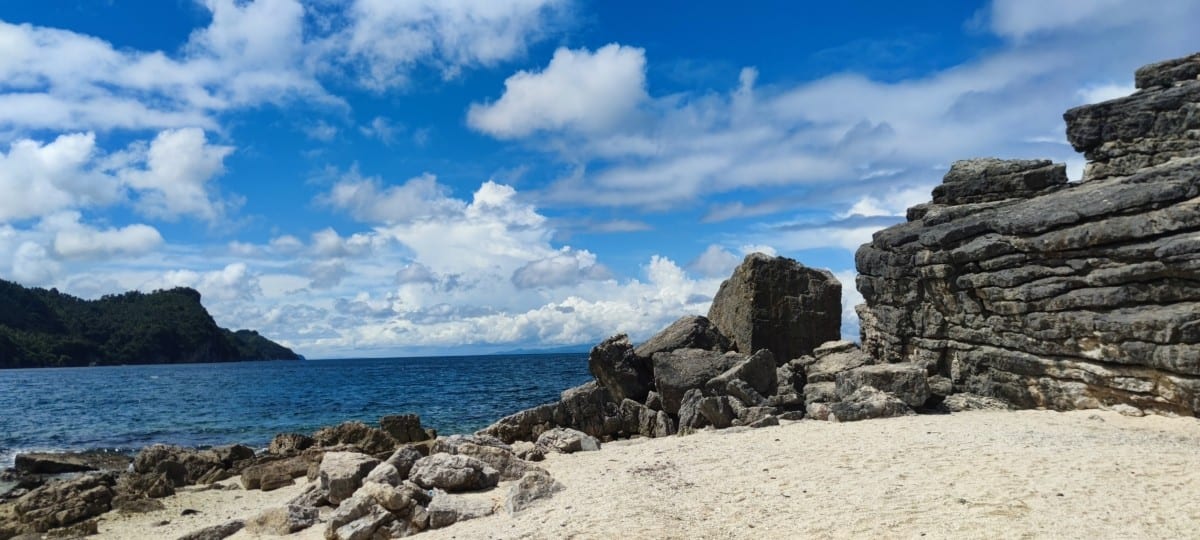
Burubangkaso Islet
Some nights will feel as if summer has split into halves. The stars will look like Swarovski crystals. You will take your iPod (remember those?) and sing your heart out. The crickets will provide the vibrato, their drone drowning out your mezzo-soprano. And since you live beside a local highway, once in a while, a truck carrying logs will rumble by. The trembling will feel like an earthquake of tolerable magnitude—enough to pause your passionate singing.
Your childhood friends will come to see you. You will hug and talk until the wee hours. These will be quiet times—conversations fueled by sniffles and sobs. The crickets will eventually stop their prehistoric cries, as if absorbing the highs and lows of your voices. Your eyes will glaze with a familiar warmth—one that no emotional turmoil could extinguish. The thought will comfort you. That no matter how far apart you are, your common bond is stronger than distance.
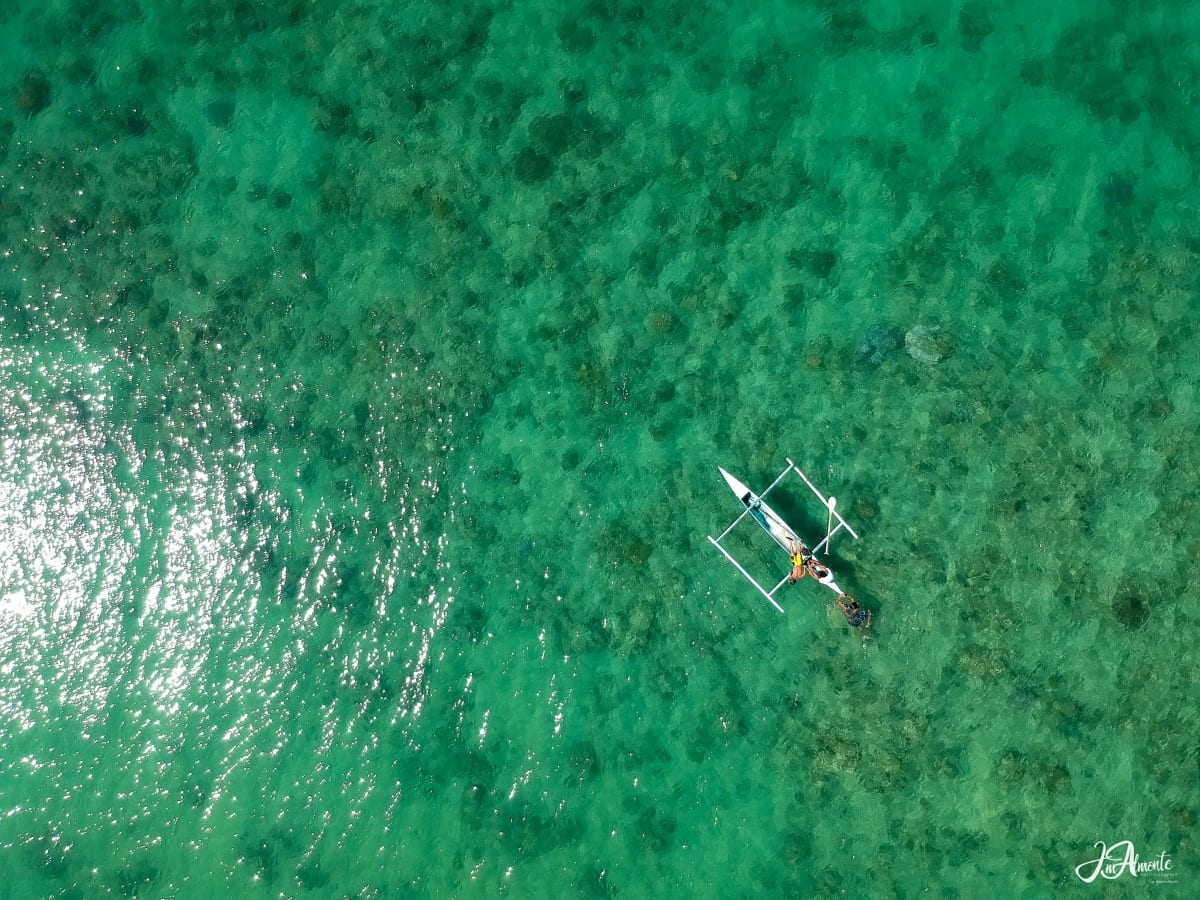
San Jacinto Bay
The following morning, by some twist of literary kismet, you will come across Marcel Proust again in a stack of vintage magazines. You will recognize him from the Vanity Fair questionnaires you once attempted to answer in the final issue of the college paper you edited. You will chance upon his words, and they will give you a newfound appreciation for traveling—not just to places unknown, but to places that once defined home.
Because, if you think about it, it is not always new terra incognita that awakens wanderlust. Sometimes, as in this recuerdo, it is seeing the same all-too-familiar, memory-laden places with better eyes and a fuller heart.
Now that, you’ll realize, is truly Proustian.
Ryan Leyco Faura is a senior high school teacher at a public high school in Antipolo City. San Jacinto in Ticao Island, Masbate was his first home.
