• Man at His Best 2025
  • Long Reads
  • Style
  • Money
  • Wheels
  • Culture
  • Opinion
  • CORNER OFFICE
Search
Menu
Close
Close
  • Man at His Best 2025
  • Long Reads
  • Style
  • Money
  • Wheels
  • Culture
  • Opinion
  • Style
    • Fashion
    • Grooming
    • Watches
  • The Good Life
    • Pursuits
    • What She Wants
    • Mavericks
    • The Directory
    • The Noble Man
  • Culture
    • Food & Drink
    • Arts & Entertainment
    • Lifestyle
    • Tech
    • Movies & TV
    • Music
    • Books & Art
    • Design
  • Wheels
    • Cars
    • Motorcycles
    • Drive
  • Money
    • Industry
    • Wealth
    • Capital
    • Movers
  • Long Reads
    • Notes & Essays
    • ESQ&A
    • What I've Learned
    • Fiction
    • Features
  • Life
    • Sports
    • Health & Fitness
    • Women
    • Sex & Relationships
    • Travel
  • Politics
    • Opinion
    • News
  • COUPONS
  • About Us
  • Terms of Use
  • Privacy Policy

NPC Seal of Registration

Esquire has been granted the NPC Seal of Registration in recognition of the successful registration of its DPO and DPS

BIR Seal of Registration
© 2026 EsquireMag.ph, All Rights Reserved
Long Reads

Viva's Vic del Rosario: 'The Industry Will Keep on Booming as Long as We Have Strong Creative People Telling Their Stories'

By Yvette Fernandez
Oct 16, 2019
Post a Comment

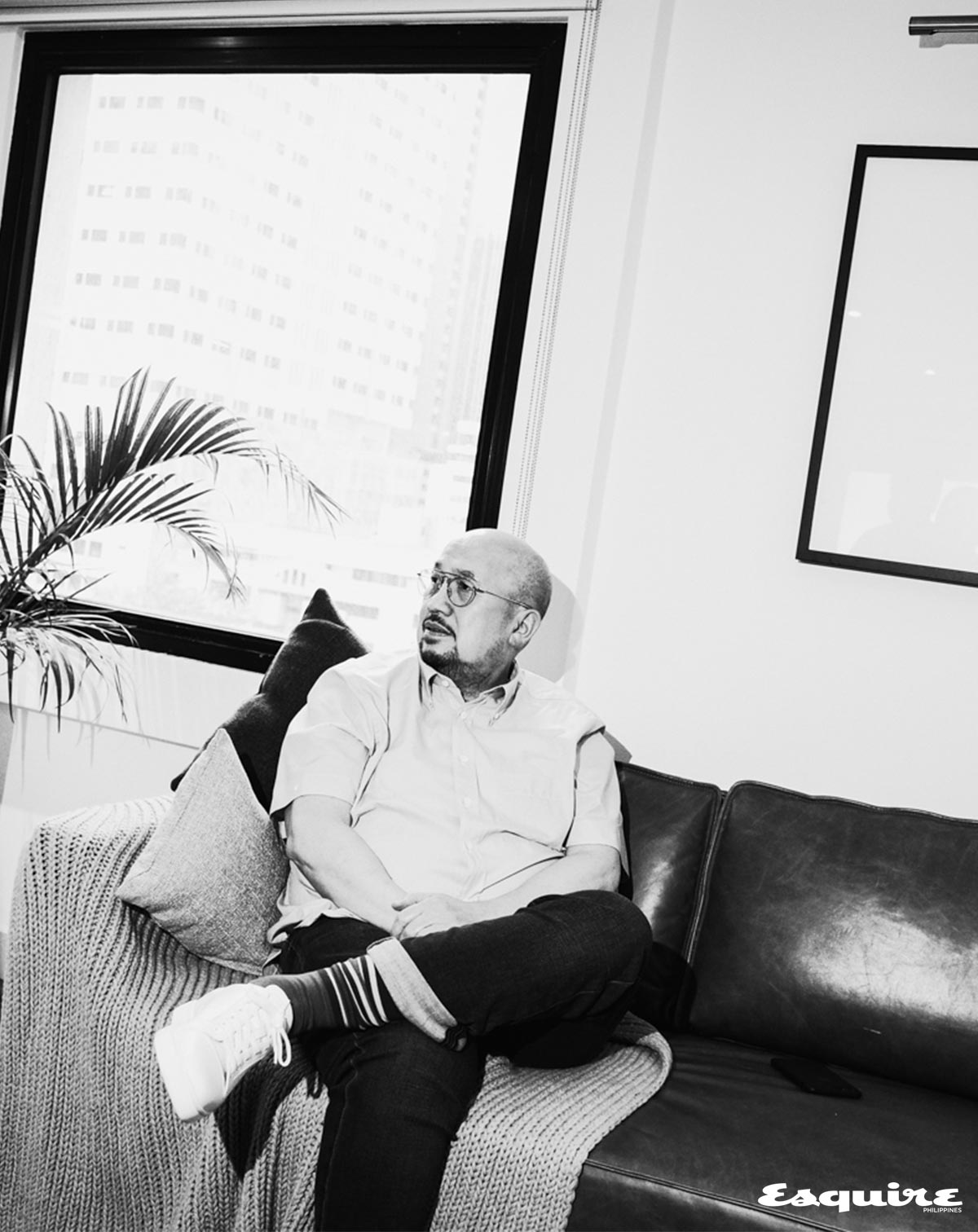
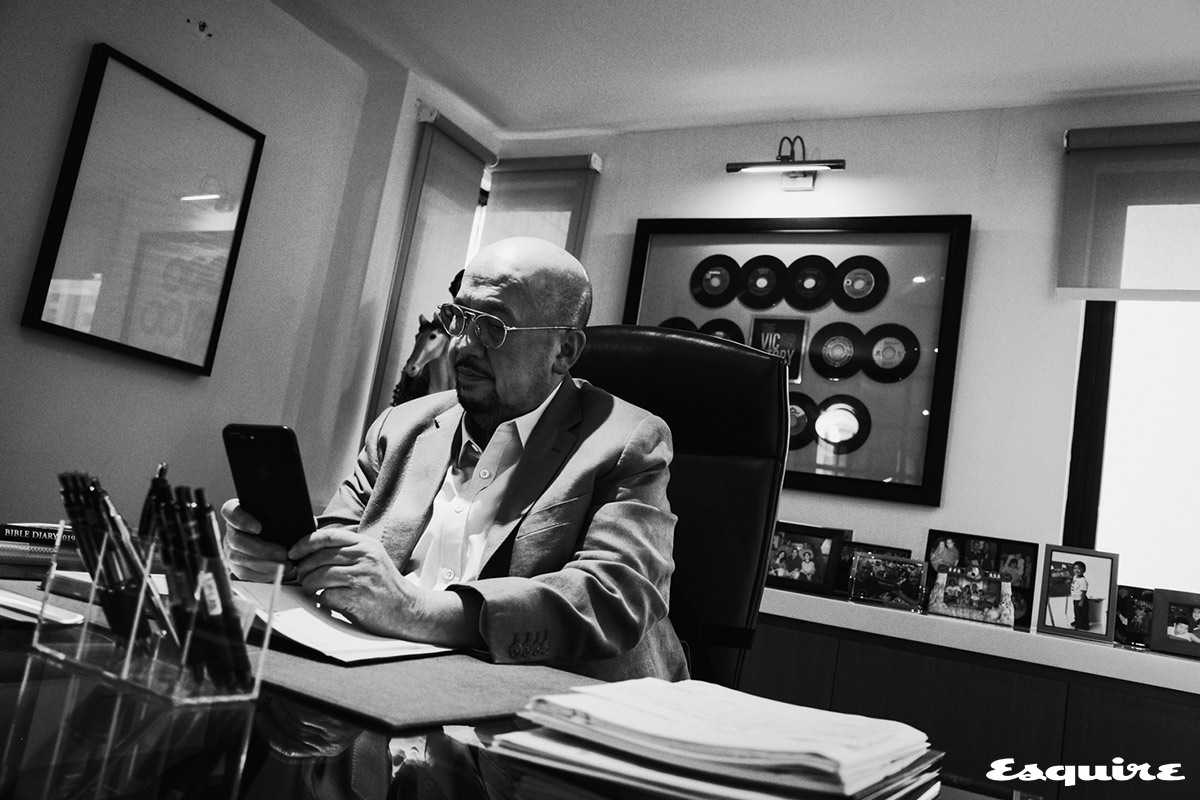
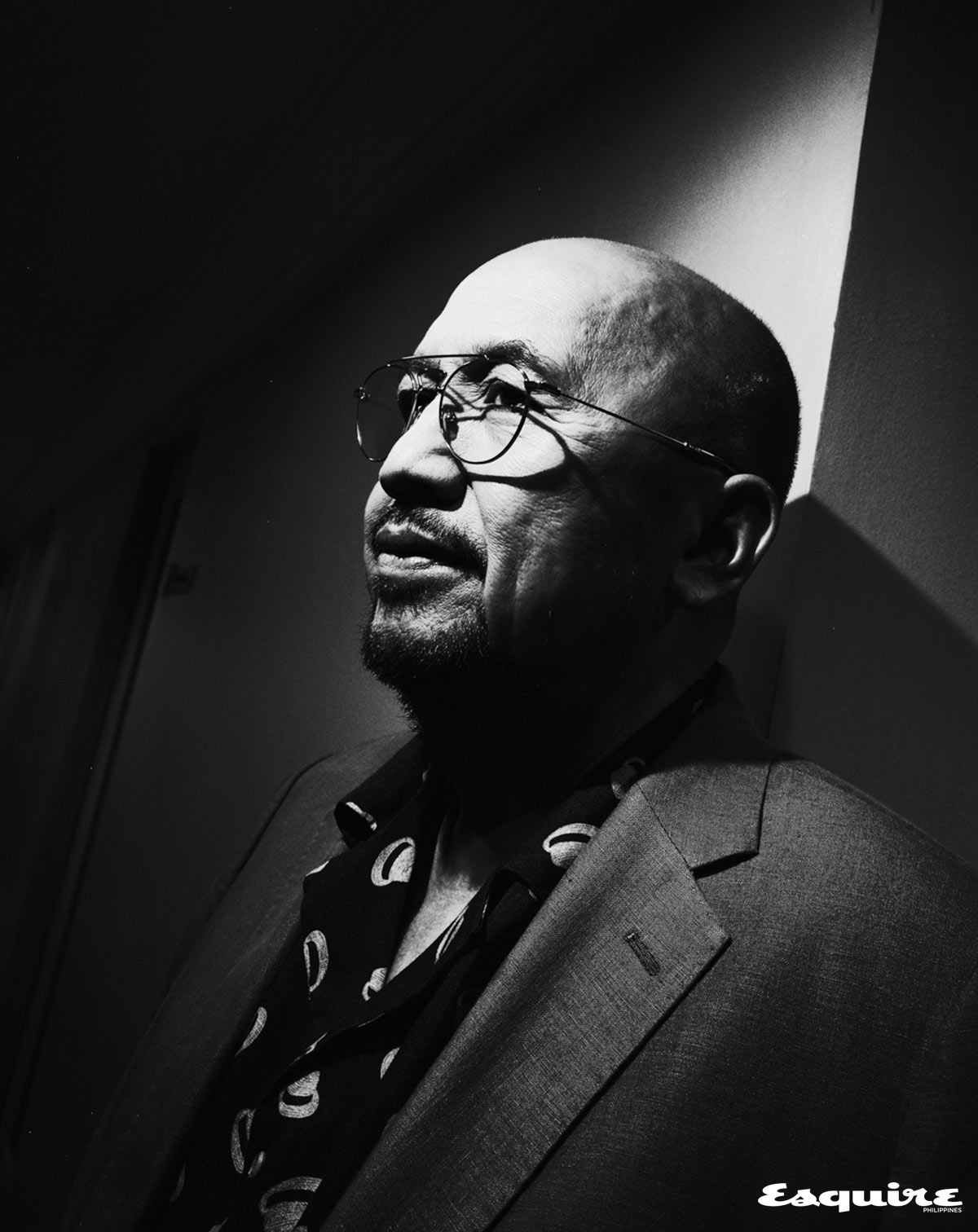
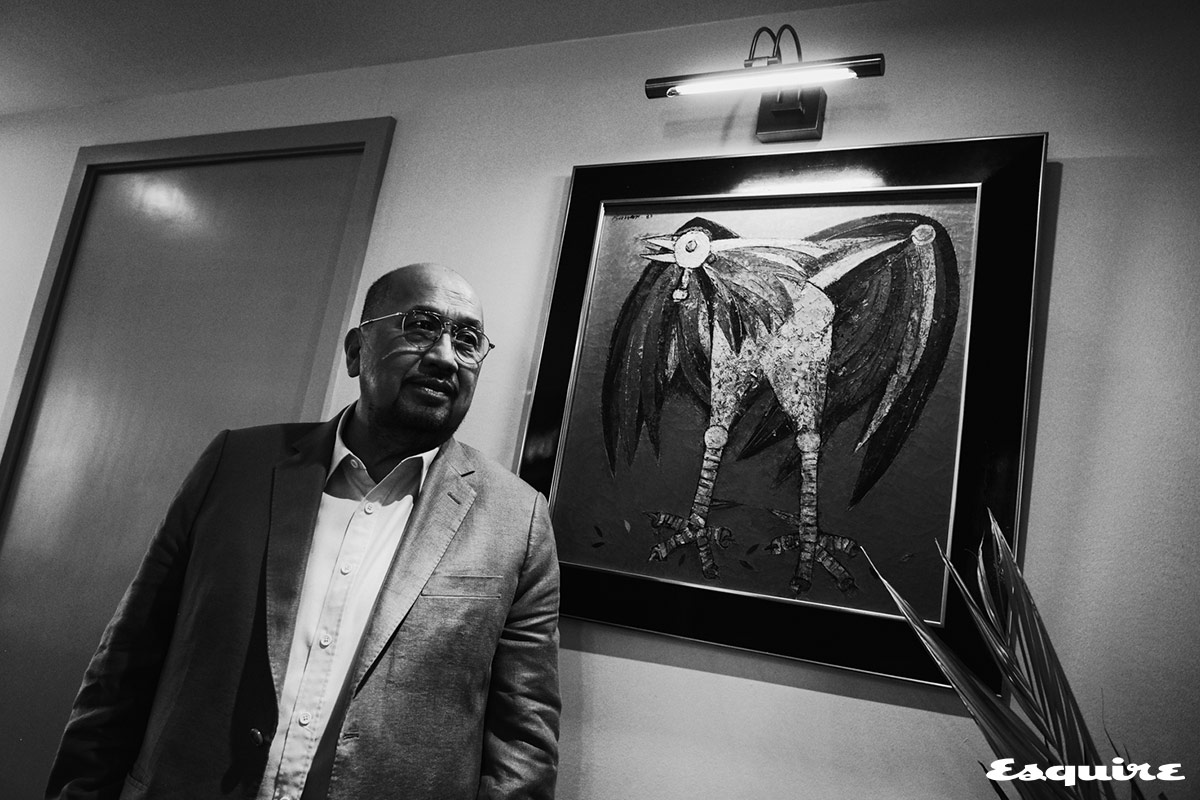
The story of Vic del Rosario’s lifelong career practically parallels the story of the Philippine entertainment industry over the last five decades.  

The founder and chairman of Viva Entertainment Inc. is 73 and shows no signs of slowing down. From producing vinyl records to the concert business to producing films to talent management to succeeding in the digital world with content streaming, Boss Vic has always been ahead of the game. 

“It’s my life. My whole world is all about the entertainment industry. I talk about it over breakfast, lunch, dinner. I have just one mindset. Everything I do, everything I talk about is about the industry and how it’s evolving, not just in the Philippines, but globally,” he says. “That’s the reason why we’ve been able to survive the last 50 years and more despite the trials. It’s like a rollercoaster, we go up and down. I have so many stories to tell.” 

ADVERTISEMENT - CONTINUE READING BELOW

And they are fascinating. 

article big image
PHOTO: E.S.L. CHEN
Post a Comment

Once upon a time, there was a boy named Vic del Rosario who enjoyed hanging out with his cousin Orly Ilacad. They were born nine months apart, and as children, they spent a lot of time together. They drifted apart as teens as they went about their own lives with their own barkada. Del Rosario was always a dreamer. In college, he preferred watching movies to going to school, and so he dropped out—or rather, was kicked out—of the latter. 

“Masarap maglakwatsa. Nasa downtown kami, so nanonood kami ng sine,” he says of his youth. “I was always cutting classes, so I had to face disciplinary action.” 

Aside from skipping school, del Rosario was also absent from a lot of family events, so he and Ilacad didn’t see each other for a while. 

At Christmastime in 1965, del Rosario was feeling the holiday spirit and decided to join his family reunion. Ilacad happened to be there too. The rapport between the then 20-year-old cousins was revitalized and they spoke for hours. By the time the reunion was over, they had decided to be business partners in a record producing venture, putting in two thousand pesos apiece.  

CONTINUE READING BELOW
watch now

“That was a lot of money for me at the time, but I wanted to spend more time with my cousin again since we were best friends growing up. I had money saved from my allowance, from some rackets, so bahala na,” del Rosario says.  

Ilacad already had the artists he wanted to record, bands made up of his friends: the Versatiles and the Dynosonics. They were quite popular so he figured he could sell their records as “local” artists. 

At the time though, “local” music meant kundiman. The music of Sylvia la Torre and Ruben Tagalog. For pop music, listeners turned to international recordings. 

“It was the era of the Big Bands and Frank Sinatra but it was ending, patapos na rin si Presley,” says del Rosario. “It was the time of the Beatles, pumuputok ang Liverpool sound, Gary and the Pacemakers, Cliff Richards. We got Filipino singers to do cover versions.  

ADVERTISEMENT - CONTINUE READING BELOW

“We put together two 45 RPM records We called our company Pioneer Records, and our label Badjao, to make it clear we were a local label. We had one employee and we sold the records to the stores on Raon. We were our own sales agents. We didn’t have an office at the time, so we spent time at Alpha Records, using a little table, an information desk of sorts, as our home base. Doon kami nakikiupo. 

“Ninety percent of all records were sold on Raon and Evangelista streets. That was our Tin Pan Alley,” says del Rosario. The street was lined with electronic stores that sold transistor radios and record players that played foreign recordings. It was walking distance from the university belt and had huge student traffic. But again, most of these students preferred foreign music. 

article big image
PHOTO: E.S.L. CHEN
Post a Comment

After two years, the two young cousins found themselves in debt. Del Rosario, used to taking the backseat, decided he needed to be more proactive. 

“We were the smallest of the independent record producers. Barya-barya lang kami. Probably didn’t even have one percent of the market,” says del Rosario.   

Then one day, del Rosario received an offer to do a cover version of a foreign song. The local singer was so good she couldn’t be distinguished from the original. That meant he wouldn’t have to pay for the foreign version of the recording. At the time there were no copyright laws so del Rosario figured, why not?

“The record sold like hotcakes, and because of that one hit, we were able to pay back our debts, and we were back in business. Whenever there was a hit song in English, we borrowed minus ones and translated the lyrics to Tagalog.” 

In 1969, the cousins incorporated the company, and named it Vicor Music, an eponymous label created from the first syllables of the names of the cousins—Vic and Orly.   

ADVERTISEMENT - CONTINUE READING BELOW

They hosted a fancy party at the Bel-Air Village home of Robert del Rosario, Vic’s uncle, who manufactured Trebel pianos, and invited big-name recording artists connected with bigger recording companies. 

“We wanted to impress them and show them we were serious players in the recording industry. Within the next six months, we're slowly signing up all the artists. We were able to sign up Helen Gamboa and Eddie Mesa. We were the young hotshots. They knew that we understood music, we had the ear for it, and so they signed up with us.”  

Del Rosario signed up popular TV host Jeanne Young and the young love team Vilma Santos and Edgar Mortiz, also known as Vi and Bot. Then there was Victor Wood, fondly called “Kahoy” who eventually became known as the Jukebox King, and Eddie Peregrina, who unfortunately later died in a car accident. 

article big image
PHOTO: E.S.L. CHEN
Post a Comment

When the '70s began, the cousins were doing quite well in their business with their stable of recording artists, when suddenly there was a revolution of sorts. From out of nowhere came a surge of adulation for a new box-office queen, a singer named Nora Aunor, fondly called Guy by her adoring Noranians. 

It was phenomenal. From Helen Gamboa who was tall, slim, fair, and sexy, all eyes suddenly shifted to a short, not particularly attractive singer-actress who was signed up at a rival recording company. So del Rosario did the next best thing. He signed up her love team, Tirso Cruz III, also known as Pip. That was the start of the Guy and Pip, Vi and Bot love team rivalry. He also went a step further. He released an album of recordings supposedly recorded by a doll named Maria Leonora Teresa, shared by Cruz and Aunor. No matter how bizarre the idea was, their fans snapped it up.

Still, the cousins were looking for a new female talent to challenge the superstar Aunor. In 1972, they found her in Florence Aguilar. Have you heard of her? Likely not.

"Florence was a very pretty girl, much prettier than Nora. Young and innocent. We named her Florence after Florence Nightingale, simpatico. We were going to make her big, very big," says del Rosario. "We gave her a billboard on Lacson Street in Sta. Cruz. It was the first time for a singer to be on a billboard. Before that it was just actors and actresses who were on billboards.

"Aguilar was launched with a full orchestra at the Pilipinas hotel. She was made up to look like a kabuki. She wowed the crowd. It was a huge launch. Bongga. We planned a huge launch in Cebu as well. We were going to make her a superstar, says del Rosario.

"On our way to the airport, I turned on the car radio, and there was no more music on the radio. Just dead air. When we got to the airport, there were tanks on the runway. We were told no one was going to be flying because Martial Law had been declared. We weren’t able to fly out and the Cebu launch was cancelled. We weren’t able to get her songs on the radio because the government took over the airwaves."

That was how Florence Aguilar, the singer who may have rivaled Nora Aunor, is but a dot in the annals of Philippine musical history.

With Martial Law, however, came the rise of Original Pilipino Music. 

“Kambio na kami. We had more of a nationalistic sentiment. Pilita Corrales had been known for singing Spanish songs. We got her to sing old classics but with a modern twist. Then came the Apo Hiking Society, Sampaguita, the Manila Sound."

Vicor's discography reads like a Who's Who in OPM: VST & Co., Asin, Marco Sison, Celeste Legspi, Anthony Castelo, Sampaguita. In the 80s, there were Martin Nievera, Gary Valenciano, Zsa Zsa Padilla, Kuh Ledesma, and Regine Velasquez. 

article big image
PHOTO: E.S.L. CHEN
Post a Comment

The stories of how Del Rosario met his stable of talents can fill a book.  

There's the story of how Rico J. Puno was an entertainer at an Italian restaurant in Makati owned by Alona Alegre. Del Rosario had produced a concert of the Temptations, and afterward, they all went to dine at Alegre’s restaurant. Puno was singing in the background, accompanied by a pianist. The Temptations invited him to jam with them, and had such a great time with the charismatic, albeit not a very handsome singer, or so del Rosario thought. Nonetheless, he gave Puno his calling card and asked him to come to the office. Puno did. His first album had a tree on its cover (Puno, get it?) since Del Rosario was worried Puno’s face wouldn’t sell records. He was wrong. 

Then there was the story of how del Rosario and friends put together a music festival that offered a plum one-million-peso prize. Among the Top 12 was a song written and sung by a songwriter who came to del Rosario’s office in an ill-fitting suit, a big hat, and platform shoes. Del Rosario didn’t think the songwriter would appeal to the audience in the first Metro Manila Pop Music Festival, and tried to convince him to have someone else sing his song. But the songwriter was adamant about performing his own work. He didn’t place in the Top 3 (Hajji Alejandro won that year for singing Ryan Cayabyab’s “Kay Ganda ng Ating Musika”) but del Rosario was so impressed by the songwriter that he signed him up for Vicor anyway. The song was an immediate hit in the Philippines, and soon, all over the world. The singer/songwriter was Freddie Aguilar and the song was “Anak.”  

One story told time and again is how young pre-teen Sharon Cuneta came to Vicor. Sharon’s mother, Elaine Gamboa, was the sister of Helen Gamboa, one of Vicor’s first recording stars. Helen’s husband, Tito Sotto, was working with Vicor at the time, and he heard Cuneta sing at a family reunion. Del Rosario signed her up when she was only 12 years old. Composer Rey Valera was tasked with writing her first song, which he composed in a jeepney. It was called “Mr. DJ” and catapulted her to instant success. Later, when Cuneta’s father, Pasay City mayor Pablo Cuneta, was looking for a partner to produce his daughter’s second film (the first, Dear Heart, was produced by Sining Silangan), he decided to call del Rosario, who was still handling Sharon’s blockbuster singing career. The two businessmen collaborated on Sharon’s second film with Gabby Concepcion, P.S. I Love You, and Viva Films was born. 

article big image
PHOTO: E.S.L. CHEN
Post a Comment

Earlier this year, in August 2019, del Rosario awarded Cuneta with the very first Viva Icon Award for her contribution to TV, film, recording, and concerts. 

"Kung walang Sharon, walang Viva," said del Rosario at the awards ceremony. 

To which Cuneta replied, "They've always said that Viva is Sharon and Sharon is Viva. But truly, Viva made me. After Dear Heart and Vicor, Viva made me. And I will forever be grateful.”

After Viva Films kicked off with Cuneta, it quickly became known for its critically acclaimed dramatic films Sinasamba Kita, Palimos ng Pag-ibig, Saan Darating Ang Umaga?, Kung Mahawi Man Ang Ulap, and Paano Ba Ang Mangarap? 

Del Rosario moved into the action film genre, catapulting Philip Salvador into the spotlight with Boy Negro, and Robin Padilla with Bad Boy and Anak ni Baby Ama. 

In 1984, del Rosario produced Bagets, starring William Martinez and four new faces: Aga Muhlach, Juan Carlos Bonnin, Herbert Bautista, and Raymond Lauchengco. One of them, award-winning actor Muhlach, remains a mainstay of Philippine cinema 35 years later.

“It was a natural progression. I was in the music business, so it was but natural that I went into an allied business that had synergy, di ba?” says del Rosario. “From our experience in the music business of promoting and managing artists, we were able to do it in the film business.” 

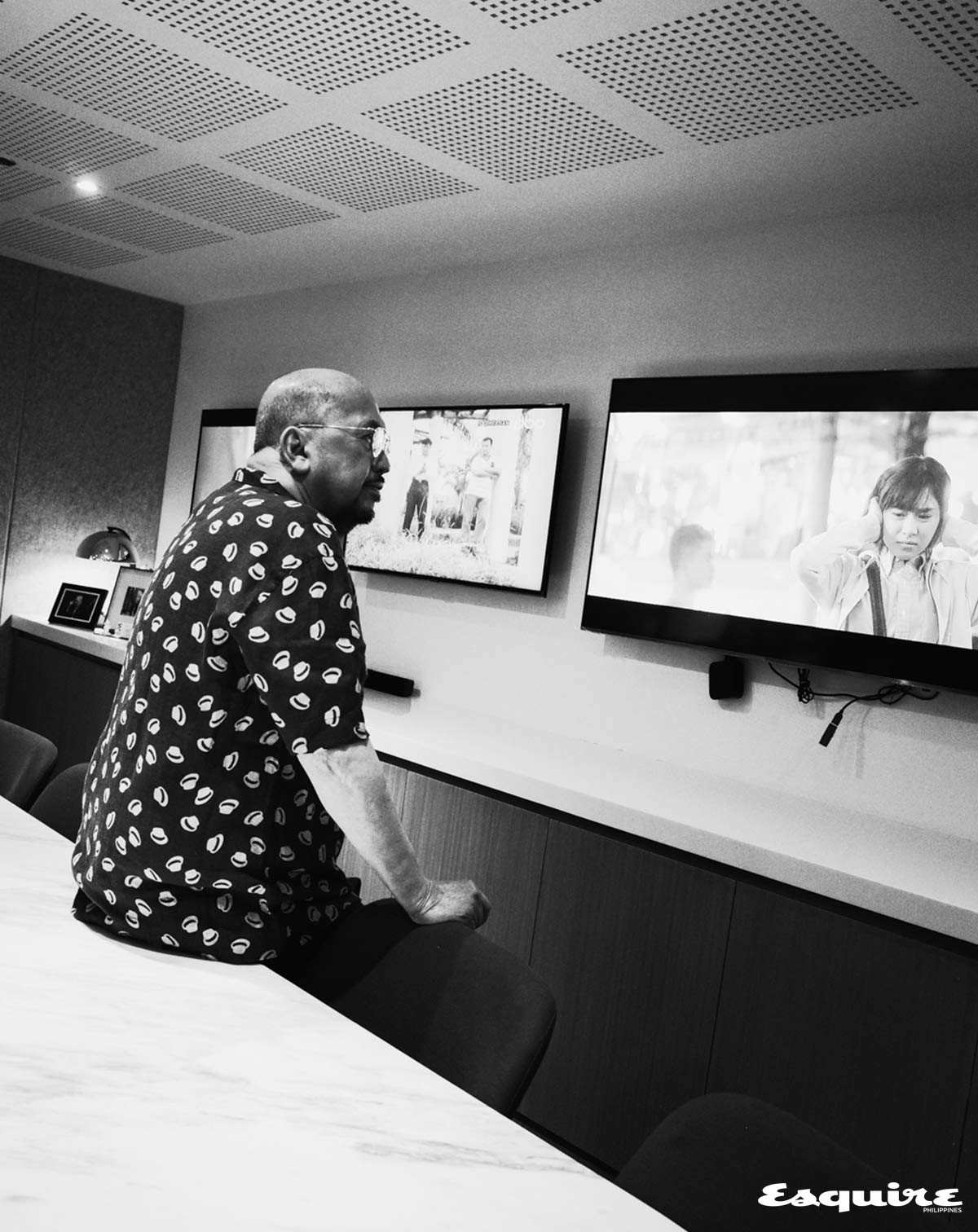
Del Rosario says in spite of the digital revolution, the future of the film industry is still intact. 

“Hindi mawawala ang film. It’s the distribution, the technology that will change,” he says “There will always be films being produced. More movies, more production. At the end of the day, it’s the storytelling that matters. Pag walang kuwento, walang kuwenta. The industry will keep on booming as long as we have strong creative people telling their stories. Writers, director, editors.” 

article big image
PHOTO: E.S.L. CHEN
Post a Comment

Nowadays, del Rosario says, a good scriptwriter is more important than a good actor. 

“A big star cannot guarantee a box office hit. There have been a number of flops,” he says.” A good story, it can fly anywhere. We can sell material easier than we can sell a finished production. We sell our stories globally. You know the movie Kita Kita? It was adapted into Indonesian. We’re going to Jakarta to attend the premiere. We’re about to close a deal with China. Kita-Kita Chinese version. We are penetrating different markets. Remakes in Korean, Mexico, Taiwan. As you can see, I am still enjoying what I do. Hindi nawawala ang passion.”  

Del Rosario says the age of social media has been better for film, since now a lot of films are marketed through word of mouth without the need for huge marketing budgets.  

“Good material, a good script, good direction sells a movie. You don’t need big stars to help promote it with expensive advertising,” he says. “Everyone is empowered to promote good films. Nowadays, people will get feedback right away, whether they should or should not watch a film. The news will spread on its own. So nowadays, we really just invest in good scripts.” 

Over the last 38 years, del Rosario has produced and co-produced over 800 movies. He owns the rights to about 1,500 films.  

“We have the largest library of Filipino films. Our Philippine Box Office (PBO) channel is the highest-rated channel in the Philippines because of our extensive library. That was the first job of my son, Vincent, when he was just out of high school in the 1980s. I told him, ‘after class, go shopping for films.’ He went to Escolta, where all the movie producers were based. Thirty to 40 of them. He went around and bought the rights to their films for a song,” says del Rosario. 

article big image
PHOTO: E.S.L. CHEN
Post a Comment

Now, Viva is actively licensing its library of films on streaming services such as Netflix, iflix, Vue, Hooq, Amazon, and Apple. Viva’s 24-hour movie channel runs thousands of films, including classic Viva films that have been enhanced and restored.  

“Decades ago, other producers were buying real estate, but I didn’t have money to buy property, so I bought film libraries. We bought the rights after theatrical release, in perpetuity. The producers didn’t care about their films after they had been released in theaters. They were just stacked in warehouses. There was this one family who didn’t know what to do with all their negatives. Ginawang torotot for the New Year. Sayang.” 

Del Rosario, who still stays at the office till close to midnight on many days, in meeting after meeting after meeting, says he has a lot to look forward to in his life, most of it, work-related. 

“That's my life, my personal life is intertwined with my work. That’s just the way it is. I love it. My children love it too, fortunately, because it’s not something you can force on them, the love has to be there,” says del Rosario. “We continue to produce, co-produce, and acquire films. We have a strong team, with my four kids and three of my grandchildren helping out. The third generation is already involved, all digital-savvy. I seek their advice on a lot of things, especially changes in technology. I have always been open to change. That's the story of my life. That’s how I’ve survived all these years.”

In this story: Photographs by E.S.L. Chen • Interview by Yvette Fernandez • Styled by Paolo Chua • Grooming by Joan Teotico assisted by Mary Jane Agaton • Production assistant Roland Mae Tanglao

Read Next
These University Ghost Stories Will Keep You Up Tonight
Read more stories about
  • c-suite
Most Shared
by author
Esquire Money
Most Popular
Latest Feed
The New Dean of New York University's Faculty of Arts and Science Is a Filipino
Armscor CEO Martin O. Tuason Passes Away at 51
A Fond Farewell to Chocolate Lover Inc.
The 8-Ball of Greatness in Philippine Pool
Tom Cruise Wore an Extremely Rare £70,000 'President' Rolex Watch to Accept His First Oscar
What Can Poetry Teach Us about Natural Disasters?
#InTheLoop
  • Politics
  • Culture
  • MONEY
  • Style
  • Long Reads
© EsquireMag.ph, All Rights Reserved.
  • About Us
  • Contact Us
  • Terms of Use
  • Privacy Policy
  • Sitemap
BIR Seal of Registration
Close

We use cookies to ensure you get the best experience on Esquiremag.ph. By continued use, you agree to our privacy policy and accept our use of such cookies. Find out more here.

Present
Read Cover Story
Read Cover Story
Catfish Image