
Gokongwei-Led JG Summit's Net Income Triples in First Quarter of 2024

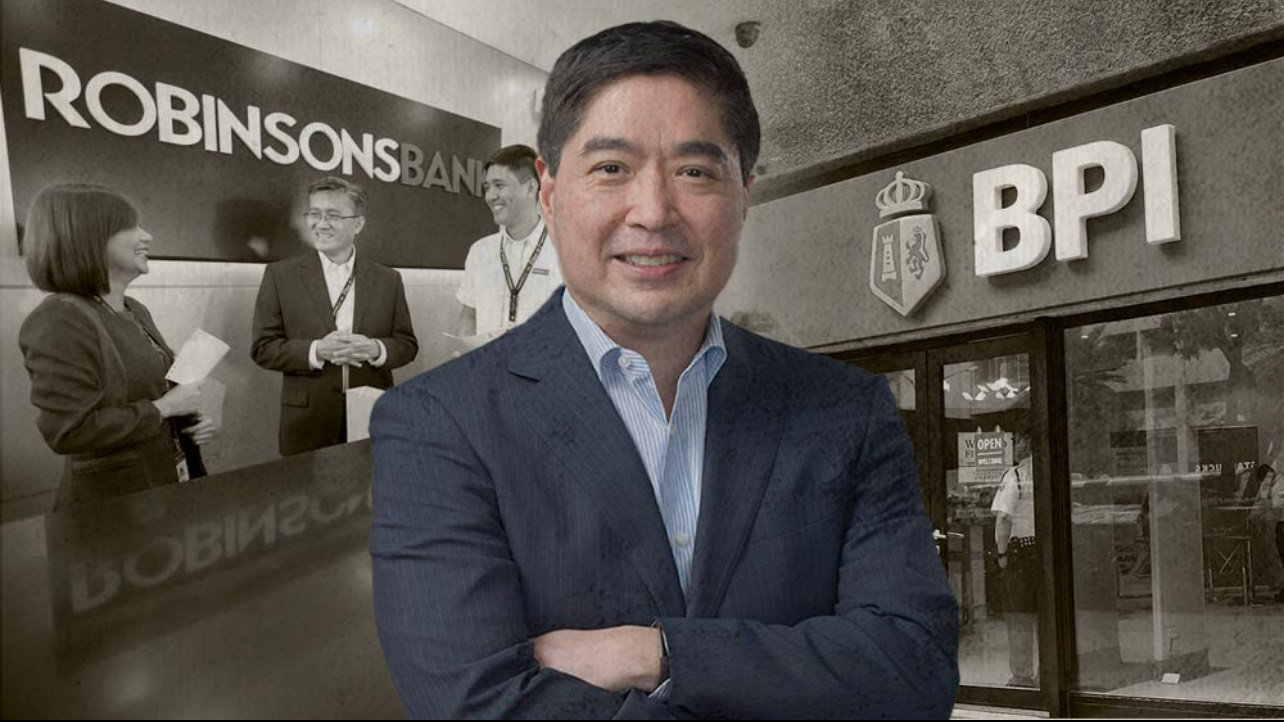
Gokongwei-led conglomerate JG Summit Holdings started the year strong, with its net income surging to P12.6 billion in the first quarter. This was up by 213 percent year-on-year, on the back of performances across its food, real estate, and air transport businesses, as well as the merger between its banking unit, Robinsons Bank Corporation (RBC), and Bank of the Philippine Islands (BPI).
The union between the Gokongweis and the Ayalas, through RBC and BPI, formally took effect at the start of 2024. This specifically led to a P7.9-billion gain from January to March, according to JG Summit. But regardless of the merger, the conglomerate already recorded an increase by 16 percent in the earnings of its listed units.
The Gokongweis have taken hold of about six percent of BPI since the effectivity of the merger. Earlier, the Ayala-owned bank posted a record net income of P15.3 billion for the first three months of the year, up by almost 26 percent from the same period in 2023.
ALSO READ
The Biggest Bank Mergers and Acquisitions in Recent Philippine History
From BDO to Puregold: These Are the Most Valuable Brands in the Philippines in 2024
“We kicked off 2024 with sustained improvements across our businesses, seeing robust sales volumes in our petrochemical and food businesses, as well as strong demand for air travel, leisure, and hospitality services,” JG Summit president and chief executive officer Lance Gokongwei said.
Revenues of the conglomerate grew by 18 percent to P96.7 billion in the first quarter, particularly driven by increases in both the plant utilization of petrochemical unit JG Summit Olefins Corporation (JGSOC) and international operations of airline Cebu Air, Inc.
JGSOC’s revenues jumped to P14.1 billion, translating to an increase of 62 percent year-on-year. The bottomline of the company, however, "felt downward pressure” from higher interest expenses, depreciation on its new facilities, and foreign exchange losses. This resulted in a loss for JGSOC amounting to P3.3 billion from P2.7 billion last year.
Cebu Air, meanwhile, grew its top line to P25.3 billion, as its net income doubled to P2.2 billion in the first three months of 2024. Major drivers include the influx of travelers returning from Christmas vacations, as well as trips taken during the Easter break and other festivals and events. According to the airline, it flew a total of 5.5 million passengers from January to March.
Food segment Universal Robina Corporation (URC), likewise, saw its top line jumping by seven percent to P42.6 billion, following stronger demand for its branded consumer foods and agro-industrial and commodities. Its net income rose to P4.1 billion, marking an increase of 21 percent.
“URC also expects to continue increasing its cash return to shareholders, with four consecutive years of dividend increases and its share buyback program reaching Php3.5 billion as of the end of the first quarter,” JG Summit said in a statement.
Profits went up for Robinsons Land Corporation (RLC), which operates real estate and hotel businesses, by 22 percent to P3.3 billion. Keeping “above industry average” occupancy rates at 93 percent for malls and 84 percent for offices, the company’s revenues climbed by 18 percent to P10.5 billion.
In terms of core investments, JG Summit saw dividends declining by 22 percent from telecommunications giant PLDT, as no special dividends were declared in the first quarter. But regular dividends still rose by P1 to P46 per share. It was also offset by the conglomerate’s equity earnings from Manila Electric Company (Meralco), which posted a 19-percent growth in its income to P9.6 billion from January to March amid higher electricity demand.
“Looking ahead, we continue to work on growing our airline’s capacity to serve the gradual uptick in demand, driving volume-based growth in our food and beverage business, sustaining the momentum in our property unit, and accelerating the transformation program of our petrochemicals arm,” Gokongwei said. “We will also continue to support our ecosystem plays, which are on the path to attaining scale via customer acquisition and new product launches.”
