Manila One of the World’s Least Expensive Cities for the Wealthy

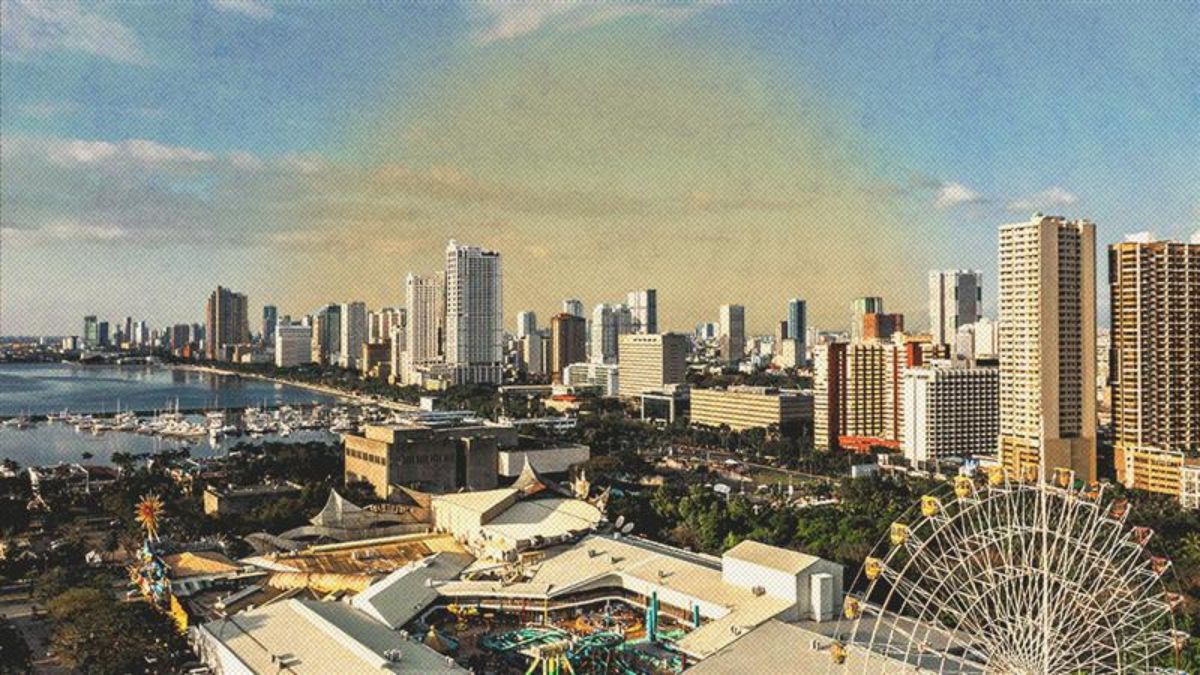
Manila ranks as the third least expensive city for high-net-worth individuals (HNWIs) among 25 major urban centers worldwide, according to the 2025 edition of the Julius Baer Global Wealth and Lifestyle Report. Despite a 7.5 percent increase in local currency prices, the Philippine capital slipped two places from 21st in 2024 to 23rd in 2025.
The report assesses the cost of a luxury lifestyle across 25 cities by analyzing the cost of 20 goods and services that affluent consumers buy and use, which include business class flights, watches, jewelry, women’s handbag and shoes, bicycle, champagne, hotel suite, lasik surgery, spa services, degustation dinner, residential property, healthcare, private school education, MBA among others.
Singapore (1st), London (2nd), and Hong Kong (3rd) dominate the top of the rankings, while Manila (23rd) stands out at the lower end, together with Vancouver (24th) and Johannesburg (25th).
ALSO READ
The 16 Richest Billionaires in the Philippines in 2024, According to Forbes
The Combined Wealth of the 50 Richest Filipinos Surged to P4.5 Trillion This Year
According to the Julius Baer report: “Manila is a peculiarity of this year’s results, as it actually falls two places to 23rd despite a 7.5 percent rise in average local currency prices —the second highest of the region behind Jakarta.” This suggests that while costs are rising locally, Manila still offers substantial value when compared globally, especially when prices are converted to USD.
The Asia-Pacific (APAC) region continues to show striking contrasts. It houses both the most expensive cities (Singapore and Hong Kong) and some of the most affordable (Manila and Mumbai). GDP per capita in Singapore is more than ten times higher than in the Philippines.
Sixty-five percent of respondents from the APAC region spent more on fine dining and smartphones (65 percent), followed hotels (64 percent), healthcare (63 percent), and high-end women's clothing (55 percent).
The report also reveals that luxury consumption habits are shifting globally. The demand for material goods is slowing down, while experiential spending remains strong, particularly in APAC, Latin America, and the Middle East.
Across the 25 cities analyzed, high-end goods dropped by 3.4 percent in price, while services decreased by only 0.2 percent. The most significant cost increase was in business class flights, which rose by 18.2 percent due to aircraft shortages and ongoing geopolitical instability.
The report also shows a growing trend among HNWIs: longevity—both physical and financial. According to the survey, between 87 percent and 100 percent of wealthy individuals across all regions are taking active steps to improve their lifespan and wealth resilience.
Christian Gattiker-Ericsson, CFA, CAIA, Head of Research at Julius Baer, offers context for this year’s findings: “Hard times have hit high-end goods and services providers. Following a global savings glut and a seemingly endless buying spree among affluent consumers that lasted over a decade, the luxury sector faced a downturn in winter 2024/25 – at least by its own elevated standards.”
He also notes on the implications of rising global tensions and economic changes: “In light of ongoing uncertainty, trade tensions, and tariffs, our findings represent the final moment ‘before’ the current situation, and next year’s Global Wealth and Lifestyle Report will likely provide a fascinating ‘after’ perspective.”