
A UP Scientist Made History as the First-Ever Filipino Editor of This Prestigious Journal

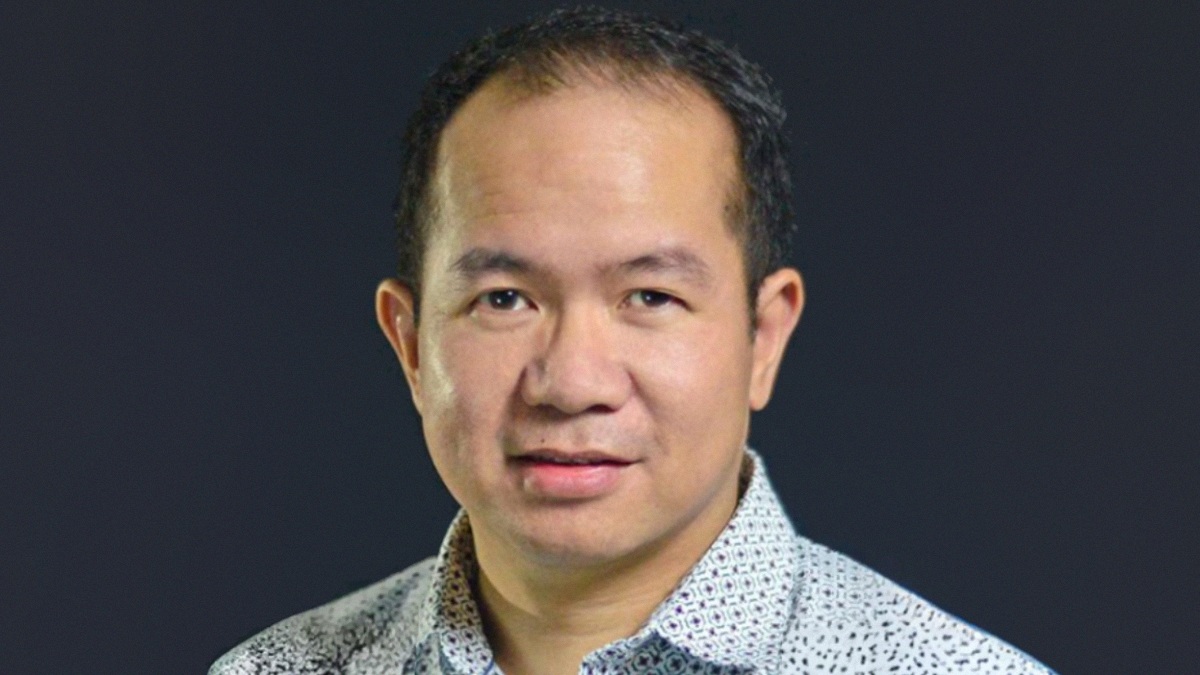
We are seeing more and more Filipino scientists making their name in the global scientific community. One of them is University of the Philippines - Diliman College of Science National Institute of Physics professor Percival F. Almoro. He just made history as the first-ever Filipino section editor of the world-renowned scientific publication Optik: International Journal for Light and Electron Optics.
“This editorship stint is a great honor not just for me but also for all Filipinos,” Almoro said of the feat. “It is a recognition on the international stage that researchers in the country can carry out good quality research.”
Established in 1946, the journal is a leading voice in subjects related to light and electron optics. It also offers surveys on the state of research and technical development in these fields. Optik has an acceptance rate of roughly 26 percent and possesses an impact factor of 2.84, based on a 2021 review.
In Almoro's new capacity, he is tasked with the journal's content in areas such as optical metrology and interferometry to phase retrieval.
ALSO READ:
Scientist-Turned-Journalist Atom Araullo: 'It's My Job to Seek the Truth'
This Filipino-American Scientist-Turned-Rapper Just Received the Prestigious Vilcek Prize
For 77 years, Optik has served as an instrument for the works of our most esteemed physicists. The journal had published studies by R. W. Gerchberg and W. O. Saxton, for instance. These two are credited for the phase retrieval algorithm. As a matter of fact, the publication is also the official journal of the German Society for Applied Optics, which includes Nobel Prize winners Stefan Hell and Denni Gabor.
In the past, Almoro had been appointed as a topical editor for the Optical Society of America, as well. The Filipino scientist earned his doctoral in physics back in 2004 and has gone on to do postdoctoral fellowships at the likes of the Universität Stuttgart in Germany and Risø National Research Laboratory in the Kingdom of Denmark, among others.
