
Most Filipinos Apparently Do the Wrong Posture During the Lord's Prayer in Mass

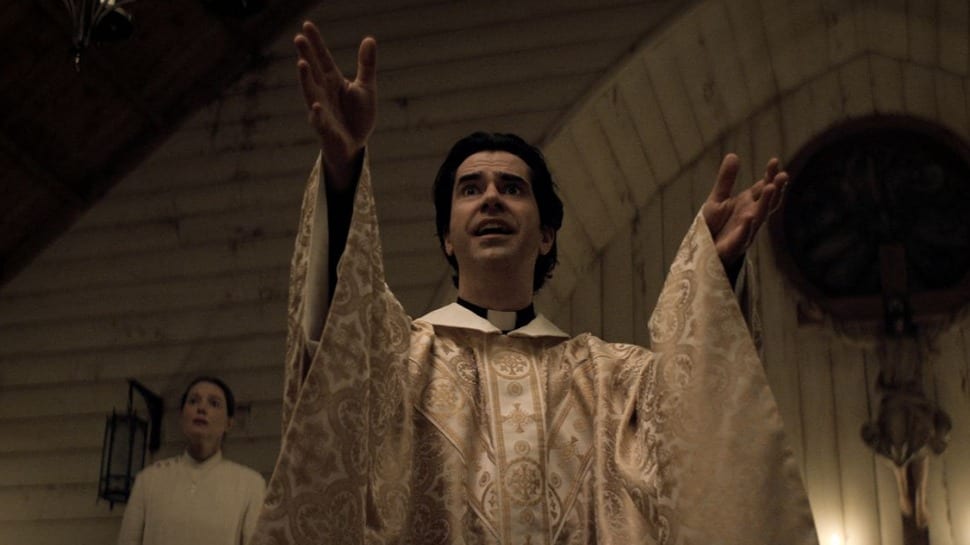
We oftentimes forget that our longstanding practices and beliefs come with particular ritualistic gestures in our Catholicism. These days, the rules have been relaxed in favor of a more open policy toward religious practice. It isn't our fault that most prescribed gestures, postures, and the like deviate from what had previously been taught to us. General instructions have a way of evolving over time, as well.
During the Holy Mass, for instance, the usual practice of "Our Father" tends to have most of the Catholic Faith in attendance raising their hands or enjoining them with the people next to them. We do this with our friends and family as a way of demonstrating unity in front of the Lord. This, however, is not the appropriate action.
But we nevertheless allow it. Of course, this has sort of sowed a sense of confusion among attendees, considering how prevalent and normal this is. But in a mandate dated June 16, Bishop Julito Cortes, the Catholic bishop of Dumaguete, looks to change that.

ALSO READ:
Why Did the Catholic Church Staunchly Oppose the Rizal Law?
A Catholic Priest Moving to Iglesia ni Cristo Has Alarmed Church Leaders
The Dumaguete Bishop reminded churchgoers that raising or holding hands during the singing or recitation of "Our Father" during mass is prohibited. The bishop served as a member of the Episcopal Commission Liturgy of the Catholic Bishops’ Conference of the Philippines, and has been keen on the restoration of uniformity and clarity. He said that attendees should instead “join his or her own hands… while the priest extends his hands in prayer."
Cortes added: “This will ensure clarity and uniformity of hand gesture among the faithful participating in the Holy Mass.”
Remember this the next time before you start singing the Lord's Prayer.
