

The Philippines Is the Second-Worst ASEAN Country for Mangrove Losses, According to Report

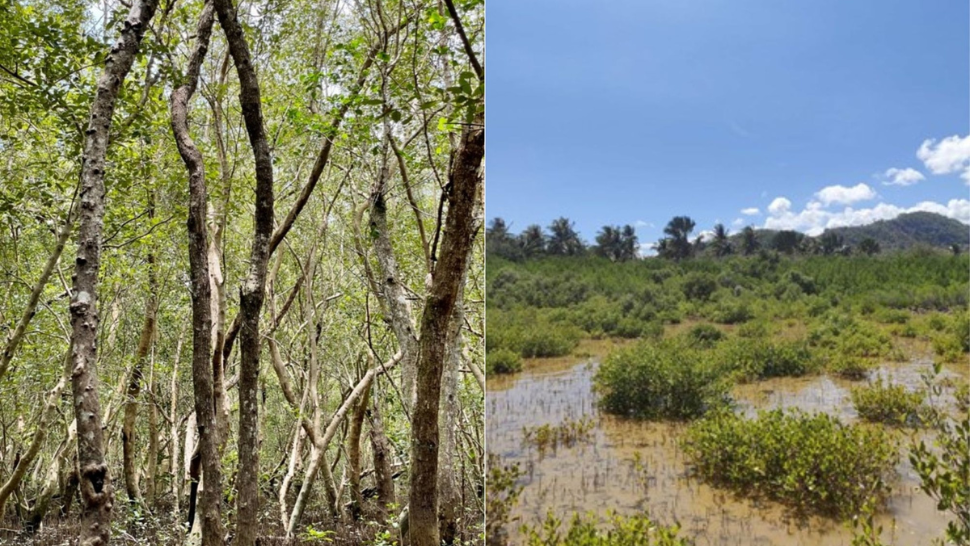
Scientists from the University of the Philippines - Diliman College of Science have confirmed that the Philippines is the second worst in the Association of Southeast Asian Nations (ASEAN) in terms of mangrove losses. The country suffered a 10.5-percent decline between 1990 and 2010.
A comprehensive survey of more than 300 mangrove studies was conducted, yielding unfortunate results about the country’s mangrove population. Scientists have found large gaps in our understanding of the current and future state of these already dwindling natural resources. Only Myanmar is ahead of the Philippines in that regard, with a recorded loss of 27.6 percent.
This comes on the heels of the international declaration of the UN Decade on Ecosystem Restoration. From 2021 to 2030, the body aimed at preventing, stopping, and reversing the degradation of ecosystems worldwide.
A decade after Super Typhoon Yolanda (Haiyan) in 2013, the mangroves of Lawaan and Balangiga in Eastern Samar remain a desolate wasteland

ALSO READ:
Tour This Mangrove Reserve That's Only a Few Hours Away from Metro Manila
The San Miguel Corporation Is Planting 25,000 Mangroves in Bulacan
“Our study aims to provide suggestions in line with international commitments of ASEAN-member countries,” Institute of Biology Associate Professor Dr. Severino Salmo III said of their systematic review. “The pressing need is to establish and consistently monitor the state of the mangroves for each country, protect mangroves through biodiversity conservation programs, and more importantly, to stop or limit coastal reclamation projects.”
Researchers, including by UP Ph.D. Biology student Maria Elisa Gerona-Daga, suggest that the country should focus on adding more mangrove faunal and floral species as bases for selecting and prioritizing sites for restoration. This should keep up with the UN’s biodiversity goals and potentially generating useful data on genetic diversity.
As for government interventions, the study claims that policies should look to support continued research and community involvement in mangrove monitoring. Southeast Asian collaborations are essential in sustaining regional mangrove protection: establishing and strengthening partnerships with neighboring countries will enable the region to form unified goals and facilitate more sustainable restoration measures.
Typhoons and climate change adaptation are among the priorities of the team, as well. Restoration programs should be designed to adapt to and mitigate climate change impacts. Technological innovations for science-based green-gray coastal engineering are critical for facing changing climatic conditions. Researchers also researchers underscored the increasing need for mangroves’ adaptability to climate change.
