
Is It Time to Legalize and Tax Ukay-Ukay? Senator Raffy Tulfo Seems to Think So

While ukay-ukay has quietly been embedded in the fabric of Filipino culture, as seen in shops in places like Baguio City and Quezon City, as well as on online marketplaces like Facebook and the like, it is still illegal to import and sell secondhand clothes in the Philippines.
It has been that way since 1966. But with the influx of imports on an annual basis, the Bureau of Customs (BOC) has long had issues with containing these shipments.
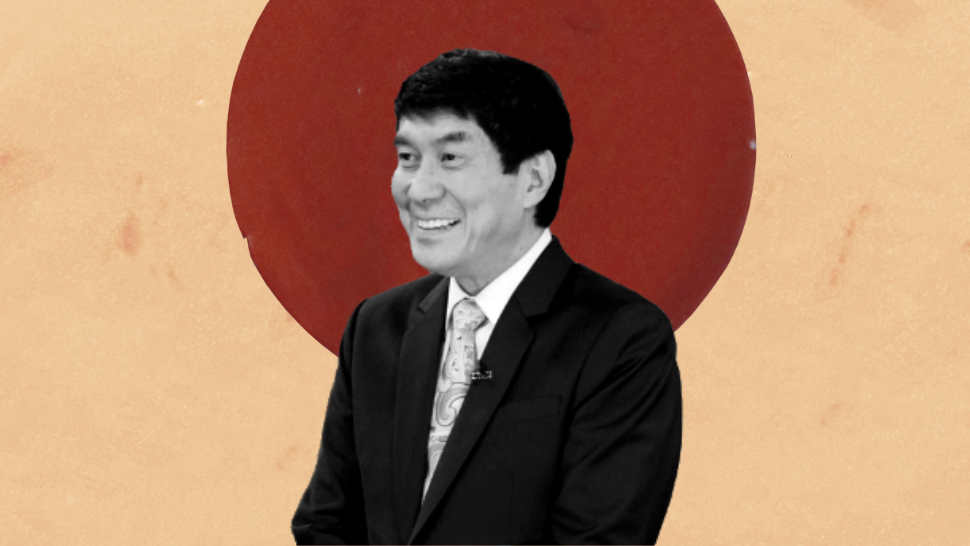
In a recent Senate Committee on Ways and Means hearing, Senator Raffy Tulfo acknowledged this, as well. His proposed solution? To finally legalize the commercial importation of used clothing.
“Siguro, since hindi po kayang control-in ng Bureau of Customs ‘yung pagpasok ng ukay-ukay, siguro we have to come up with a system na, I don’t know, legalize ukay-ukay,” Tulfo said.
He added: “Kung hindi niyo na po kaya talagang pigilan, kausapin niyo po siguro ‘yung mga mambabatas na para baguhin ‘yung batas natin, ‘yung policy to make the ukay-ukay legal na pwede na pong pumasok ng bansa at magbayad po ng tamang buwis.”
Republic Act No. 4653 prohibits “the commercial importation of textile articles commonly known as used clothing and rags.” At the time of its conception, the law was meant to ensure the protection of public health and safety.
Under this measure, anyone who has been found guilty of importing these garments is subject to imprisonment ranging from two to five years. On top of this, they should pay the prescribed fine of up to P20,000.
ALSO READ:
Raffy Tulfo Might Be the Most Devoted Chunky Sneaker Fan Out There
Piolo Pascual and Raffy Tulfo are Just Some of the Believers of This Local Social Ecommerce Startup
Of course, that hasn't stopped the actual importation. A report from the online community sustainability.ph in 2019 said that the Philippines received a total of roughly P112 billions' worth of garment imports, with a majority of them coming from China, Korea, and Japan, among others.
Most of the clothes we commonly see at our favorite ukayans are likely smuggled. In 2015, the BOC recorded one of its "biggest seizure of used clothing" when it intercepted 21 containers in Misamis Oriental carrying these illegal garments. The clothes were said to have come from Malaysia and Korea, and its total cost amounted to P52.5 million.
Within the BOC, issues of corruption and malpractice around these cases have been prevalent, as well. In 2014, one of the agency's own employees was arrested for allegedly accepting bribes to handle shipment releases coming from the United States and Hong Kong.
Modern measures have also been proposed to update the existing law. Back in the 14th Congress, Cagayan de Oro Representative Rufus Rodriguez and Abante Mindanao Representative Maximo Rodriguez even filed House Bill 4055, which would legalize imported secondhand clothing.
They argued that it could have the potential to generate income opportunities for the state, and that the Philippine government could stand to earn roughly P700 million from the practice. Unfortunately, it didn't pass through.
