
Apparently, Traffic in Metro Manila Was the World's Worst in 2023

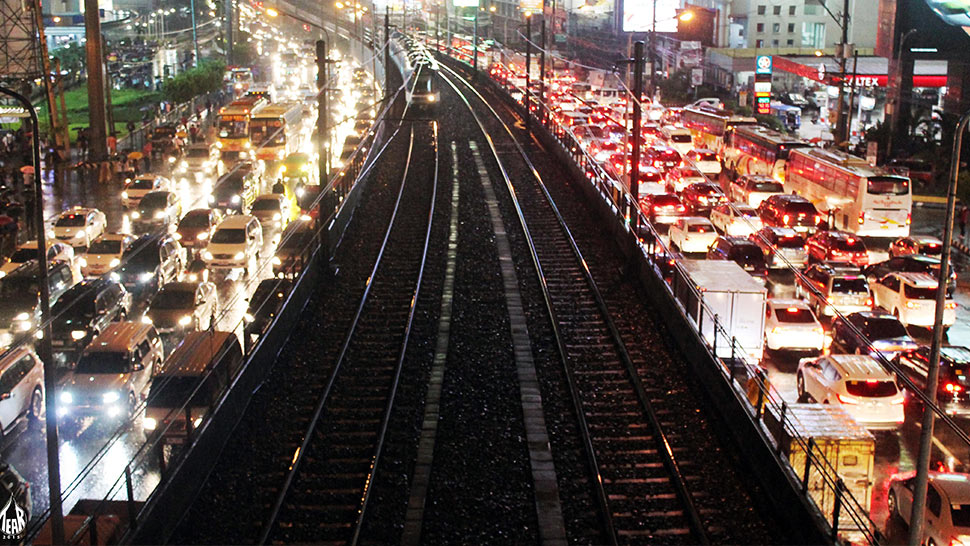
Nobody needs to tell Filipinos how bad traffic can be. Last year was one of the more "normal" years for the Philippines in terms of movement across Metro Manila. One look at the roads during rush hour tells you all you need to know about the state of congestion around here. Unfortunately, the world (and the data) knows this, too.
A new report from Dutch multinational company TomTom concludes that in 2023, Metro Manila had the worst traffic congestion among all the world's metropolises.
TomTom's numbers indicate that motorists in the region endured an average of 25 minutes and 30 seconds just to cover 10 kilometers of road. This is said to be 50 seconds longer than the same figures from 2022. This translates to a congestion level of about 52 percent.
Time lost due to traffic was bad for Metro Manila motorists, as well. Filipino commuters spent 240 hours on the road last year and a total of approximately 120 hours (about five days of their lives) stuck in traffic. The average speed time during rush hour was around 19 kilometers per hour.
Particularly astounding was the average travel time during rush hour (between 5:00 p.m. and 6:00 p.m.), which goes to about 35 minutes and 30 seconds per 10 kilometers.
ALSO READ:
Philippine Traffic Is the Ninth Worst in the World—and the Absolute Worst in ASEAN
Manila Drivers Spend 188 Hours in Rush Hour Traffic Each Year, According to Study
In terms of specific city rankings, the 2023 TomTom traffic index shows that Manila had the third-worst congestion in all of Asia and the ninth-worst congestion in the entire globe. The average travel time in the city for a 10-kilometer route was 27 minutes and 20 seconds. Commuters here are said to lose about 105 hours or 4 and a half days of their lives in traffic. Manila's congestion level was at 46 percent.
TomTom, a traffic data provider and technology specialist, utilizes anonymized data courtesy of drivers to determine how many hours are spent between road networks and city centers in metro areas and the like. The study compiled data from 387 cities across the world, basing it on 600 million devices in cars and smartphones.
