
Is It Time to Power Up the Bataan Nuclear Power Plant?

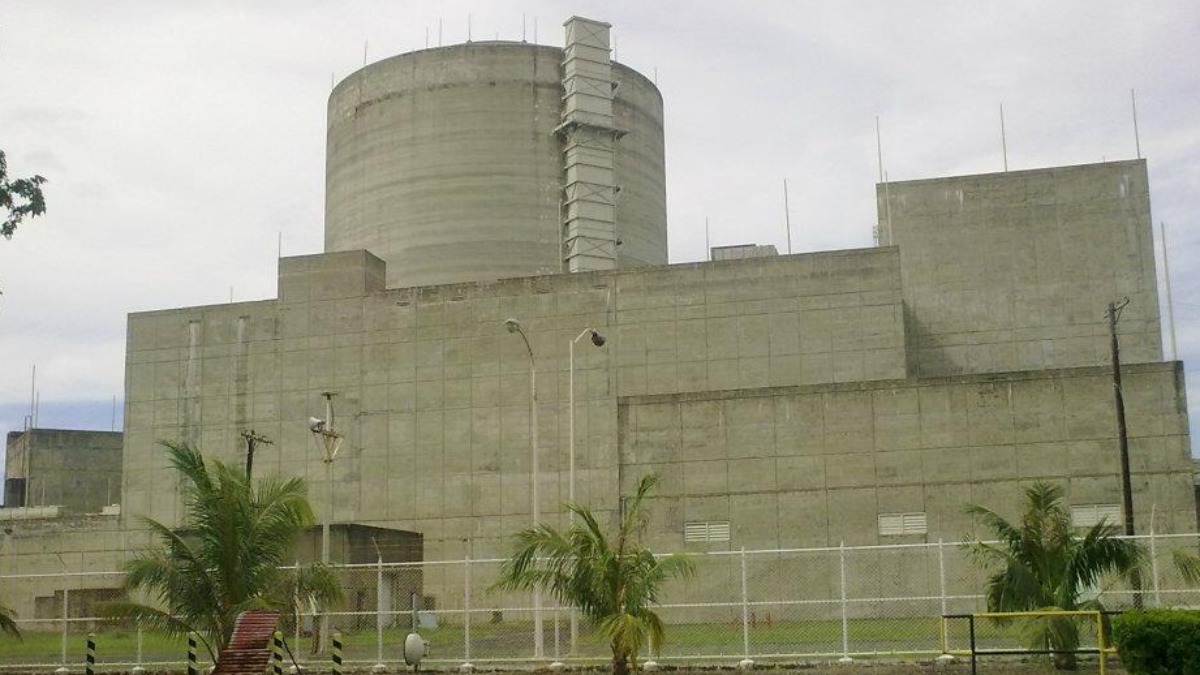
By now, the rising prices of gas and oil has affected gasoline stations all over the country. As a country that is heavily dependent on oil imports for energy, it is no surprise that the Philippines is now trying to diversify its energy mix. Under a recently signed executive order, the mothballed Bataan Nuclear Power Plant (BNPP) is set to be revived and rehabilitated over the next few years to offset the rising energy costs.
The highly controversial facility was completed in 1985 to cover electricity shortages, but had to be closed down because of poor safety measures and various corruption allegations.
But apart from that, global nuclear disasters in Chernobyl and Fukushima have made the government steer clear of the highly risky energy source. After all, nuclear accidents can cause widespread radioactive contamination that can linger in affected areas for decades.
Growing concern over the cost-efficiency of such plants and the use of uranium—a highly volatile chemical—are also part of the concerns related to the use of nuclear energy.
The country has been trying to solve its energy shortage problem for years now. Next to Japan, the Philippines has the second-highest power rates in Asia. In order to meet its power demands until 2030, the country would need an additional 10,191 megawatts of power.
In 2020, over half of the country’s energy came from coal, which accounted of 57 percent of the country’s output. Renewable energy was 21 percent, natural gas 19 percent, and oils two percent.
Fossil fuels come cheap but are major sources of greenhouse gas emissions that cause global warming. On the flip side, climate justice advocates have some qualms about the Bataan plant for its location—it is situated near an earthquake fault line and a potentially active volcano.
Climate advocacy groups like Greenpeace have spoken out to oppose new nuclear policies. In a statement, the group said that, “Current and future generations will be left to face the dangerous risks of harnessing nuclear energy.” They have also implored the government to revoke the decision, saying that it is “the last thing the Filipino people need at a time when we are already deep in debt and trying to recover from a major health crisis.”
With the wallet-busting prices of energy today, the Philippines isn’t alone in thinking that nuclear energy can soften the blows of the global shortage. After Germany, South Korea, Finland is also looking at the energy source with more pleasant eyes.
It’s true that the country will need more energy to keep up with demands and fluctuating prices. But with plenty of other options for clean and renewable energy, is investing in nuclear power again really a worthy risk to take?
