
How Designer Exits Are Shaking Up Luxury Fashion

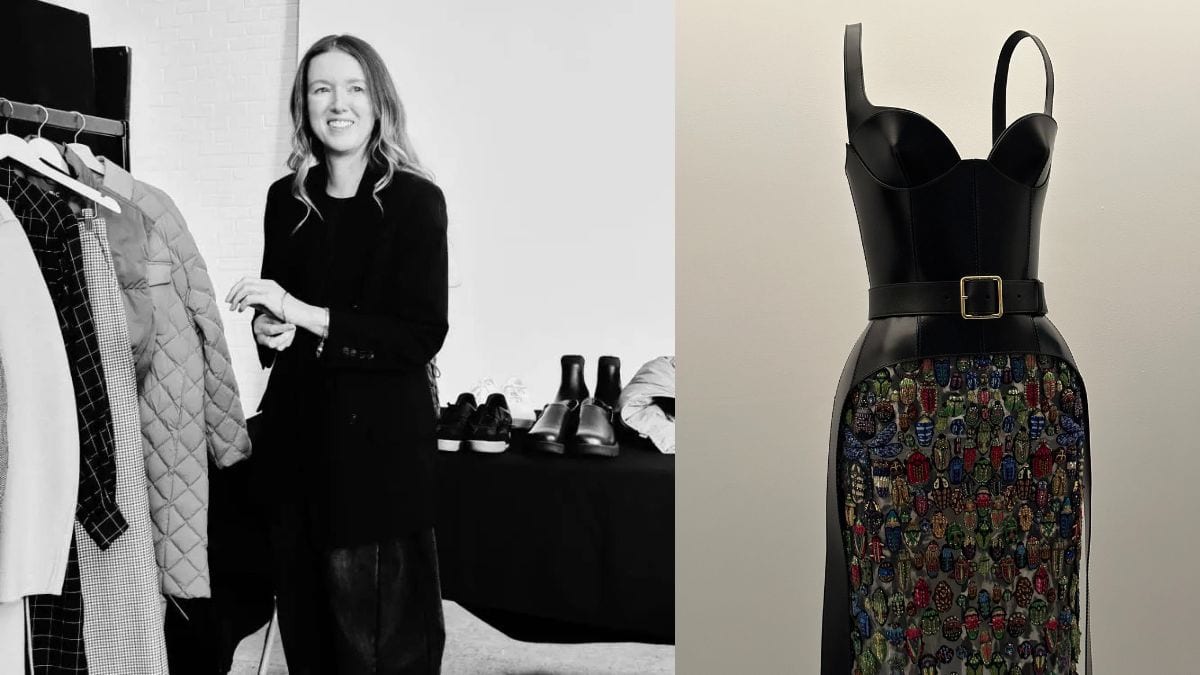
Yet again, designers exiting old employers and starting anew have stirred the fashion world, ahead of this year’s Paris Fashion Week on September 23. Sarah Burton (shown in photo above) was announced as the new creative director of Givenchy after 26 years at Alexander McQueen. Then, news arrived that Haider Ackerman has recently replaced Peter Hawkings at Tom Ford and is set to debut his first collection in March 2025.
Givenchy’s first female creative director, Clare Waight Keller, is now Uniqlo’s newest lead, launching her first fall season collection in New York City earlier this month. Former Gucci designer Alessandro Michele, on the other hand, will present his second collection in a "co-ed" format—in other words, featuring both menswear and womenswear in one series—on September 29 in Paris, following his debut show for Valentino last June. Also in June, the late Karl Lagerfeld’s successor, Virginie Viard, stepped down as artistic director at Chanel.
ALSO READ
Chynna Mamawal Brings Filipino Flair to New York Fashion Week
The Best Dressed Men of the 2024 Preview Ball
Does the sudden shift of designers at luxury fashion houses have a direct impact on the Filipino fashion market? Retail expert John Tee said the effect is not really significant.
Local customers still prefer signature items rather than innovative pieces as a result of a new designer’s arrival. “What is sold here is very much the truly commercial and heavily logoed items. The ‘mayabang’ consumers want to show off that they can afford to wear the brand,” he told Esquire Philippines.
“We don’t get the assortment that New York City, Paris, or even Tokyo get, as customers here really want the easily recognized logo pieces. This is not just in Manila but also in countries like Kuala Lumpur, Seoul, and Singapore, among others,” continued Tee, who was the former creative director of fashion at Rustan’s, a designer retail outlet in the Philippines. He now runs his own company that promotes Filipino fashion designers worldwide. “For us here in the Philippines, the actual products in the store will still be the tried-and-true bestsellers, with minor changes taken from the runway collections.”
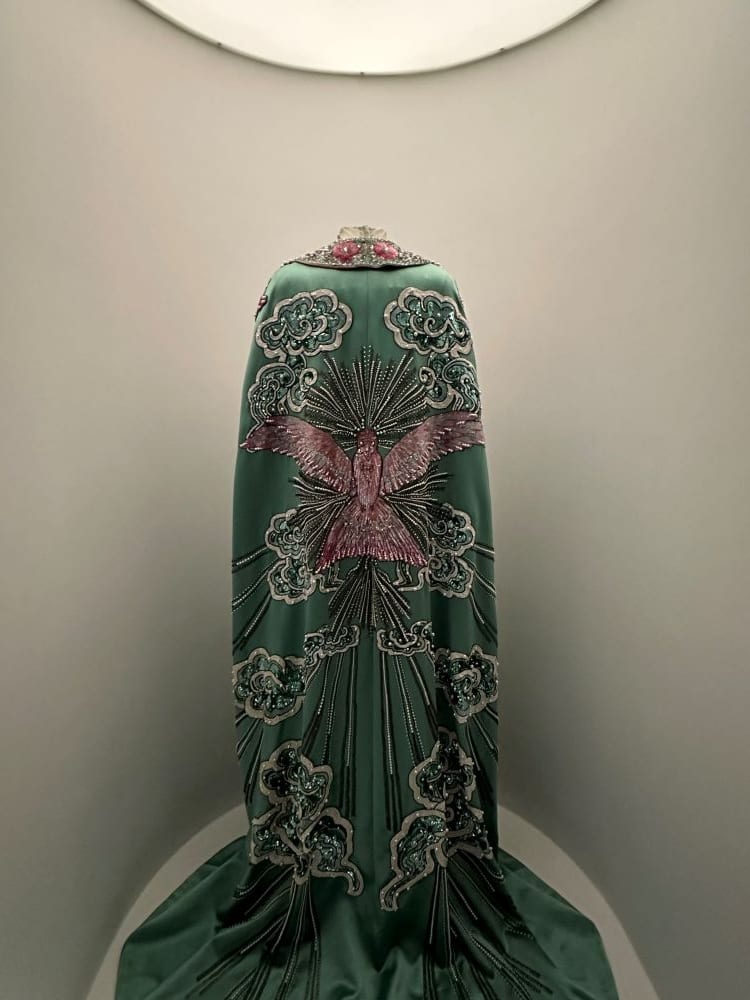
Beaded cape by Alessandro Michele for Gucci in view at The Metropolitan Museum of Art in New York City.
The Roles of a Creative Director
What does a creative director do? The creative director runs a whole gamut of responsibilities, said Tee. Usually, creative directors deal with material suppliers and manufacturers, oversee workloads, guide art direction, branding, and visual merchandising, and manage the entire production system. He added that it is also possible that they could alter existing company culture.
But Tee warns that implementing drastic measures could lead to another departure. “Their first few collections will be saddled with difficulties, which could be obvious in the final products. You can see this scenario in many of the creative directors who only last one or two seasons, stating ‘artistic differences’ as their reason for resigning,” Tee shared. He added that the better path is to work within the existing system. He cited Raf Simons at Jil Sander in 2011 as an example. The designer’s new perspectives were gradually introduced while still remaining true to the brand’s DNA.
“During the first couple of seasons, you could really start to see Raf’s direction take shape when he introduced color and pattern to the Jil Sander vocabulary, while keeping the shapes sleek and minimal, which are the hallmarks of the brand,” Tee observed.
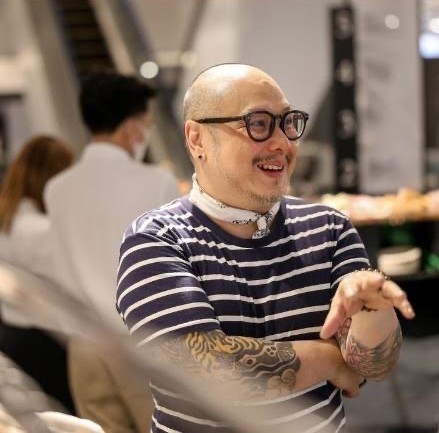
Retail consultant John Tee
The Need to Adapt and Stay Relevant
Meanwhile, Filipino designers agree that profit drives the constant changes within the company most of the time. “Fashion is a very fickle animal. One that is quite easily bored and in constant need of stimulus. To sustain this constant flux, one must shift and seek out new voices. Luxury fashion is also a very unforgiving business, and more often than not, the powers that be look more at the profits rather than creativity,” commented Rajo Laurel, the creative director of his eponymous fashion label.
Commenting on the uniformity that seems to permeate high-end brands, he said, “Have you ever wondered why all luxury brands today look like they’re selling the same things? This is the unfortunate result of this.”
According to Laurel, demographics are also a strong force to be reckoned with. “As a brand ages, so does its client base, and as a brand, you want to remain attractive to the youth,” he said. “The energy of the youth is a very strong, pivotal direction for what everyone wants. Another factor is growth opportunities. As the brand lives longer, creative leadership also changes, so this has to be taken into consideration as well.”
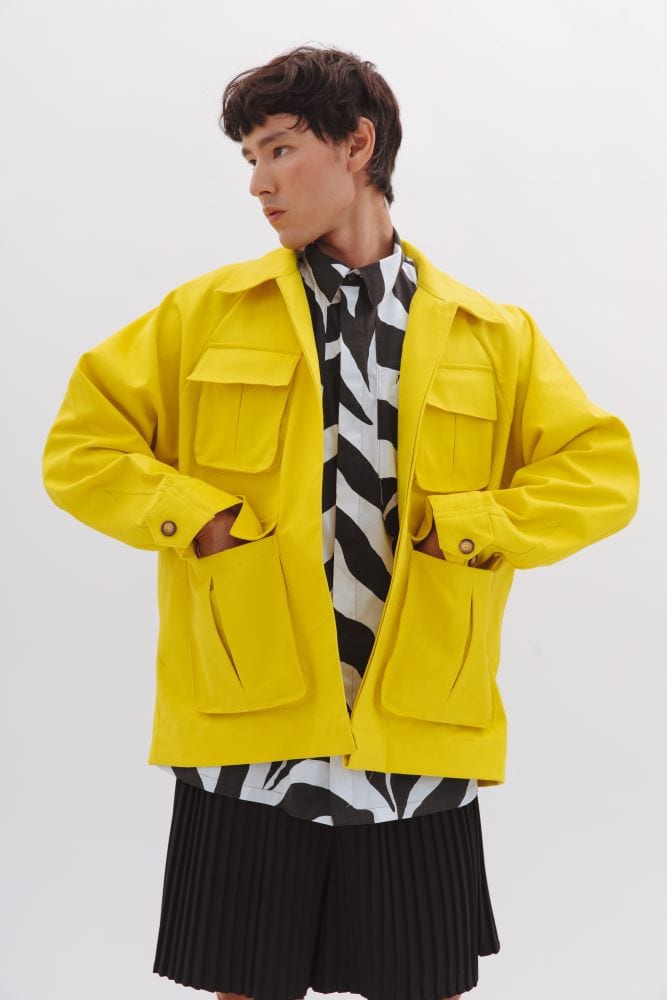
Menswear by Rajo Laurel
Furthermore, fashion designer and 2018 Ternocon finalist Michael Joseph Bawar said changing design employees could be an opportunity for the brand to showcase more of its goods and services. But business growth is also crucial in the creative director’s tenure. He added that fashion now operates at a faster pace, producing more clothes and accessories per season.
“It is a good approach for luxury brands to change every now and then as it shows that they are willing to take risks in terms of creative direction. However, if we look at the history of a particular brand, there have been cases where changes are not enough to sustain the brand and reintroduce it to a new demographic, eventually falling again into oblivion,” said Bawar, who also teaches Theories of Art and Design at the School of Fine Arts and Design at Philippine Women’s University.
Michael Joseph Bawar's modern version of the baro’t saya during the Bench Design Awards fashion show in 2019.
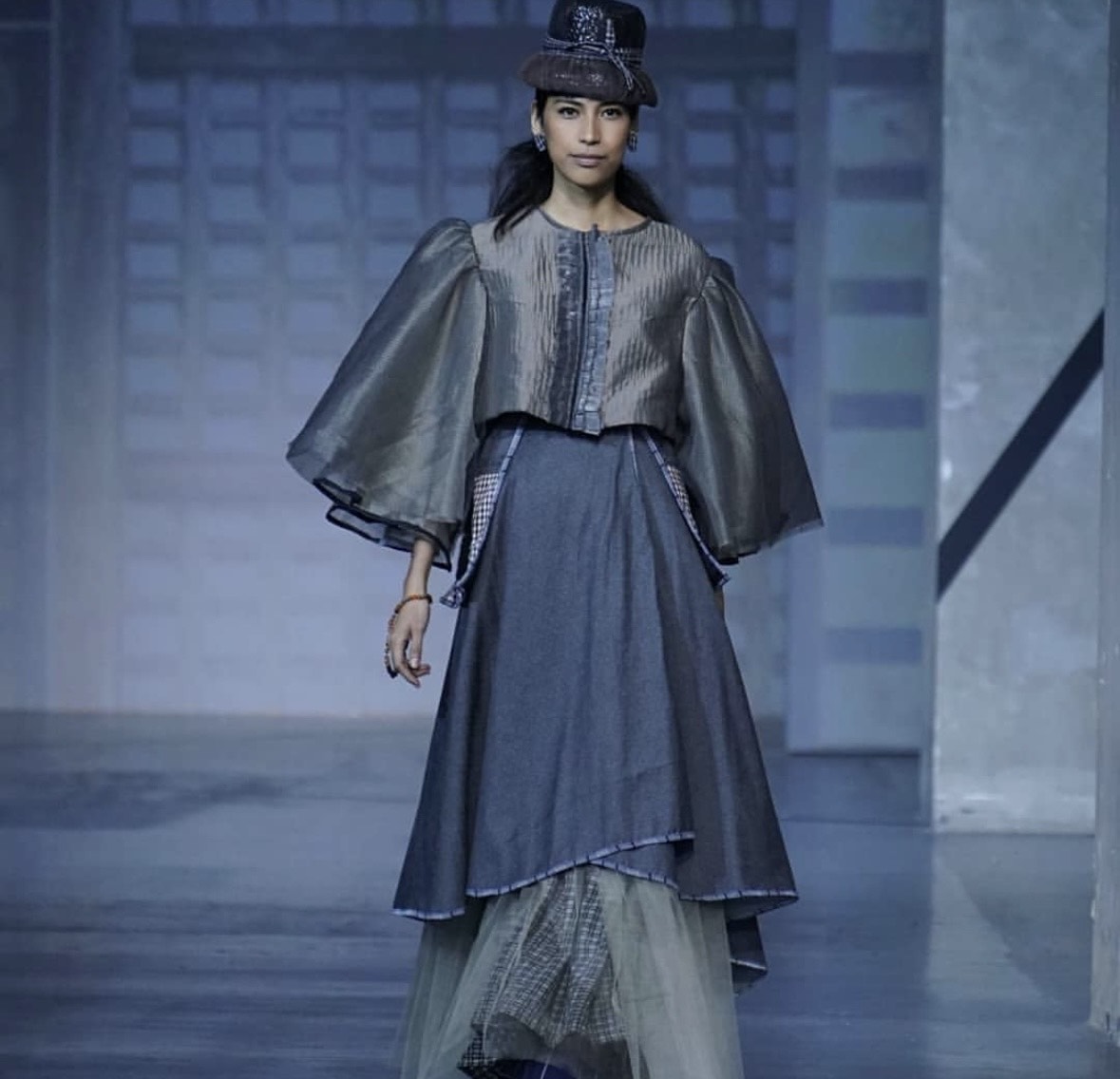
“It seems that luxury brands are competing with retail brands that sell clothes at a lower price range. Thus, I emphasize to my students to think ahead of everyone else. This includes researching and seeing what can be done differently,” he said. He ended with an observation that the local creative community has always been innovative and welcoming of fresh ideas.
