

Decoding Denim: What Type of Jeans Should You Buy?

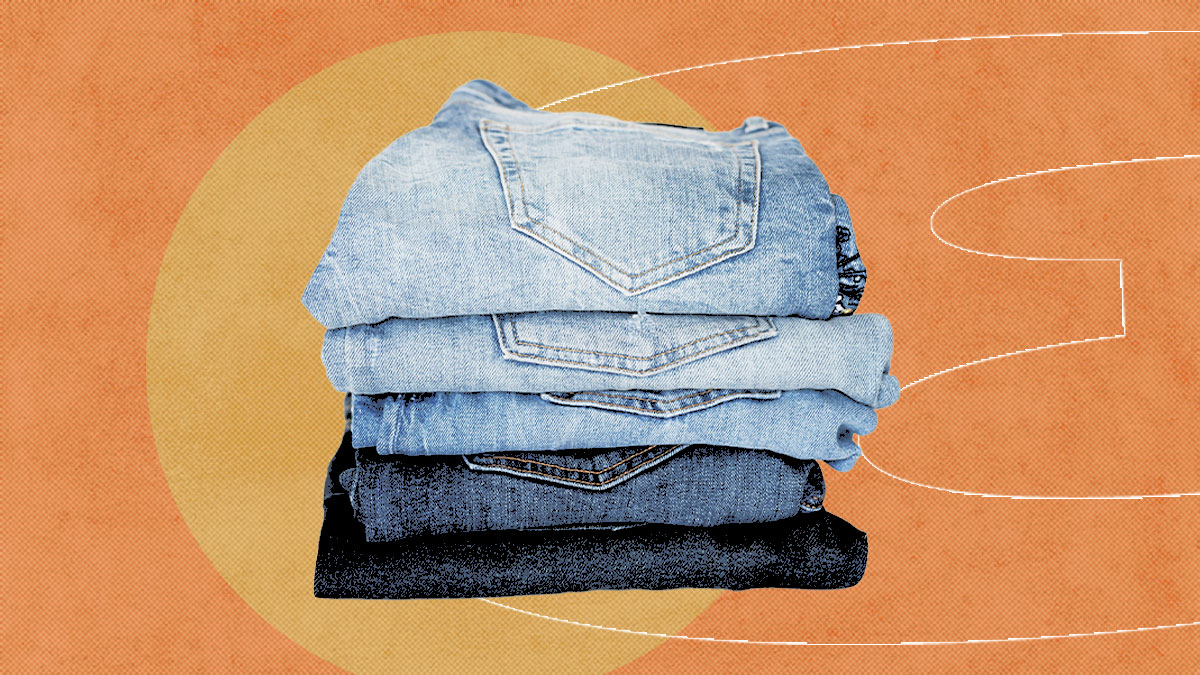
Jeans are one of the most versatile pieces a man will have in his wardrobe. It’s rugged enough for laborious activities, casual enough for weekends, fashionable enough for low-key casual fits, and (if you choose well) can also be elegant enough for business-casual settings. But the truth is, most men just choose random pairs that either don’t suit the occasion or don’t fit them well. The ideal pair should flatter your build, match the event, and balance comfort with style.
Understanding jeans starts with learning about cuts (slim, straight, tapered, relaxed, bootcut, and more), fabrics, washes, etc. First off, here’s a harsh truth: not every cut looks good on everyone. What works for a man with long legs and a lean frame could look too tight on someone with broader thighs or shorter legs. Plus, buying the right pair in terms of comfort, durability, and how it ages could mean investing in a lifetime pair that you can even pass on to your kids.
ALSO READ:
To the Millennial Men: Yes, You Can Still Wear Skinny Jeans
Jeans That Look Classic and Cool for Guys of Any Age
Esquire Philippines’s guide will take you through some of the major cuts you’ll encounter in nearly every denim store, the various fabrics, how certain washes will influence your look, and most importantly, which jeans you should wear when.
Slim Fit
It’s that tricky balance between clean lines and modern tailoring. They taper through the thighs and sometimes around the calves, but they don’t cling to the skin, unlike skinny jeans. For men with lean to athletic builds, slim fits offer a flatter silhouette: they highlight the shape but don’t detail every plane and curve of your legs. Because they are narrower through the leg, the hem typically sits lower (sometimes including a slight break) and showcases shoes better. These are often paired with sneakers or Chelsea boots.
Levi's Men's 511 Slim Jeans
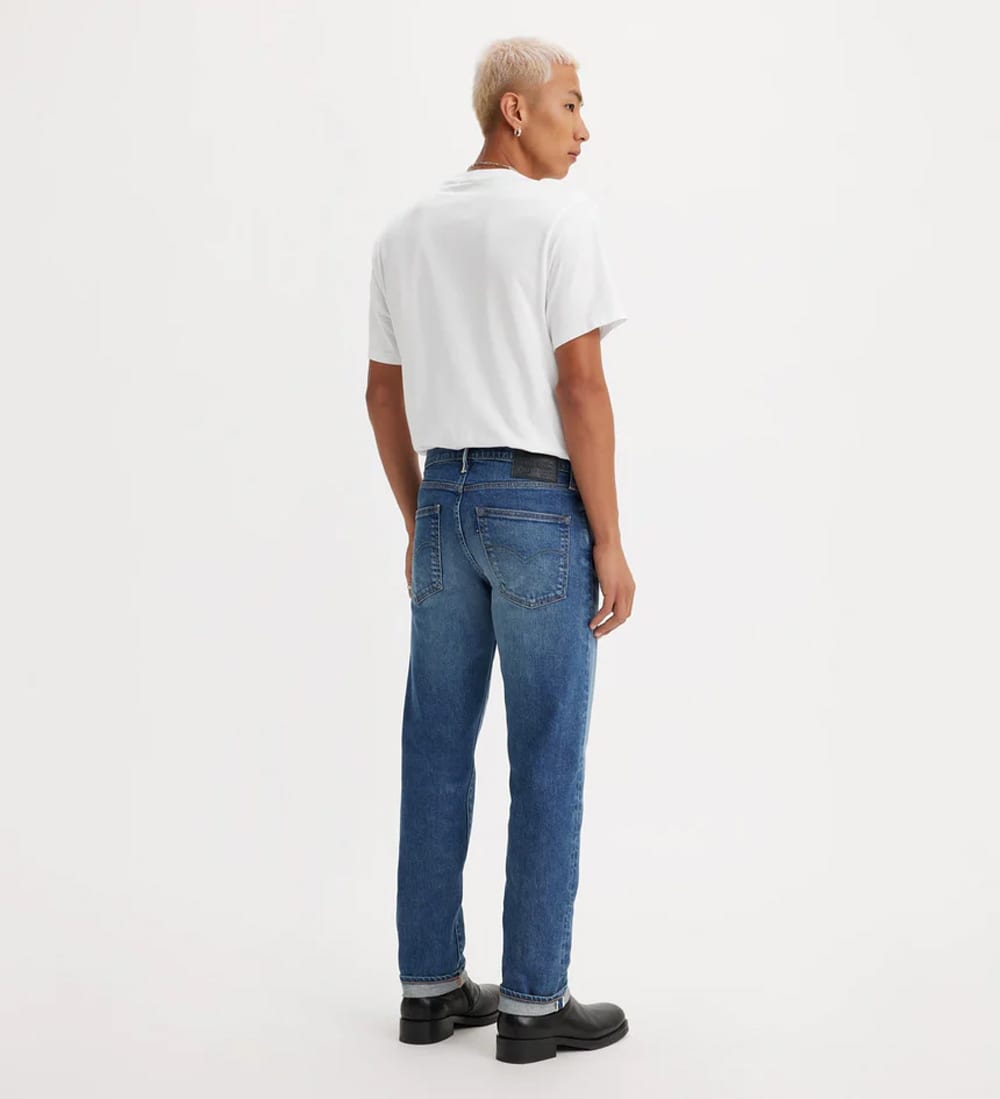
Its appeal lies in its ability to be versatile. In a smart-casual setting, a dark slim pair of jeans matched with brogues and a crisp shirt is enough to look sharp. For evening events, they lend a more refined silhouette in comparison to baggy cuts. The stretch denim versions (those with one to two percent elastane) allow for enough movement that comes with a normal day at work without restriction or worries that your rigid denim will rip.
Styling slim jeans well means paying attention to proportion. Because the legs are trimmed, the torso often looks better in a jacket or shirt that mirrors its structure. Long, flowing tops would make the lower half appear too narrow. Choose accessories and footwear that would also anchor the subtle elegance of the look: boots and loafers with slim soles tend to complement these jeans rather than bulky sneakers or shoes with thick soles.
Straight Fit
Unlike slim cuts that taper, straight-fit jeans run straight from the hip down through the thigh and leg opening. It’s a balanced, classic silhouette that doesn’t cling like a skinny nor flare or sit baggy. Straight jeans are considered safe, but don’t get it wrong, it’s not boring. It flatters most body types, and for men with fuller thighs, these allow for more room without compromising the shape.
Mango Moby Straight-Fit Light-Wash Jeans
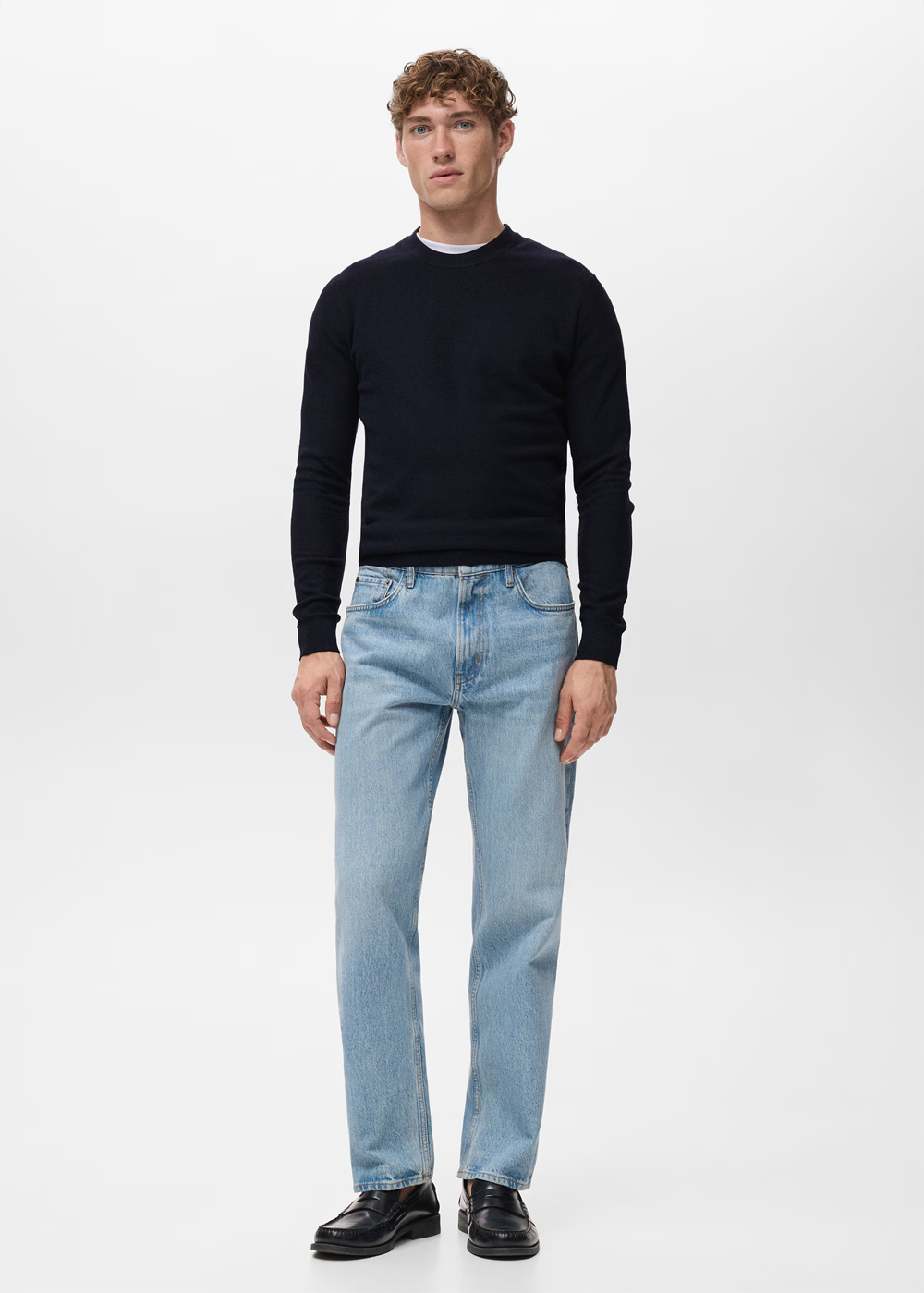
One of the strengths of straight jeans is how well they age and adapt. If you break a pair in nicely, these could still preserve a clean structure even as they soften over time. While some fading may appear, especially along creases, these add character without bordering on becoming distressed jeans. For men in cities with varying seasons and humidity levels, straight-cut jeans can age well, given their versatility.
In terms of wear, straight jeans can bridge casual and dressier (but not too formal) looks. A dark wash straight pair of jeans can be worn with a blazer, Oxford shirt, and loafers for a business casual dinner. Lighter washes suit weekend wear: casual jackets, t-shirts, or loafers. They also pair well with boots because the opening doesn’t taper in too much to cause bunching in the boots or require distinct cuffing. It’s important to pair these jeans with jackets or coats that match their proportion to maintain a dapper silhouette. Just because you’re wearing jeans doesn’t mean that you have to sacrifice looking smart.
Skinny Fit
While a slim fit cuts close to the body, skinny jeans are basically second skin — tight from the waist to the ankle, often with stretch. Sometimes, however, rigid denim in skinny cuts could be painful, especially for men who have a more muscular build. For men who are lean, with trim calves and slim thighs, skinny jeans offer a bold and fashion-forward statement.
Levi's Men's 510 Skinny Jeans
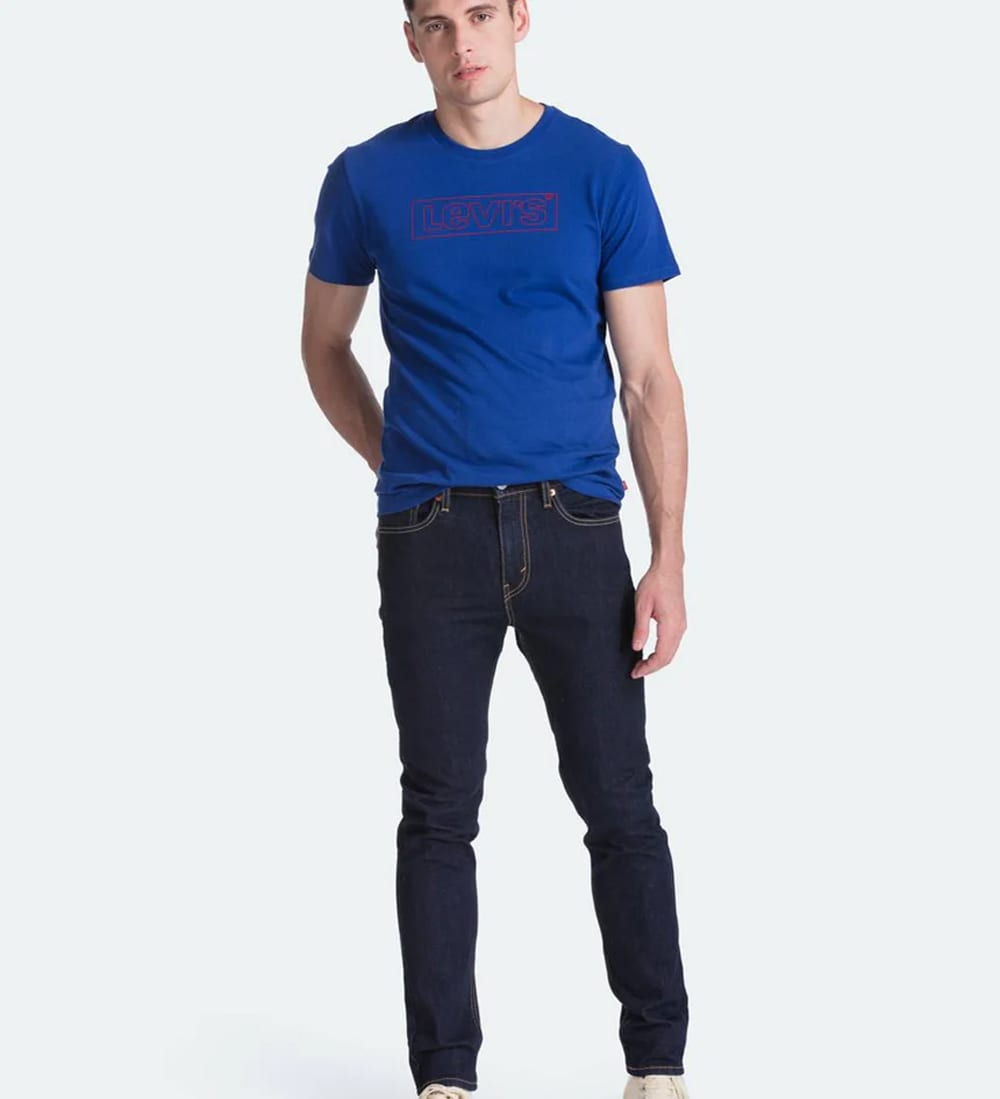
Especially for nightlife events and creative settings (example: music venues, fashion events), they lend an edge to your style. If you enjoy showing off your footwear, then skinny hems allow that to happen with ease, as long as the jeans are tailored not to bunch around your ankles. However, there are certain risks. Without enough stretch in the fabric, skinny jeans can restrict movement, pull unflatteringly, or wear out at stress points. Plus, with our climate, skinny jeans can become uncomfortable if the denim is not breathable.
Since it creates a thin silhouette, proportion is key when styling skinny jeans. A chunky (but not too loose) sweater or structured jacket helps avoid a “twig-like” appearance or having your upper body feel disconnected from your lower half. Going for darker washes (black or deep indigo jeans) can further slim down your legs, and pairing them with boots or sleek (not bulky) sneakers helps maintain a clean leg line. As mentioned, hem length is critical. If it’s too long, it will bunch around your ankles, destroying the sleek visual, while a length that’s too short will crop off your legs when you sit or bend.
Relaxed Fit
If you’re not into tight or close-to-form jeans, a relaxed fit could be the antidote you’re looking for. Unlike wide-leg jeans, which make a bold fashion statement with their exaggerated volume, relaxed fit jeans offer ease but not too much. They’re cut looser in the seat area and thighs and often maintain a straight line through the legs. With a relaxed fit, you get comfort and breathing room while still looking grounded. A dependable daily pair, these are casual enough for weekends, forgiving enough for short flights or travel, and offer enough space for days where manual labor could be involved.
Levi's Men's 555 Relaxed Straight Jeans
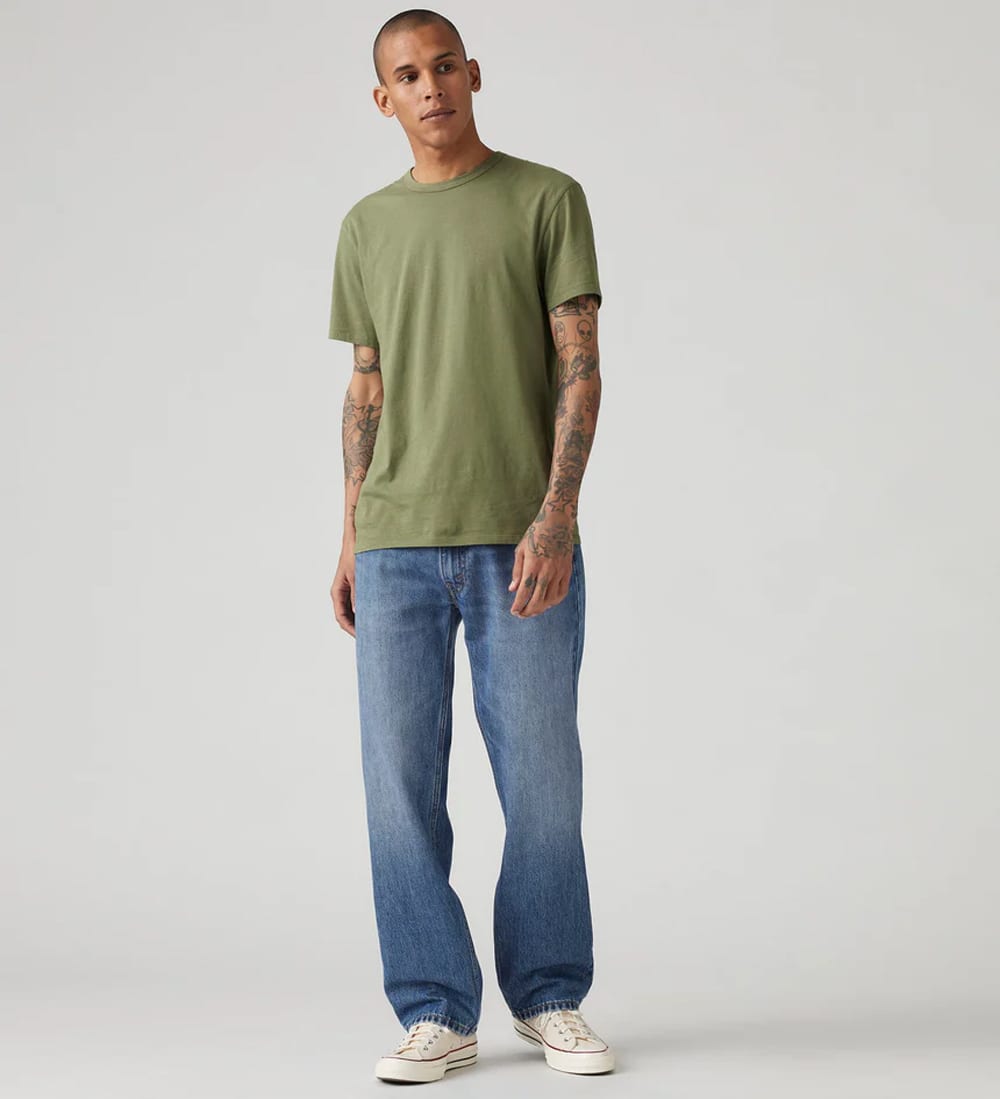
The beauty of relaxed jeans lies in their balance. They work especially well for men with broader builds or those who simply need more room for movement. Plus, with the heat, the looser fit provides more air circulation and since it clings less, your legs don’t feel like they’re trapped in denim prison.
Styling relaxed-fit jeans is also a breeze. They can work with boots, sneakers, minimalist trainers, and as long as the fabric provides some structure, relaxed jeans can still form a stylish silhouette. But since they’re a little loose compared to slim cut jeans, pairing them with fitted t-shirts, polos, or structured outerwear is ideal — doing so helps prevent a sloppy outfit. Cuffing the hem could add further definition, while a darker wash helps keep a polished look.
Wide-Leg
Wide-leg jeans are not for the faint of heart. With generous room from hip to hem, these offer a dramatic silhouette that needs a matching attitude and confidence to pull off. More fashion-forward, less functional, these jeans have made a comeback in recent years with designers reintroducing wide-leg jeans as a deliberate, stylish choice for the modern man.
Zara Wide Fit Jeans
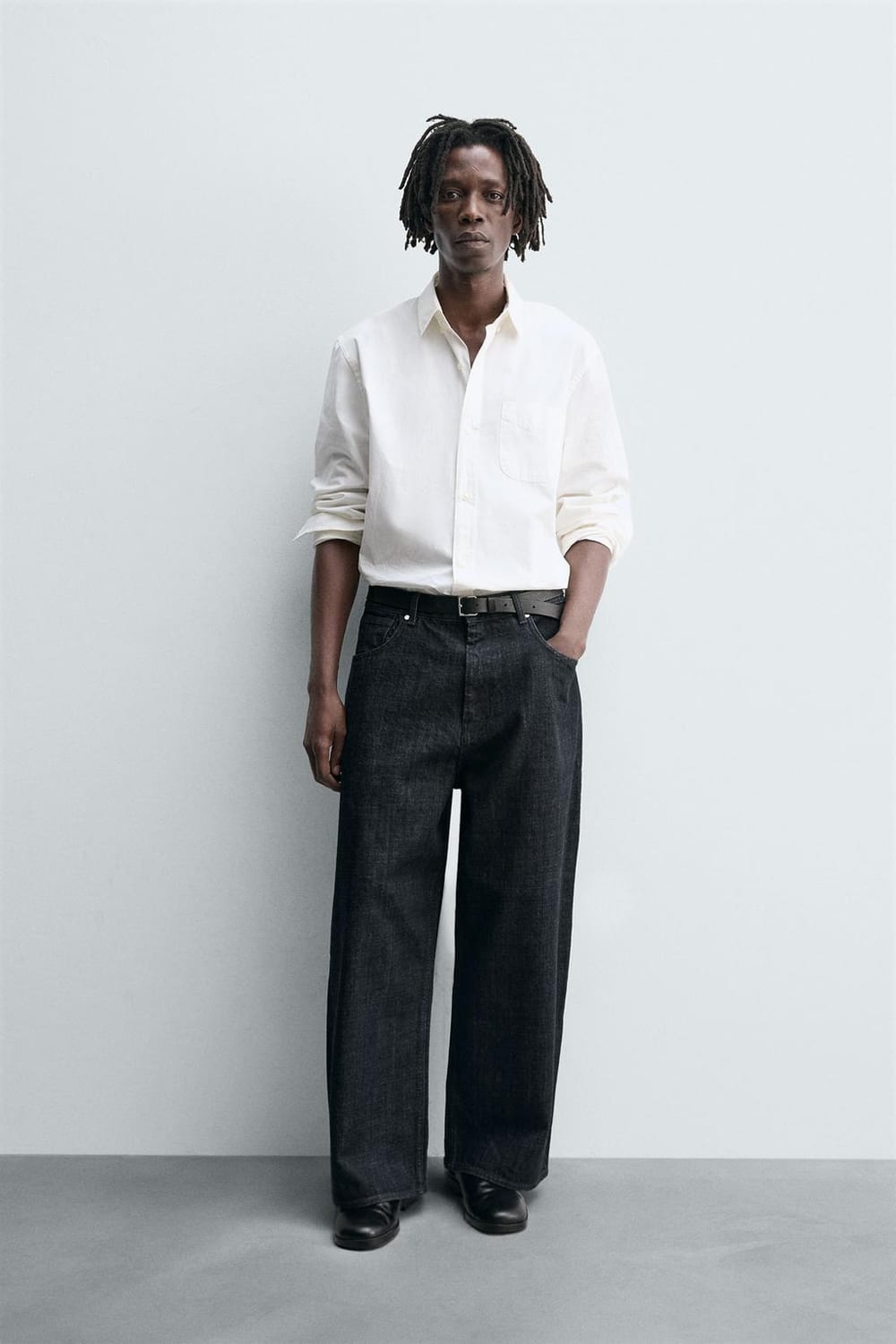
Rather than constrict, these drape and flow, but be careful with the proportion. Remember, it has to look intentional and not thrown on. When done right, wide-leg jeans give you a commanding presence, elongating your figure when paired with cropped jackets or shorter tops that highlight your torso. Aside from becoming staples in the wardrobes of men who have modern and bold fashion choices, these have also found themselves in the streetwear scene.
The trick to wearing wide-leg jeans is all about choosing the right pair. Heavier denim gives structure. Again, purposeful and clean lines demonstrate a sense of style. When it comes to footwear, your feet must not get lost underneath these massive jeans. Make sure to pair it with chunkier shoes, boots, or sneakers. Lastly, pairing with a fitted or cropped top is one sure-fire way to avoid getting lost underneath excessive fabric.
Bootcut
This is another cut that traipses that tightrope between statement and outdated. Bootcut jeans were invented to flare slightly from the knee so they can accommodate boots (hence the name). This cut was born out of utility: ranching, motorcycling, workwear, and the like. But don’t mistake it for its extreme counterpart: the flared bell-bottoms, which became en vogue in the 1960s and '70s. Bootcut jeans’ flare is more subtle, while bell-bottoms are designed to provide a bold, dramatic look.
Diesel Bootcut Jeans 2007 Zatiny 009zs
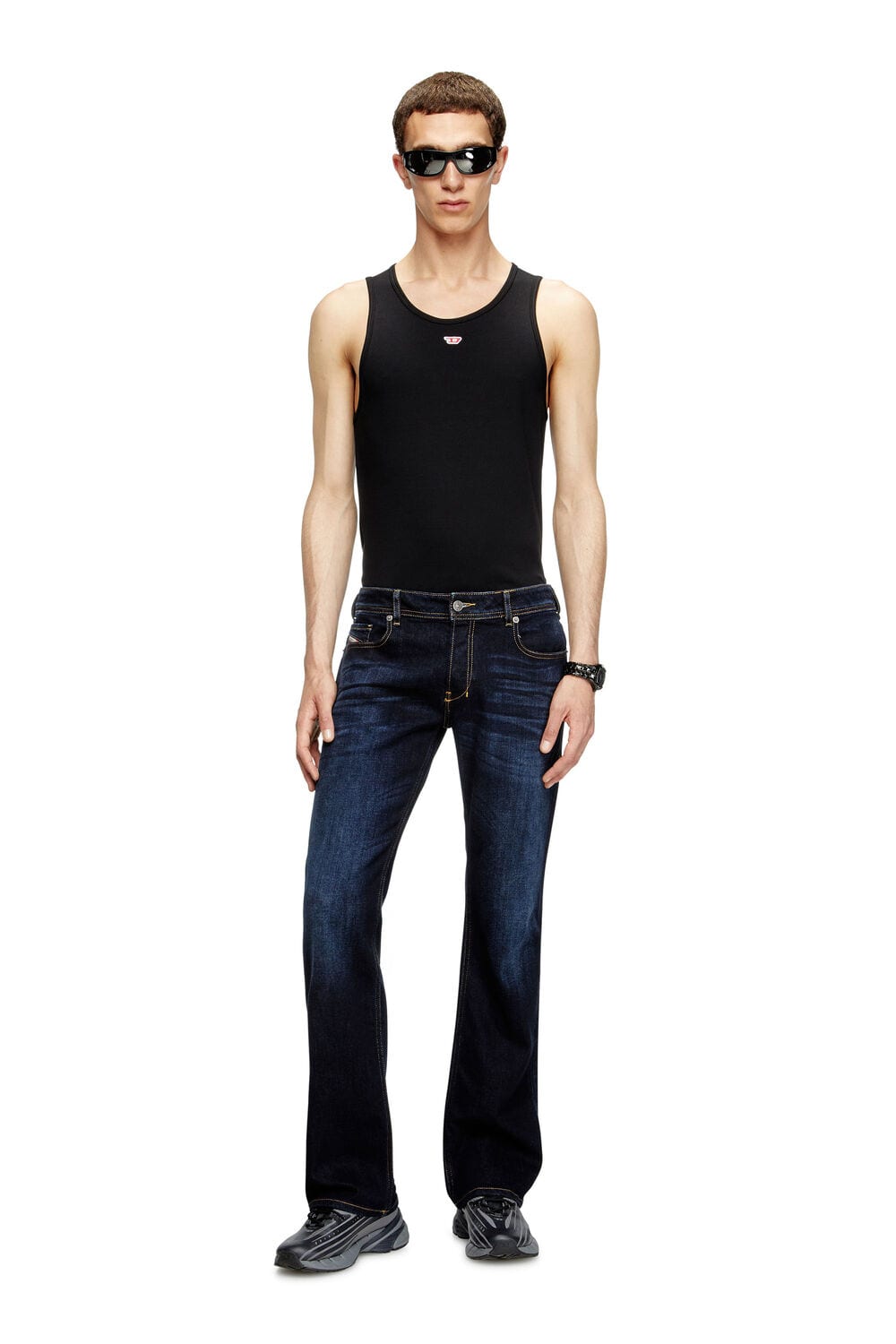
Still, despite its vintage aesthetic, it continues to hold a functional appeal for men who wear boots frequently. Or if you’re interested in sporting a retro outfit. Plus, with its aesthetic, bootcut jeans can elongate the leg when wearing boots, and they help balance body types with wider torsos. In a modern, urban setting, however, it can be quite tricky to style without looking like you’re cosplaying. The key is to lean into the subtlety: a modest flare, dark wash, and minimal distress.
When chosen properly and worn in the right context, bootcut jeans can be a true fashion statement. But in a conservative or corporate setting, this cut may feel informal and outdated.
Tapered Fit
Tapered fit jeans combine the comfort of a relaxed or straight cut jeans at the top (seat and thigh area) with the sleekness of slim jeans as they narrow towards the ankle. For many men, this is a safe compromise: you get room at the top for movement and breathability, but you still get a grounded fit in the ankles if you don’t want jeans that flow with the wind. Tapered fits are especially flattering for men with athletic thighs who want a leaner lower leg silhouette without the cling.
H&M Regular Tapered Jeans
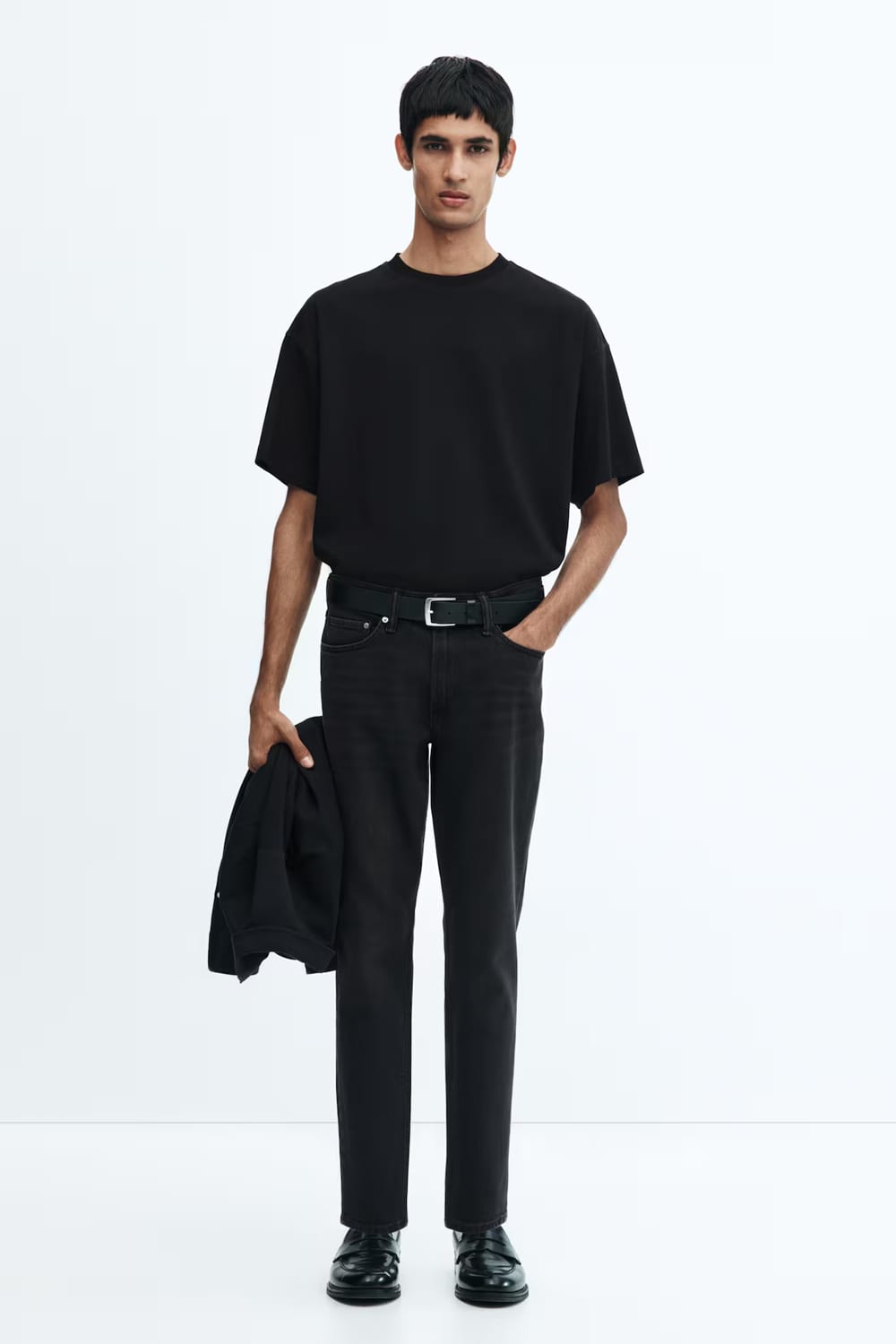
Because of their hybrid cut, tapered fits adapt well across contexts. A mid-weight or stretch denim can be used for most casual days, while a dark wash and modest cut can fit right in smart-casual settings. Plus, they tend to show off footwear well because the narrowing hem instantly draws attention to your shoes.
Differentiating Denim Fabrics
Aside from cuts, you also have to take into consideration the various denim fabrics. It goes without saying: denim fabrics are far from uniform. You have to consider their fiber compositions or blends, treatment, and weight to determine how jeans can feel upon buying and how they’ll age in a couple of months or years.
Raw denim hasn’t been washed after being dyed. It’s stiff, holds its dye strongly, and fades dramatically over time with wear. If you get raw denim, expect the first few weeks or wear to be uncomfortable as they’ll be stiff at the knees and may stifle movement. Over time, however, the jeans will slowly mold to your shape, and the fading will tell a story.
Selvedge denim is usually more costly because it’s woven on narrow looms, often with a finished edge (the “self-edge”) that prevents fraying, visible when you cuff the leg. Many Japanese denim brands are especially known for high-quality selvedge. But selvedge isn’t automatically “the best” if the cut or weight is wrong for you. For example, a heavy selvedge jean in humid weather can feel quite oppressive, and this tropical climate isn’t always forgiving.
Then there are stretch blends (cotton + elastane or spandex), lighter weights, and pre-washed or stone-washed denim. Stretch helps in slim and skinny cuts; lighter weights are better during the summer season or especially hot or humid weather.
Washes and Colors
Then there’s the wash and color of the jeans. Dark indigo is considered the “dress-denim” wash: deep, clean, and suitable for evening outings, smart-casual workplaces, or occasions where you want to wear denim but still sport a certain aura or sleek silhouette. Because they hide creases and distress better, dark jeans are more forgiving and tend to look neater after long hours or travel.
Light washes (medium blue, stone wash, etc.) are more casual. They’re fitting for weekends, outdoor activities, beachside cocktails, casual strolls in the park, and more. Distressing, fading, and patches over time only add to its relaxed, lived-in allure. Black denim can straddle casual and semi-formal depending on the finish. Matte, clean black can look sharp, while shiny or faded black can lean grunge or casual. Gray denim offers a softer alternative to black; its less severe color makes it more versatile in pairing with colors.
